Yoshida & Co. Marks 90 Years with Military-Grade Anniversary Publication Bound Like Its Luggage
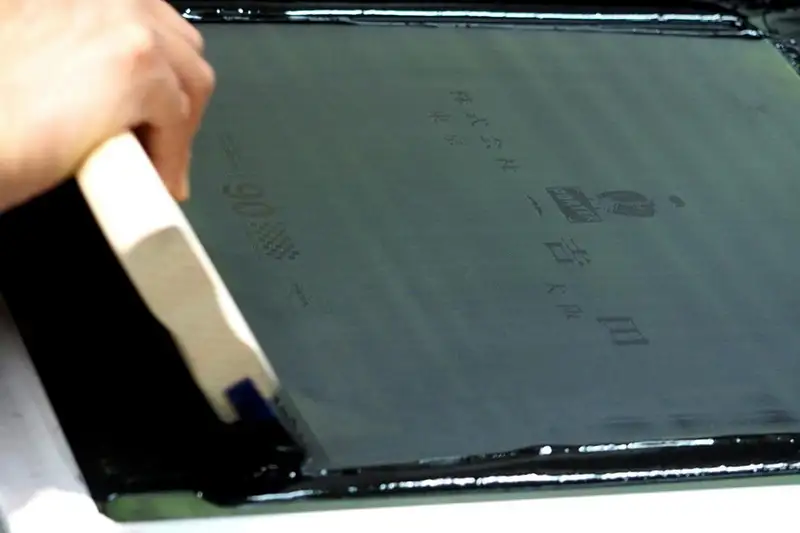
- Yoshida & Co. is releasing a special 90th anniversary commemorative book in Japan on August 15th detailing its history from a 1930s Tokyo atelier to global bag authority.
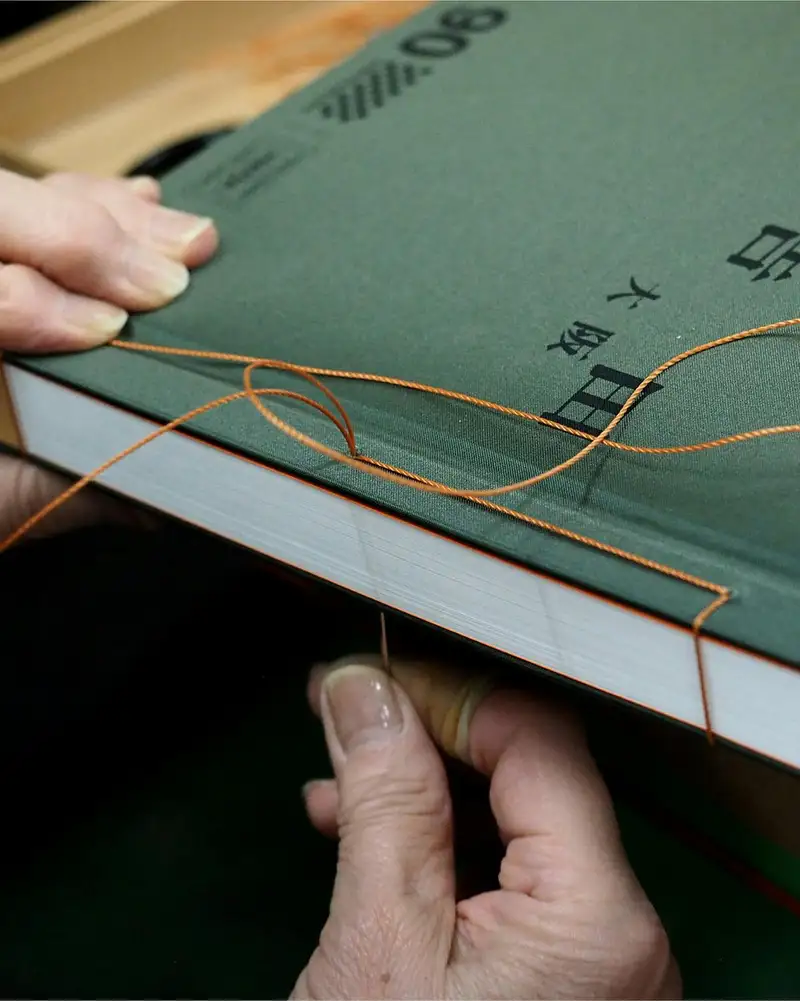
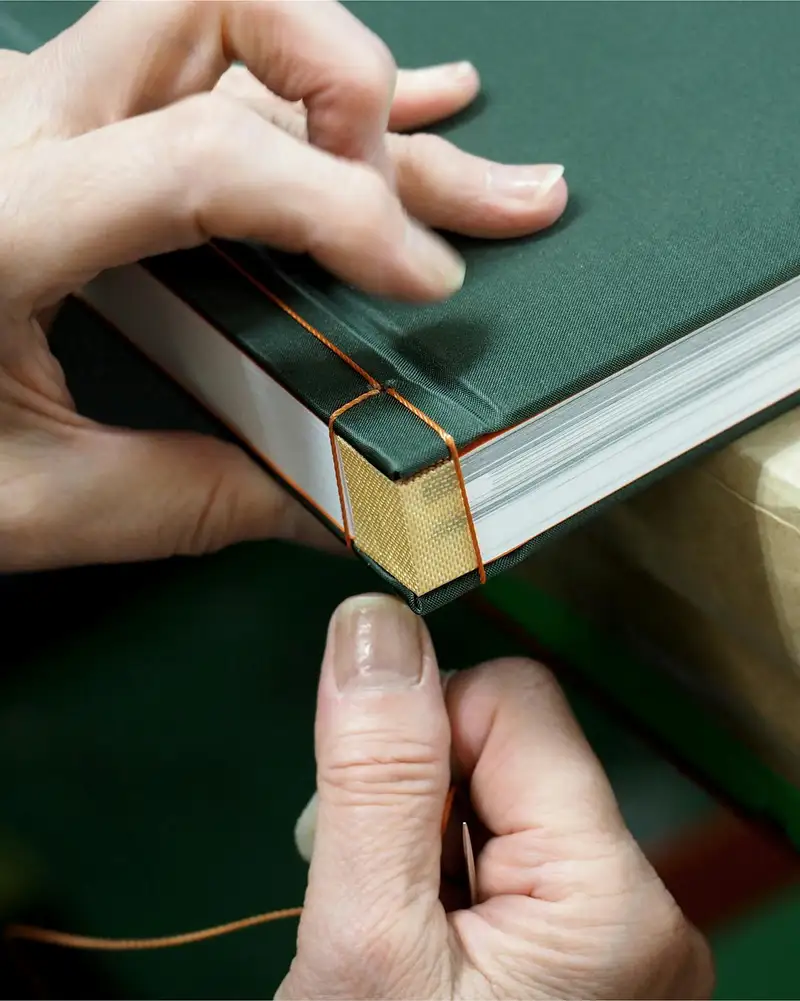
- The publication utilizes traditional watoji hand-binding techniques with the exact same durable thread used to assemble the brand's legendary luggage lines.
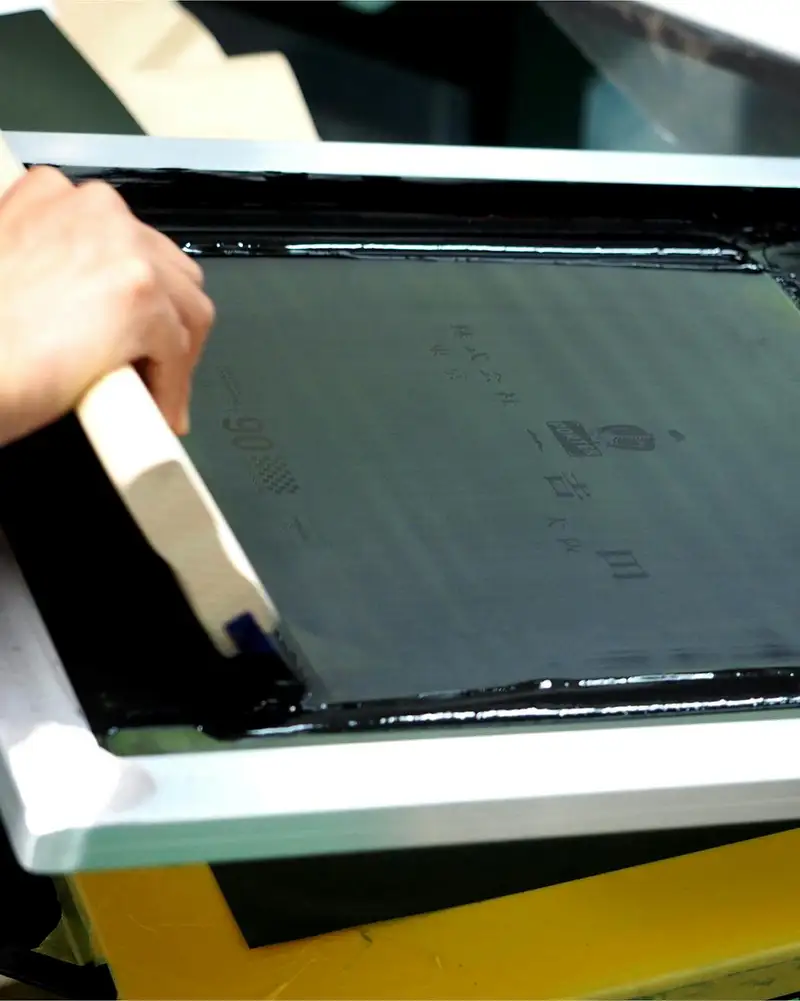
- A special collector's edition is encased in the signature 3-layer nylon fabric used in PORTER's TANKER collection, inspired by classic US Air Force MA-1 bomber jackets.
When a heritage manufacturer known for creating virtually indestructible luggage turns its attention to publishing, the standard rules of print production no longer apply. Yoshida & Co., the venerable Japanese company behind some of the world's most sought-after bags and accessories, has unveiled a technical milestone in bookmaking: a commemorative publication built to the exact physical standards of its military-inspired gear.
Quick summary
- Yoshida & Co. is releasing a special 90th anniversary commemorative book in Japan on August 15th detailing its history from a 1930s Tokyo atelier to global bag authority.
- The publication utilizes traditional watoji hand-binding techniques with the exact same durable thread used to assemble the brand's legendary luggage lines.
- A special collector's edition is encased in the signature 3-layer nylon fabric used in PORTER's TANKER collection, inspired by classic US Air Force MA-1 bomber jackets.
Why it matters
The release of this commemorative volume represents a meaningful intersection between classical print publishing and industrial design heritage. As physical books increasingly exist in a strange modern space—where physical reading formats compete against digital consumption—Yoshida & Co. provides a fresh perspective on what makes an object durable and permanent. By translating its heavy-duty bag manufacturing processes into bookbinding, the company highlights how traditional craftsmanship and technical utility can preserve corporate history in a tangible, long-lasting format.
For consumers, collectors, and design purists, the project reinforces the idea that functional items can carry deep cultural value. Rather than producing a generic promotional coffee-table book, the company applied its core engineering principles to print media, offering a case study in authentic brand extension that respects both the subject matter and the physical medium.
Background
To understand the construction of this publication, one must understand the origin of Yoshida & Co. Founded in Tokyo during the mid-1930s, the company began as a modest craft atelier built around a simple philosophy of precision and functionality. Over decades of operation, it developed into Japan's premiere maker of technical luggage, best recognized globally through its legendary PORTER sublabel.
A cornerstone of the brand's modern status was the creation of the TANKER collection in the late 20th century. Inspired directly by the flight jackets worn by US Air Force pilots—specifically the MA-1 bomber jacket—the TANKER series introduced a distinct three-layer nylon fabrication that was lightweight, incredibly durable, and visually distinct. Over the years, Yoshida & Co. applied this uncompromising material design to everything from tactical totes to utility fans, earning a reputation for elevating functional daily tools into cultural artifacts.
Marking nearly nine decades since its inception, the company's upcoming 90th anniversary publication acts as a thorough chronicle of this evolution, tracing its transformation from a neighborhood shop into a global benchmark for quality construction.
Craftsmanship and Engineering: A Military-Grade Publication
Rather than outsourcing print binding to commercial mass-production facilities, Yoshida & Co. integrated its own factory standards into the book's creation. Every copy utilizes watoji, a traditional Japanese hand-binding technique using needle and thread. Crucially, the thread selected for binding the pages is identical to the heavy-gauge thread used to assemble Yoshida's high-stress luggage seams.
The release is split across two primary editions designed for different audiences:
- The Library Edition: A traditional archival presentation featuring a structured cloth-bound cardboard cover, built for durable long-term storage and reading.
- The Collector's Edition: A high-spec iteration bound directly in the same three-layer nylon utilized for PORTER's signature TANKER series, recreating the exact tactile feel and weather-resistant qualities of their premier bag lines.
This structural alignment between book and bag ensures that the volume is not merely a collection of printed pages, but a physical extension of the workshop's core discipline.
Culture, Collectors, and the Evolution of the Physical Object
The release arrives at a curious moment for the global publishing landscape. In contemporary culture, physical books often oscillate between social props and design objects. Trends surrounding decorative reading and specialized styling have reshaped how books are displayed and acquired, even as general reading habits shift dramatically toward screen-based content.
In this landscape, Yoshida & Co.'s military-strength approach stands out. By treating a book with the same rugged engineering applied to tactical gear, the company bridges the gap between functional utility and literary archiving. For fans who have acquired PORTER's specialized totes and carrying cases over the years, this publication provides a rare historical document engineered to survive in the very bags the brand has spent nine decades perfecting.
Qnews24h insight
Yoshida & Co.'s decision to build a book with luggage-grade thread and bomber jacket nylon reflects a broader, deliberate trend in heritage design: the transformation of ordinary branded media into permanent industrial artifacts. Rather than treating an anniversary publication as a standard marketing exercise, the brand treats print binding as an engineering discipline parallel to bag fabrication.
This release underscores a key lesson for contemporary design houses: authenticity relies on consistency. When a manufacturer known for extreme durability applies those identical manufacturing constraints to print media, it validates its heritage far more effectively than traditional advertising. The project successfully demonstrates how historical storytelling can be physically woven into the product itself.
Frequently Asked Questions
When will the Yoshida & Co. anniversary book be released?
The 90th anniversary commemorative publication is scheduled for official release in Japan on August 15th.
What editions of the book are available?
The book is released in two primary formats: a standard library edition featuring a cloth-bound cardboard cover, and a high-spec collector's edition bound in 3-layer nylon identical to PORTER's TANKER bag line.
What binding technique is used for the volume?
Each edition is crafted using traditional Japanese watoji hand-binding methods with the exact heavy-duty thread employed in Yoshida & Co.'s luggage manufacturing.
Sources
Source details and coverage drawn from Highsnobiety.
Why it matters
In an era dominated by digital media and superficial object curation, Yoshida & Co.'s commemorative book demonstrates how manufacturing heritage can reframe physical publishing. By applying heavy-duty luggage manufacturing processes to bookmaking, the company offers a tangible lesson in utility, longevity, and brand storytelling. For collectors and design enthusiasts, it represents an intersection between utilitarian gear and archival print culture.
Background
Founded in Tokyo during the mid-1930s, Yoshida & Co. established its reputation through relentless commitment to durability and utilitarian design. Over nearly nine decades, the manufacturer evolved from a local craft workshop into an international symbol of high-grade Japanese luggage, most notably through its iconic PORTER sublabel. Key to its global renown was the introduction of the TANKER line, which repurposed military-spec materials like three-layer MA-1 bomber jacket nylon into everyday bags, establishing a standard for functional fashion.
Yoshida & Co.'s decision to construct a book using military-grade luggage thread and bomber jacket nylon highlights a broader modern aesthetic movement: the elevation of utility into high-concept physical art. At a moment when print culture often struggles against digital saturation, transforming a historical text into a rugged, collectable artifact gives physical media a renewed functional purpose. The release proves that when brand storytelling aligns perfectly with core manufacturing identity, even a retrospective volume can feel like an essential piece of technical gear.
References
Editorial information
The editorial team reviews sources, adds context, and structures stories so readers can understand the news more clearly.
Article from QNEWS24H
Comments
(0)No comments yet. Be the first to share your thoughts.