Xiaomi 18 Fold: A Bold Bid for Luxury, Redefining the Flagship Foldable Market
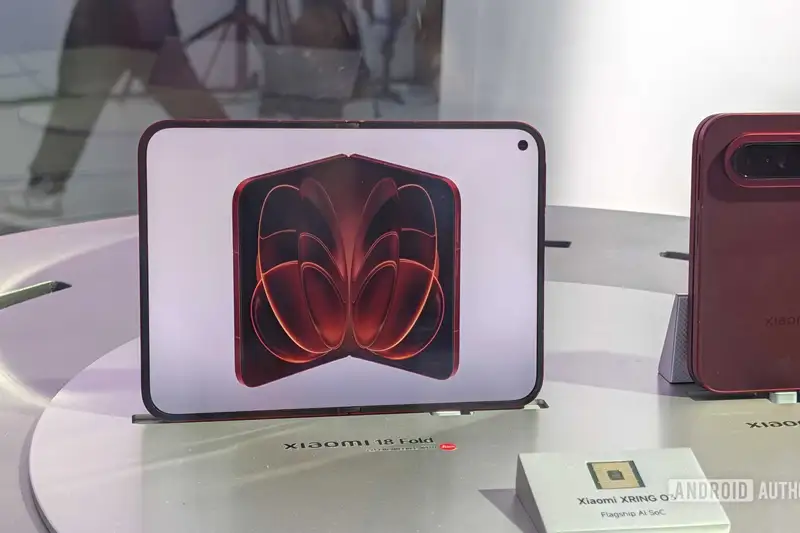
- The Xiaomi 18 Fold is the brand's most expensive smartphone ever, marking a strategic entry into the ultra-premium luxury segment.
- It features a unique foldable design, a 7.76-inch main screen, a 6.56-inch external display, and a 6,000 mAh silicon-carbon battery.
- The device integrates a proprietary XRING O3 chip, outperforming the iPhone 17 Pro Max in AnTuTu scores, showcasing Xiaomi's ambition for chip independence.
- Its launch is strategically timed before anticipated competitor events, aiming to capture media attention and establish an early market presence in the high-end foldable space.
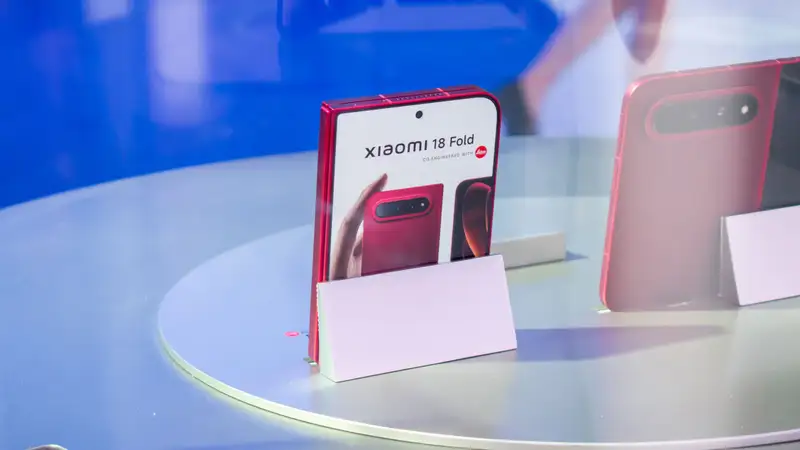
In a significant strategic pivot, Xiaomi has unveiled the 18 Fold, a smartphone poised to redefine its brand identity and challenge the established titans of the luxury mobile market. Positioned as the most expensive device in the company's history, the 18 Fold isn't just a technological showcase; it's a clear declaration of intent from a brand traditionally known for its aggressive value-for-money propositions. This move signals Xiaomi's readiness to compete head-on in the exclusive realm of ultra-premium foldable smartphones, betting on innovative design and proprietary technology to carve out a new niche.
Quick summary
- The Xiaomi 18 Fold is the brand's most expensive smartphone ever, marking a strategic entry into the ultra-premium luxury segment.
- It features a unique foldable design, a 7.76-inch main screen, a 6.56-inch external display, and a 6,000 mAh silicon-carbon battery.
- The device integrates a proprietary XRING O3 chip, outperforming the iPhone 17 Pro Max in AnTuTu scores, showcasing Xiaomi's ambition for chip independence.
- Its launch is strategically timed before anticipated competitor events, aiming to capture media attention and establish an early market presence in the high-end foldable space.
Why it matters
Xiaomi's foray into the ultra-premium smartphone segment with the 18 Fold carries substantial implications for the global mobile industry and consumers alike. For Xiaomi, it represents a crucial evolution beyond its 'budget flagship' reputation, aiming to elevate brand perception and unlock higher profit margins in a market segment dominated by Apple and Samsung. This shift could inspire other manufacturers to push boundaries in design and performance, intensifying competition and accelerating innovation in foldable technology.
For consumers, the Xiaomi 18 Fold's arrival offers a compelling new choice in the nascent, yet rapidly growing, foldable phone market. Its advanced specifications, from the cutting-edge silicon-carbon battery to the high-performance proprietary chip, promise an uncompromised premium experience. The device challenges the notion that cutting-edge technology must come solely from a handful of long-established luxury brands, potentially leading to more diverse and innovative options across different price points in the long run.
Moreover, the strategic decision to integrate a self-developed chip like the XRING O3 is a significant development. It underscores a broader industry trend among major tech companies to reduce reliance on third-party chip suppliers, seeking greater control over performance optimization, supply chain security, and proprietary feature development. This pursuit of vertical integration could reshape the competitive landscape for chip manufacturers and influence future device capabilities across the industry.
Background
Xiaomi has historically built its empire on a strategy of offering high-spec devices at aggressively competitive prices, earning it a reputation as a disruptor in various global markets. While the company has ventured into premium offerings with its 'Ultra' and 'Pro' series smartphones, these have largely been positioned as high-end alternatives within an accessible price bracket, rather than direct rivals to the likes of Apple's Pro Max models or Samsung's Ultra flagships.
The foldable smartphone segment, however, presents a different battleground. It is characterized by technological complexity, high manufacturing costs, and an expectation of premium pricing. Early entrants like Samsung have largely defined this space, with other brands gradually introducing their own interpretations. For Xiaomi, entering this segment with a device explicitly designed and priced as 'super high-end' signifies a deliberate departure from its comfort zone, reflecting years of accumulated R&D in materials science, display technology, and hinge mechanisms.
The development of foldable technology itself has been a journey marked by incremental advancements since the first commercial devices appeared. Challenges around screen durability, hinge robustness, and software optimization for varying form factors have gradually been overcome. Concurrently, the mobile industry has seen a push towards greater component independence, with companies like Apple, and increasingly Google and Samsung, developing their own system-on-chips (SoCs). Xiaomi's XRING O3 chip positions the company firmly within this trend, aiming for a deeper level of hardware-software integration and performance control, similar to its established rivals.
Adding a layer of competitive intrigue, this launch follows recent developments from industry behemoths. Notably, Apple had reportedly canceled a project for a large-format foldable screen product, rumored to be a hybrid iPad-MacBook, a strategic decision led by its new CEO, John Ternus. This backdrop highlights the inherent complexities and strategic trade-offs involved in bringing foldable technology to market, making Xiaomi's confident entry with the 18 Fold even more noteworthy.
The Ascent to Ultra-Premium: Xiaomi's New Horizon
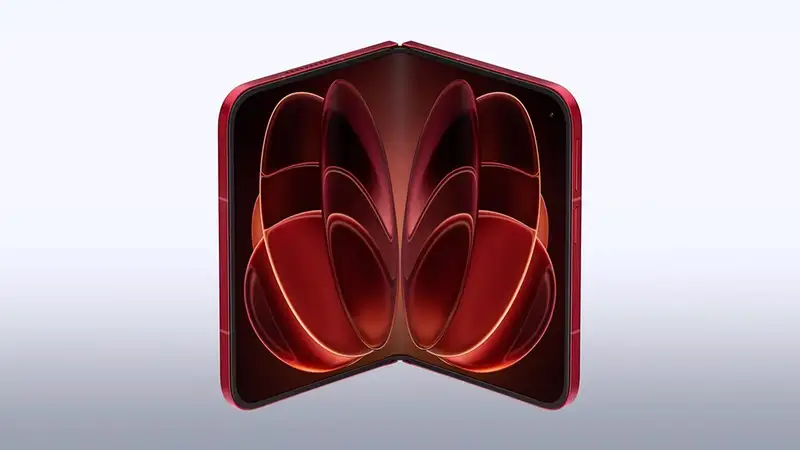
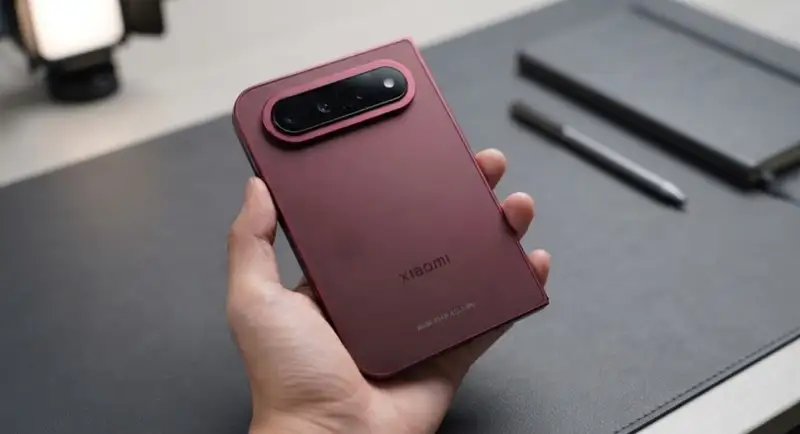
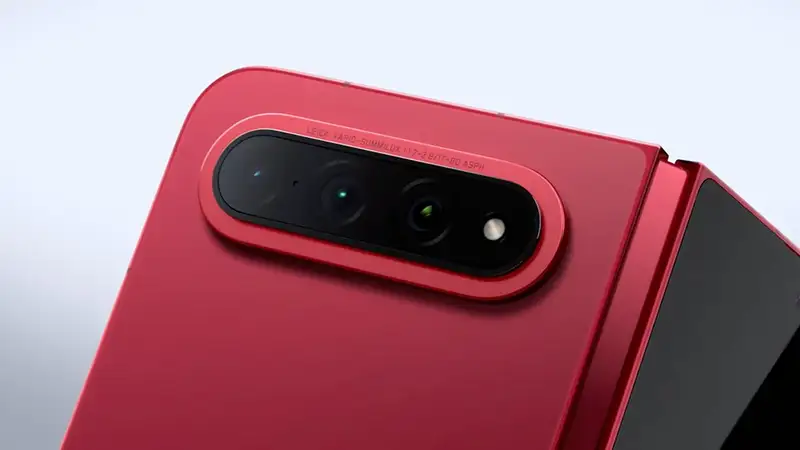
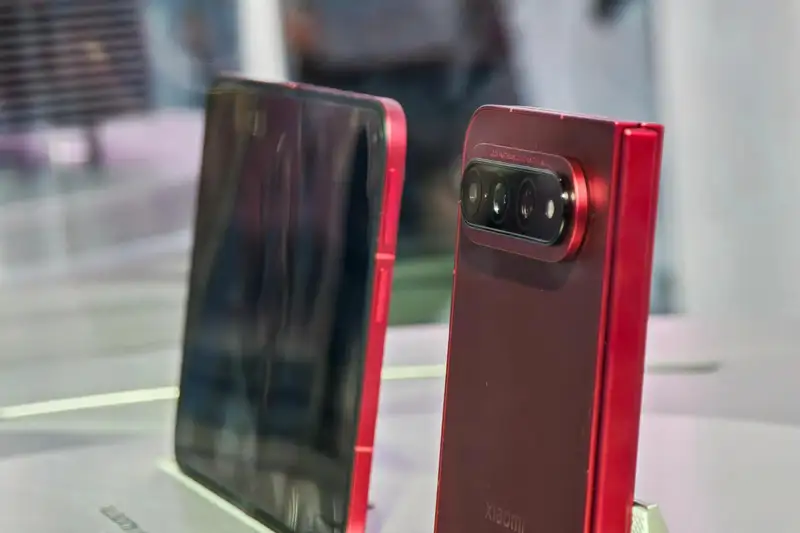
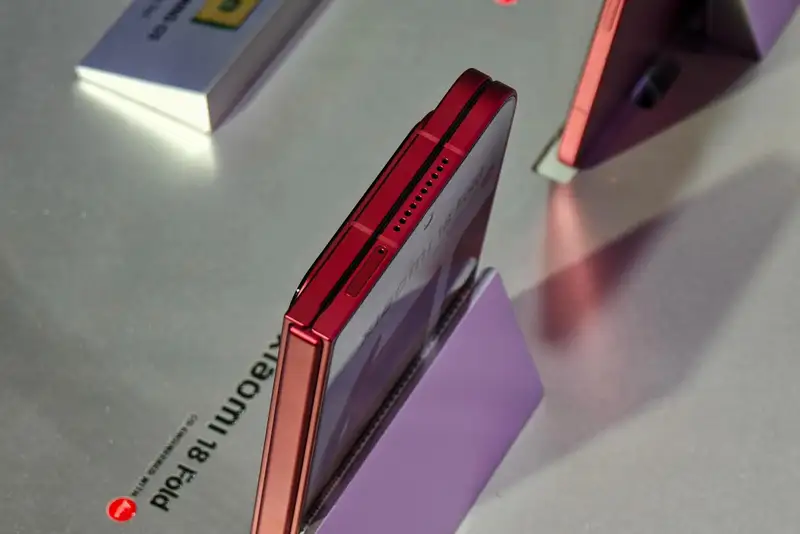
The Xiaomi 18 Fold is not merely an iterative update; it's a statement piece. Its design language eschews ostentatious flair for a minimalist aesthetic, featuring a premium alloy frame and a gently curved rear panel that exudes sophistication. This meticulous attention to material and finish underscores Xiaomi's clear intention to position the device squarely within the luxury smartphone category, where tactile experience and perceived quality are paramount. This strategic pricing at the highest echelon of its product line signals Xiaomi's ambition to directly challenge established players in the exclusive market segment.
Historically, Xiaomi has often been praised for packing cutting-edge technology into more affordable packages. With the 18 Fold, the company appears to be making a calculated risk, betting that its design prowess, combined with advanced specifications, can justify a premium price point and attract a new demographic of discerning users who prioritize innovation and exclusivity.
Redefining Display and Power
Central to the 18 Fold's appeal is its innovative display configuration. The primary folding screen measures a substantial 7.76 inches, featuring a unique 2:1 aspect ratio. This specific proportion is optimized to mimic the dimensions of a small notebook, enhancing usability for tasks such as document reading, immersive entertainment, and efficient split-screen multitasking. This design choice highlights a thoughtful consideration for productivity and content consumption, aiming to maximize the utility of the larger, flexible display.
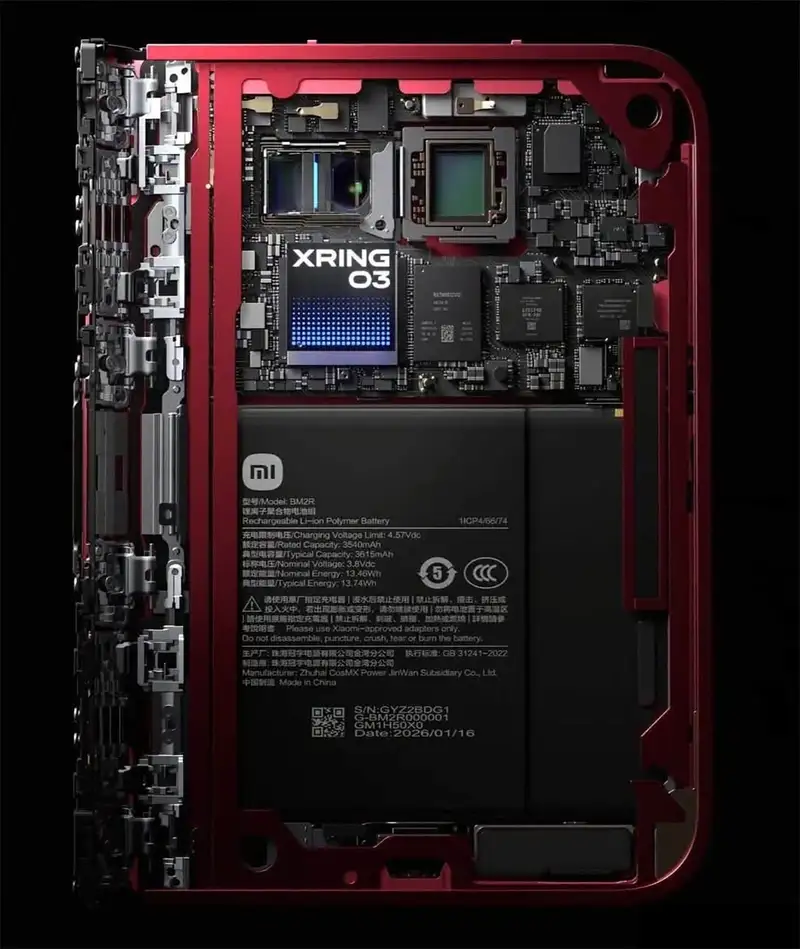
Despite its remarkably slim profile, the Xiaomi 18 Fold integrates a high-capacity 6,000 mAh battery, leveraging cutting-edge Silicon-Carbon (Si/C) technology. This advanced battery chemistry allows for greater energy density compared to traditional lithium-ion cells, enabling a larger capacity within a smaller physical footprint. Complementing this robust power source are rapid charging capabilities: 67W wired and 50W wireless, ensuring that the large, power-hungry display can be kept operational throughout the day with minimal downtime.
The external display, measuring 6.56 inches, also adopts a 2:1 aspect ratio, mirroring its internal counterpart. Its subtly curved edges are engineered for ergonomic comfort, facilitating seamless one-handed operation for common tasks like answering calls, sending messages, or quickly accessing applications without needing to unfold the device. This dual-screen approach ensures the device remains highly functional and user-friendly in both its folded and unfolded states, addressing a key challenge in foldable phone design.
Proprietary Power: The XRING O3 Chip and Camera Excellence
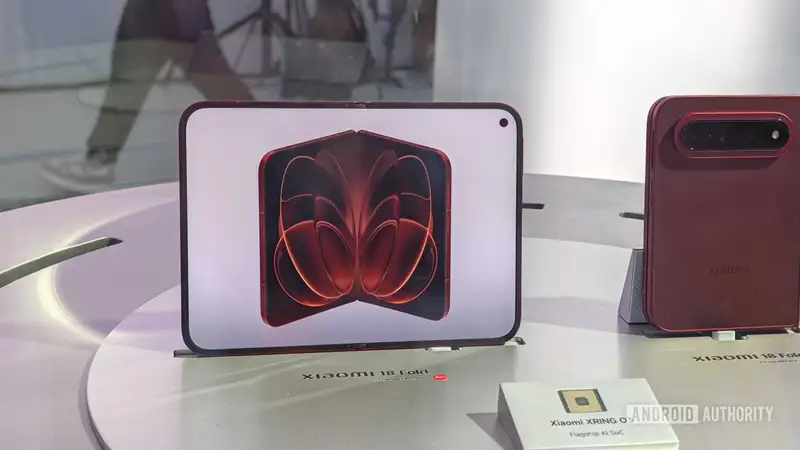
Perhaps one of the most compelling aspects of the Xiaomi 18 Fold is the inclusion of its self-developed XRING O3 (also referred to as Xuanjie O3) chip. This proprietary silicon represents a significant leap in Xiaomi's vertical integration strategy, demonstrating its capability to design high-performance processing units. Early benchmarks, particularly its AnTuTu scores, have reportedly surpassed those of the iPhone 17 Pro Max, signaling Xiaomi's serious ambition to compete at the very pinnacle of mobile performance and achieve a degree of independence from third-party chip suppliers.
The development of an in-house chip is a monumental undertaking, requiring vast investment in research and development. For Xiaomi, it's a strategic move to gain greater control over hardware-software optimization, custom features, and potentially, long-term cost efficiencies. This commitment to proprietary silicon mirrors similar strategies employed by Apple with its A-series chips and Samsung with its Exynos line, underlining the importance of tailored chipsets in differentiating high-end devices.
Beyond raw processing power, the Xiaomi 18 Fold also features a formidable 200MP Leica-branded camera system. Leica's involvement typically signifies a focus on sophisticated image processing and optical excellence, promising professional-grade photography capabilities. This high-resolution sensor, combined with advanced computational photography powered by the XRING O3 chip, aims to deliver exceptional detail and clarity, further solidifying the device's flagship credentials in an increasingly competitive mobile photography landscape.
Navigating the Competitive Tide: Xiaomi vs. the Giants
Xiaomi's decision to launch the 18 Fold immediately preceding expected announcements from major competitors, particularly Apple, is a calculated marketing maneuver. This strategic timing is designed to capture significant media attention and establish a strong narrative before the market becomes saturated with other flagship news. It reflects an aggressive approach to seizing mindshare and positioning the 18 Fold as a direct alternative to upcoming high-end devices, including any potential future foldable from Apple, despite its recent cancellation of a large-format foldable project.
The industry is in a constant state of flux, with Chinese manufacturers, including Xiaomi, consistently pushing the boundaries of technology, especially in areas like fast charging where they often surpass established brands like Apple and Samsung. This relentless pursuit of innovation, combined with ambitious pricing strategies, indicates a maturing market where brand loyalty is increasingly challenged by technological superiority and value propositions, even at the luxury end.
The reported cancellation of Apple's large foldable screen project, which aimed for a hybrid iPad-MacBook device and was a priority under new CEO John Ternus, provides an interesting counterpoint to Xiaomi's launch. While not a direct competitor to a phone-sized foldable, it highlights the technical and market challenges even for a company with Apple's resources. Xiaomi's confident entry into the premium foldable phone market, therefore, not only showcases its technological readiness but also its willingness to take risks that industry giants might momentarily shy away from.
Qnews24h insight
The Xiaomi 18 Fold marks a pivotal and inherently risky juncture for Xiaomi. While the brand has successfully expanded into premium segments before, this explicit embrace of 'luxury pricing' directly challenges its core identity as a value-driven innovator. The success of the 18 Fold will not only depend on its technical merits—which appear robust, especially with the in-house XRING O3 chip and advanced battery—but also on Xiaomi's ability to convincingly reposition its brand in the eyes of an affluent consumer base accustomed to Apple and Samsung's pedigree. This is a high-stakes gamble on brand perception, a bet that cutting-edge technology and unique design can transcend historical pricing strategies. Should it succeed, it could fundamentally alter the global pecking order in the luxury smartphone market and establish a new benchmark for what consumers expect from a premium foldable device, solidifying Xiaomi's global standing beyond just its market share numbers.
Sources
FAQ
What makes the Xiaomi 18 Fold Xiaomi's most expensive phone?
The Xiaomi 18 Fold achieves its premium price point through a combination of cutting-edge technology, luxurious materials, and advanced R&D. Key features include a unique foldable design with high-quality alloy frames, a sophisticated 7.76-inch main display, a powerful 6,000 mAh silicon-carbon battery, a 200MP Leica camera system, and particularly, the integration of Xiaomi's self-developed, high-performance XRING O3 chip. This strategic pricing reflects Xiaomi's deliberate move to compete in the ultra-premium luxury smartphone segment.
How does the XRING O3 chip impact the Xiaomi 18 Fold's performance?
The XRING O3 chip is a proprietary System-on-Chip (SoC) developed by Xiaomi, representing a significant step towards greater hardware independence. It is designed to deliver top-tier performance, with reported AnTuTu scores surpassing even the iPhone 17 Pro Max. This chip allows Xiaomi greater control over software-hardware optimization, enabling enhanced processing power, improved energy efficiency, and potentially exclusive features tailored specifically for the 18 Fold, contributing to a more seamless and powerful user experience.
What is the significance of the 6,000 mAh Silicon-Carbon battery?
The integration of a 6,000 mAh Silicon-Carbon (Si/C) battery in the Xiaomi 18 Fold is crucial for offering high capacity within a thin, foldable design. Silicon-carbon technology allows for greater energy density compared to traditional lithium-ion batteries, meaning more power can be packed into a smaller volume. This innovation enables the 18 Fold to support its large, power-intensive displays and advanced features throughout the day, while still maintaining an impressively slim form factor. Combined with 67W wired and 50W wireless fast charging, it addresses common concerns about battery life in high-end foldable devices.
Why it matters
Xiaomi's entry into the ultra-premium foldable market with the 18 Fold signifies a crucial brand repositioning from a value-driven innovator to a luxury contender. This move intensifies competition in the high-end segment, driving innovation in foldable technology and proprietary chip development. For consumers, it offers a sophisticated new alternative, challenging established market leaders and potentially diversifying premium offerings. The commitment to an in-house chip like the XRING O3 also reflects a broader industry trend towards vertical integration, impacting supply chains and future device capabilities.
Background
Xiaomi has historically disrupted the mobile market with high-spec devices at aggressive price points. While previous 'Ultra' and 'Pro' models pushed boundaries, the 18 Fold represents a definitive shift into direct competition with luxury flagships. This move is underpinned by years of R&D in foldable tech, addressing challenges like screen durability and hinge design. The context of major players like Apple pursuing — then reportedly canceling — large-format foldable projects underscores the technical complexities and strategic risks involved in this emerging market. Xiaomi's development of its XRING O3 chip also aligns with an industry-wide trend toward proprietary silicon, mirroring...
The Xiaomi 18 Fold is a high-stakes venture, strategically designed to propel Xiaomi beyond its established value-for-money identity into the exclusive realm of luxury tech. While its advanced specifications—particularly the proprietary XRING O3 chip and innovative battery—are commendable, the true test lies in whether Xiaomi can effectively alter consumer perception and compete on brand prestige with giants like Apple and Samsung. This bold pivot signifies a potential reshaping of the premium smartphone landscape, where technological prowess alone might no longer suffice; the narrative of luxury, exclusivity, and aspirational ownership will be equally critical to the 18 Fold's long-term...
References
Editorial information
The editorial team reviews sources, adds context, and structures stories so readers can understand the news more clearly.
Article from QNEWS24H
Comments
(0)No comments yet. Be the first to share your thoughts.