Xbox Shake-Up: Ninja Theory Closed, Double Fine & Others Seek Independence Amid Microsoft Layoffs

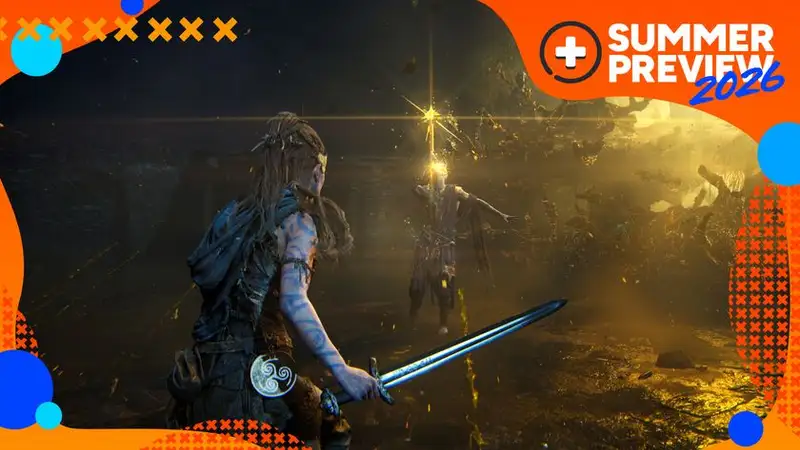
- Ninja Theory, developer of 'Hellblade,' has reportedly been closed by Microsoft, with potential for finding a new buyer for the studio.
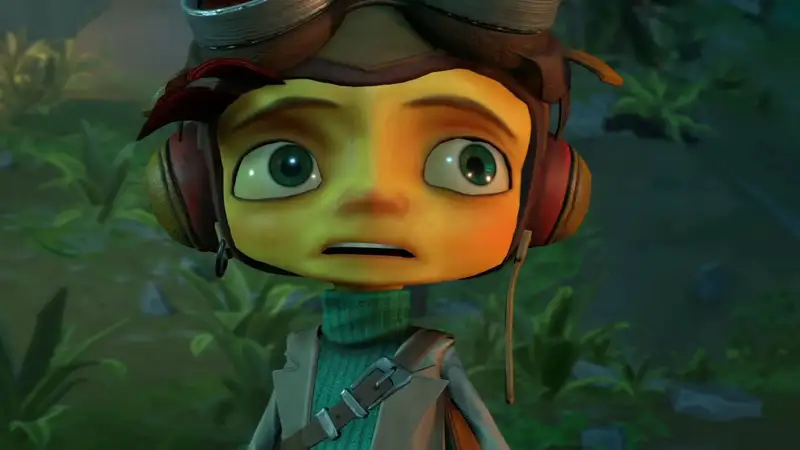
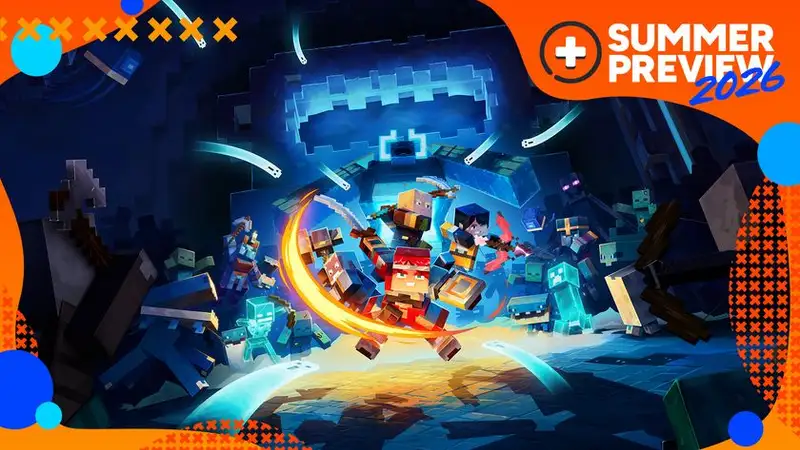
- Double Fine ('Psychonauts') and Compulsion Games ('South of Midnight') are actively negotiating to spin off from Xbox and operate independently to avoid closure.
- The restructuring is part of an 'Xbox reset' driven by a reported half-billion-dollar annual revenue decline despite significant content investments.
- Widespread layoffs are anticipated across the Xbox division in July, following prior studio closures and recent leadership changes.
A wave of apprehension is sweeping through Microsoft's Xbox division as reports indicate a sweeping restructuring plan, culminating in the closure of some beloved studios and an urgent scramble for independence among others. What was once heralded as an era of expansive growth and creative freedom for acquired studios now appears to be giving way to a stark financial recalibration, forcing developers to fight for their survival in a rapidly consolidating industry.
Quick summary

- Microsoft has reportedly finalized the closure of Ninja Theory, known for the 'Hellblade' series, with staff informed of the decision and potential for a new buyer being explored.
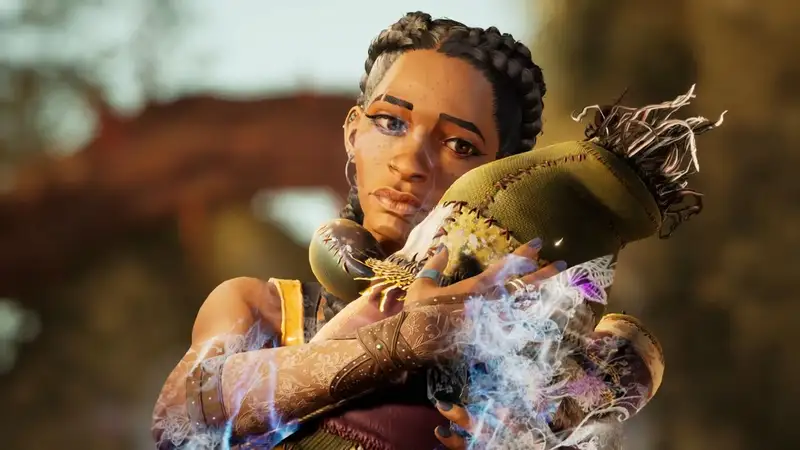
- Other Xbox-owned studios, including 'Psychonauts' developer Double Fine and 'South of Midnight' creator Compulsion Games, are reportedly in active negotiations to spin off and operate independently, aiming to avoid outright closure.
- These significant changes are part of a broader 'Xbox reset' spearheaded by new leadership, driven by a declared half-billion-dollar annual revenue decline despite over $20 billion in content investments over five years.
- Widespread layoffs are anticipated across the Xbox division in July, following previous studio closures like Tango Gameworks and the recent departure of Xbox game studios head Craig Duncan.

Why it matters
The potential closure and spin-off of prominent game studios under the Xbox banner carries profound implications for the video game industry, players, and the future of creative development. For developers, it underscores the precarious nature of even large-scale acquisitions, where the promise of stable backing can quickly turn into job insecurity and the loss of creative autonomy. The human cost of these decisions, manifesting in layoffs, affects hundreds of livelihoods and exacerbates an already volatile employment landscape within gaming.

For players, the changes could mean a significant alteration in Xbox's content pipeline and strategic direction. The closure of studios responsible for critically acclaimed titles like 'Hellblade' or the uncertain future of others can lead to unreleased projects, diminished brand loyalty, and concerns about the diversity of games available on the platform. It signals a shift away from a pure content acquisition model towards a more financially stringent approach, which may prioritize established revenue generators over experimental or niche titles that were once a hallmark of Xbox's expanded first-party portfolio.

Economically, this 'Xbox reset' could trigger further consolidation or a more cautious investment climate across the industry. When a behemoth like Microsoft questions the sustainability of its gaming investments, smaller and independent studios face even greater challenges in securing funding or retaining talent. It reflects a wider industry trend where the pursuit of growth often collides with the realities of market saturation and the high costs of AAA game development, forcing publishers to re-evaluate what makes a studio 'sustainable.'
Background
Microsoft's aggressive expansion into game development has been a defining characteristic of its Xbox strategy for the better part of a decade, particularly intensified with the launch of Xbox Game Pass. The company embarked on a high-profile acquisition spree, bringing numerous renowned studios into its first-party fold. Ninja Theory, acclaimed for its narrative-driven experiences, joined Xbox Game Studios in 2018. Double Fine Productions, known for its unique artistic vision and titles like 'Psychonauts,' was acquired in 2019. Compulsion Games, developer of 'We Happy Few,' also became part of the Xbox family in 2018.
The strategic rationale behind these acquisitions was multifaceted: to bolster Game Pass with exclusive content, foster creative diversity, and compete more effectively with rivals like Sony. However, the path has not been without its challenges. The industry has seen a troubling trend of layoffs and studio closures, with Microsoft itself making headlines earlier in 2024 by controversially shutting down Tango Gameworks, the developer of the critically lauded 'Hi-Fi Rush,' shortly after its award-winning release. Similarly, last year, Microsoft reportedly withdrew from a deal with Romero Games, forcing the studio to downsize and restructure to survive.
This history of consolidation and recent closures provides a somber prelude to the current situation. The present wave of restructuring at Xbox follows a period of intense internal evaluation. Newly appointed Xbox CEO Asha Sharma and CCO Matt Booty recently issued a joint statement advocating for an 'Xbox reset,' explicitly citing financial unsustainability. They revealed that despite investing over $20 billion in content, platform, and hardware subsidies over the past five years (excluding Activision Blizzard King), the company's annual gaming revenue had declined by nearly half a billion dollars. This stark financial reality, coupled with Microsoft CEO Satya Nadella's acknowledgement that 'there's more monetization of Xbox games happening on YouTube' than directly by the company, laid the groundwork for the drastic measures now being implemented.
Adding to the climate of uncertainty, Xbox recently lost its game studios head, Craig Duncan, who departed on June 15 after less than two years in the role. All these developments signal a pivotal moment for Microsoft's gaming division, as it grapples with its investment strategy and the long-term viability of its studio ecosystem ahead of expected heavy layoffs in July.
Qnews24h insight

The unfolding events within Xbox Game Studios represent more than just a corporate restructuring; they signify a critical re-evaluation of the 'content is king' strategy that has dominated the subscription economy, particularly in gaming. Microsoft's aggressive acquisition phase, aimed at populating Game Pass with exclusive and diverse titles, appears to have hit a financial inflection point where the cost of content creation far outstrips its direct monetization. The revelation of declining revenue despite massive investment directly challenges the notion that sheer volume of high-quality content guarantees sustainable financial returns in the long run.
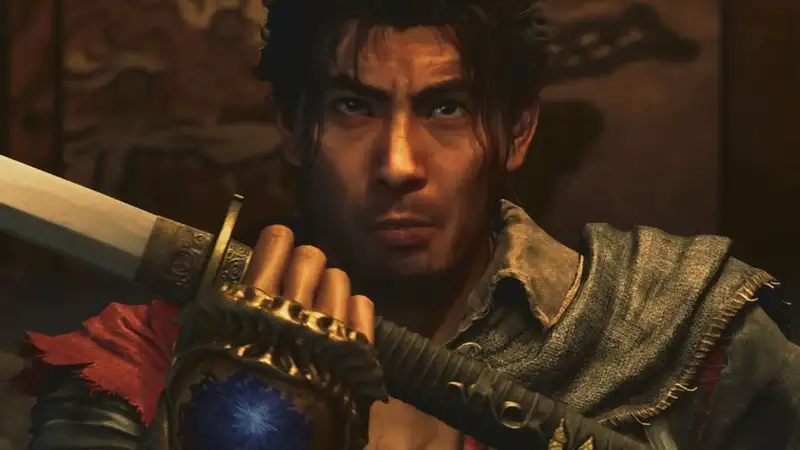
This 'Xbox reset' suggests a pivot away from a purely growth-driven, acquisition-heavy model towards a more profit-centric approach. While Game Pass undeniably drives subscriber numbers, the underlying economics of converting those subscribers into robust, recurring revenue streams—especially when comparing it to passive monetization on platforms like YouTube—are clearly under intense scrutiny. The decision to close a studio like Ninja Theory, which recently showcased a new game, or to push others towards independence, indicates a fundamental shift in how Microsoft values its internal development teams. It suggests a higher bar for financial performance and strategic alignment, rather than simply contributing to a broad content library.
Furthermore, this situation underscores the delicate balance between creative freedom and corporate oversight. Studios acquired by large publishers often anticipate greater stability and resources, but the current climate demonstrates that even under a tech giant, the pressures of the bottom line can quickly eclipse artistic aspirations. The industry may well be witnessing a necessary, albeit painful, recalibration where sustainability, not just growth, becomes the paramount objective. This could lead to fewer, but more commercially targeted, titles from first-party studios, or a resurgence of independent developers seeking alternative funding models outside the traditional publisher-owner relationship.
Sources



Xbox Studio Restructuring: Frequently Asked Questions
Which Xbox studios are reportedly affected by Microsoft's restructuring?
Ninja Theory has reportedly been closed, while Double Fine and Compulsion Games are among multiple unspecified studios reportedly negotiating to spin off and become independent entities to avoid outright closure.
Why is Microsoft undertaking these significant changes within its Xbox division?
Microsoft's new Xbox leadership cited a major financial recalibration as the primary reason. Despite investing over $20 billion in content and platforms over the past five years, annual gaming revenue has declined by nearly half a billion dollars. The company aims for an 'Xbox reset' to create a more sustainable business model.
What does this mean for the games being developed by these studios, such as Ninja Theory's Senua?
With Ninja Theory's reported closure, the future of projects like their newly revealed 'Senua' is uncertain, though the report suggests there's potential for the studio to find a new buyer. For studios seeking independence, their projects would likely continue under new, potentially more streamlined, operational structures, though layoffs are expected as they adjust to sustainable headcounts.
How does this 'Xbox reset' compare to previous actions by Microsoft in the gaming industry?
This restructuring follows previous controversial decisions, such as the closure of Tango Gameworks earlier in 2024 despite the success of 'Hi-Fi Rush,' and Microsoft backing out of a deal with Romero Games last year. These actions suggest a pattern of increasing financial scrutiny and a willingness to make difficult decisions regarding its game development investments.
Why it matters
The dramatic restructuring within Xbox signals a critical shift in Microsoft's gaming strategy, moving away from pure content acquisition towards a more financially sustainable model. This impacts the creative freedom of developers, job security across the industry, and the diversity of games available to players. It also highlights the broader economic challenges facing the video game sector, prompting questions about the long-term viability of high-cost AAA development and the subscription service model.
Background
Microsoft's aggressive strategy to bolster Xbox Game Pass through studio acquisitions (including Ninja Theory in 2018 and Double Fine in 2019) has defined its recent gaming expansion. However, this growth-focused approach has reportedly faced financial headwinds, with new Xbox leadership citing a half-billion-dollar annual revenue decline despite over $20 billion in content investments. This precedes anticipated mass layoffs in July, the recent departure of Xbox game studios head Craig Duncan, and follows earlier controversial closures like Tango Gameworks and a pulled deal with Romero Games, indicating a growing corporate emphasis on profitability over expansion.
The 'Xbox reset' reflects a hard reality check on the sustainability of an expansive, content-driven subscription model in gaming. While Game Pass has successfully attracted subscribers, Microsoft's acknowledgement of declining revenue despite immense investment, and even less direct monetization than through third-party platforms like YouTube, suggests a fundamental flaw in its current economic framework. This move isn't merely a trimming of fat; it's a strategic recalibration towards a more stringent, profit-centric approach that prioritizes immediate financial returns over long-term, perhaps less profitable, creative diversification. It indicates a tough road ahead for studios under...
References
Editorial information
The editorial team reviews sources, adds context, and structures stories so readers can understand the news more clearly.
Article from QNEWS24H
Comments
(0)No comments yet. Be the first to share your thoughts.