Why Tech Experts Are Advising Consumers to Skip Buying New Smartphones in 2026
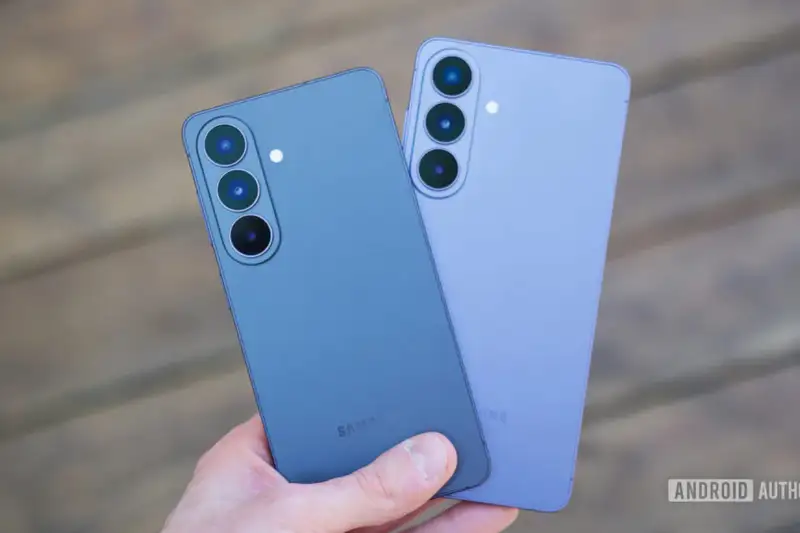
- Tech reviewers advise skipping 2026 smartphone purchases due to minimal hardware upgrades across mid-range and flagship devices.
- Six to seven years of software support from Google and Samsung extended the practical lifespan of older phones.
- Next-generation chipsets yield marginal real-world improvements for everyday apps and popular mobile games.
- Higher prices and trimmed hardware specs on newer models reduce overall value for consumers.
For years, the annual smartphone launch season delivered genuine excitement, marked by radical redesigns, dramatic camera upgrades, and noticeable speed leaps. However, 2026 is turning out to be one of the most uninspired years for mobile hardware in recent memory. Industry veteran Roydon Cerejo, who has reviewed mobile devices for over ten years at Android Authority, notes that the thrill of testing new phones has increasingly given way to frustration. What manufacturers promote as revolutionary steps forward are often minor, incremental tweaks wrapped in aggressive marketing campaigns.
Quick summary
- Minimal hardware evolution: Key 2026 releases like the Google Pixel 10a, Samsung Galaxy S26 series, and latest foldables deliver largely repetitive hardware compared to their immediate predecessors.
- Extended software lifecycles: Major brands like Google and Samsung now provide six to seven years of operating system and security updates, removing the main technical incentive to replace working hardware.
- Overpowered processors vs. actual usage: Next-generation mobile processors offer statistical benchmark boosts that yield virtually zero noticeable benefit for popular daily applications and mobile games.
- Rising costs with reduced value: Higher retail prices and stripped-back specifications, such as base storage reductions on mid-range models, mean consumers get less value per dollar spent.
Lackluster line-ups across top smartphone brands
A closer look at the key releases of 2026 reveals why consumer enthusiasm has cooled dramatically. Google's Pixel A-series historically stood out as the default recommendation for budget-conscious buyers seeking flagship-level camera performance around $500. Yet the Google Pixel 10a feels nearly indistinguishable from the Pixel 9a, offering minor hardware modifications paired with software features that could easily have been backported to earlier models.
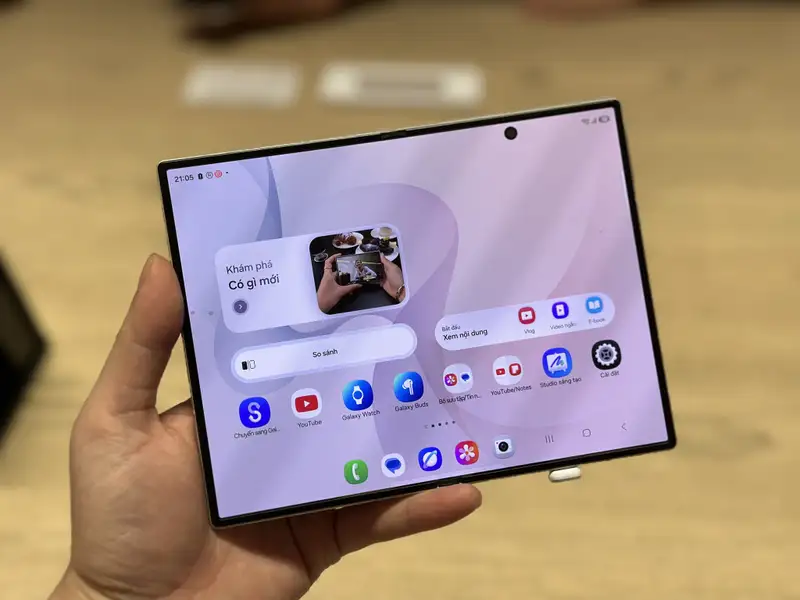
The foldable and mid-tier segments face similar headwinds. Motorola's base Razr 2026 saw a price hike despite offering reduced internal storage capacity. Meanwhile, Samsung's standard Galaxy S26 and Galaxy S26 Plus remain overshadowed by the flagship Ultra variant, while simultaneously being squeezed from below by Samsung's own Galaxy FE lineup. Even premium foldables like the Galaxy Z Flip 8 and Galaxy Z Fold 8 Ultra offer subtle evolutionary changes over prior generations while pushing retail price tags higher.
Apple and OnePlus reflect similar trends. While Apple's release cycle remains predictable, it lacks the element of surprise that once drove long release-day lines. Brands like OnePlus, which originally disrupted the market with aggressive pricing and top-tier specifications, have largely settled into conventional, risk-averse release strategies.
Why it matters
The stagnation of the annual smartphone cycle carries direct financial and practical consequences for consumers. Upgrading a device every 12 to 24 months was once necessary to maintain device speed, app compatibility, and camera quality. Today, that financial sacrifice produces negligible day-to-day advantages.
With major manufacturers guaranteeing six to seven years of official operating system and security patches, the operational lifespan of a modern smartphone has doubled compared to five years ago. Furthermore, the vast majority of widely used applications do not require cutting-edge processing power. Everyday games like Candy Crush Saga and Roblox—which consistently top app store download charts year after year—run identically on a three-year-old chipset and a flagship processor like the Snapdragon 8 Elite Gen 5.
For consumers, holding onto existing devices translates into substantial savings without sacrificing security, performance, or battery reliability, provided basic maintenance like battery replacements are performed when needed.
Background
During the early decade of modern smartphones, annual upgrades delivered tangible functional breakthroughs. Transitioning from 3G to 4G LTE, introducing high-resolution Retina displays, adding multi-lens camera systems, and implementing biometric security were meaningful steps forward. Each new generation solved clear user pain points.
Over the last several years, mobile technology hit a hardware plateau. Silicon designs reached physical and thermal constraints that yield smaller percentage gains with each node shrink. To maintain corporate earnings growth and investor expectations, hardware manufacturers relied on artificial intelligence branding, slight chassis redesigns, and subtle display brighteness increases to justify annual product announcements.
At the same time, supply chain inflation and rising component costs forced manufacturers to pass higher price tags onto end users. This dynamic created a mismatch between high device prices and low functional differentiation.
Rethinking the annual launch model
A growing sentiment among tech analysts suggests that mobile brands should adopt release schedules similar to the dedicated camera industry, where products operate on two- to four-year development cycles. A two-year flagship window would allow engineering teams to deliver genuine hardware breakthroughs rather than rush iterative products to store shelves.
Extending the cycle would also allow software developers to polish operating systems before shipping devices, avoiding the current trend of releasing unfinished software backed by promises of future feature patches. Additionally, companies could divert billions of dollars from annual marketing blitzes into core research, thermal management, and long-term battery technology innovation.
Qnews24h insight
Despite the logical arguments for shifting to a multi-year release cycle, no major smartphone manufacturer is likely to break ranks voluntarily in the current economic environment. Global consumer demand for consumer electronics has contracted, while raw component costs continue to rise. Leaving the annual release calendar risks surrendering retail shelf space, carrier promotional subsidies, and media attention to direct competitors.
Because tech giants remain locked in this commercial treadmill, the burden of decision shifts entirely to the consumer. The modern smartphone market has reached maturity, akin to personal computers a decade ago. Recognizing that your current device remains fully capable for years is not just a pragmatic choice—it is the soundest financial strategy in today's tech landscape.
Frequently Asked Questions
Should I upgrade my smartphone in 2026 if my battery life is declining?
If your device performs well but loses charge quickly, replacing the battery through an authorized service center is far more cost-effective than buying a new phone. Most battery replacements cost a fraction of a new device and restore full-day performance.
How long will my current Samsung or Google phone receive software updates?
Recent devices from Samsung (starting from the Galaxy S24 generation) and Google (starting from the Pixel 8 generation) receive seven years of official operating system and security updates from their launch date.
Is the Snapdragon 8 Elite Gen 5 processor worth upgrading for?
While benchmark tests show higher performance metrics, everyday applications, social media apps, and popular mobile titles run smoothly on processors from two to three years ago. The practical performance gap in daily usage is virtually unnoticeable.
Sources
- Original editorial analysis by Roydon Cerejo on Android Authority
- Soha.vn reporting on consumer tech upgrade trends (Source URL: https://soha.vn/la-chuyen-gia-review-10-nam-kinh-nghiem-toi-khuyen-that-long-moi-nguoi-dung-mua-dien-thoai-moi-nam-nay-198260804212058267.htm)

Why it matters
Upgrading smartphones annually or biennially yields diminishing practical benefits. With extended software support and mature hardware performance, keeping current devices saves consumers money while maintaining full functionality.
Background
Smartphone technology has reached a mature plateau after years of rapid evolution. As hardware changes become incremental and component prices rise, manufacturers struggle to offer compelling reasons for frequent upgrades.
Although a multi-year hardware release schedule would benefit product quality and consumer budgets, intense market competition and financial pressures prevent tech giants from abandoning the annual release treadmill.
References
Editorial information
The editorial team reviews sources, adds context, and structures stories so readers can understand the news more clearly.
Article from QNEWS24H
Comments
(0)No comments yet. Be the first to share your thoughts.