Why Solar Energy Is Booming Despite Wind Power Generating More Electricity

- Wind power achieves a ~50% energy conversion efficiency, compared to ~20% for solar panels.
- Solar energy adoption is booming due to lower upfront costs, easy maintenance, and rooftop suitability.
- Wind turbines generate mechanical noise and require open space, restricting them to industrial-scale projects.
- Solar power faces operational limits at night and relies on silicon and rare metals with environmental impacts.
In the global transition toward sustainable power, wind and solar energy have emerged as the primary pillars replacing traditional fossil fuels. However, a striking technical divergence defines these two clean energy technologies: while modern wind turbines convert approximately 50 percent of kinetic wind energy into usable power, solar photovoltaic panels convert only around 20 percent of solar radiation. Despite this clear gap in conversion efficiency, solar power installations are experiencing an explosive boom across global markets, reshaping energy landscapes at a pace that wind energy struggles to match on a localized scale.
Quick summary
- Modern wind turbines convert roughly 50% of available wind energy into electricity, compared to about 20% conversion efficiency for solar panels.
- Solar energy adoption is booming worldwide due to much lower initial installation costs, simple maintenance, and high accessibility for residential consumers.
- Spatial constraints and noise emissions limit wind turbines to large-scale industrial projects far from residential communities.
- Solar power faces intermittency during night and bad weather, alongside environmental considerations surrounding silicon and precious metal extraction.
Why it matters
Understanding the operational and economic trade-offs between wind and solar energy is vital for policy planners, energy investors, and homeowners alike. While wind energy provides superior baseline efficiency and massive power generation capacity per installation, its high capital cost and geographical requirements make it exclusive to utility-scale developers. Conversely, solar power democratizes energy generation. By enabling localized deployment on rooftops and small plots at a fraction of the cost, solar energy allows individual households and businesses to hedge against volatile fossil fuel prices, transforming electricity consumers into active clean energy producers.
Background
Fossil fuels have historically dominated global power grids, but their inherent price volatility and environmental burdens have driven an aggressive shift toward renewable alternatives. Both wind and solar energy offer abundant resources that emit zero greenhouse gases during operation, directly contributing to improved air quality and climate mitigation efforts. As technology matured over recent decades, the cost of generating power from both sources dropped below fossil fuel benchmarks. However, as deployment accelerated, distinct physical and logistical limitations separated the growth trajectories of the two technologies.
Efficiency vs. Adoption: The Renewable Energy Paradox
At a mechanical level, wind turbine technology remains significantly more efficient at harvesting energy than solar photovoltaic panels. Contemporary commercial wind turbines are engineered to convert up to half of the kinetic energy in wind currents into electrical energy. In contrast, standard solar panels convert approximately one-fifth of incoming sunlight into power. From a pure engineering perspective, wind power yields far higher electricity output relative to the raw natural resource captured.
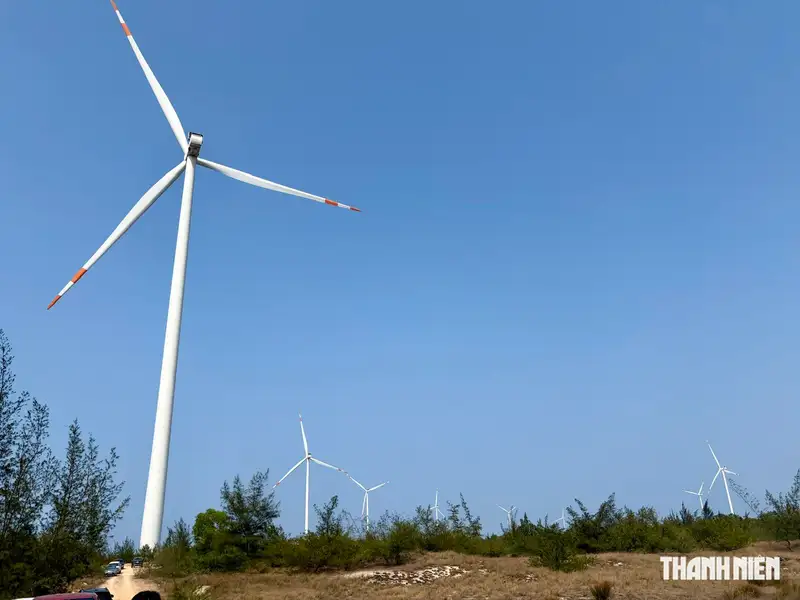
However, technical efficiency alone does not dictate market adoption. While a wind turbine captures energy continuously whenever sufficient wind blows, the system requires massive capital outlay, complex engineering, and specialized land conditions that prevent widespread decentralized use.
Siting, Noise, and Scale: Why Wind Energy Remains Industrial
The physical footprint of wind energy imposes natural boundaries on where turbines can operate. Turbines require unobstructed airspace free from tall structures, land formations, or urban interference that disrupt wind currents. Furthermore, the rotating blades and mechanical gearboxes generate persistent low-frequency sound, making installation near populated residential areas impractical and unacceptable to local communities.
Consequently, wind power development is almost entirely concentrated in industrial-scale projects—such as massive onshore wind farms in rural regions or offshore installations in coastal waters. These large-scale facilities demand substantial capital investments, extensive regulatory approvals, and long project timelines, limiting participation primarily to major utility corporations and institutional investors.
Accessibility and Cost: The Driving Forces Behind Solar Growth
Solar energy bypasses many of the spatial and acoustic limitations that constrain wind power. Solar panels operate completely silently, contain no moving parts, and can be mounted directly onto existing rooftops, commercial buildings, or underutilized land parcels. This structural flexibility allows solar energy to integrate seamlessly into both dense urban environments and remote rural communities.
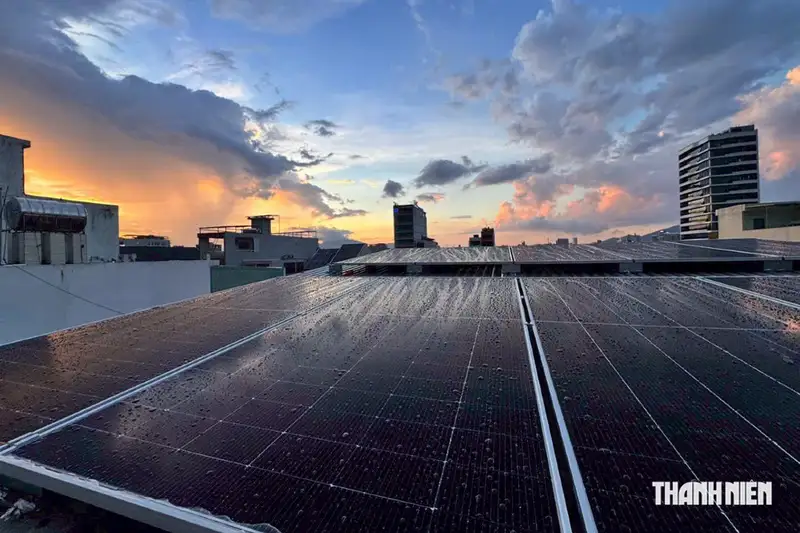
Equally decisive is the economic entry point. Installing a residential or commercial solar array costs tens or even hundreds of times less than erecting a commercial wind turbine system. Coupled with low maintenance requirements—owing to the absence of mechanical wear and tear—solar technology presents a highly accessible investment for individual homeowners, local businesses, and municipal entities seeking predictable energy costs.
Intermittency and Environmental Footprint
Despite its explosive growth, solar energy operates under clear physical constraints. Solar generation is strictly dependent on direct sunlight, meaning output drops during severe weather conditions and ceases completely during nighttime hours. Addressing this fundamental intermittency requires pairing solar systems with grid balancing strategies or energy storage solutions.
Additionally, the production cycle of solar photovoltaic systems carries environmental trade-offs. Manufacturing solar panels requires refined silicon alongside various precious and rare metals. The extraction and processing of these raw materials generate localized environmental impacts that must be managed responsibly as global manufacturing volumes expand.
Qnews24h insight
The contrasting expansion of wind and solar energy illustrates that market dominance in the energy transition is driven by financial accessibility and spatial convenience rather than raw conversion efficiency alone. Wind energy remains an indispensable heavy-duty generator for grid baseload due to its high conversion efficiency, but solar energy's low capital barrier and silent, modular nature allow it to spread across consumer markets at an unprecedented rate. Rather than viewing these technologies in competition, modern energy strategy relies on deploying industrial wind power where space and resources permit, while leveraging decentralized solar installations to engage end-users directly.
Frequently Asked Questions
Why is wind power considered more efficient than solar power?
Wind turbines convert about 50 percent of kinetic wind energy into electrical power, whereas standard solar panels convert roughly 20 percent of solar energy into electricity, giving wind a higher resource-to-power conversion efficiency.
Why is solar power growing faster in residential areas?
Solar panels operate silently, require minimal maintenance due to having no moving parts, and can be installed on existing rooftops at a fraction of the cost of building a wind turbine, making solar far more accessible to households.
What are the main drawbacks of solar energy?
Solar energy cannot generate power at night or during adverse weather conditions without direct sunlight. Furthermore, manufacturing solar panels requires silicon and precious metals, which involves environmental impact during raw material extraction.
Sources
- Original report published by Thanh Nien Newspaper.
Why it matters
The choice between wind and solar reflects a fundamental balance between centralized high-efficiency generation and decentralized, low-cost capital accessibility. While wind power serves as an efficient industrial energy workhorse, solar energy enables households and small businesses to independently generate clean power and shield themselves from volatile fossil fuel markets.
Background
Volatile fossil fuel prices and greenhouse gas emissions have accelerated the global transition toward clean, zero-emission renewable energy sources like wind and solar. Over time, technological advances reduced generation costs for both mediums, but stark differences in equipment costs, maintenance complexity, and spatial requirements created different market pathways for each source.
Energy transition success relies on matching technology features to spatial and capital realities rather than picking a single winner. Wind power remains superior for high-yield, utility-scale power generation, but solar energy's modular flexibility and affordability make it the primary vehicle for decentralized, public-driven renewable energy adoption.
References
Editorial information
The editorial team reviews sources, adds context, and structures stories so readers can understand the news more clearly.
Article from QNEWS24H
Comments
(0)No comments yet. Be the first to share your thoughts.