Why RAM Prices Are Surging to Historic Highs in 2026: The AI Memory Squeeze

- Memory prices have surged over the past 18 months, reversing decades of stable, accessible component pricing.
- The world's leading memory fabricators—Samsung, SK Hynix, and Micron—are facing massive demand from capital-rich AI enterprises.
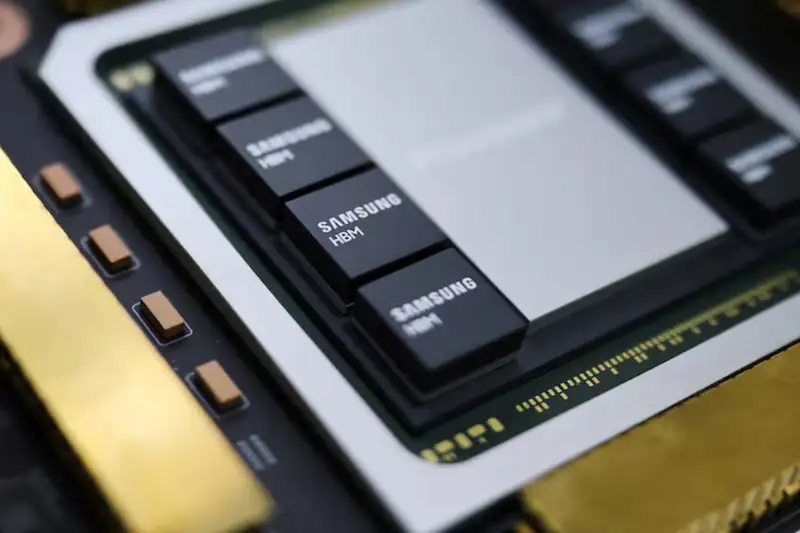
- Fabrication capacity is increasingly pivoting toward specialized High Bandwidth Memory (HBM) at the expense of standard consumer DRAM.
- Executive outlooks from SK Hynix and Micron predict tight supply conditions extending through 2027 and past 2028.
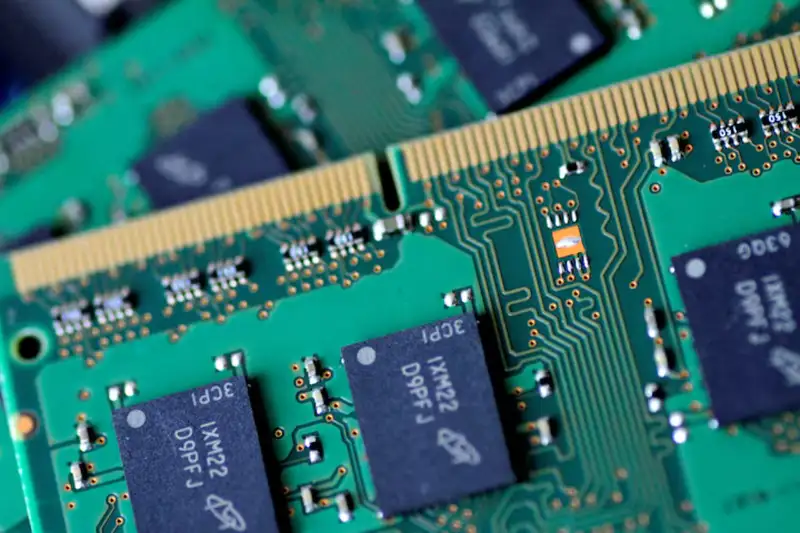
For decades, random-access memory was regarded as one of the most cost-effective and predictable components in modern computing, reliably dropping in cost per gigabyte year after year. That dynamic has abruptly reversed over the past 18 months, as an unprecedented wave of enterprise artificial intelligence spending triggers a severe global memory supply crunch. Across retail channels and commercial supply chains, memory modules are commanding record price tags, forcing device manufacturers to rethink pricing strategies for personal computers, smartphones, and enterprise hardware.
Quick summary
- Memory prices have accelerated aggressively over the past 18 months, breaking multi-decade deflationary pricing trends across the consumer electronics sector.
- The Big Three semiconductor memory fabricators—Samsung, SK Hynix, and Micron—are facing massive supply absorption from well-capitalized AI enterprises.
- Demand is aggressively pivoting manufacturing capacity toward High Bandwidth Memory (HBM) for data centers, squeezing traditional DRAM production lines.
- Industry leadership from SK Hynix and Micron warns that memory deficits will likely intensify through 2027 and persist past 2028.
Why it matters
The skyrocketing cost of memory represents far more than an inconvenience for PC enthusiasts and builders; it introduces structural inflationary pressure across the entire consumer technology ecosystem. As random-access memory (RAM) functions as the critical intermediary enabling central processing units (CPUs) to read and execute live instructions efficiently, insufficient or overpriced memory directly undermines system performance upgrades.
Hardware manufacturers are now confronted with difficult trade-offs: either absorb shrinking profit margins, downgrade base memory specifications in entry-level laptops and smartphones, or pass escalating component costs directly onto end-consumers. Furthermore, enterprise data center operators and software developers face elevated capital expenditure hurdles when scaling server clusters, potentially slowing the rollout velocity of next-generation digital services.
Background
Random-access memory has historically been a high-volume commodity market. From its nascent commercial development through the early 2000s, standard dynamic RAM (DRAM) benefited from steady advancements in lithography, high-yield wafer manufacturing, and predictable consumer device cycles. The global supply landscape gradually consolidated into an oligopoly dominated by three major semiconductor manufacturers: South Korea's Samsung Electronics and SK Hynix, alongside the United States-based Micron Technology.
These three players operate multi-billion-dollar fabrication facilities capable of producing cutting-edge silicon at scale. For the past two decades, demand patterns were relatively stable, anchored by predictable seasonal cycles in PC upgrades, enterprise server refreshes, and annual smartphone releases. However, the sudden explosion of generative AI workloads disrupted this equilibrium by introducing an insatiable demand for ultra-high-speed memory configurations, fundamentally realigning global chip production priority queues.
The Collision Between Standard DRAM and High Bandwidth Memory
To understand the current bottleneck, it is vital to examine how memory manufacturing capacity is allocated. Traditional computing platforms rely heavily on standard consumer DRAM modules to provide temporary data staging between persistent storage drives and processors. However, modern artificial intelligence models require massive throughput, giving rise to High Bandwidth Memory (HBM)—an advanced memory architecture featuring vertically stacked silicon dies that deliver unprecedented data transfer rates.
Because HBM production utilizes specialized advanced packaging techniques and occupies significant cleanroom real estate within semiconductor foundries, dedicating wafer capacity to AI-centric HBM directly diminishes the fab space available for conventional DRAM. With hyperscale technology companies and AI research labs deploying multi-billion-dollar balance sheets to secure memory contracts in advance, memory makers have adjusted their product mixes toward high-margin enterprise memory, constricting the supply pipeline for everyday electronics.
Protracted Shortages and the Long Horizon to Market Equilibrium
Restoring balance to the memory market is not a matter of simply turning on additional assembly lines. Constructing, certifying, and equipping state-of-the-art semiconductor fabrication facilities requires years of lead time and dozens of billions of dollars in capital expenditure. As a result, industry executives have offered sobering timelines regarding when relief might arrive.
Executive leadership at SK Hynix has signaled that supply tightness is poised to worsen as new AI infrastructure projects come online through 2027. Concurrently, executive guidance from Micron indicates that market shortages may not normalize until after 2028. This multi-year horizon suggests that elevated memory prices are not a transient inventory blip, but rather a prolonged realignment of computing hardware economics.
Qnews24h insight
The current memory super-cycle demonstrates how generative artificial intelligence is reorganizing semiconductor manufacturing priorities from the ground up. While past hardware cycles were driven primarily by end-user consumer appetite, the present surge is driven entirely by hyperscale enterprise infrastructure buildouts. As long as deep-pocketed tech giants prioritize AI model training and inferencing capacity at almost any price point, individual consumers and traditional IT departments must prepare for sustained component cost inflation through the late 2020s.
Frequently Asked Questions
Why has RAM become so expensive in recent months?
The primary driver is the massive expansion of artificial intelligence infrastructure. Well-funded AI companies are purchasing vast amounts of available memory supply, while chipmakers are diverting fabrication capacity toward specialized High Bandwidth Memory (HBM), creating shortages in conventional consumer DRAM.
Which companies produce the majority of the world's RAM?
The global memory supply is primarily controlled by three major manufacturers: Samsung Electronics, SK Hynix, and Micron Technology. Together, they operate the multi-billion-dollar foundries that produce the vast majority of consumer DRAM and enterprise HBM.
When are memory prices expected to stabilize?
Industry forecasts indicate that tight supply conditions will persist for several years. SK Hynix leadership expects constraints to intensify into 2027, while Micron projects that supply shortages may extend beyond 2028 before new fabrication capacity fully catches up with demand.
Sources
Reported details and executive forecasts sourced from coverage by Thanh Nien (thanhnien.vn).







Why it matters
Higher memory costs create inflationary pressure on everyday consumer electronics, forcing device manufacturers to raise prices, reduce standard hardware specifications, or compress operational margins across laptops, smartphones, and enterprise IT hardware.
Background
For nearly six decades, memory technology experienced steady price deflation and predictable consumer refresh cycles, supported by manufacturing consolidation among Samsung, SK Hynix, and Micron. The sudden emergence of generative AI computing disrupted this stability by generating enormous, immediate demand for ultra-fast, high-capacity memory architectures.
The memory crunch represents a profound structural transition in the semiconductor market: enterprise AI investments now hold higher manufacturing priority than consumer hardware, meaning baseline pricing for personal electronics will remain elevated until specialized fabrication capacity dramatically expands.
References
Editorial information
The editorial team reviews sources, adds context, and structures stories so readers can understand the news more clearly.
Article from QNEWS24H
Comments
(0)No comments yet. Be the first to share your thoughts.