Why Apple Is Raising the iPhone 18 Pro Price: The Global Memory Crunch Explained
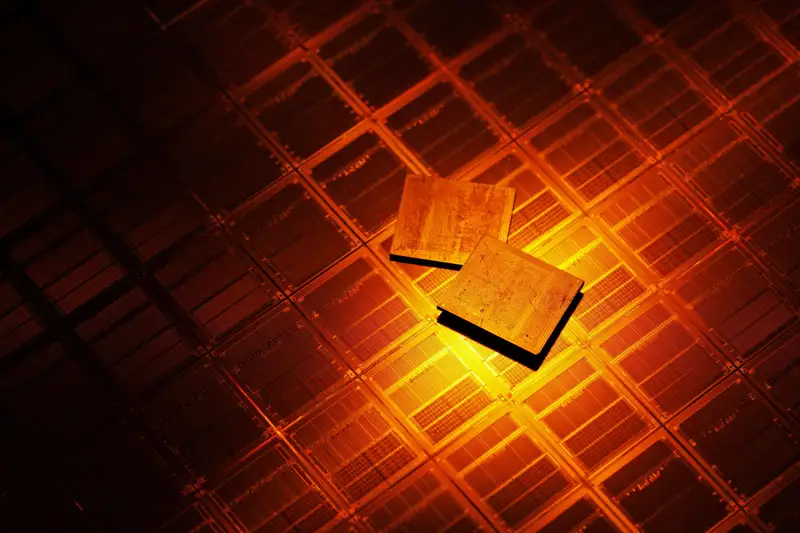
- Apple has added $100 to the starting retail price of the iPhone 18 Pro series due to ballooning memory manufacturing costs.
- The global memory shortage is driven by semiconductor makers prioritizing high-margin HBM for AI data centers over standard smartphone DRAM.
- Industry analysts project memory supply constraints will linger through at least late 2027 or 2028, establishing an elevated cost baseline across consumer hardware.
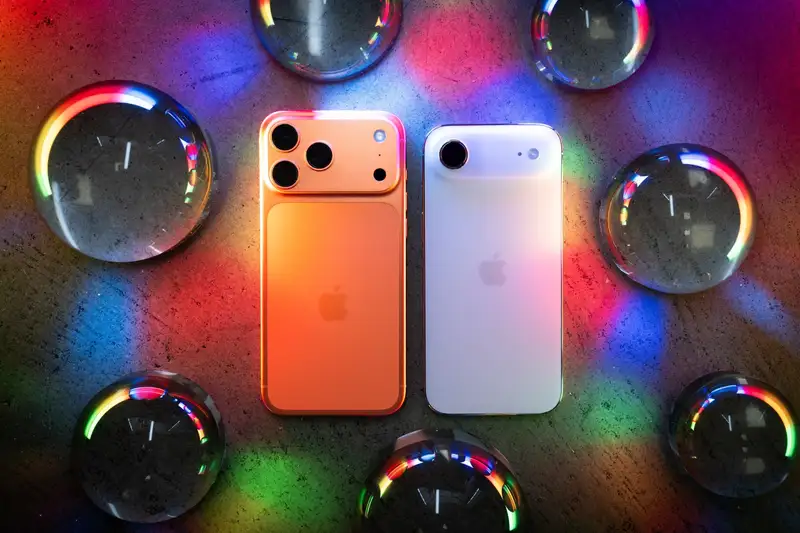
When Apple adjustments hit its premier smartphone lineup, the shockwaves resonate throughout consumer tech. The Cupertino tech giant has raised the base price of the iPhone 18 Pro lineup by $100 compared to its predecessor—an increase translating to roughly 4 million VND in markets such as Vietnam. For a corporation renowned for its unmatched operational leverage and ruthless supply-chain discipline, this retail increase is the clearest indicator yet that the escalating memory semiconductor shortage is fundamentally altering the economics of consumer hardware.
Quick summary
- Apple raised retail prices across the iPhone 18 Pro lineup by $100 amid sharp increases in memory procurement costs.
- Surging demand for High Bandwidth Memory (HBM) by AI hyperscalers has prompted chipmakers to shift fab capacity away from standard smartphone DRAM.
- Smartphone DRAM contract pricing jumped 56% in Q1 and 83% in Q2, boosting operating margins at memory titans to near-record highs.
- Market analysts forecast the memory deficit could persist through 2028 or even 2030 as multibillion-dollar fab expansions take years to come online.
Why it matters
For decades, personal computing and smartphone development rode on an uninterrupted economic trend: memory components became progressively cheaper while density doubled, letting manufacturers deliver faster devices at steady price points. The ongoing crisis has effectively upended that historical pattern. With average component pricing settling into what analysts describe as an expensive 'new normal,' premium hardware buyers must brace for broader inflation across mobile devices, tablets, and personal computers.
The impact extends far beyond Apple's ecosystem. Competitors operating on thinner gross margins face an even tighter squeeze. Where tech titans cannot absorb elevated silicon costs, consumers bear the brunt through higher shelf prices, reduced entry-level storage configurations, or slower generational feature upgrades across the consumer tech landscape.
Background
The roots of the supply crunch precede the generative artificial intelligence boom. During the pandemic demand surge of 2021, semiconductor manufacturers warned that incremental technological refinements—such as vertical die-stacking on single silicon wafers—were yielding diminishing returns and could no longer keep pace with global requirements without substantial fab expansion.
However, when post-pandemic consumer spending contracted, a brutal inventory glut hit memory fabricators. Plunging prices and severe corporate losses prompted key producers to mothball capital expenditure and postpone new facility construction. When AI infrastructure demand suddenly ignited, the supply base was caught underprepared, with production networks operating on reduced capacity.
The Battle for Silicon Wafers: HBM vs. Smartphone DRAM
Today, the global memory sector remains heavily consolidated. Counterpoint Research data shows three companies dominate the worldwide market: Samsung controls 39%, followed by SK Hynix at 26%, and Micron at 25%. While everyday smartphones and laptops rely on conventional DRAM for transient task execution and NAND flash for long-term file storage, the data centers powering AI models depend on High Bandwidth Memory (HBM).
HBM vertically stacks multiple DRAM dies directly onto processing units to handle colossal compute workloads. While intricate to produce, HBM commands exceptional pricing and lucrative margins. Cloud infrastructure operators like Microsoft, Meta, AMD, and Nvidia have signed massive multi-year contracts, encouraging memory fabricators to redirect wafer lines toward HBM rather than gamble on consumer device demand cycles.
Compounding the problem, modern mobile devices are also attempting to run compact AI models on-device. This architectural shift requires higher-density, high-speed mobile DRAM within each handset, creating simultaneous demand pressure at both ends of the computing spectrum.
Financial Windfalls and Escalating Component Bills
The pivot toward AI-dedicated memory has triggered financial windfalls for major chipmakers. In recent quarterly earnings, SK Hynix posted a record operating margin of 76%, Micron reported an adjusted gross margin of 85%, and Samsung's semiconductor division saw operating profits surge by 250 times compared to the prior year.
These profits have come directly at the expense of consumer hardware balance sheets. Counterpoint Research reports that smartphone DRAM prices spiked 56% in the first quarter and an additional 83% in the second quarter. Hardware makers that previously absorbed incremental supplier price increases are finding it impossible to buffer against such aggressive cost escalations.
The Long Road to New Production Capacity
Resolving this imbalance requires massive physical manufacturing infrastructure, which cannot be deployed overnight. Micron has broken ground on an expansive manufacturing complex in New York, spanning roughly 140 to 185 hectares—the equivalent of 350 football pitches—with cleanroom space covering 22.3 hectares.
Even with expedited schedules, Micron will only initiate facility testing for electrical, water, and ventilation systems toward the close of 2028. Silicon fabrication equipment installations and test runs are slated for 2029, with high-volume commercial production pushed out to 2030. In South Korea, Samsung and SK Hynix plan an estimated $588 billion capital deployment across four new factories, alongside SK Hynix's 600 trillion won investment into the Yongin semiconductor cluster. Despite these astronomical budgets, supply equilibrium remains distant.
Independent research firms Counterpoint and IDC estimate that market supply will likely not stabilize before late 2027 or early 2028. Meanwhile, Chinese fabricator CXMT has made domestic strides, and Apple has reportedly evaluated its chips. Nevertheless, technological parity with the leading trio remains incomplete, and any commercial deployment requires regulatory navigation in Washington.
Broad Price Hikes Across the Hardware Landscape
Apple is far from the lone tech firm forced to adjust pricing. Across the enterprise and gaming sectors, manufacturers have reacted to component inflation by adjusting MSRPs:
- Microsoft instituted price increases of $100 to $150 on Xbox gaming consoles, while specific Surface Pro configurations climbed by as much as $500.
- Meta raised the retail price of its Quest 3 virtual reality headset by $100.
- Apple enacted targeted adjustments on selected Mac and iPad models prior to incorporating the $100 price hike on the iPhone 18 Pro series.
Qnews24h insight
Apple's move to raise prices on its flagship Pro series marks an important strategic pivot. For multiple generations, the company preferred to maintain headline pricing on base tiers while extracting higher average selling prices via storage upsells and trade-in incentives. By officially lifting the entry price point of the iPhone 18 Pro, Apple is acknowledging that memory component inflation is no longer a temporary fluctuation, but a durable cost reset.
While Apple retains strong consumer loyalty and superior supply contracts, smaller handset makers operating in competitive mid-tier Android segments will face starker dilemmas. If memory prices settle at a baseline nearly three times higher than 2025 levels, the broader industry will either have to trim hardware specifications or abandon aggressive pricing models altogether.
Sources
This report incorporates market data, executive statements, and reporting originally compiled by Znews.vn (tech.zingnews.vn), with references to analysis from Counterpoint Research, IDC, AlphaSense, Bloomberg, and The Verge.
Frequently Asked Questions





Why it matters
The $100 retail hike on the iPhone 18 Pro breaks a multi-decade trend of steady memory price deflation, signalling that the AI infrastructure boom is directly inflating consumer gadget costs.
Background
Memory fabricators cut production following a post-pandemic demand drop; when artificial intelligence computing exploded shortly after, fab capacity was quickly captured by profitable HBM, starving consumer DRAM supplies.
Apple's willingness to lift flagship retail pricing underscores that memory inflation is structural rather than cyclical, leaving smaller hardware manufacturers with little choice but to raise prices or downgrade specs.
References
Editorial information
The editorial team reviews sources, adds context, and structures stories so readers can understand the news more clearly.
Article from QNEWS24H
Comments
(0)No comments yet. Be the first to share your thoughts.