Why Clean Clothes Smell Bad After Tumble Drying: Causes and Simple Fixes
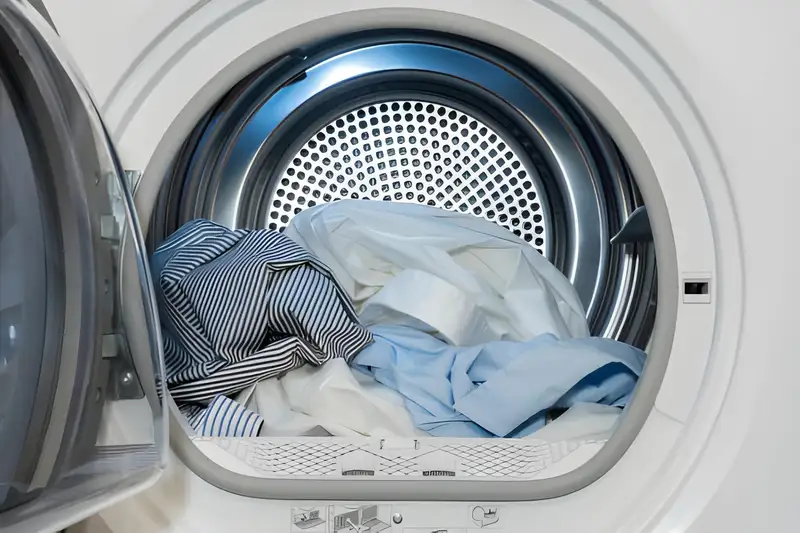
- Foul laundry odors after tumble drying are typically caused by trapped lint, blocked exhaust ducts, or stagnant reservoir water rather than detergent problems.
- Airflow restriction forces machines to retain humidity inside the drum, leaving garments damp and prone to stale, musty smells.
- Cleaning the lint trap after every load and leaving the door ajar allows residual moisture to escape, preventing odor buildup.
- Optimizing spin cycles before drying and selecting appropriate cycle programs shortens run times and lowers household power consumption.
Pulling warm laundry out of the tumble dryer only to be greeted by a sour, musty odor is a frustrating reality for many households, especially during persistent rainy seasons and humid weather when outdoor drying is impossible. While most people instinctively blame their detergent or fabric softener, appliance specialists and energy authorities point out that the culprit almost always resides inside the machine itself. Trapped lint, stagnant moisture in vent ducts, and overlooked water collection tanks create a breeding ground for stale odors that cling directly to fabric fibers during drying cycles.
Quick summary
- Unpleasant smells on dried garments usually result from accumulated lint, restricted airflow, or residual condensation inside the appliance rather than poor washing detergent.
- Ventilation blockages in vented dryers and unemptied water reservoirs in condenser models trap humid air, preventing garments from drying in a clean, fresh environment.
- Simple operational adjustments—such as cleaning lint filters after every cycle, leaving the machine door ajar, and spinning clothes thoroughly prior to drying—significantly boost performance and eliminate odors.
- Routine dryer maintenance not only keeps clothing fresh but also shortens running times, lowering household electricity consumption.
Why it matters
For modern urban households, clothes dryers have transitioned from luxury convenience appliances to essential daily equipment, especially in regions facing seasonal high humidity, prolonged monsoon rains, or heavy urban pollution. When a dryer functions sub-optimally, the consequence extends beyond damp, unpleasant-smelling garments; it directly escalates utility costs and shortens the lifespan of home appliances.
A dryer struggling against restricted airflow or excess moisture must run significantly longer heating cycles to dry the same volume of laundry. According to energy efficiency guidance developed by industrial and electrical authorities, clogged filters and blocked exhausts force heating elements and blower motors to work under excessive load, steadily driving up monthly electric bills while creating potential safety hazards.
Background
Modern household clothes dryers operate primarily through three distinct mechanisms: vented, condenser, and heat pump systems. In vented models, moist air generated from heated clothes is expelled outdoors through an exhaust duct. In condenser and heat pump units, airborne moisture is condensed into liquid form and collected in an internal reservoir or drained away.
As urban living spaces became more compact, reliance on indoor tumble drying surged. However, user awareness regarding appliance maintenance has not kept pace with adoption rates. Guidance compiled in energy-saving handbooks published by industrial ministries and utility groups like Vietnam Electricity (EVN) highlights that poor appliance care remains one of the most common reasons households report declining performance and lingering smells in their laundry.
Key Culprits Behind Foul Dryer Odors
1. The Choked Lint Screen and Airway
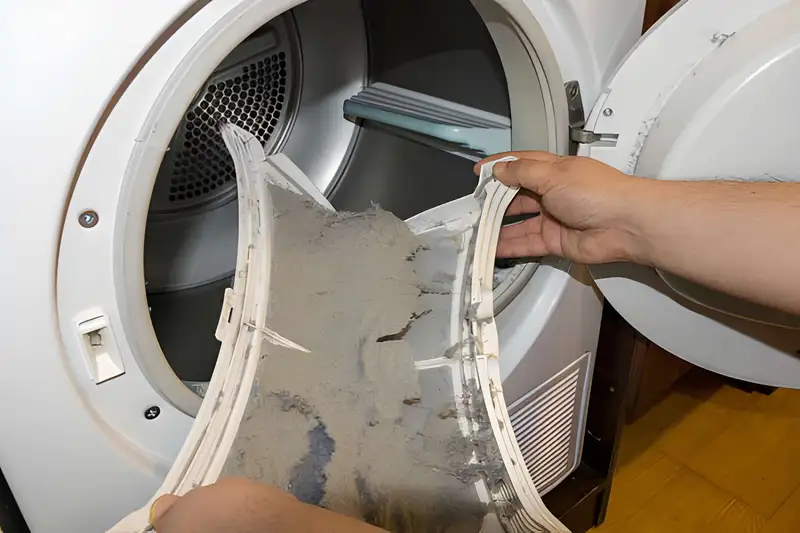
During every drying cycle, tumbling friction detaches microfibers, pet fur, and fine debris from clothing. While the lint trap captures a substantial portion of these particles, a dense layer of felt-like buildup rapidly forms over the screen. When left uncleaned, this layer severely restricts airflow throughout the drum.
Without continuous air circulation, hot, moist air stagnates within the drum chamber instead of being evacuated. The lingering damp fibers inside the lint housing absorb humidity, creating a damp environment that releases a distinct sour smell onto subsequent laundry loads.
2. Blocked Exhaust Ducts in Vented Dryers
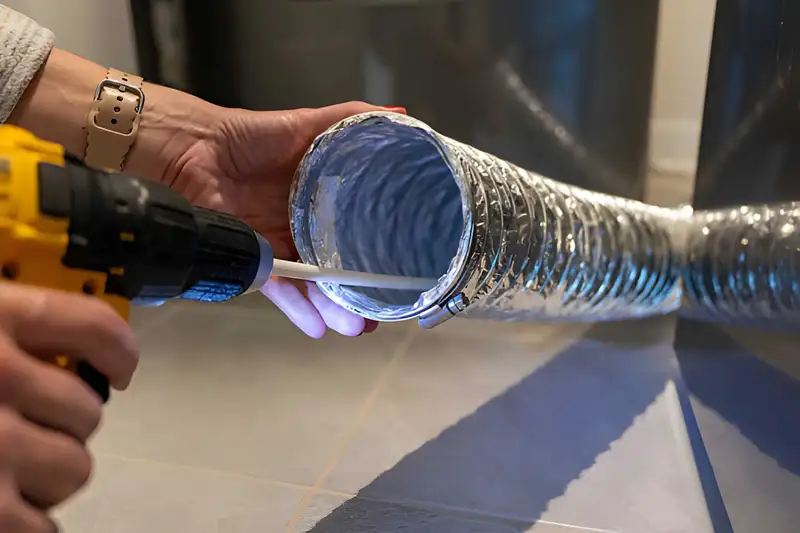
Vented dryers depend entirely on an unobstructed exhaust hose to vent humid air outside the home. Over months of routine operation, stray lint bypasses the primary screen and accumulates inside the bends and ridges of the duct pipe. When the duct is restricted or bent, moisture gets trapped in the exhaust channel, backing up humid, stale air into the tumbling chamber.
3. Stagnant Water in Condenser Reservoirs
Condenser dryers collect extracted water in an internal holding tank. If homeowners neglect to empty this tray promptly after cycles, the pooled water remains enclosed within a warm machine housing. Over time, standing water develops stagnant microbial odors that circulate through the internal air loop during subsequent drying runs.
4. Residual Drum Humidity and Closed Doors
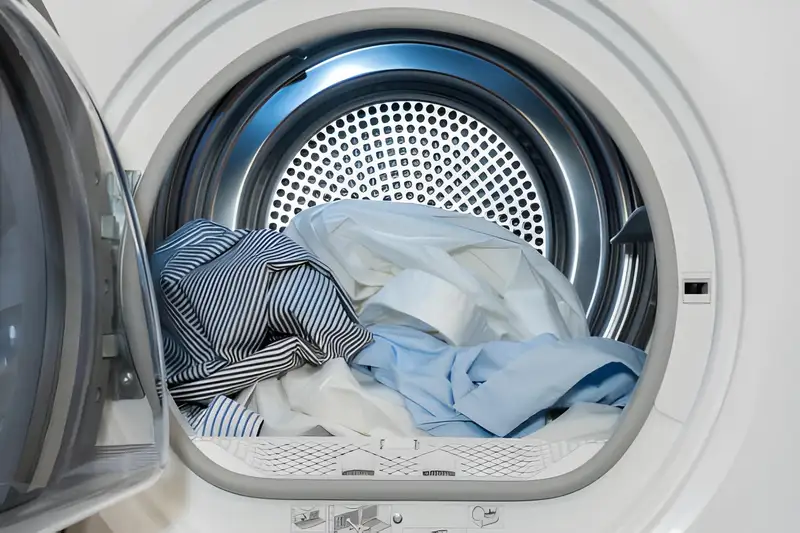
A common post-laundry habit is removing dry clothes and immediately sealing the dryer door shut. Sealing the drum traps residual heat and ambient moisture inside a dark, airtight enclosure. This trapped humidity condenses against the drum walls and rubber seals, setting the stage for mildew aromas that transfer to the next batch of wet clothes.
Practical Steps to Keep Your Dryer and Clothes Fresh
Restoring clean, fresh-smelling laundry requires establishing straightforward maintenance routines:
- Clear the lint filter after every single cycle: Do not wait for the screen to become completely choked. Removing lint before each load ensures maximum airflow and prevents trapped moisture.
- Leave the dryer door open post-cycle: Keep the door slightly ajar for at least 30 to 60 minutes after unloading to let residual steam dissipate naturally and ensure the drum stays bone-dry.
- Empty and rinse condenser water trays: For non-vented models, drain the reservoir immediately after each cycle and occasionally wipe down the condenser heat exchanger unit.
- Inspect and clear exterior exhaust ducts: Vented systems should have their ducts checked at least twice a year to remove compressed lint clogs and verify unhindered outdoor exhaust.
- Maximize washing machine spin speeds: Ensure clothes undergo a high-speed spin cycle in the washing machine before moving them to the dryer. Removing excess water reduces drying duration, minimizing the total moisture the dryer needs to process.
- Select dedicated cycle settings: Match cycle programs to fabric weights. Overdrying delicate synthetic garments or under-drying heavy cottons both contribute to poor drum environments and unnecessary electrical draw.
Qnews24h insight
The issue of smelly laundry pulled from tumble dryers represents a broader consumer tendency: treating automated household appliances as zero-maintenance black boxes. While manufacturers design modern dryers to operate seamlessly with one-touch controls, thermodynamic machines inherently require active airflow management and moisture removal to maintain hygiene.
As utility companies and energy regulators worldwide emphasize household efficiency, understanding that basic maintenance directly impacts energy consumption is vital. A clean dryer operates faster, consumes fewer kilowatt-hours, preserves fabric integrity, and delivers truly fresh laundry every time.
Sources
Information adapted from consumer appliance maintenance advisories and the Energy Conservation Handbook published by the Ministry of Industry and Trade (MOIT) in collaboration with Vietnam Electricity (EVN), Hanoi University of Science and Technology, and National University of Civil Engineering.


Why it matters
Proper dryer maintenance directly resolves persistent laundry odors, protects clothing fabrics, reduces fire risks associated with lint accumulation, and lowers monthly household electric bills by shortening drying cycles.
Background
As urban apartments increasingly rely on tumble dryers during wet and humid seasons, improper care of lint traps, condensation tanks, and ventilation pipes has led to common complaints of musty clothing, prompting energy and appliance authorities to issue maintenance guidelines.
Consumers often focus entirely on detergents when laundry smells off, neglecting appliance hygiene. Maintaining unrestricted airflow and dryness inside tumble dryers is an essential operational habit that safeguards both personal hygiene and energy efficiency.
References
Editorial information
The editorial team reviews sources, adds context, and structures stories so readers can understand the news more clearly.
Article from QNEWS24H
Comments
(0)No comments yet. Be the first to share your thoughts.