When Should You Invest in Solar Battery Storage? A Complete Guide to ROI and System Sizing

- Solar storage batteries bridge the timing gap between peak daytime generation and peak evening consumption.
- Total installation costs involve inverters, battery management systems (BMS), safety equipment, and skilled labor.
- Proper battery sizing requires matching daily surplus daytime power output with night energy consumption to avoid paying for unused capacity.
- Standard grid-tied solar systems shut down during power outages unless explicitly configured with backup power switchgear.
On a clear afternoon around 2:00 PM, rooftop solar panels typically hit their maximum generation potential, churning out an abundance of clean electricity. For many working households, however, the house stands empty during these peak hours, leaving the generated energy largely underutilized or redirected back into the local power grid. Fast forward to 7:00 PM: family members return home, powering on air conditioners, televisions, and induction cooktops. Because solar panels produce no electricity after dark, the household is forced to purchase power from the grid at standard or peak rates.
Quick summary
- Solar battery storage systems capture excess daytime solar power for evening use, solving the fundamental timing mismatch between peak energy generation and peak home consumption.
- Total installation expenses extend far beyond the battery unit itself, encompassing hybrid inverters, battery management systems, safety switchgear, and skilled installation labor.
- Correct capacity sizing depends on the exact overlap between daily surplus energy exported to the grid and electricity purchased after sunset, preventing costly over-investment.
- Standard grid-tied solar systems automatically shut down during utility blackouts for safety unless engineered with a dedicated emergency backup operation mode.
Why it matters
Investing in a residential energy storage system represents a major capital outlay, often running into thousands of dollars or tens of millions of Vietnamese dong. For homeowners seeking to lower monthly utility bills, purchasing a storage battery without a detailed energy audit can lead to poor financial returns. Furthermore, misunderstanding how battery systems operate during power outages can leave households without power when they need it most. Clear evaluation criteria allow consumers to determine whether battery storage delivers tangible economic efficiency or serves as an unnecessary expense.
Background
Rooftop photovoltaic systems have evolved from an niche green technology into a mainstream utility cost-management strategy. Historically, home solar setups relied heavily on net-metering programs, allowing owners to sell surplus daytime electricity back to the grid and offset night consumption. As utility grid policies shift, feed-in tariffs decline, and grid stability challenges emerge, localized battery storage has moved to the center of the renewable energy conversation. Modern lithium-based home batteries offer longer lifecycles and higher efficiency than legacy options, yet capital costs remain a primary threshold for widespread consumer adoption.
The Core Mismatch: Why Energy Storage Becomes Necessary
The primary driver behind residential battery adoption is the temporal imbalance between energy supply and energy demand. Solar panels generate power strictly during daylight hours, reaching maximum output during midday when ambient sunlight is strongest. Conversely, residential electricity demand generally peaks early in the morning and during the evening hours.
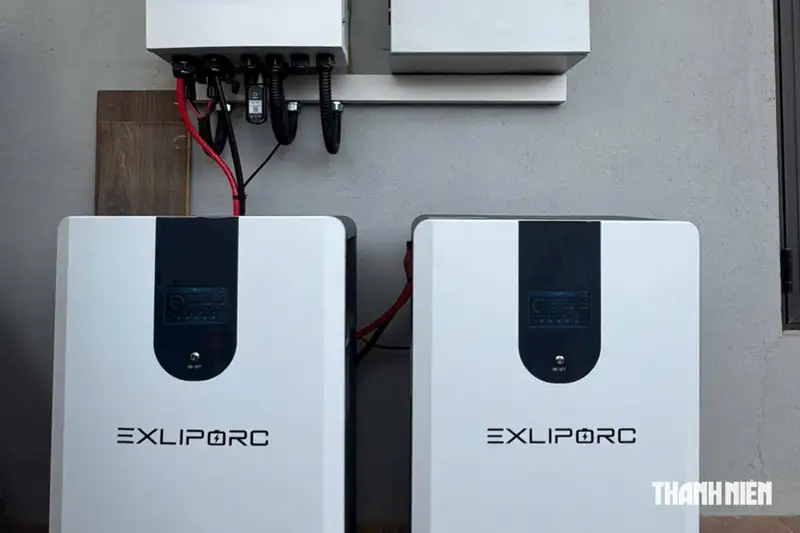
Many households invest substantial capital into battery storage to maximize self-consumption from rooftop solar panels. Photo: K. Van
Without a storage solution, surplus electricity generated at midday flows back into the primary electrical grid. Depending on local utility policies, grid buyback rates may be lower than retail purchasing rates, or unutilized power may yield zero financial return. When evening arrives and household electricity demand surges, homeowners must purchase utility power at full price. An energy storage system bridges this gap by capturing surplus daytime kilowatt-hours and retaining them for evening consumption.
Total Cost Breakdown: Beyond the Price of the Battery Unit
A common misconception among homeowners is assuming that the cost of energy storage is limited to purchasing the battery unit itself. In practice, integrating energy storage into a home electrical setup requires a comprehensive balance of system components, which significantly increases total capital expenditure.
Key cost factors required for a fully operational storage system include:
- Power Inverters: Standard grid-tied inverters cannot manage battery charging and discharging. Homeowners must invest in specialized hybrid or storage-ready inverters.
- Battery Management Systems (BMS): Essential software and hardware that monitor cell voltage, regulate temperature, and protect against overcharging or deep discharge.
- Electrical Protection and Switchgear: Fuses, circuit breakers, surge protection devices, and automated transfer switches necessary for safe operation.
- Installation and Labor: Professional engineering, electrical wiring, mounting, and compliance testing performed by certified technicians.
These combined technical components mean that total upfront installation costs can substantially exceed the standalone hardware tag of the battery cells.
Sizing Your Battery: Avoiding the Pitfall of Oversizing
Selecting the appropriate battery capacity is one of the most critical steps in planning a solar energy investment. Bigger is not inherently better when it comes to battery capacity. Purchasing a 15 kWh battery when a household only generates 4 kWh of surplus daytime solar electricity leads to paying for unused capacity that yields zero financial return.
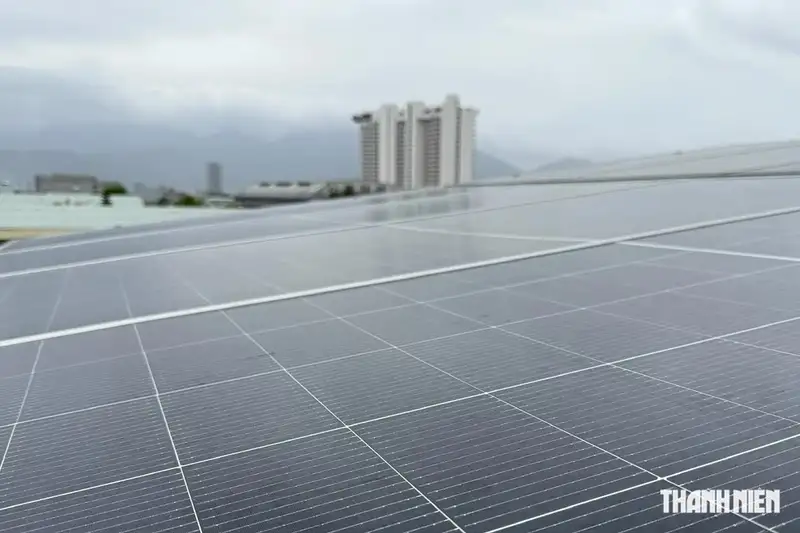
Selecting battery capacity requires analyzing daily surplus solar generation against night power demand. Photo: K. Van
To calculate the ideal battery size, homeowners must analyze two specific metrics:
- Daily Surplus Export: The average volume of solar electricity exported to the grid during peak generation hours after meeting immediate daytime household demand.
- Evening Power Consumption: The total kilowatt-hours used from sunset until solar generation resumes the following morning.
The optimal battery capacity lies at the intersection of these two values. If evening consumption is 6 kWh but daily surplus solar is only 4 kWh, a 4 kWh usable capacity battery is sufficient. Sizing beyond actual daily surplus results in stranded asset capacity.
The Outage Fallacy: Grid-Tied vs. Backup-Enabled Systems
Many consumers purchase solar storage under the assumption that a battery automatically guarantees continuous electricity during a neighborhood power outage. However, standard grid-tied solar inverters are equipped with mandatory anti-islanding safety features that instantly shut down the entire photovoltaic system when the main utility grid loses power.
This automatic shutdown protects utility line workers from dangerous electrical backfeed while repairing power lines. To operate during a blackout, a battery storage system must be specifically engineered with off-grid isolation and backup power capability. This requires additional transfer switches and designated critical load panels, adding complexity and cost to the installation.
Evaluating Your Household Profile: Is Storage Right for You?
Determining whether to invest in battery storage comes down to a clear analysis of daily routine and energy consumption behavior.
Scenario A: High Daytime Occupancy
If household members work from home, run air conditioning throughout the day, or operate heavy electrical appliances during afternoon hours, daytime self-consumption is already high. In this case, very little surplus electricity remains to charge a battery, making storage investment economically unnecessary.
Scenario B: Daytime Absence and High Evening Demand
If the residence is unoccupied during peak solar hours and primary energy consumption occurs between 6:00 PM and 6:00 AM, rooftop panels generate substantial surplus daytime energy. In this scenario, adding a properly sized battery system can dramatically reduce grid dependency and utility costs.
Qnews24h insight
Residential solar storage is transitioning from an novelty upgrade into a calculated financial decision. While energy independence and backup security are appealing, consumers should resist purchasing storage based solely on capacity figures. Economic viability depends heavily on precision balance—matching the storage size directly to actual daily excess output and nighttime consumption. Until balance-of-system equipment costs drop further, conducting a multi-week energy consumption audit remains the single most effective step before committing capital to home battery storage.
Sources
- Thanh Nien Newspaper: Khi nào nên đầu tư pin lưu trữ cho hệ thống điện mặt trời?
Why it matters
A home solar storage system requires significant upfront financial investment. Without analyzing daily household electricity usage patterns and balance-of-system costs, consumers risk buying oversized batteries or systems that cannot operate during power outages, undermining expected economic returns and energy resilience.
Background
Rooftop solar has shifted from early adopter green tech to mainstream cost management. Early residential solar focused on selling surplus midday power back to utility grids through net-metering. As utility buyback tariffs adjust and grid management regulations evolve, localized energy storage has emerged as a key pathway for households seeking to maximize solar self-consumption.
Solar battery storage is moving from emotional adoption to rigorous financial accounting. Success with home batteries is not about maximizing storage kilowatt-hours, but optimizing the exact overlap between daily excess solar output and post-sunset energy consumption. Conducting a thorough energy usage audit is essential before deploying capital into home storage.
References
Editorial information
The editorial team reviews sources, adds context, and structures stories so readers can understand the news more clearly.
Article from QNEWS24H
Comments
(0)No comments yet. Be the first to share your thoughts.