Wardogs Beta Draws Nearly 500,000 Players, Signaling Shift in FPS Genre Preference

- The Wardogs closed beta attracted nearly 500,000 unique players, demonstrating significant community interest.
- This turnout occurred simultaneously with active beta phases and major updates for prominent FPS franchises like Call of Duty and Battlefield.
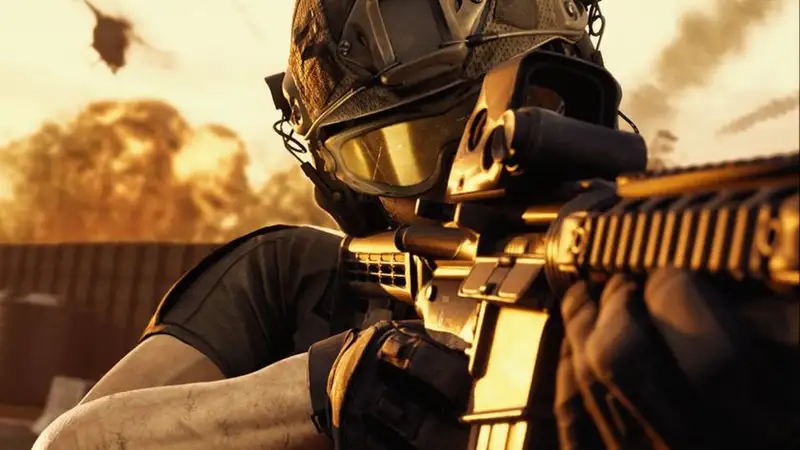
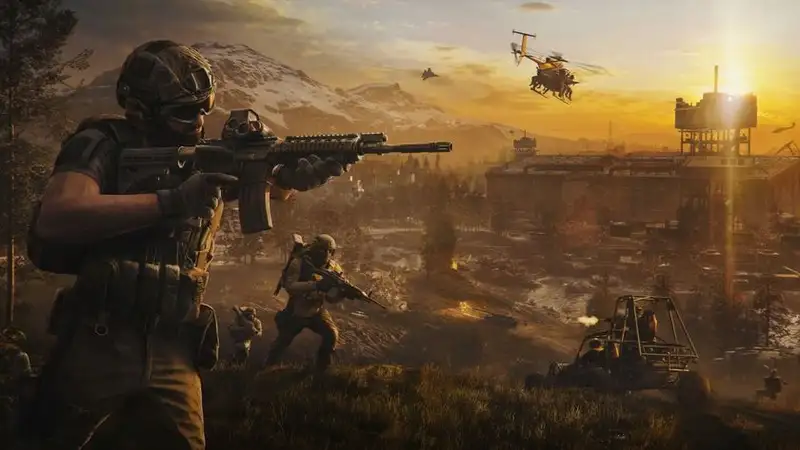
- Wardogs is a complex 100-player milsim FPS, focusing on realistic ballistics, large maps, and detailed inventory management.
- The game features a unique, persistent in-game economy designed to incentivize team-based objectives and strategic interactions.
In a gaming landscape often dominated by established behemoths and highly anticipated sequels, a new contender has emerged, quietly amassing a substantial following even before its official launch. Wardogs, a 100-player military simulation (milsim) first-person shooter, recently concluded its closed beta, reporting an impressive turnout of nearly half a million unique players. This unexpected surge of interest, especially when major titles like Call of Duty and Battlefield were also vying for player attention, hints at a broader evolution in the preferences of the modern FPS community.
Quick summary
- The Wardogs closed beta attracted nearly 500,000 unique players, demonstrating significant community interest.
- This turnout occurred simultaneously with active beta phases and major updates for prominent FPS franchises like Call of Duty and Battlefield.
- Wardogs is a complex 100-player milsim FPS, focusing on realistic ballistics, large maps, and detailed inventory management.
- The game features a unique, persistent in-game economy designed to incentivize team-based objectives and strategic interactions.


Why it matters
The remarkable performance of the Wardogs beta holds significant implications for the broader gaming industry and the future direction of the first-person shooter genre. For developers, it signals a clear demand for innovative, complex titles that deviate from the more arcade-style, fast-paced experiences often associated with mainstream shooters. This success could encourage more studios to invest in intricate game mechanics, realistic simulations, and emergent gameplay systems, rather than solely relying on established formulas.
For players, Wardogs offers a compelling alternative to the often-monotonous cycle of yearly updates from long-standing franchises. It suggests that a substantial segment of the FPS community is yearning for deeper engagement, strategic depth, and a higher skill ceiling. The game's unique economy system, which rewards various forms of team play through monetary incentives, could set a new standard for fostering cooperative behavior in large-scale multiplayer environments, moving beyond simple objective captures to more nuanced player interactions.
Economically, Wardogs' ascent from a buzzy indie title to a major beta success story demonstrates the power of organic community building and the potential for new intellectual properties to challenge market leaders. Its ability to capture attention amidst fierce competition highlights the importance of distinct gameplay propositions in attracting and retaining a dedicated player base, potentially altering marketing strategies and development priorities across the industry.
Background
The journey of Wardogs to its current impressive beta performance has been one of steady growth and organic community engagement. Over the past year, the game has diligently built buzz within dedicated gaming circles, culminating in over a million wishlists on various platforms. This anticipation wasn't arbitrary; it tapped into an underlying shift in player tastes that has been steadily developing for years.

The landscape of the FPS genre began to evolve significantly with the rise of titles like PlayerUnknown's Battlegrounds (PUBG) and Escape From Tarkov. While distinct in their own mechanics—PUBG pioneering the battle royale craze and Tarkov defining the extraction shooter—both games introduced a broader audience to concepts previously considered niche. These included realistic ballistics, expansive and intricate maps, and inventory systems that demanded careful management. Before these titles gained widespread traction, such 'milsim stuff' was primarily confined to ultra-hardcore simulators, largely inaccessible to mainstream gamers.
The success of these games paved the way for a title like Wardogs. It demonstrated that players were not only receptive to, but actively sought, experiences that offered more depth, challenge, and realism than the typical run-and-gun shooters. Wardogs, while neither a battle royale nor an extraction shooter itself, intelligently leverages these foundational preferences, providing a fresh take on large-scale tactical combat that resonates with a community primed for such complexity.
Qnews24h insight
The Wardogs beta results offer a crucial insight into the evolving psyche of the modern gaming community: a discernible segment of players is increasingly valuing depth and complexity over instant gratification and streamlined action. This isn't merely about raw player numbers, but the type of game that garnered them. For a title described as 'crunchy and complex' to pull nearly half a million unique players concurrently with industry titans speaks volumes.
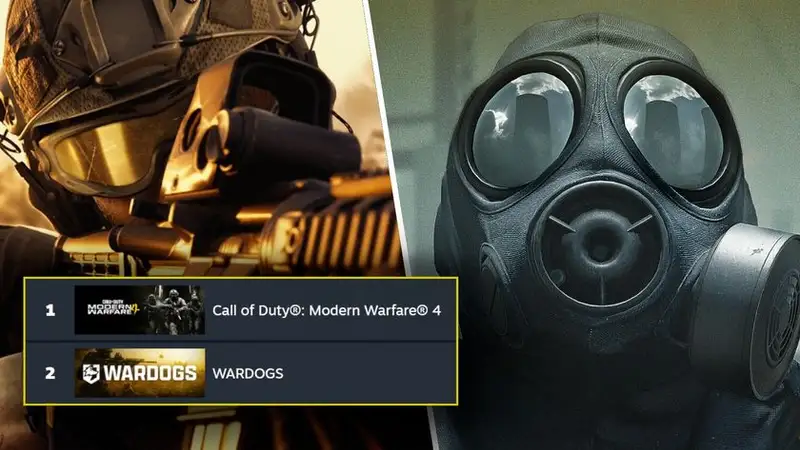
This success is a testament to the idea that innovation in core mechanics and a commitment to a distinct gameplay vision can effectively carve out a significant niche, even in a saturated market. Wardogs' unique in-game economy, which cleverly merges selfish desires (earning cash) with team-oriented actions (reviving, capturing, transporting), exemplifies intelligent design that fosters emergent gameplay and meaningful player interaction. It's a nuanced approach that moves beyond traditional reward structures, suggesting a path forward for cooperative multiplayer experiences.
The 'insane reaction' from the FPS community underscores a hunger for new experiences that break the mold. It signals that players are willing to invest time in learning intricate systems and adapting to challenging environments, moving beyond the casual accessibility often prioritized by major publishers. Wardogs could represent a 'dark horse' phenomenon, indicating a maturation of player preferences that larger studios might do well to observe, lest they miss the next wave of genre evolution.
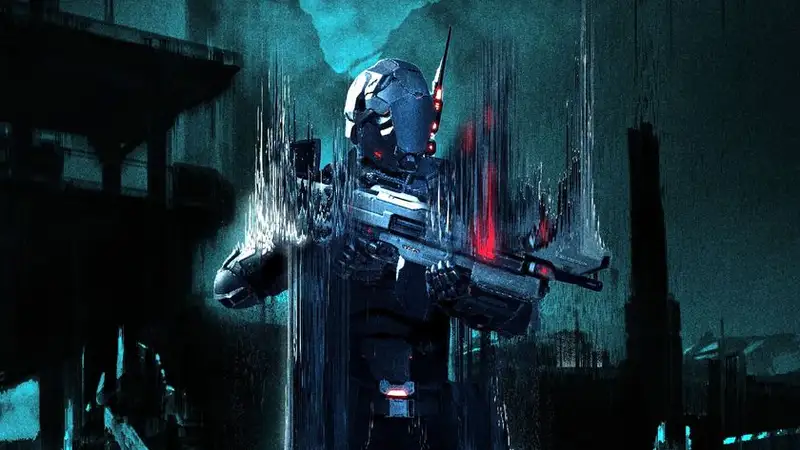
Wardogs: A Deep Dive into a Surprising Success
The gaming world is perpetually in search of the next big hit, and often, those hits come from unexpected places. Wardogs' impressive beta performance, managing to attract hundreds of thousands of players, is not just a statistical anomaly; it's a testament to its compelling design and the growing appetite for varied experiences within the first-person shooter genre. Its ability to stand out amidst the marketing juggernauts of Call of Duty and Battlefield suggests a deeper shift in what players seek from their combat simulations.
The Shifting Sands of the FPS Genre
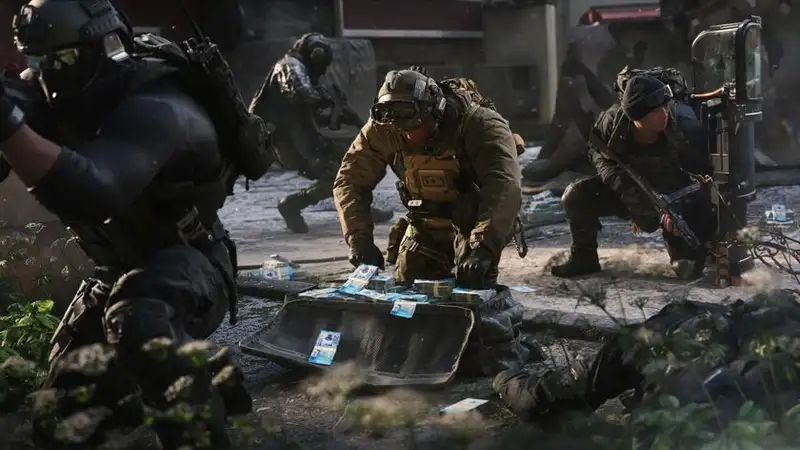
For years, the FPS market has been largely segmented between ultra-realistic military simulators and fast-paced, often arcade-style shooters. Wardogs appears to bridge this gap, offering a significant layer of realism without alienating a broader audience. The 'milsim stuff' like realistic ballistics, which dictates how bullets travel and interact with the environment, and expansive maps that encourage tactical movement rather than constant engagements, are no longer niche concepts. Players, influenced by the success of titles that reward patience and strategic thinking, are increasingly embracing these elements.
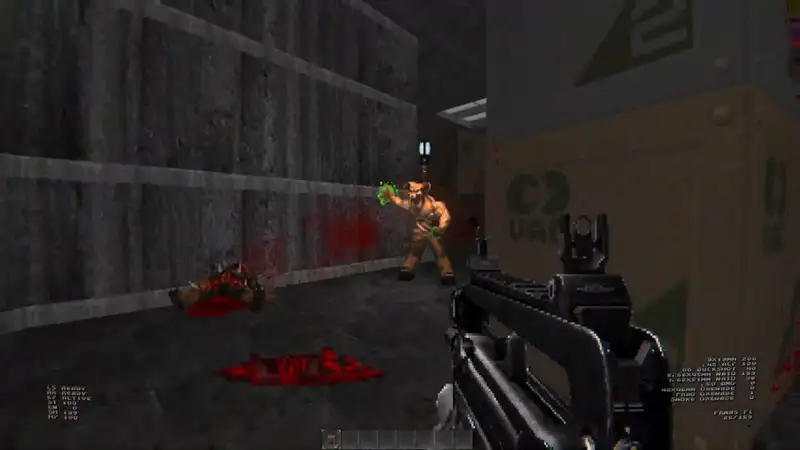
Furthermore, the focus on 100-player battles on large maps cultivates a sense of grand-scale conflict, reminiscent of combined arms warfare. This scale demands not just individual skill but coordinated team play, resource management, and understanding of diverse roles. It moves away from the hero-shooter model or small-scale skirmishes, offering an experience where the collective effort often outweighs individual brilliance, fostering a unique type of camaraderie and challenge.
Innovation in Engagement: The Persistent Economy
One of Wardogs' most talked-about features is its innovative in-game economy. Unlike many shooters where resources reset with each match, Wardogs incorporates a persistent wallet system. This means money earned in one session carries over, creating a continuous loop of progression and strategic decision-making. Players earn currency by performing useful actions on the battlefield, ranging from eliminating enemies to reviving fallen teammates, capturing objectives, or even transporting allies.
This system cleverly leverages 'selfish desires' to encourage altruistic actions. Want better gear? Help your team. Need to bribe a medic to save your life and avoid a costly respawn? Better have some cash. This dynamic creates a layer of emergent gameplay and social interaction that is rarely seen in the genre. It's not just about who gets the most kills, but who can effectively manage resources, contribute to team success, and even 'negotiate' for assistance, adding depth beyond simple combat mechanics.
From Beta Hype to Early Access Reality
With its early access launch scheduled for September 10, Wardogs faces the critical transition from a highly anticipated beta to a live, evolving game. The initial beta success provides a robust foundation, demonstrating strong player interest and technical viability. However, early access inherently comes with its own set of challenges, including maintaining player engagement, continuously implementing feedback, and expanding content to meet expectations.
The development team's ability to respond to community input, balance its complex systems, and ensure a stable, engaging experience will be paramount. Given the enthusiasm for its unique mechanics, the Wardogs community is likely to be passionate and vocal, providing both a valuable resource for iterative development and a high bar to meet. If the developers can successfully navigate these waters, Wardogs could solidify its position as a significant new force in the FPS genre, continuing to redefine player expectations for depth and realism.
Sources

FAQ

-

What kind of game is Wardogs?
Wardogs is a 100-player military simulation (milsim) first-person shooter that emphasizes realism, large-scale tactical combat, and a complex in-game economy.

-
What makes Wardogs unique among other FPS games?
Its uniqueness stems from its blend of realistic ballistics, large maps, and a persistent in-game wallet system that rewards various team-based actions, encouraging cooperative play through strategic resource management.

-

How many players participated in the Wardogs closed beta?
The Wardogs closed beta attracted nearly 500,000 unique players, indicating a strong interest in its distinct gameplay offerings.

-
When does Wardogs enter early access?
Wardogs is scheduled to enter early access on September 10.
Why it matters
The remarkable performance of the Wardogs beta holds significant implications for the broader gaming industry and the future direction of the first-person shooter genre. For developers, it signals a clear demand for innovative, complex titles that deviate from the more arcade-style, fast-paced experiences often associated with mainstream shooters. This success could encourage more studios to invest in intricate game mechanics, realistic simulations, and emergent gameplay systems, rather than solely relying on established formulas. For players, Wardogs offers a compelling alternative to the often-monotonous cycle of yearly updates from long-standing franchises. It suggests that a substantial...
Background
The journey of Wardogs to its current impressive beta performance has been one of steady growth and organic community engagement. Over the past year, the game has diligently built buzz within dedicated gaming circles, culminating in over a million wishlists on various platforms. This anticipation wasn't arbitrary; it tapped into an underlying shift in player tastes that has been steadily developing for years. The landscape of the FPS genre began to evolve significantly with the rise of titles like PlayerUnknown's Battlegrounds (PUBG) and Escape From Tarkov. While distinct in their own mechanics—PUBG pioneering the battle royale craze and Tarkov defining the extraction shooter—both games...
The Wardogs beta results offer a crucial insight into the evolving psyche of the modern gaming community: a discernible segment of players is increasingly valuing depth and complexity over instant gratification and streamlined action. This isn't merely about raw player numbers, but the type of game that garnered them. For a title described as 'crunchy and complex' to pull nearly half a million unique players concurrently with industry titans speaks volumes. This success is a testament to the idea that innovation in core mechanics and a commitment to a distinct gameplay vision can effectively carve out a significant niche, even in a saturated market. Wardogs' unique in-game economy, which...
References
Editorial information
The editorial team reviews sources, adds context, and structures stories so readers can understand the news more clearly.
Article from QNEWS24H
Comments
(0)No comments yet. Be the first to share your thoughts.