Vietnam Strengthens Cyber Laws, Imposes Hefty Fines for Financial Account Misuse

- Vietnam's Nghị định 330/2026/NĐ-CP, effective August 19, introduces strict administrative penalties for cybersecurity and financial account misuse.
- Individuals face fines of VND 5-10 million for selling, renting, lending, or gifting bank accounts and e-wallets.
- Penalties up to VND 20 million target identity fraud, unauthorized financial transactions, and illegal foreign currency trading using digital accounts.
- Organizations can incur fines up to VND 100 million for systemic failures like improper account opening or maintaining accounts with fake identification.
Vietnam is set to significantly ramp up its efforts to combat financial fraud and cybercrime with the introduction of a new government decree. Effective from August 19, Nghị định 330/2026/NĐ-CP will impose substantial administrative penalties on individuals and organizations involved in the illicit trade or misuse of financial transaction accounts, including bank accounts and e-wallets. This move signals a stricter regulatory environment aimed at enhancing digital security and protecting the integrity of the nation's financial systems.
Quick summary
- Nghị định 330/2026/NĐ-CP, effective August 19, establishes new administrative penalties for violations in cybersecurity and personal data protection in Vietnam.
- Individuals can face fines ranging from VND 5-10 million for selling, renting, lending, or gifting bank accounts, e-wallets, and other financial transaction accounts.
- More severe penalties, up to VND 20 million, target identity fraud, unauthorized use of personal information for financial accounts, and using digital accounts for unlicensed money transfers or illegal foreign currency trading.
- Organizations face the highest fines, up to VND 100 million, for systemic failures such as opening accounts improperly, maintaining accounts with fake identification, or providing accounts to individuals on banned lists.
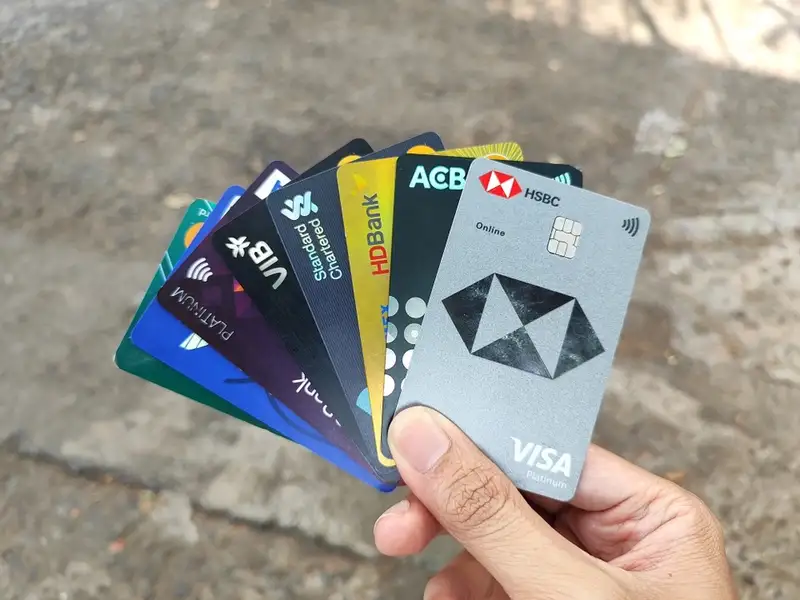

Why it matters
This new decree holds profound implications for individuals, financial institutions, and the broader digital economy in Vietnam. For the average citizen, it means a heightened responsibility to safeguard their financial accounts. What might seem like a harmless act of lending a bank account to a friend or family member could now result in significant fines if that account is then used for illicit activities. This pushes for greater personal accountability and awareness regarding the pervasive nature of online fraud.
For financial institutions, the decree mandates a more rigorous approach to customer onboarding and account management. Banks, e-wallet providers, and other financial service entities must bolster their identity verification processes and implement robust internal controls to prevent the establishment and maintenance of fraudulent accounts. Failure to comply can lead to substantial financial penalties and reputational damage.
Economically, the decree aims to foster greater trust in Vietnam's rapidly expanding digital financial ecosystem. By clamping down on illicit activities like money laundering, online scams, and unauthorized financial transactions, the government seeks to create a safer environment for digital payments, e-commerce, and overall economic growth. This regulatory strengthening is crucial for Vietnam's digital transformation aspirations, ensuring that technological advancements are accompanied by robust security frameworks.
Background
The proliferation of digital technologies and the rapid adoption of online banking and e-wallets in Vietnam have unfortunately been accompanied by a surge in sophisticated cybercrime and financial fraud. Scammers increasingly exploit vulnerabilities, including the illegal trade and misuse of financial accounts, to carry out illicit activities ranging from online gambling and pyramid schemes to money laundering and phishing attacks.
Prior to this decree, while laws existed to combat fraud, there was a perceived gap in addressing specific administrative violations related to the ownership and transfer of digital financial accounts. The regulatory landscape needed to evolve to catch up with the innovative methods employed by criminals. Previous regulations might have primarily focused on the perpetrators of fraud, but this decree extends accountability to those who facilitate such activities, even passively, by providing their accounts.
Nghị định 330/2026/NĐ-CP represents a proactive step by the Vietnamese government to fortify its legal framework against these evolving threats. It builds upon existing laws related to cybersecurity and personal data protection, specifically detailing administrative penalties for actions that, while not yet rising to the level of criminal prosecution, significantly undermine economic management order through digital means. The inclusion of 'gifting' or 'lending' accounts alongside 'selling' highlights a comprehensive approach to close potential loopholes.

New Penalties Detailed: What You Need to Know
The decree outlines a tiered system of administrative fines, directly targeting various forms of financial account misuse. At the entry level, individuals found selling, renting, lending, or gifting their financial transaction accounts face penalties ranging from VND 5 million to VND 10 million. This broad definition encompasses bank accounts, bank cards, e-wallets, mobile money accounts, securities accounts, trading accounts, and even accounts related to insurance and tax, or any other digital account with financial transaction capabilities.
Stepping up the severity, fines between VND 10 million and VND 20 million are imposed for more complex fraudulent activities. This includes using fake identities, forged documents, or illicitly obtained personal information to establish businesses or register financial transaction accounts. These penalties also apply to those who use digital accounts as unauthorized intermediaries to receive, transfer funds, or process payments without the necessary licensing. Furthermore, individuals involved in renting or lending services for receiving SMS messages or calls used for account verification, or those using digital accounts for illegal foreign currency trading, will be subject to this fine bracket.
Higher penalties of VND 20 million to VND 30 million are reserved for actions such as establishing misleading websites, digital accounts, or conducting electronic transactions that deliberately create confusion about the true identity of the information provider. These measures target sophisticated phishing and impersonation schemes designed to defraud users or compromise their data.
Organizational Accountability Enhanced
The decree places a significant burden on organizations, particularly financial service providers, with the highest penalty bracket ranging from VND 70 million to VND 100 million. This applies to entities that open digital accounts without adhering to proper procedures or maintain financial transaction accounts based on fake identification information, especially if such information is not verifiable against the National Population Database or corporate databases. The same severe penalty is levied against organizations that open digital accounts for individuals who are on a banned list, underscoring the importance of due diligence and compliance with national security directives related to financial transactions.
Qnews24h insight
Nghị định 330/2026/NĐ-CP represents a critical juncture in Vietnam's ongoing battle against financial fraud and cybercrime. It signifies a clear pivot towards a more comprehensive and preventative regulatory framework, rather than solely reactive enforcement. By explicitly penalizing the misuse of accounts, regardless of intent to defraud by the account holder, the decree aims to cut off a primary conduit for illegal financial flows.

The broad scope of 'financial transaction accounts' indicates a forward-looking approach, anticipating the emergence of new digital payment and investment platforms. While laudable, the effectiveness of this decree will heavily rely on consistent enforcement, robust public awareness campaigns, and the ability of law enforcement to adapt to the rapidly evolving tactics of cybercriminals. Challenges will undoubtedly arise in proving intent for certain violations, particularly for cases involving the lending or gifting of accounts where the original account holder might claim ignorance of subsequent illicit use. However, the move firmly establishes a legal precedent for individual and organizational accountability in the digital financial space, a necessary step for securing Vietnam's digital future.
Sources
Frequently Asked Questions (FAQ)
What is Nghị định 330/2026/NĐ-CP?
Nghị định 330/2026/NĐ-CP is a new government decree in Vietnam that establishes administrative penalties for various violations in cybersecurity and personal data protection, specifically targeting the misuse of financial transaction accounts like bank accounts and e-wallets. It became effective on August 19.
What are the penalties for individuals selling or lending bank accounts?
Individuals who sell, rent, lend, or gift their bank accounts, e-wallets, or other financial transaction accounts can face administrative fines ranging from VND 5 million to VND 10 million under the new decree.
How does the new decree impact organizations?
Organizations, particularly financial service providers, face significant penalties under Nghị định 330/2026/NĐ-CP. Fines can reach VND 70 million to VND 100 million for actions such as opening digital accounts improperly, maintaining financial transaction accounts with fake identification information, or providing accounts to individuals who are on a banned list for account usage.
Why it matters
The new decree significantly raises personal accountability for account holders and mandates more stringent compliance for financial institutions. It aims to bolster trust in Vietnam's digital financial ecosystem by curbing sophisticated cybercrime and fraud, thereby safeguarding consumers and supporting the nation's digital transformation efforts.
Background
The rapid expansion of digital financial services in Vietnam has led to a parallel increase in cybercrime and fraud, often facilitated by the illicit trade and misuse of financial accounts. Previously, legal frameworks might have had gaps in specifically addressing administrative violations related to account ownership and transfer. Nghị định 330/2026/NĐ-CP is a governmental response to these evolving threats, broadening accountability beyond just the direct perpetrators to include those who enable fraud by providing their accounts.
This decree signals Vietnam's strategic shift toward a more proactive and comprehensive regulatory approach to digital security and financial integrity. By targeting both individuals and institutions across a wide range of financial accounts, the government is attempting to dismantle the infrastructure of online fraud from multiple angles. While effective implementation hinges on public awareness and consistent enforcement, this measure establishes a strong legal deterrent essential for fostering a secure and trustworthy digital economy.
References
Editorial information
The editorial team reviews sources, adds context, and structures stories so readers can understand the news more clearly.
Article from QNEWS24H
Comments
(0)No comments yet. Be the first to share your thoughts.