Valve's Steam Machine Faces Price Hurdle: Engineers Eye Affordability Amidst Persistent Shortages
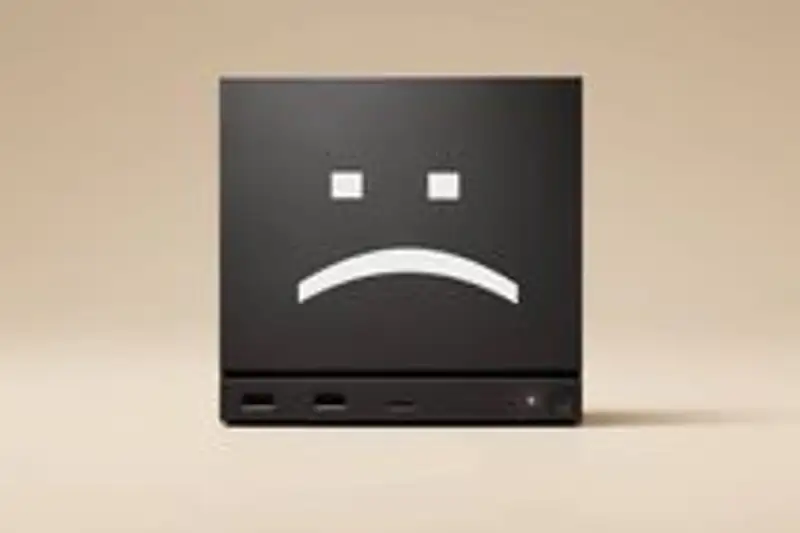
- Valve's Steam Machine launches at a minimum of $1049, surprising many prospective buyers.
- Valve engineers express a desire for lower prices to increase accessibility but confirm no immediate reductions due to component shortages.
- Global RAM shortages, a key factor in pricing, are projected to continue through 2027 and gradually ease in 2028, according to Micron's CEO.
- Valve views its hardware as an "enabler" for its gaming ecosystem, not a primary source of profit, creating a dilemma with current high costs.
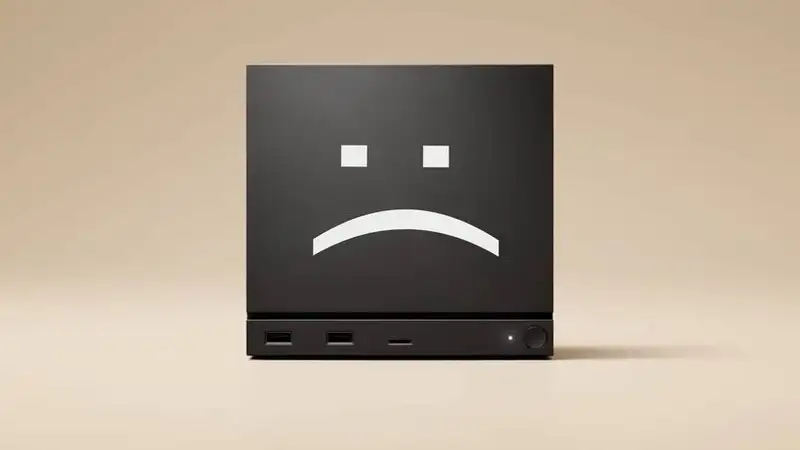
The ambitious vision of bringing PC gaming into the living room via Valve's Steam Machine has hit an immediate snag: a price tag that has caught many by surprise. With the cheapest model debuting at $1049, the PC-console hybrid finds itself in a challenging position, prompting internal discussions at Valve about balancing market accessibility with the harsh realities of the global supply chain.

Quick summary
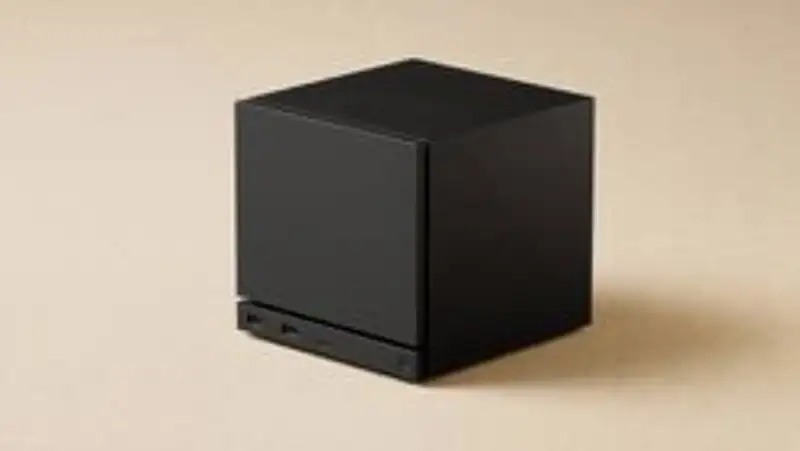
- Valve's Steam Machine launched with its entry-level model priced at $1049, higher than anticipated by many in the gaming community.
- Despite engineers expressing a clear desire for the hardware to be more affordable to reach a wider audience, a price drop is not expected "any time soon."
- Ongoing global RAM shortages are identified as a significant factor, with industry leaders like Micron's CEO predicting resolution no earlier than 2027-2028.
- Valve views its hardware as an "enabler" for connecting people with games, rather than a primary profit driver, underscoring a strategic dilemma.

Why it matters
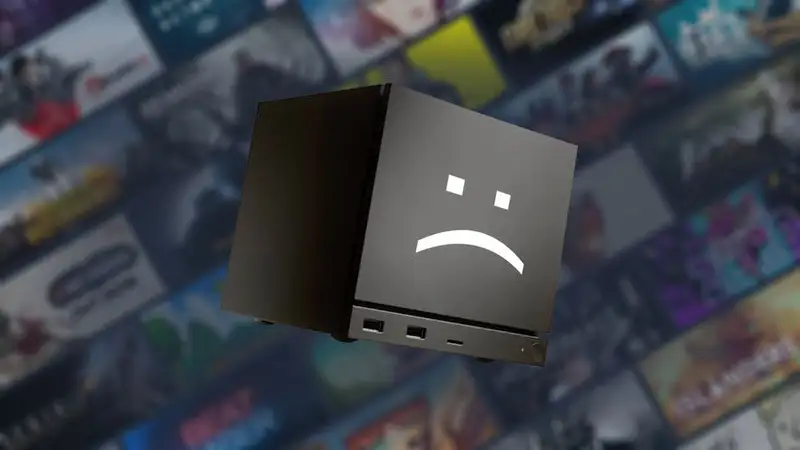
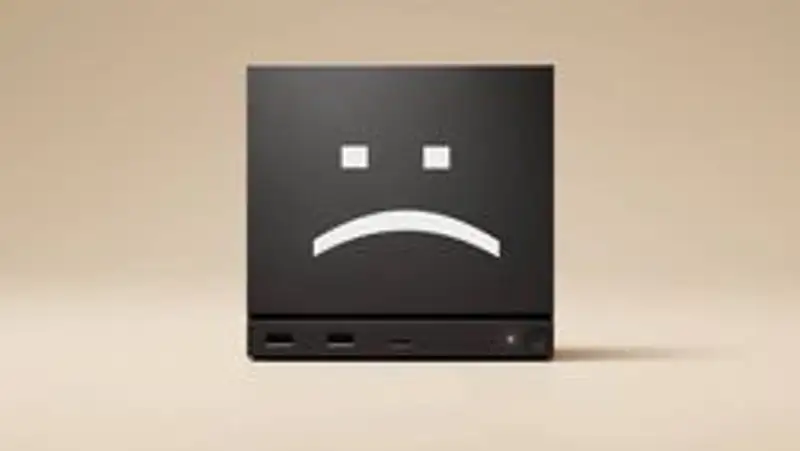
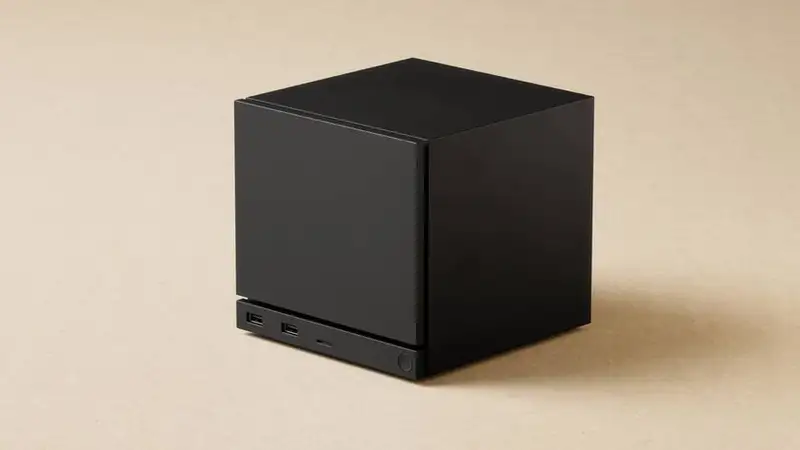
The pricing strategy for the Steam Machine carries significant implications for various stakeholders within the gaming ecosystem. For consumers, particularly those seeking a more affordable entry point into PC gaming or a console alternative, the $1049 price point represents a substantial barrier. It positions the Steam Machine closer to high-end gaming PCs rather than traditional consoles, potentially limiting its mass-market appeal and relegating it to a niche product for dedicated enthusiasts.
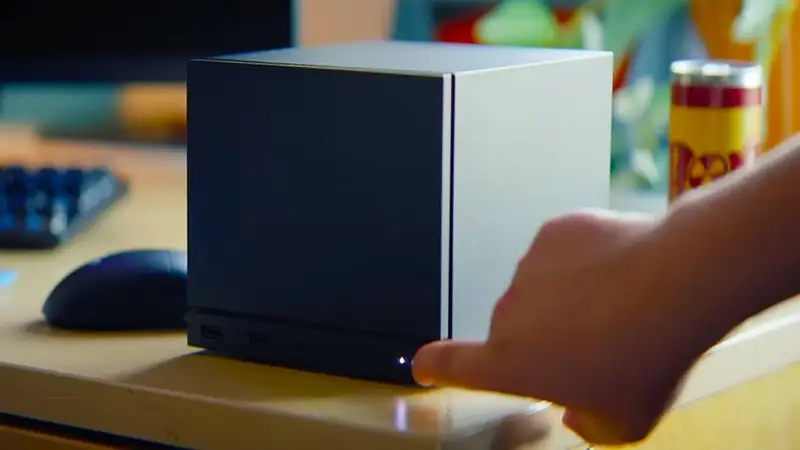
For Valve, this situation tests its long-standing philosophy of fostering an open, accessible gaming platform. The company's assertion that its hardware is merely an "enabler" for software engagement suggests a strategy akin to console manufacturers who often sell hardware at a thin margin or even a loss to drive ecosystem growth. However, a high entry price could paradoxically hinder the very widespread adoption Valve hopes to achieve for its SteamOS and Linux gaming initiative.
Beyond Valve and its immediate user base, this development reflects broader challenges within the technology industry. The ongoing component shortages, particularly in semiconductors and memory, continue to ripple through various sectors, impacting manufacturing costs and consumer prices. The extended timeline for RAM shortage resolution, stretching potentially to 2028, signals sustained pressure on hardware pricing across the board, affecting everything from personal computers to new generation consoles and other smart devices. This economic reality means consumers will likely face elevated prices for high-performance electronics for the foreseeable future, making strategic purchasing decisions even more critical.
Background
The concept of the Steam Machine isn't entirely new; it represents Valve's continued foray into bringing the vast Steam library and PC gaming experience to the living room in a console-like form factor. Valve initially unveiled its Steam Machine initiative in 2013, aiming to create a standardized, open platform for living room PCs running its Linux-based SteamOS. The original vision was to offer a diverse range of hardware from various manufacturers, providing consumers with choice and affordability.

However, the initial launch of Steam Machines in the mid-2010s faced numerous challenges, including a lack of compelling exclusive titles, relatively high prices for performance, and the general complexity of a PC-based system compared to traditional consoles. The project saw limited commercial success, leading to a quiet de-emphasis from Valve.
More recently, Valve achieved considerable success with the Steam Deck, a handheld gaming PC launched at a more accessible price point (with its highest tier mentioned at $789 in comparison to the Steam Machine's current price). The Steam Deck effectively demonstrated the demand for portable PC gaming and the viability of SteamOS on tailored hardware. This success likely reinvigorated Valve's interest in the Steam Machine concept, now refined as a dedicated living room console-PC hybrid.
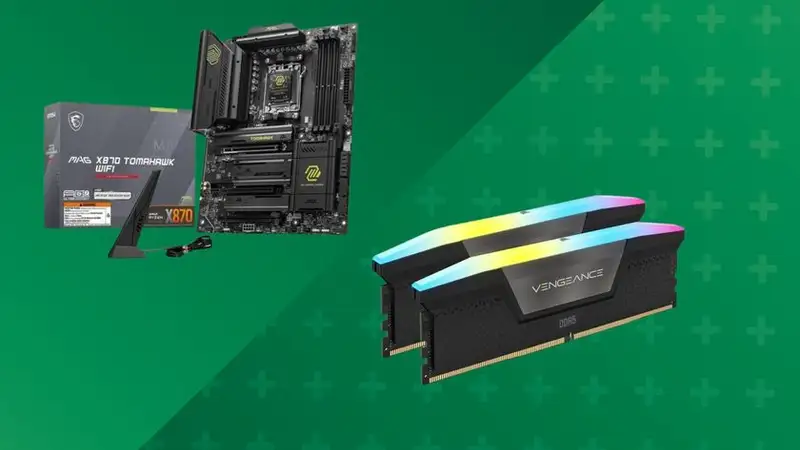
Yet, this renewed push comes at a time of unprecedented global supply chain disruptions. The COVID-19 pandemic, coupled with geopolitical tensions and increasing demand for electronics, has led to severe shortages of critical components like semiconductors, microcontrollers, and, crucially, RAM. These shortages have driven up manufacturing costs significantly, forcing hardware makers to either absorb losses, pass costs to consumers, or delay product launches. The current $1049 price of the Steam Machine is a direct reflection of these prevailing market conditions, diverging from what might have been an intended lower price point, potentially inspired by the Steam Deck's relative affordability and success.

Qnews24h insight

Valve's current predicament with the Steam Machine's pricing highlights a fundamental tension between its long-term strategic goals and immediate market realities. On one hand, the company unequivocally states its desire for cheaper hardware, positioning the Steam Machine as an 'enabler' for the Steam ecosystem rather than a profit generator. This philosophy aligns with a platform-centric business model, where the true value lies in software sales, digital services, and user engagement within the Steam platform.

However, an 'enabler' that comes with a premium price tag faces an inherent contradiction. While Valve engineers describe the $1049 as 'good value' given the components, this perspective is from the manufacturer, not necessarily the mass market consumer. For the Steam Machine to truly enable a broader connection between people and their games, it must overcome a significant accessibility hurdle. The predicted longevity of RAM shortages, extending potentially through 2027 and even into 2028, casts a long shadow over the immediate future of Steam Machine affordability. This means Valve's aspirational pricing model for hardware will likely remain out of sync with its financial capabilities for several years, forcing the company to grapple with whether to pursue a niche, enthusiast market or patiently await more favorable economic conditions for a broader push.

In essence, Valve is in a waiting game. Its commitment to the Steam Machine concept, even at a higher price, suggests a strategic long-term play for the living room segment of PC gaming and the continued expansion of SteamOS. Yet, the current price point risks alienating a significant portion of the casual gaming audience that might otherwise be drawn to a console-like experience, potentially limiting the growth of Steam's influence beyond the traditional PC gaming desk. Valve's success with the Steam Deck demonstrates its capability to disrupt, but the current Steam Machine's trajectory suggests a more cautious, perhaps less impactful, re-entry into the console-competitive arena.

Sources


FAQ
What is the starting price of Valve's Steam Machine?
The cheapest model of Valve's Steam Machine is currently priced at $1049, a figure higher than many in the gaming community had anticipated for a console-like device.
Why are Valve Steam Machine prices unlikely to drop soon?
Valve engineers state that a price drop is unlikely "any time soon" primarily due to persistent global shortages of critical hardware components, especially RAM. Industry experts, like Micron's CEO, predict these shortages will continue through 2027 and gradually improve in 2028.
How does the Steam Machine compare to Valve's Steam Deck in terms of pricing strategy?
While the Steam Machine starts at $1049, Valve's popular handheld Steam Deck offered models, with the highest tier being around $789. The source material suggests the Steam Machine was initially envisioned to be closer to that lower price point, highlighting the impact of current component costs on its final pricing.
What is Valve's philosophy regarding its hardware pricing?
Valve engineers emphasize that the company views its hardware, including the Steam Machine, as an "enabler" for connecting people with their games and the Steam platform. They state, "the cheaper the better," indicating that hardware is not intended to be a primary profit driver for the company, but rather a means to expand its software and ecosystem reach.
Why it matters
The Steam Machine's $1049 entry price point significantly impacts its market position, potentially alienating budget-conscious gamers and hindering its goal of broader adoption as a living room PC-console hybrid. This reflects the wider industry struggle with component shortages, particularly RAM, which are predicted to persist for several years, thus influencing pricing across all consumer electronics. For Valve, this challenges its core philosophy of using hardware as an accessible 'enabler' for its software ecosystem, forcing a strategic re-evaluation of its market reach and competitive stance against both traditional consoles and custom-built PCs.
Background
The current Steam Machine iteration builds upon Valve's earlier efforts to bring PC gaming into the living room, a project initially launched in 2013 with varied success. The earlier Steam Machines, designed to run SteamOS on diverse hardware, struggled with market adoption due to factors like high prices and software ecosystem maturity. More recently, Valve found significant success with the Steam Deck, a handheld PC that offered compelling performance at a more accessible price. This latest Steam Machine project emerges amidst severe global supply chain disruptions, especially for semiconductors and memory. These shortages have driven up manufacturing costs, pushing the Steam Machine's...
Valve's current stance on Steam Machine pricing reveals a strategic quandary: how to reconcile its stated philosophy of hardware as an 'enabler' for its ecosystem with the harsh realities of a volatile global supply chain. While the desire for lower prices is genuine, the long-term forecast for component shortages, stretching possibly to 2028, suggests that this 'enabler' will remain a premium product for the foreseeable future. This situation limits the Steam Machine's potential for mass-market penetration, likely confining it to a niche of dedicated PC enthusiasts willing to pay for a tailored living-room PC experience. Valve's success with the Steam Deck showed its capability for...
References
Editorial information
The editorial team reviews sources, adds context, and structures stories so readers can understand the news more clearly.
Article from QNEWS24H
Comments
(0)No comments yet. Be the first to share your thoughts.