US Air Strikes Target Iranian IRGC Facilities as CENTCOM Mobilizes 50,000 Troops
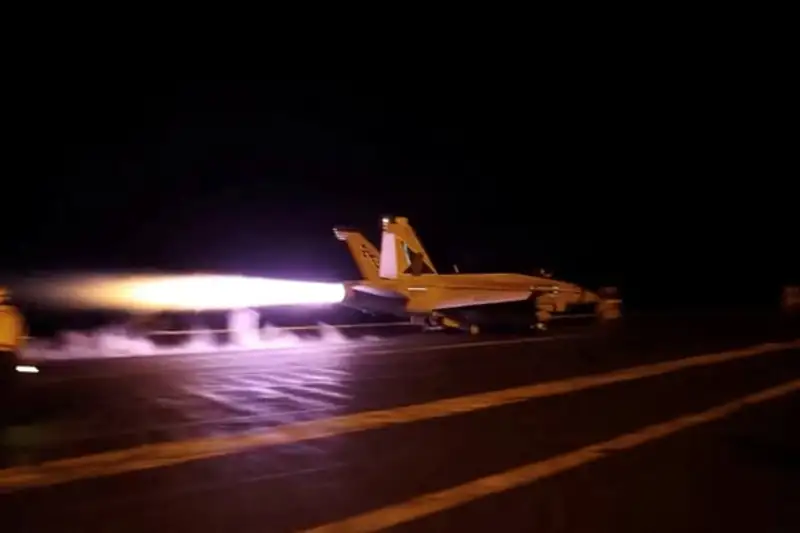
- U.S. Central Command (CENTCOM) conducted retaliatory airstrikes targeting dozens of IRGC command posts, missile facilities, and air defense sites across Iran.
- The strikes followed a July 28 Iranian ballistic missile attack aimed at U.S. forces in the Middle East, including bases in Jordan, all of which were successfully intercepted.
- Over 50,000 U.S. troops deployed across the Middle East remain on high alert as President Donald Trump pledged a forceful military response.
- Jordanian armed forces successfully intercepted 5 incoming missiles in national airspace without suffering casualties or damage.
Military tensions across the Middle East reached a dangerous flashpoint after United States forces launched extensive retaliatory airstrikes against military targets inside Iran. The large-scale operation, authorized by Washington and executed by U.S. Central Command (CENTCOM), came immediately after American and allied air defense systems successfully intercepted a barrage of Iranian ballistic missiles directed at U.S. military positions. With tens of thousands of American troops maintaining combat readiness across the region, the direct exchange signals a sharp escalation in regional security dynamics.
Quick summary
- U.S. Central Command (CENTCOM) conducted extensive retaliatory airstrikes targeting dozens of Islamic Revolutionary Guard Corps (IRGC) positions across Iran on July 29.
- The operation responded directly to a July 28 Iranian ballistic missile attack aimed at U.S. military bases in the Middle East, including installations in Jordan, all of which were successfully intercepted.
- U.S. strikes focused on IRGC command headquarters, ballistic missile and unmanned aerial vehicle (UAV) sites, coastal air defense positions, and maritime combat assets.
- Over 50,000 U.S. military personnel remain deployed across the Middle East in a state of high readiness, with Washington warning of further decisive action to safeguard its personnel and maritime shipping.
Direct Retaliation Against IRGC Military Infrastructure
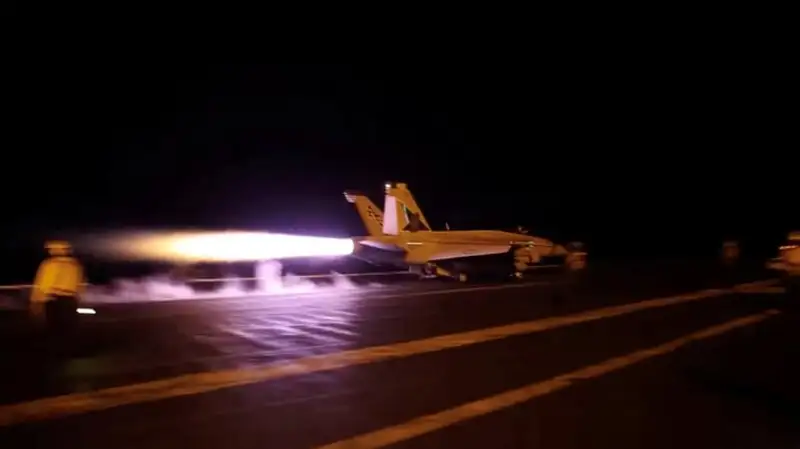
Following the intercepted missile attack on American installations, U.S. Central Command executed retaliatory precision strikes designed to cripple key operational assets of Iran's military structure. Official communications released on July 29 confirmed that the U.S. aerial campaign targeted high-value military infrastructure belonging to the Islamic Revolutionary Guard Corps (IRGC).
The target list encompassed a broad spectrum of strategic capabilities. Key installations hit during the aerial campaign included IRGC military command headquarters, ballistic missile launch and storage complexes, unmanned aerial vehicle (UAV) operational hubs, coastal surveillance posts, air defense batteries, and naval combat facilities. According to CENTCOM statements, the primary objective of the mission was to systematically degrade Iran's capability to orchestrate future attacks against American service members, regional allies, and international maritime traffic.
The scale of the bombardment represents a decisive pivot from previous localized counter-proxy operations. By directly hitting primary IRGC infrastructure on Iranian territory, Washington demonstrated a willingness to engage state military assets directly in response to explicit security threats.
Ballistic Missile Attack and Air Defense Interceptions
The U.S. military action followed a sudden surprise attack launched by the IRGC on July 28. Iranian forces fired multiple ballistic missiles directed at military bases housing U.S. troops in the region. Military authorities in Tehran subsequently confirmed launching missiles targeting U.S. installations located in Jordan.
Despite the unexpected nature of the salvo, multi-tiered air defense systems deployed throughout the operational theater reacted rapidly, successfully intercepting all incoming missiles before they could hit their targets. The Jordanian military also confirmed that its air defense forces engaged and destroyed five incoming Iranian missiles that breached national airspace during the attack. Officials in Amman verified that no casualties or structural damage occurred on Jordanian soil, emphasizing that national forces maintain the highest state of alert to defend territorial integrity.
Following the successful interception of the missile salvo, U.S. President Donald Trump warned of immediate military consequences. President Trump stated that the U.S. military would deliver a powerful counter-strike, emphasizing that military action was necessary and anticipated by Iranian leadership.
Massive Military Presence and Strategic Readiness
A key aspect of CENTCOM’s announcement was the formal confirmation regarding the magnitude of the American military deployment across the Middle East. Military leadership underscored that more than 50,000 American military personnel are currently deployed across strategic bases and naval positions in the region.
This substantial force posture includes air combat squadrons, carrier strike group assets, ground combat units, and integrated missile defense batteries. Operational commanders stressed that all 50,000 troops remain in a state of high alert, fully focused and prepared to respond to further hostile actions.
The public emphasis on force size serves dual operational objectives: reassuring regional partner nations of American defense commitments while delivering a unambiguous deterrent message to Iranian commanders regarding U.S. combat capacity.
Why it matters
The direct confrontation between U.S. military forces and Iran's IRGC fundamentally reshapes regional security risks, moving beyond shadow warfare into direct military engagements. The key implications include:
- Maritime and Global Energy Security: Strikes on coastal defense nodes and naval assets directly touch upon critical trade routes, including the Strait of Hormuz and Red Sea corridors. Continued escalation poses direct risks to international commercial navigation and energy shipments.
- Impact on Host Nations: The targeting of U.S. facilities in sovereign nations like Jordan illustrates how regional allies are directly exposed to missile crossfire, forcing neighboring states to heighten defense readiness.
- Escalation Control Challenges: Direct counter-strikes against sovereign military assets narrow diplomatic flexibility, raising the probability of broader military miscalculations across the region.
Background
The latest escalation represents an unprecedented peak in long-standing tensions between Washington and Tehran. For months, U.S. military forces and commercial vessels in the Middle East have faced recurring asymmetric threats from regional proxy networks and Iranian forces.
Previously, military interactions were largely restricted to localized drone interceptions and strikes against militia outposts. However, the IRGC's direct launch of ballistic missiles against U.S. bases marked a significant tactical shift away from proxy operations. In response, Washington's direct bombardment of core IRGC command centers established a clear operational boundary, signaling that direct missile attacks on U.S. forces will incur severe direct strikes against Iranian military infrastructure.
Qnews24h insight
The rapid transition from missile interceptions to retaliatory aerial strikes marks a precarious phase in Middle Eastern security dynamics. While high-technology air defense networks effectively neutralized incoming Iranian missiles and averted U.S. casualties, the decision to launch broad strikes against IRGC command posts demonstrates a military doctrine centered on forceful deterrence rather than passive defense.
Maintaining over 50,000 troops in a high-alert environment carries substantial operational strain and elevated strategic risk. Direct strikes against coastal defenses and command centers narrow the gap between tactical deterrence and open regional conflict. While CENTCOM's response reflects technical superiority in air defense and rapid strike deployment, the security environment remains highly volatile. Without active diplomatic mechanisms to de-escalate retaliatory cycles, both nations remain exposed to sudden operational shifts where a single air defense failure could trigger a wider regional conflict.
Sources
- Primary Source: Soha News (Vietnam) – Mỹ không kích Iran, tuyên bố hơn 50.000 quân sẵn sàng chiến đấu
- Official Announcements: Statements issued by U.S. Central Command (CENTCOM), the Armed Forces of Jordan, and official declarations by President Donald Trump.
Why it matters
The direct military clash between U.S. forces and Iran's IRGC elevates regional security risks, threatening vital commercial shipping lanes in the Gulf and forcing host nations supporting U.S. military installations onto high defensive alert.
Background
The confrontation follows months of friction between U.S. forces and Iranian military networks. Iran's shift from proxy tactics to direct ballistic missile launches against U.S. positions prompted Washington to launch direct counter-strikes against key IRGC strategic targets.
While successful air defense interceptions prevented U.S. casualties, retaliatory bombardment of core IRGC infrastructure marks a shift from indirect containment to direct state-level response, drastically narrowing diplomatic off-ramps in a high-tension combat environment.
References
Editorial information
The editorial team reviews sources, adds context, and structures stories so readers can understand the news more clearly.
Article from QNEWS24H
Comments
(0)No comments yet. Be the first to share your thoughts.