The Textile Revolution: How Fabric Quality is Reshaping Modern Fashion
- The fashion industry is experiencing a surge in appreciation for high-quality, meticulously crafted fabrics, moving beyond aesthetic trends alone.
- Designers like Taiga Takahashi exemplify this shift, centering their collections around sumptuous, often Japanese-sourced textiles with unique finishes like mud-dyeing and...
- Increased global accessibility to premium materials, once exclusive to specific markets, has democratized the pursuit of exceptional garments.
- A new generation of 'fabric nerds' and informed consumers is emerging, driving demand for materials that offer both superior feel and lasting quality.
A quiet revolution is underway in the world of fashion, shifting the spotlight from fleeting trends and celebrity endorsements to a more fundamental element of clothing: the fabric itself. Consumers and designers alike are increasingly prioritizing the tactile experience and inherent quality of textiles, ushering in an era where the intricate weave, natural dye, and hand-feel of a garment are as important, if not more so, than its silhouette or brand label. This evolving discernment marks a significant departure from previous eras, where access to truly exceptional materials was limited, and is fundamentally reshaping how clothing is conceived, produced, and valued.
Quick summary
- The fashion industry is experiencing a surge in appreciation for high-quality, meticulously crafted fabrics, moving beyond aesthetic trends alone.
- Designers like Taiga Takahashi exemplify this shift, centering their collections around sumptuous, often Japanese-sourced textiles with unique finishes like mud-dyeing and bleach-splashing.
- Increased global accessibility to premium materials, once exclusive to specific markets, has democratized the pursuit of exceptional garments.
- A new generation of 'fabric nerds' and informed consumers is emerging, driving demand for materials that offer both superior feel and lasting quality.
Why it matters
This evolving emphasis on fabric quality has far-reaching implications for consumers, manufacturers, and the broader fashion ecosystem. For individuals, it means a potential return to more durable, comfortable, and emotionally resonant clothing choices, fostering a 'buy less, buy better' mindset that counters the rapid consumption of fast fashion. For designers and brands, it presents an opportunity to innovate with sustainable materials, artisan techniques, and responsible sourcing, elevating their products through intrinsic value rather than fleeting hype. Economically, this trend could revitalize specialized textile industries, particularly those known for heritage craftsmanship in regions like Japan and Italy. Furthermore, it encourages greater transparency in supply chains, as consumers become more educated about material origins and production methods, ultimately pushing the industry towards more ethical and environmentally conscious practices.
Background
For decades, exceptional clothing, particularly those boasting superior fabric quality, often remained the exclusive domain of luxury houses or required direct import from specific global hubs, most notably Japan. Access to meticulously woven denim, specialized cottons, or rare silks was a challenge for the average consumer and even many mainstream designers. This created what some have termed the 'good-clothes dark ages,' where the tactile pleasure of a truly well-made garment was an infrequent experience. The rise of fast fashion further exacerbated this, prioritizing speed and low cost over material integrity, leading to a proliferation of garments made from synthetic or low-grade natural fibers that lacked longevity and distinct character.

However, the past decade has seen a gradual but profound shift. Advancements in global logistics, the democratization of information through the internet, and a growing consumer awareness regarding sustainability and craftsmanship have collectively dismantled these barriers. Online retail platforms and specialized boutiques now offer an unprecedented array of high-quality garments from around the world, making premium fabrics accessible to a broader audience. This increased accessibility has, in turn, fueled a deeper appreciation for the nuances of textiles, allowing a new generation to discover and celebrate the distinct characteristics that elevate a garment beyond mere utility.
The Rise of the Textile Connoisseur
The contemporary fashion landscape is witnessing a palpable shift in consumer priorities. Where once a brand logo or a celebrity endorsement might have been the primary driver of purchase, an increasing number of shoppers are now delving into the specifics of a garment's construction, starting with its material composition. This newfound textile literacy is transforming casual wear into connoisseurship, as individuals seek out clothing that offers not just visual appeal but also a superior hand-feel, durability, and a story behind its creation. This movement transcends mere aesthetics, moving towards a holistic understanding of what makes a garment truly 'good.'
Brands are responding by foregrounding their material choices, showcasing the unique properties and origins of their textiles. Retailers are finding themselves inundated with items distinguished by their organic cottons, washed linens, and hand-spun wools — materials that were once considered niche rarities are now becoming the expected standard across various price points. This trend suggests that the feel of a garment is now weighing equally with its look, indicating a maturation of consumer taste and a desire for products that offer a more substantial and lasting experience.
Taiga Takahashi: A Case Study in Material Focus
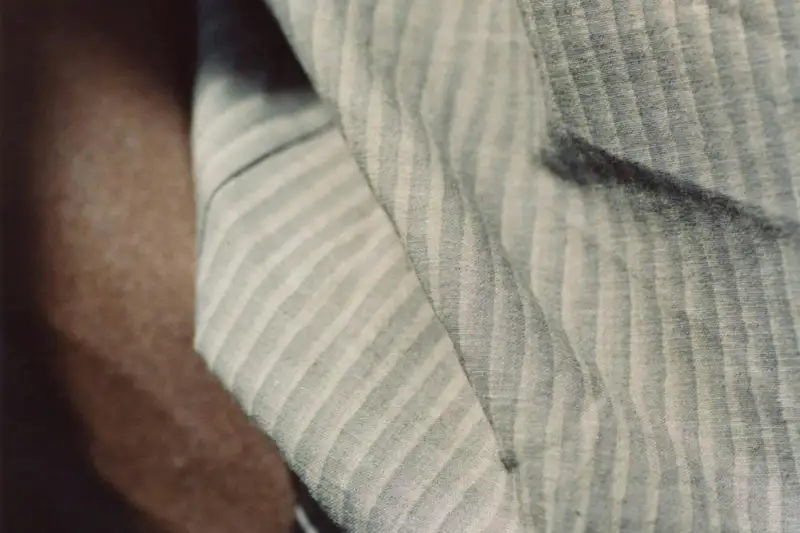
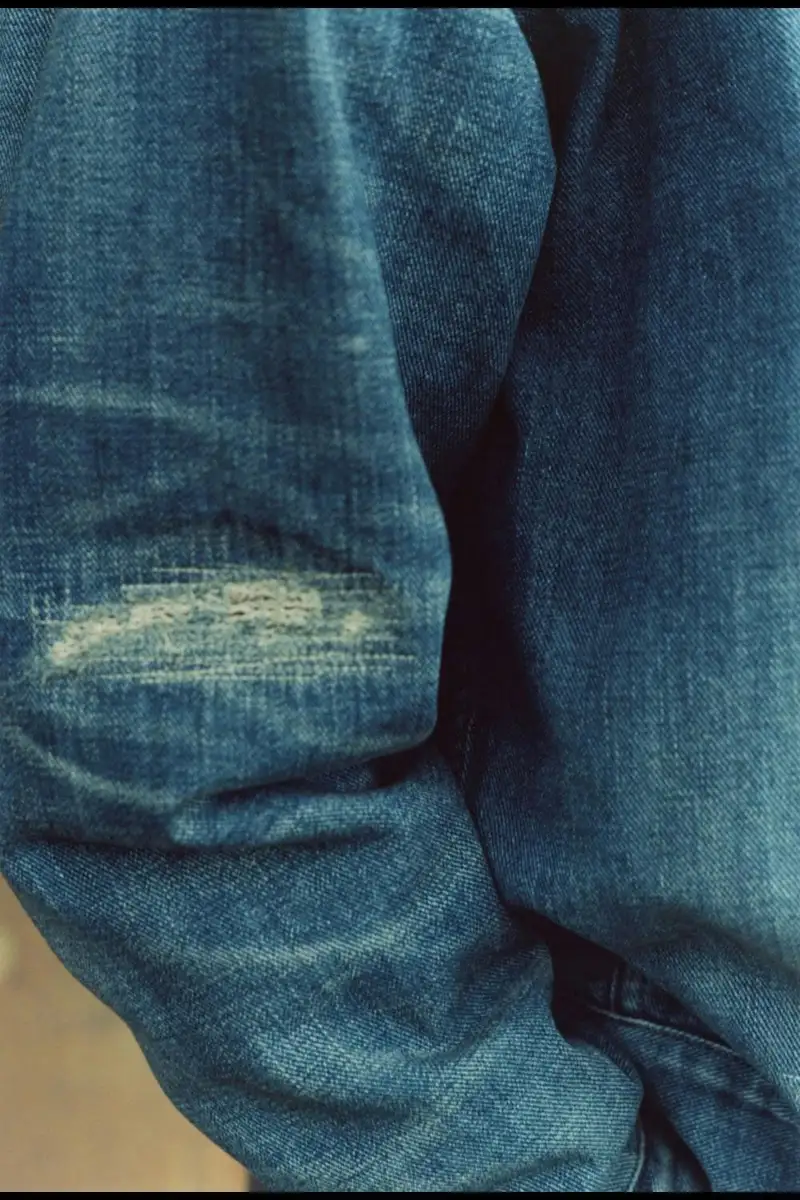
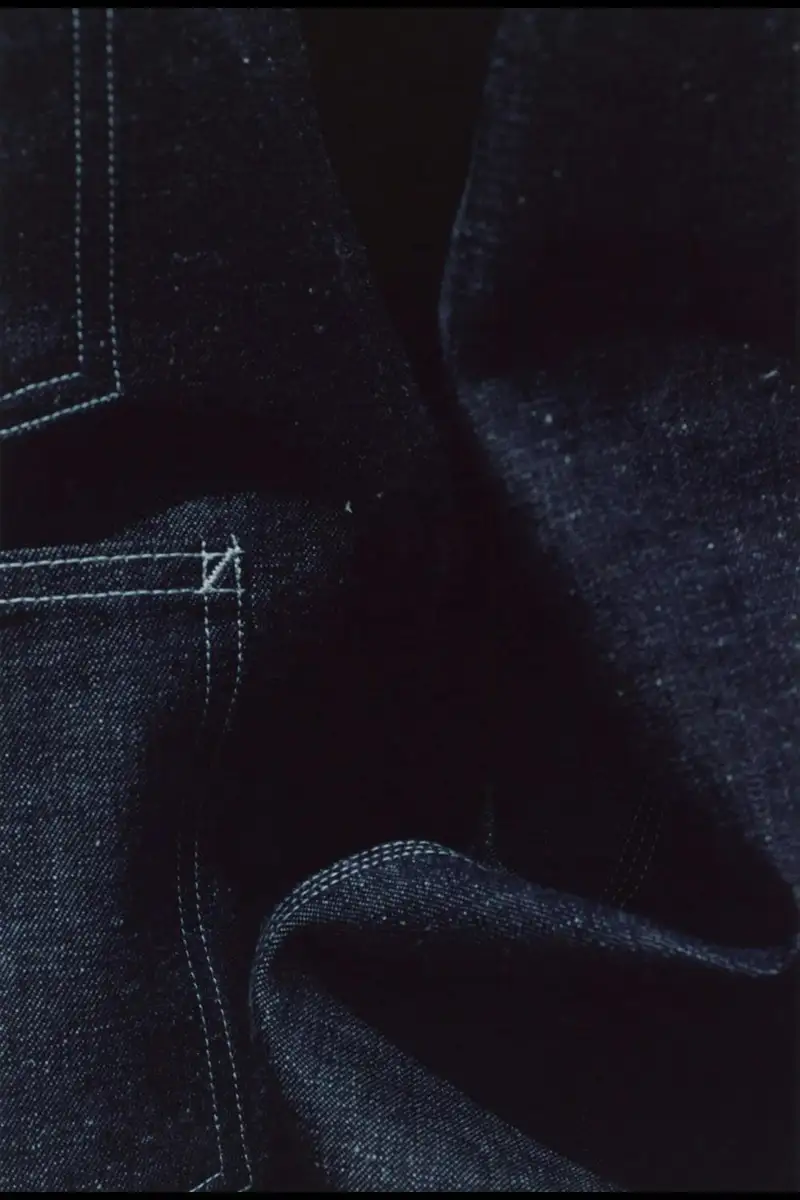
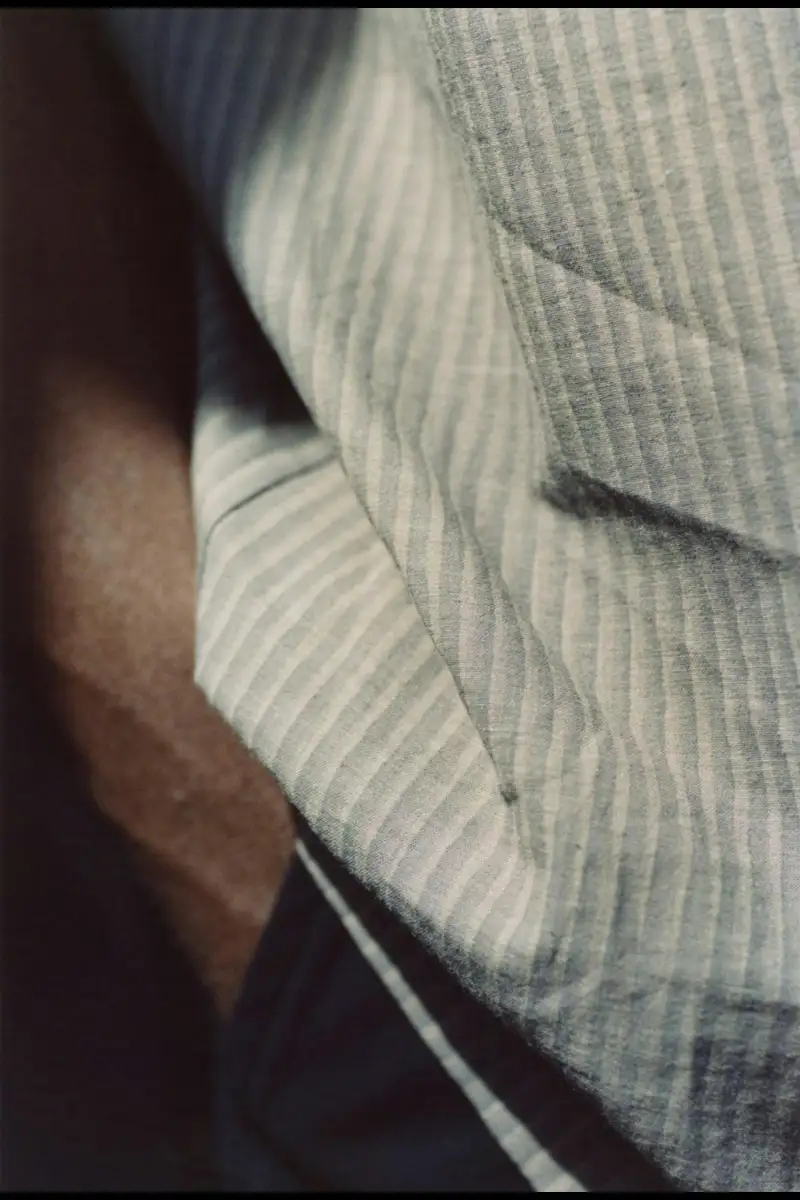
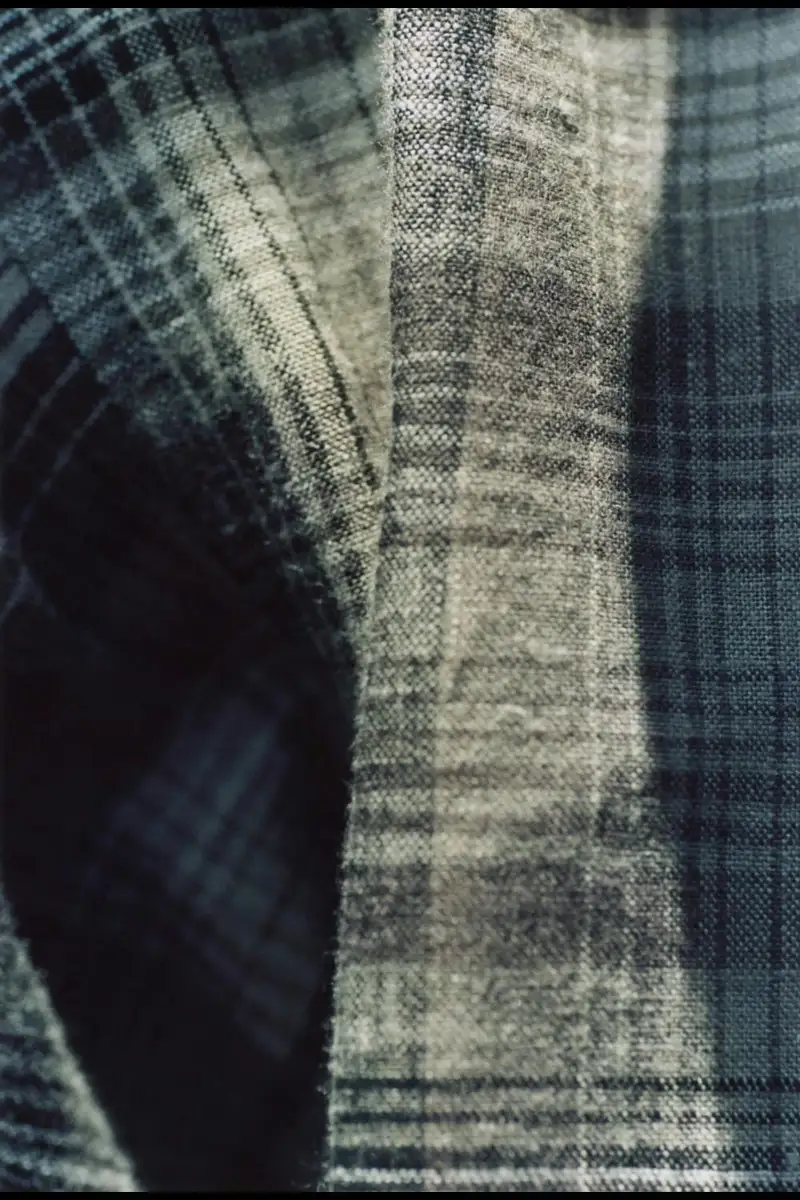
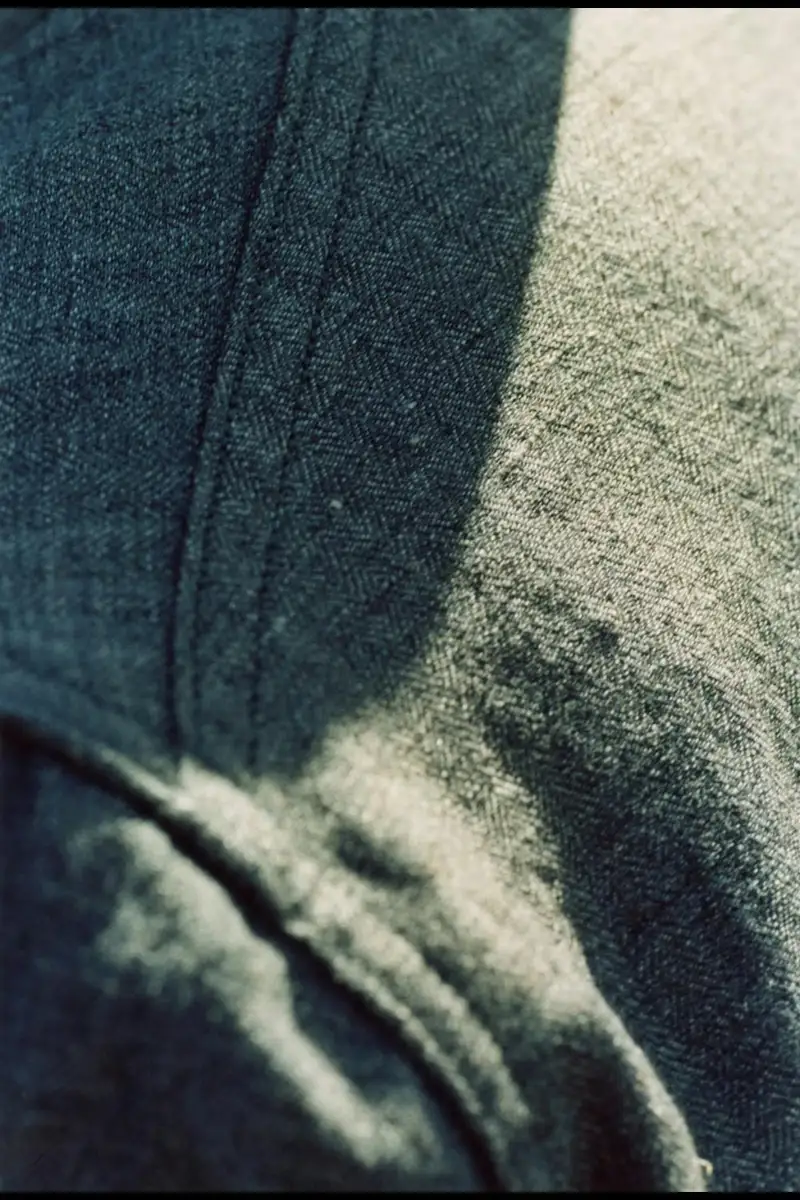
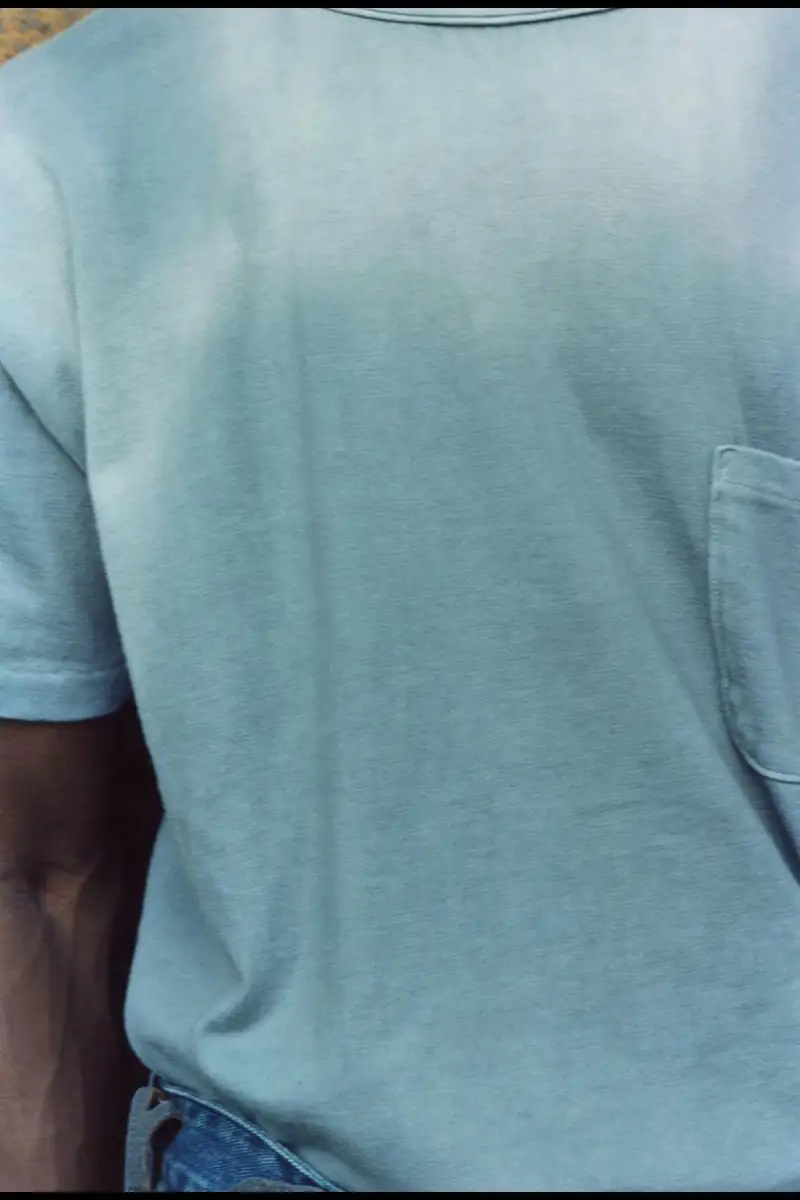
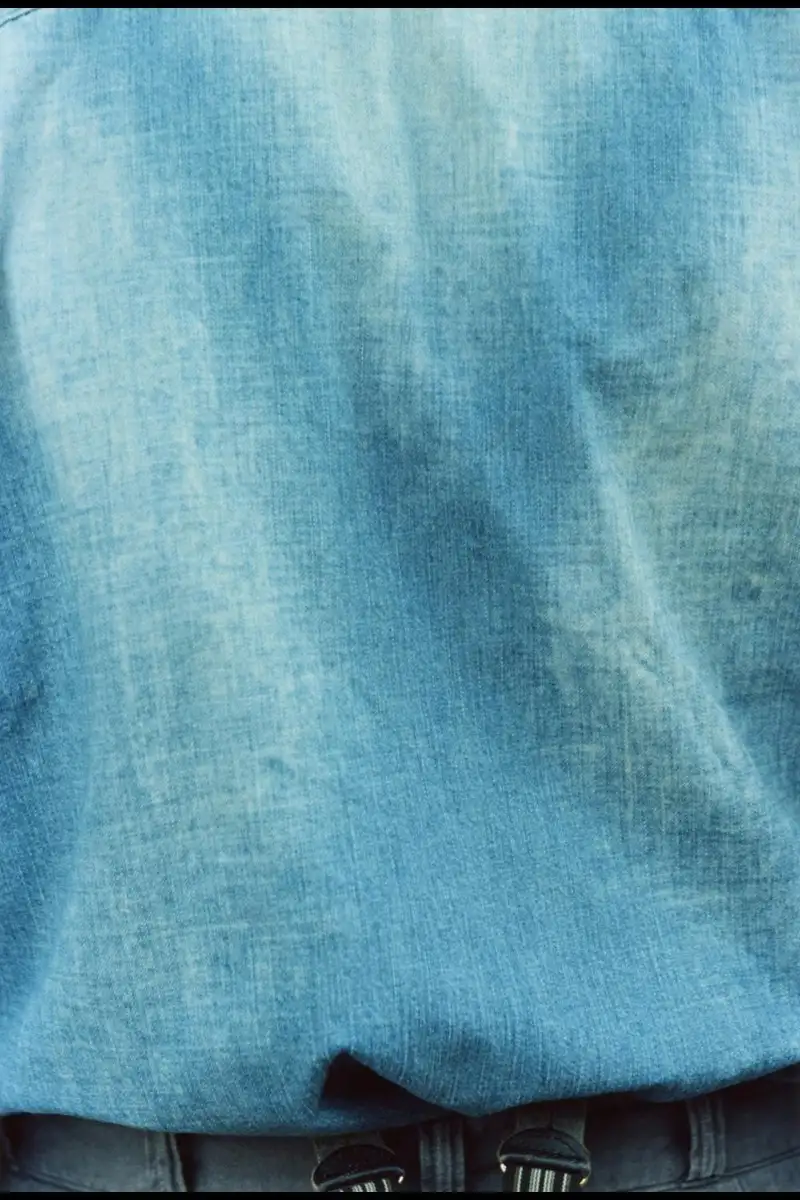
Few labels embody this textile-centric philosophy as profoundly as Taiga Takahashi. Despite the untimely passing of its founder, the eponymous brand continues to thrive under a dedicated team, meticulously preserving and advancing Takahashi’s vision. Their Fall/Winter 2026 collection, for instance, serves as a compelling testament to the power of fabric. Through evocative film photography, the collection spotlights not just the impeccably styled outfits, but the textiles themselves: sun-bleached cotton jersey, pillow-soft chambray, and neppy, slubby, one-washed denim. These are not merely components but the very soul of the garments.

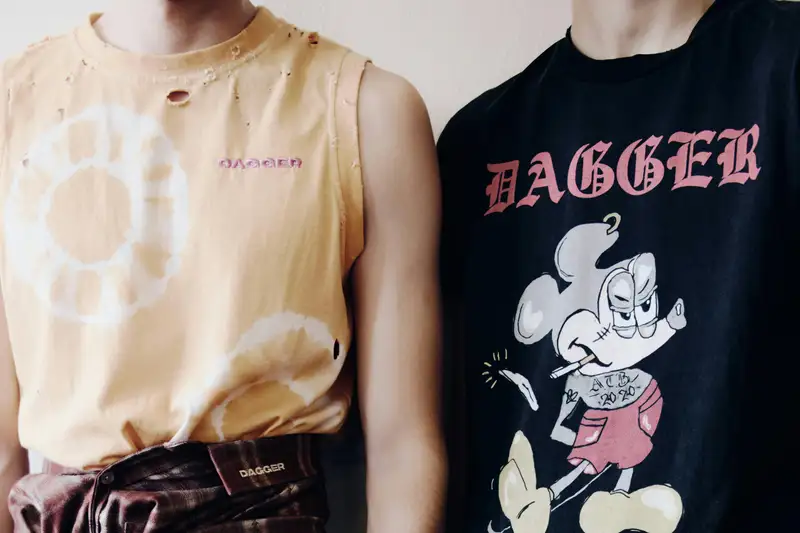
Takahashi’s label is celebrated for its thoughtful reproductions of turn-of-the-20th-century workwear, but it's the material treatments that inject contemporary relevance and depth. Techniques such as bleach-splashing and mud-dyeing, once rare for the brand, are now integral to its identity. These hands-on processes highlight the inherent character of the fabrics, many of which are sourced and woven in Japan to the brand’s exacting standards. This approach illustrates how, even with classic, boxy silhouettes, the distinct 'point-of-view' offered by the textiles becomes paramount, forging a deeper connection between the wearer and the garment through its tangible qualities.
Beyond Luxury: Accessibility and the New Normal
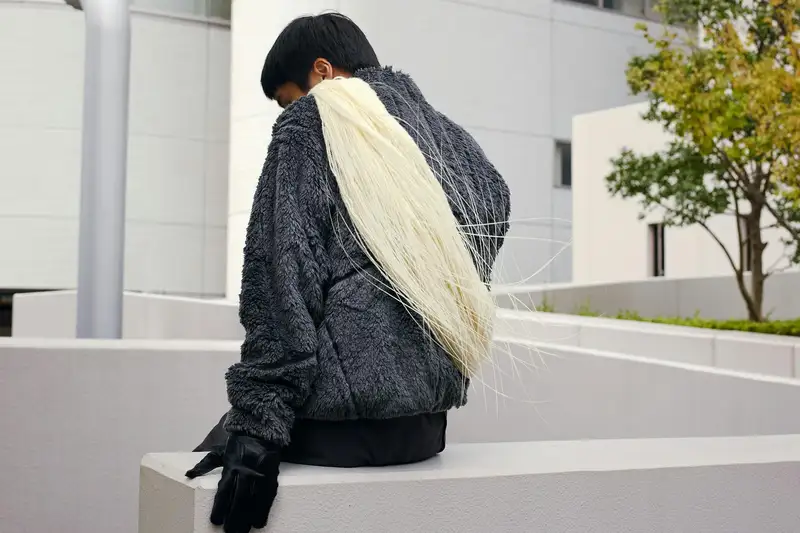
The shift towards material appreciation isn't confined to high-end designer labels. It's a broad cultural current influencing everything from established clothing giants to emerging independent talents. Across the industry, there's a growing recognition that textiles are not merely a blank canvas for design but integral elements that can themselves subvert conventions and tell a compelling story. This paradigm shift means that innovative materials and sophisticated fabric treatments are increasingly being treated as the main event, rather than a supporting detail.
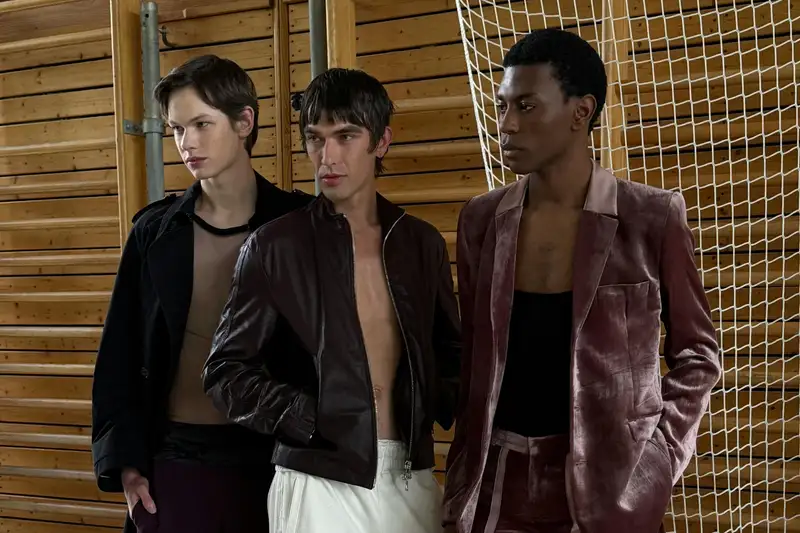
Consumers are becoming more sophisticated, actively checking fabric blends, researching the provenance of materials from renowned Italian and Japanese mills, and seeking out garments that promise longevity and a unique tactile experience. This growing collective intelligence among buyers signifies the birth of a new generation of 'fabric nerds'—individuals who derive genuine satisfaction from understanding and appreciating the intricate world of textiles. This development is universally seen as a positive evolution for menswear and fashion in general, promising a future where quality and craftsmanship hold a more central position.
Qnews24h insight
The current ascendancy of fabric appreciation in fashion signals a deeper cultural pivot away from purely ephemeral trends towards a more considered and sustainable consumption model. This isn't merely a niche interest but a widespread re-evaluation of value, where the integrity and origin of materials become primary drivers for purchase. As consumers become increasingly educated and empowered, brands that prioritize authentic craftsmanship, transparency in sourcing, and innovative textile development will likely gain a significant competitive edge. This trend suggests a future where luxury is redefined not just by exclusivity, but by the tangible quality and inherent longevity that exceptional materials provide, fostering a stronger, more mindful relationship between clothing and its wearer.

Sources
Frequently Asked Questions
What does 'fabric appreciation' mean in current fashion trends?
Fabric appreciation refers to a growing consumer and industry focus on the quality, texture, origin, and unique characteristics of textiles used in clothing, moving beyond just design or brand name. It emphasizes the tactile experience, durability, and craftsmanship of the material itself.
How has access to quality fabrics changed over time?
Historically, high-quality fabrics were often difficult to access, largely confined to specific regions (like Japan for specialized textiles) or luxury brands. Today, improved global supply chains, e-commerce, and increased consumer awareness have democratized access, making premium materials more widely available to a broader range of designers and consumers.
Who is Taiga Takahashi and why is his brand relevant to this trend?
Taiga Takahashi was a designer whose eponymous label, now run by a dedicated team, is known for its focus on high-quality, often Japanese-sourced textiles and innovative material treatments (e.g., mud-dyeing, bleach-splashing). His brand exemplifies how fabric choices can imbue garments with 'soul' and character, even with classic silhouettes, making it a key example of the textile-centric movement in fashion.
Why it matters
This evolving emphasis on fabric quality has far-reaching implications for consumers, manufacturers, and the broader fashion ecosystem. For individuals, it means a potential return to more durable, comfortable, and emotionally resonant clothing choices, fostering a 'buy less, buy better' mindset that counters the rapid consumption of fast fashion. For designers and brands, it presents an opportunity to innovate with sustainable materials, artisan techniques, and responsible sourcing, elevating their products through intrinsic value rather than fleeting hype. Economically, this trend could revitalize specialized textile industries, particularly those known for heritage craftsmanship in...
Background
For decades, exceptional clothing, particularly those boasting superior fabric quality, often remained the exclusive domain of luxury houses or required direct import from specific global hubs, most notably Japan. Access to meticulously woven denim, specialized cottons, or rare silks was a challenge for the average consumer and even many mainstream designers. This created what some have termed the 'good-clothes dark ages,' where the tactile pleasure of a truly well-made garment was an infrequent experience. However, the past decade has seen a gradual but profound shift. Advancements in global logistics, the democratization of information through the internet, and a growing consumer...
The current ascendancy of fabric appreciation in fashion signals a deeper cultural pivot away from purely ephemeral trends towards a more considered and sustainable consumption model. This isn't merely a niche interest but a widespread re-evaluation of value, where the integrity and origin of materials become primary drivers for purchase. As consumers become increasingly educated and empowered, brands that prioritize authentic craftsmanship, transparency in sourcing, and innovative textile development will likely gain a significant competitive edge. This trend suggests a future where luxury is redefined not just by exclusivity, but by the tangible quality and inherent longevity that...
References
Editorial information
The editorial team reviews sources, adds context, and structures stories so readers can understand the news more clearly.
Article from QNEWS24H
Comments
(0)No comments yet. Be the first to share your thoughts.