Steel Ball Run Anime: Producer & Composer Reveal Release Model, Music & Animation Challenges
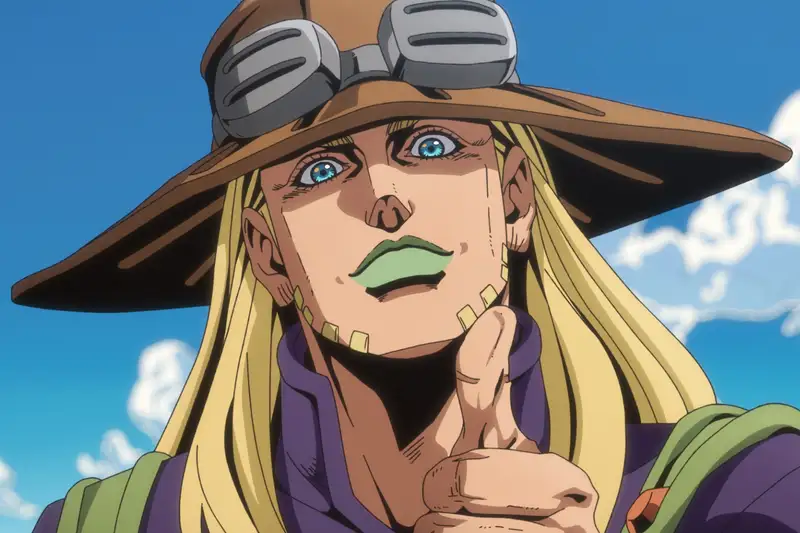
- The 2nd and 3rd STAGES of Steel Ball Run premiering September 25, 2026, follow a 47-minute special released in March.
- Producer Noriko Dohi cited the extreme technical difficulty of animating realistic horse racing as the main reason for adopting a split-cour release structure.
- Composer Yugo Kanno blended Western music with jazz and funk motifs, overcoming intense creative pressure following his viral Part 5 theme song.
- Historical consultant Hidekazu Nishikawa guided script adjustments, converting units to miles and recalibrating 1890s monetary values for accuracy.
When the long-awaited anime adaptation of JoJo’s Bizarre Adventure: Steel Ball Run made its global debut on Netflix with an extended 47-minute premiere in March 2026, it signaled a bold new chapter for Hirohiko Araki’s iconic saga. Shifting the series to a 19th-century American landscape centered around a grueling cross-continental horse race, Part 7 presents narrative and technical challenges unlike any previous installment. Behind the scenes, veteran composer Yugo Kanno and producer Noriko Dohi are navigating the massive expectations of a global fanbase while pushing the boundaries of anime production.
Quick summary
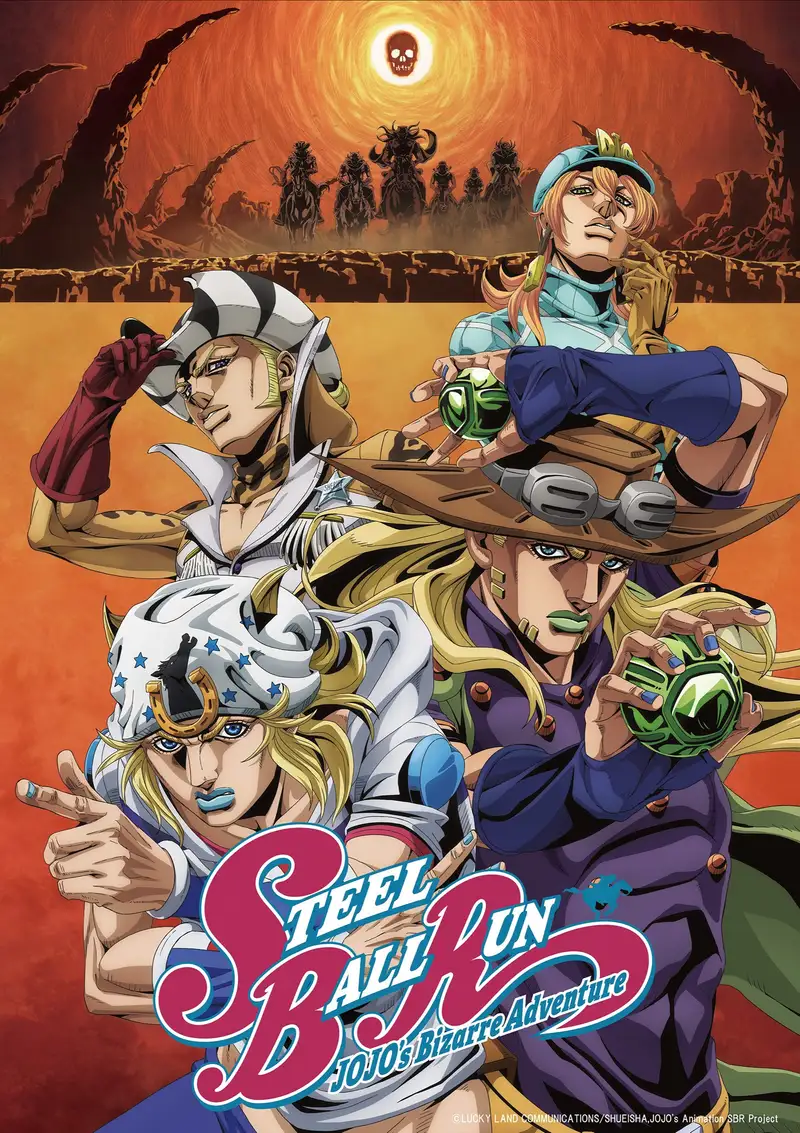
- The second and third stages of Steel Ball Run are scheduled to stream starting September 25, 2026, following the double-length premiere in March.
- Producer Noriko Dohi confirmed that the split-cour release structure was adopted specifically to maintain high animation standards for complex horse racing sequences without burning out the production team.
- Composer Yugo Kanno blended Western motifs, jazz, and funk into the score, overcoming high pressure following his globally viral Part 5 theme.
- The production team engaged historical consultant Hidekazu Nishikawa to refine script details, adjusting 19th-century monetary values and converting distances from kilometers to miles for authenticity.
Why it matters
Adapting Hirohiko Araki’s Steel Ball Run represents one of the most ambitious undertakings in modern anime adaptation history. For years, industry observers considered Part 7 nearly unadaptable due to the continuous presence of horses in motion—a notoriously difficult feat in traditional 2D hand-drawn and hybrid CGI animation. By adopting a multi-stage split-cour model, the production studio is balancing artistic perfection with sustainable labor practices, establishing a standard for how complex manga epics should be brought to screen in the streaming era.
Background
First published in 2004, Hirohiko Araki’s Steel Ball Run served as a reboot and reinvention of the JoJo’s Bizarre Adventure continuity. Set in 1890, the story follows paraplegic former jockey Johnny Joestar and enigmatic executioner Gyro Zeppeli as they navigate a deadly 6,000-kilometer horse race across North America. Following successful adaptations of Parts 1 through 6 by David Production, fans eagerly anticipated Part 7, while acknowledging the severe technical hurdles involved. The animated project officially launched on March 19, 2026, with an extended special that introduced the race's opening stages and established the aesthetic foundation for future releases.
Adapting an Epic: The Production Realities of Steel Ball Run
Translating Araki's detailed artwork from the page to screen requires far more than literal faithfulness. According to producer Noriko Dohi, who joined the franchise during Golden Wind, adapting JoJo demands deep textual analysis before a single frame is drawn. Staying faithful to Araki's artistic vision requires understanding the underlying thematic framework of the narrative.
Conquering Equestrian Animation and the Split-Cour Strategy
One of the central topics discussed by Dohi was the strategic choice to release Steel Ball Run in split cours, dubbed "STAGES." Unlike standard weekly broadcasts that run continuously for 24 or 36 episodes, Part 7 takes deliberate breaks between releases. Dohi explained that animating horse racing with convincing weight, speed, and realism requires an extraordinary amount of labor from animators and voice actors alike.
"The horse races, especially, need to feel really real and that’s incredibly difficult," Dohi noted during the interview. Given the sheer length of the manga, pushing the animation staff to produce the entire series continuously would have compromised visual quality. The split structure allows the creative team the necessary time to polish upcoming race segments without overworking the crew.
Historical Precision: From Currency Values to Distance Units
To ensure the late 19th-century American setting felt grounded, the production hired American history consultant Hidekazu Nishikawa. Working closely with the scriptwriting team from the development phase, Nishikawa scrutinized details to ensure historical fidelity while making the world accessible to international viewers.
Key script adjustments included recalibrating economic values—acknowledging that monetary sums held significantly higher purchasing power in 1890 than today—and switching distance measurements from kilometers to miles. These subtle refinements maintain historical context while respecting both Araki’s original vision and the reality of the era.
Soundtracking the Frontier: Yugo Kanno’s Musical Evolution
For music composer Yugo Kanno, who has crafted the musical identity of JoJo’s Bizarre Adventure since 2014’s Stardust Crusaders, Part 7 presented both a creative rebirth and immense psychological pressure. Kanno admitted to feeling the global weight of fan expectations, particularly following the viral explosion of Giorno Giovanna’s theme from Part 5.
Overcoming the 'Curse of Part 5' and Crafting a Western Identity
Kanno candidly described the composition process for Steel Ball Run as a "painful birth," referring to the challenge of topping his previous internet-famous compositions. However, he expressed immense relief with the final score, stating that he believes the soundtrack for Part 7 surpasses his work on Part 5.
To reflect the grand scale of a cross-continental expedition, Kanno anchored the soundtrack in Western music genres while retaining the franchise's signature jazz and funk underpinnings. Growing up in a household filled with jazz vinyl records, Kanno drew upon his musical roots to capture the rhythm and athletic posture of the characters.
The Anatomy of Araki's Themes: Keywords and Ball Spin Sounds
Kanno’s compositional method relies on identifying core narrative keywords directly from Araki's manga. For Steel Ball Run, he pinpointed the overarching concept of "two people's growth" alongside the physical momentum of the race. Fans listening closely to the soundtrack will also spot clever sound design elements integrated directly into the instrumentation, such as subtle auditory motifs mimicking the metallic spin of Gyro Zeppeli’s steel balls.
Qnews24h insight
The operational decisions behind Steel Ball Run offer a fascinating look into the changing dynamics of the anime industry. Rather than rushing a high-profile property to market, the production team's choice to divide the release timeline demonstrates prioritizing technical execution over immediate gratification. Animating continuous quadruped motion remains one of the hardest tasks in visual media. By utilizing historical consultants and allowing composer Yugo Kanno the latitude to build a distinct Western sonic landscape, the team behind Steel Ball Run is crafting a benchmark adaptation that respects both the source material and the craft of animation.
Sources
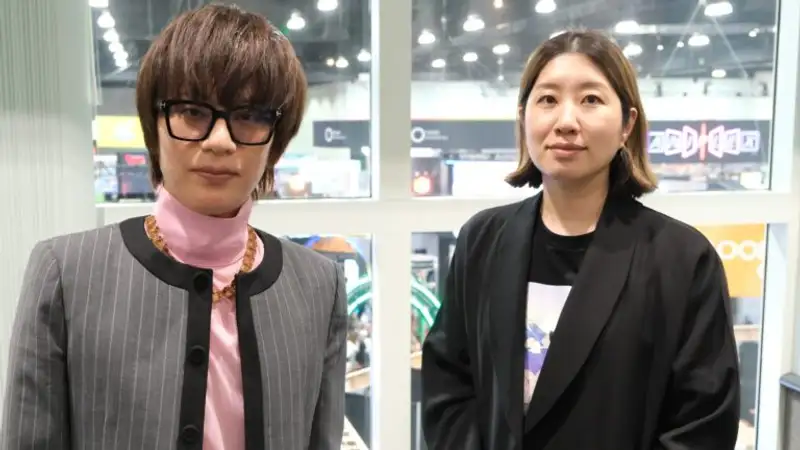
This article is based on an original interview conducted by Anime Corner during Anime Expo with music composer Yugo Kanno and producer Noriko Dohi.
Why it matters
The adaptation of Steel Ball Run is a landmark event for anime production, tackling complex quadruped animation and international historical settings. By choosing a split-cour model and employing historical consultants, the studio establishes a high standard for sustainable production quality and international authenticity in major manga adaptations.
Background
JoJo's Bizarre Adventure Part 7: Steel Ball Run was originally serialized in 2004, taking the franchise into an alternate historical timeline. Set in 1890, the story follows a cross-country horse race across America. Following David Production's adaptations of Parts 1 through 6, Part 7 was widely considered the most difficult to animate due to complex horse race sequences. The anime officially premiered its first 47-minute episode on Netflix on March 19, 2026.
The decision to break Steel Ball Run into distinct STAGES reflects a modern, pragmatic approach to animation production. Animating realistic, sustained horse racing in 2D/3D hybrid formats is exceptionally labor-intensive. Spacing out release dates protects production standards and animator well-being, while giving composer Yugo Kanno room to craft a nuanced, genre-blending score that matches Araki's grand vision.
References
Editorial information
The editorial team reviews sources, adds context, and structures stories so readers can understand the news more clearly.
Article from QNEWS24H
Comments
(0)No comments yet. Be the first to share your thoughts.