Square Enix Hints at More Traditional Final Fantasy Remakes Based on Fan Resonance

- Square Enix will adopt a 'market-in' approach for remakes, prioritizing player feedback and market trends.
- The company is open to more traditional, smaller-scale remakes that retain classic combat systems, like 'Final Fantasy Resonance'.
- This strategy aims to balance updated visuals with the core expectations of long-time fans.
- The success of 'Resonance' and 'Dragon Quest' 2.5D remakes will influence future Final Fantasy revival directions.
For years, a silent debate has simmered among legions of Final Fantasy fans: should the series’ revered classics be reimagined as sprawling, action-packed epics, or lovingly preserved with their traditional turn-based roots intact? A recent statement from Square Enix, emerging from a shareholder meeting, suggests the publisher is listening closely to this discourse, hinting that future remakes might lean into more conventional, even pixel-art, RPG styles if that’s what truly captures the hearts—and wallets—of players.
Quick summary

- Square Enix is adopting a 'market-in' approach for future game development, including remakes, emphasizing player feedback and current market needs.
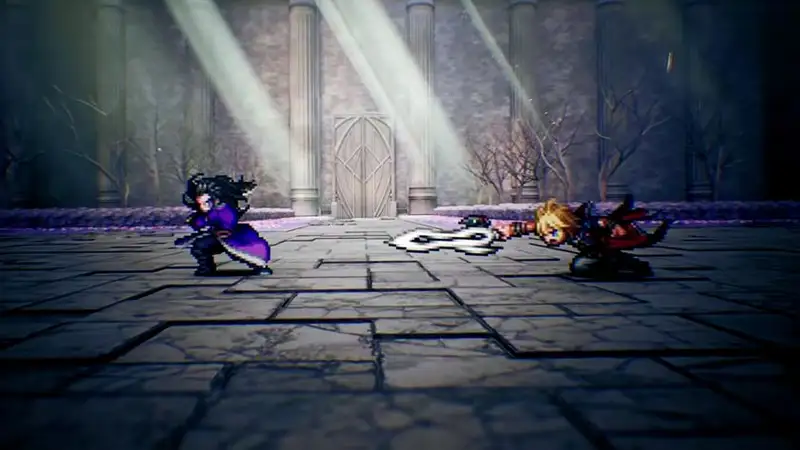
- The company acknowledges a desire for smaller, more traditional remakes that retain classic combat systems, as seen in upcoming titles like 'Final Fantasy Resonance'.
- This strategy aims to balance updated visuals with the core expectations of long-time fans who cherished the original works.
- Success of projects like 'Final Fantasy Resonance' and previous 'Dragon Quest' 2.5D remakes will influence the direction of future Final Fantasy revivals.



Why it matters
This development is significant for several reasons, impacting both the gaming industry and the vast Final Fantasy fanbase. For players, it signals a potential renaissance for the series’ beloved retro entries, offering hope that titles like Final Fantasy VI, V, or even IV could receive modern updates without sacrificing their fundamental gameplay identity. It suggests Square Enix is moving towards a more diversified portfolio for its remakes, catering to different segments of its audience—from those who embrace the modern action-RPG paradigm of Final Fantasy VII Remake to those yearning for classic command-based combat. This pragmatic approach could enhance brand loyalty and attract new players who appreciate diverse gameplay offerings, ultimately strengthening the Final Fantasy IP and potentially setting a precedent for other publishers considering how to best revive their classic franchises in a rapidly evolving market.

Background
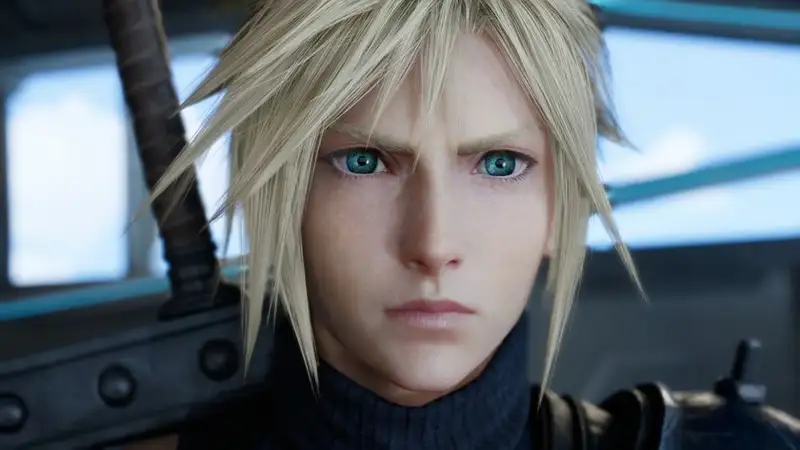
The Final Fantasy series has undergone a significant evolution since its inception as a traditional turn-based role-playing game in 1987. Over decades, its combat systems have transformed, culminating in the real-time action-oriented gameplay seen in modern entries like Final Fantasy XV and Final Fantasy VII Remake. While the latter has been a commercial and critical success, its departure from the original's turn-based ATB (Active Time Battle) system sparked a fervent discussion among fans about the essence of a Final Fantasy remake.

Previously, Square Enix had largely focused on large-scale, graphically intensive remakes, as exemplified by the ambitious Final Fantasy VII Remake trilogy, which reimagined Midgar with cutting-edge visuals and an entirely new combat system. However, the company also dipped its toes into preserving older styles with projects like the 2.5D pixel remasters of earlier Final Fantasy titles and the release of 'Final Fantasy Tactics – The Ivalice Chronicles' last year, which retained its isometric visuals. The recent shareholder Q&A specifically addressed inquiries about the potential for more modest projects, similar to the upcoming 'Final Fantasy Resonance'—a spin-off remake of a mobile game, designed with a 2.5D pixel art aesthetic and retaining traditional combat. This question directly challenged Square Enix's perceived singular focus on blockbuster, action-driven remakes.
Qnews24h insight

Square Enix's recent comments reveal a nuanced and commercially pragmatic approach to its treasured Final Fantasy intellectual property. Rather than committing solely to either the massive, action-oriented reimagining of Final Fantasy VII Remake or the pixel-perfect preservation of older titles, the company appears to be adopting a diversified strategy driven by market feedback and player resonance. This isn't a sudden pivot away from modern design, but rather an acknowledgment that different segments of its vast fanbase value distinct experiences when it comes to reviving classics. By openly stating a 'market-in' approach and prioritizing what 'truly resonates,' Square Enix is signaling a willingness to leverage its extensive back catalog with varied development scales and gameplay styles. This could lead to a healthier ecosystem for the franchise, where both cutting-edge AAA blockbusters and nostalgic, traditionally-styled remakes can coexist, ultimately maximizing reach and revenue across a broader demographic of gamers.
The 'Market-In' Approach: Listening to the Fanbase
Square Enix's explanation during the shareholder meeting underscored a commitment to a 'market-in approach.' This business strategy prioritizes understanding and responding to customer needs and market trends over purely internal creative visions. For a company with a legacy as rich and diverse as Square Enix's, this means carefully weighing what players want against development costs and expected returns.
The statement articulated the challenge of striking 'the right balance between our approach and the expectations of players who loved the original works.' This indicates an acute awareness of the delicate tightrope walk involved in remaking beloved games—innovate too much, and risk alienating purists; innovate too little, and risk feeling outdated to new audiences. The success of smaller, more focused projects, like 'Final Fantasy Resonance,' which combines updated visuals with classic combat, will be critical data points for Square Enix.

Drawing Lessons from Dragon Quest and Beyond
The company's observation that 'specific titles may call for specific mechanics' further solidifies this adaptive strategy. It suggests a move away from a 'one size fits all' remake philosophy. A compelling precedent for this diversified approach can be found within Square Enix's own portfolio: the Dragon Quest series. Several early Dragon Quest entries have been successfully remade in a 2.5D style, captivating both long-time fans and new players by blending nostalgic aesthetics with modern polish.

These Dragon Quest remakes demonstrate that a traditional visual and gameplay style can indeed 'find multiple generations of new fans.' This success story likely serves as a strong internal case study for the Final Fantasy franchise, suggesting that not every classic needs a full-blown, several-hundred-million-dollar modern reimagining to be successful and relevant.
The Future Landscape of Final Fantasy Revivals

This shift implies a future where the Final Fantasy franchise could become even more multifaceted. While mainline entries and large-scale remakes will continue to push the boundaries of triple-A development, there's now a clearer path for smaller, more 'traditional' remakes to emerge. This could mean a more consistent flow of new and old Final Fantasy experiences for fans, covering a broader spectrum of tastes and preferences.
The emphasis on 'what truly resonates' means that player engagement, sales figures, and community feedback for games like 'Final Fantasy Resonance' will directly influence the pipeline for future projects. This gives players a tangible way to impact the franchise's direction—by supporting the types of remakes they wish to see more of.
A Balanced Portfolio: Innovation Meets Nostalgia
Ultimately, Square Enix appears to be cultivating a balanced portfolio, allowing the primary Final Fantasy numbered series to innovate with new gameplay mechanics and graphical advancements, while simultaneously exploring avenues to reintroduce its foundational titles in ways that honor their legacy. This pragmatic stance could foster a more harmonious relationship with its diverse player base, ensuring that the magic of Final Fantasy continues to resonate, whether in a sprawling open world or a meticulously crafted pixel art battle.

Sources

FAQ
-
What does Square Enix mean by a 'market-in approach'?

A 'market-in approach' means that Square Enix will prioritize understanding current market needs, trends, and player feedback when making decisions about game development, including remakes. This contrasts with a 'product-out' approach, which would focus more on internal creative vision without as much external validation.
-
Which types of Final Fantasy remakes could we expect to see more of?

While large-scale, action-oriented remakes like Final Fantasy VII Remake will likely continue, Square Enix's statement suggests an increased possibility of smaller-scale remakes that maintain traditional RPG mechanics and aesthetics, similar to the upcoming Final Fantasy Resonance or the 2.5D Dragon Quest remakes.
-
How can fans influence future Final Fantasy remake decisions?
According to Square Enix, the company will assess 'what truly resonates within the current market environment.' This implies that positive feedback, strong sales, and community engagement for specific types of remakes (e.g., more traditional or pixel-art styles) will directly inform their future development efforts.
-
Does this mean Square Enix is abandoning modern action-RPGs for Final Fantasy?

No, the statement does not indicate an abandonment of modern action-RPGs. Instead, it suggests a diversification of their remake strategy, allowing for both large-scale, action-focused titles and smaller, more traditional RPG remakes to coexist based on market demand and fan preferences.



Why it matters
This development offers hope to Final Fantasy fans yearning for faithful modernizations of classic turn-based RPGs, indicating Square Enix is diversifying its remake strategy beyond large-scale action epics. It could lead to a richer, more varied portfolio of Final Fantasy revivals, enhancing brand loyalty across different player segments and potentially influencing how other publishers approach their own legacy titles in the competitive gaming market.
Background
The Final Fantasy series has evolved from traditional turn-based RPGs to modern action-oriented combat, with the ambitious Final Fantasy VII Remake trilogy exemplifying the latter. While successful, its departure from the original's combat spurred debate. Square Enix previously released pixel remasters and 'Final Fantasy Tactics – The Ivalice Chronicles' in traditional styles. A recent shareholder inquiry about the potential for more modest, classic-style remakes, like the upcoming 2.5D 'Final Fantasy Resonance', prompted the company's detailed response about its 'market-in' strategy, indicating a potential shift from solely focusing on blockbuster action remakes.
Square Enix's pragmatic stance on Final Fantasy remakes reflects a mature understanding of its diverse player base and the commercial realities of intellectual property management. Rather than enforcing a singular, modern vision across all remakes, the company is signaling a shrewd diversification strategy. This approach, driven by 'market-in' principles, suggests future revivals will be less about imposing a new design philosophy and more about strategically responding to what specific fan segments value most. This could lead to a more balanced and financially robust future for the franchise, where both grand, transformative remakes and reverent, traditionally styled updates coexist, each...
References
Editorial information
The editorial team reviews sources, adds context, and structures stories so readers can understand the news more clearly.
Article from QNEWS24H
Comments
(0)No comments yet. Be the first to share your thoughts.