Sony's PSN Policy Again Blocks PC Game 'Marvel Tōkon' in 100+ Countries

- Marvel Tōkon's PC release is region-locked in 132 countries due to mandatory PSN account requirements.
- This issue mirrors a recent controversy involving Helldivers 2 and several other PlayStation PC ports.
- The restriction impacts key gaming communities in regions where PSN is not officially available.
- Sony previously reversed similar PSN mandates for other PC titles after widespread player backlash, but the problem persists.
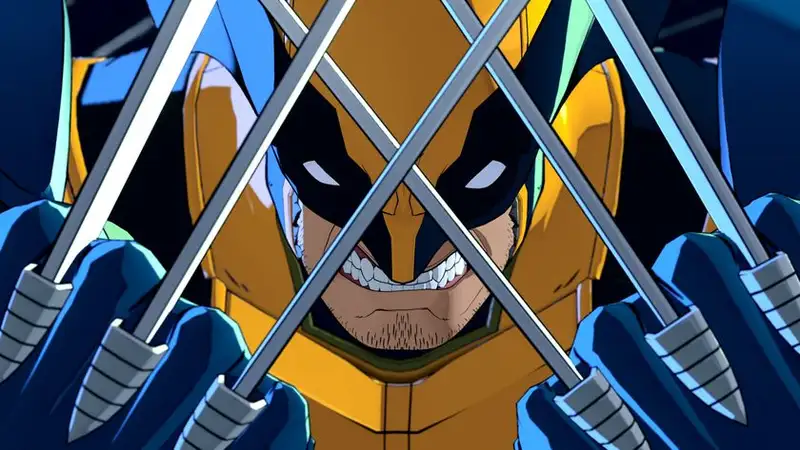
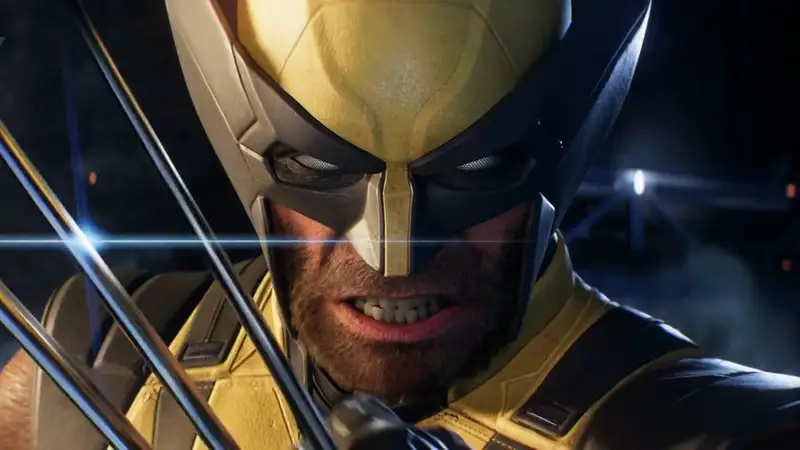
A familiar controversy is once again unfolding in the PC gaming landscape, as Sony's PlayStation Network (PSN) account requirement has led to the upcoming fighting game, Marvel Tōkon, being region-locked in 132 countries. This decision effectively bars access for a significant portion of the global gaming community, particularly impacting regions where PSN services are not officially available, echoing a highly publicized debacle from just a few months prior.

Quick summary

- The PC version of the upcoming fighting game, Marvel Tōkon, has been region-restricted on Steam in 132 countries.
- The unavailability stems from Sony's mandatory PlayStation Network (PSN) account link, even in territories without official PSN support.
- This incident mirrors a recent controversy involving Helldivers 2, where Sony initially imposed, then reversed, a PSN login requirement for PC players.
- The restrictions impact countries with vibrant gaming communities, such as Pakistan and the Dominican Republic, raising concerns about global accessibility.



Why it matters
This recurring issue carries significant implications for gamers, the PC market, and Sony's standing as a publisher. For players in the affected 132 countries, it means being arbitrarily excluded from new releases simply because of their geographical location, irrespective of their willingness or ability to purchase games. This exclusion fosters deep frustration and resentment, undermining goodwill that Sony might cultivate by bringing its first-party titles to PC. It also signals a lack of consistent global strategy from a major industry player, one that seems to repeatedly misjudge the global PC market's reach and expectations.

Furthermore, it highlights a broader challenge for the PC gaming ecosystem, which prides itself on openness and accessibility. When a platform holder imposes external, region-specific requirements, it fragments the market and creates barriers that can deter legitimate consumers. For Sony, these repeated missteps risk damaging its reputation as a PC publisher, potentially making future PC ports less appealing to a global audience and even impacting the brand loyalty of dedicated fans.
Background
The current situation with Marvel Tōkon is not an isolated incident but rather the latest episode in a pattern of Sony's contentious policies regarding PSN requirements for its PC ports. The most prominent precedent occurred recently with Helldivers 2, a co-op shooter developed by Arrowhead Game Studios and published by Sony Interactive Entertainment. After its successful launch in February 2024, Sony announced in May that a PSN account would become mandatory for all PC players, even those who had already been playing for months.
This post-launch mandate ignited a massive player backlash. Thousands of negative reviews flooded Steam, and the game's rating plummeted. The core of the problem was identical to the current Marvel Tōkon situation: PSN is not officially available in over 100 countries, meaning players in those regions would be locked out of a game they had already purchased. The outcry was so severe that Sony, within days, performed a rare and significant U-turn, stating that the PSN login would no longer be mandatory for Helldivers 2.
Before the Helldivers 2 controversy, several other PlayStation PC ports, including God of War Ragnarok, Spider-Man 2, Ghost of Tsushima, and The Last of Us Part II Remastered, were also region-restricted in territories without PSN access. While many of these titles saw their restrictions eventually lifted or never fully enforced in the same way, the horror game Until Dawn reportedly remains region-locked in some of these territories. These incidents collectively illustrate a recurring systemic issue within Sony's strategy for expanding its PlayStation brand into the PC space.
The fundamental problem lies in Sony's insistence on linking its PC offerings to a console-centric network that lacks global parity. The PlayStation Network operates under specific legal and infrastructure frameworks that differ from country to country, leading to its unavailability in numerous nations. When a PC game is made dependent on a PSN account, it inadvertently creates an exclusion zone for a large segment of the global PC gaming community, which can access Steam but not Sony's proprietary online service.
Sony's PC Strategy Under Scrutiny
The repeated imposition and subsequent reversal, or re-imposition in new titles, of PSN mandates highlights a troubling inconsistency in Sony's approach to the burgeoning PC market. While the company has increasingly embraced PC ports for its traditionally console-exclusive titles, signaling a strategic shift towards broader accessibility and revenue streams, these regional restrictions demonstrate a fundamental disconnect between its global ambitions and its operational realities.
The Marvel Tōkon issue comes at a time when Sony has faced several public relations challenges. Recent decisions, such as a retreat from physical game sales in some regions and controversies surrounding its increased investment in AI technology, have drawn criticism from various segments of its audience. Doubling down on policies that exclude large player bases from new titles only adds to a perception of a company struggling to align its internal policies with external market expectations and player sentiment.
The move to PC was initially celebrated by many as a progressive step for PlayStation, allowing more players to experience critically acclaimed titles. However, the benefits of this expansion are significantly curtailed when large geographical areas are deemed ineligible. This strategy not only alienates potential customers but also creates a precedent that other platform holders might consider, potentially fragmenting the global PC gaming market further.
The 'Marvel Tōkon' Case
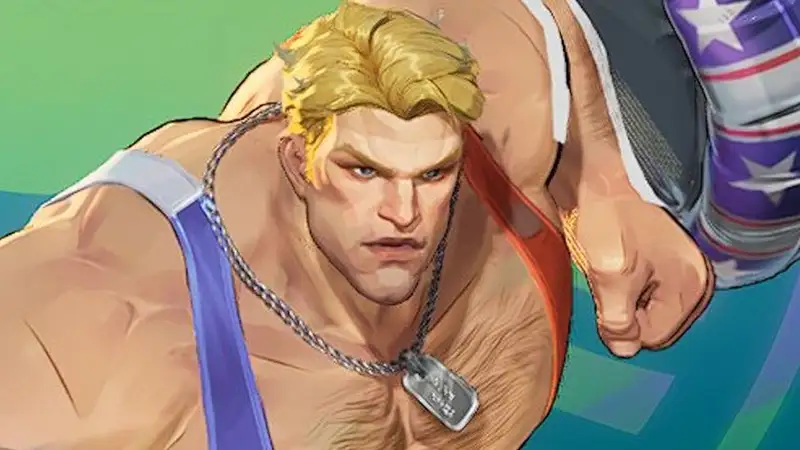
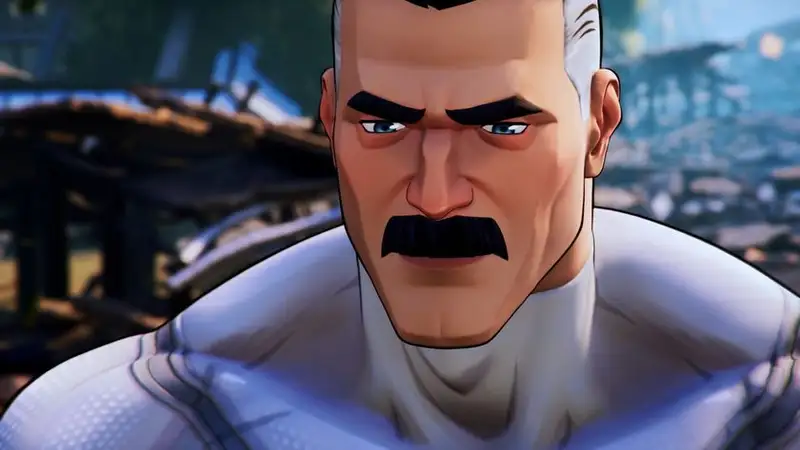
Marvel Tōkon, an upcoming tag fighter, is the latest game caught in this policy web. The game, which features a roster of Marvel characters like Blade, Ghost Rider, Loki, and Deadpool, has generated considerable excitement, particularly within the global fighting game community. This genre boasts significant popularity in diverse regions across the world, including countries like Pakistan, the Dominican Republic, Morocco, Egypt, Fiji, and Jamaica – all of which are currently on the region-restricted list for the game's PC version.
For fans in these regions, the restriction is a direct blow. It means missing out on the game entirely, despite potentially having access to a robust PC gaming setup and a desire to participate in the game's online community. The timing is particularly unfortunate given that Marvel Tōkon is currently holding an open beta on PC and PS5 from July 24 to July 26. This beta allows players to try out characters like Blade, offering a taste of the game that will remain out of reach for many.
Qnews24h Insight
The persistent cycle of PSN-related regional restrictions and subsequent backlashes suggests a significant internal communication or strategic misalignment within Sony. It appears that the lessons learned from the Helldivers 2 controversy, which forced a public and costly reversal, have not been fully integrated into the release pipeline for subsequent PC titles. This pattern indicates either a fundamental disconnect between different divisions responsible for PC publishing and PSN policy, or a deliberate, yet consistently problematic, strategy to enforce PSN integration regardless of market readiness.
For a company that increasingly views PC as a vital component of its broader gaming ecosystem, such repeated errors in global market understanding are unsustainable. The goodwill generated by porting titles like God of War and Spider-Man to PC is steadily eroded by these exclusionary practices. The global PC gaming community is diverse and spans every corner of the world; attempting to shoehorn a region-limited console network requirement onto this open platform will invariably lead to frustration and missed opportunities for revenue and player engagement. Moving forward, Sony must demonstrate a more cohesive and globally-aware strategy for its PC endeavors to avoid alienating a critical segment of its potential audience.
Sources
Frequently Asked Questions
What is the core issue with Marvel Tōkon's PC release?
The PC version of Marvel Tōkon is unavailable for purchase or play in 132 countries because Sony requires a PlayStation Network (PSN) account to play, and PSN services are not officially supported in those regions.
Has Sony faced similar problems with PSN requirements on PC before?
Yes, Sony faced a major backlash earlier this year when it attempted to make a PSN account mandatory for Helldivers 2 PC players, a requirement it later reversed. Similar restrictions also affected other PC ports like God of War Ragnarok and Spider-Man 2, though many of those were later lifted or never fully enforced.
Why are these specific countries affected by the PSN requirement?
These countries are affected because PlayStation Network (PSN) has specific legal, regulatory, and infrastructure requirements that vary globally, leading to its official unavailability in many territories. When a PC game is tied to a PSN account, it inadvertently locks out players in these regions who cannot create or access a PSN account.
Why it matters
This recurring issue significantly frustrates players in excluded regions, denying them access to popular games despite owning the necessary hardware. It damages Sony's brand reputation within the PC gaming community, indicating a lack of consistent global strategy and undermining efforts to expand its first-party titles to a wider audience. The repeated missteps highlight a broader challenge for the PC gaming market regarding accessibility and platform holder policies.
Background
The current controversy with Marvel Tōkon closely follows a contentious period earlier this year when Sony attempted to enforce a mandatory PlayStation Network (PSN) account link for Helldivers 2 PC players. That decision, made months after the game's launch, led to widespread player revolt and a flood of negative reviews, forcing Sony to reverse its policy. Prior to this, several other PlayStation PC ports, including God of War Ragnarok and Ghost of Tsushima , also experienced region restrictions in countries without PSN access. These incidents stem from PSN's operational limitations in over 100 territories due to differing legal and logistical frameworks, creating an ongoing conflict when...
The repeated imposition of PSN-based region locks for PC games, despite recent high-profile reversals and player backlash, suggests a deep-seated disconnect within Sony's strategy for its growing PC portfolio. This pattern indicates either a significant internal communication breakdown between its PC publishing arm and its PlayStation Network policy creators, or a persistent, perhaps misguided, attempt to force PSN integration globally without adequately addressing regional market realities. Such inconsistency risks fostering long-term distrust among PC gamers and could ultimately hinder Sony's ambitions to become a major multi-platform publisher, as it demonstrates a failure to learn from...
References
Editorial information
The editorial team reviews sources, adds context, and structures stories so readers can understand the news more clearly.
Article from QNEWS24H
Comments
(0)No comments yet. Be the first to share your thoughts.