Sony to End PlayStation Physical Game Discs by 2028: The Death of Physical Media

- Sony will officially halt the production of physical game discs for all PlayStation consoles starting in January 2028, forcing a complete transition to digital downloads via the...
- The change will not affect physical game releases scheduled before 2028, but future titles beyond that deadline will only be available digitally.
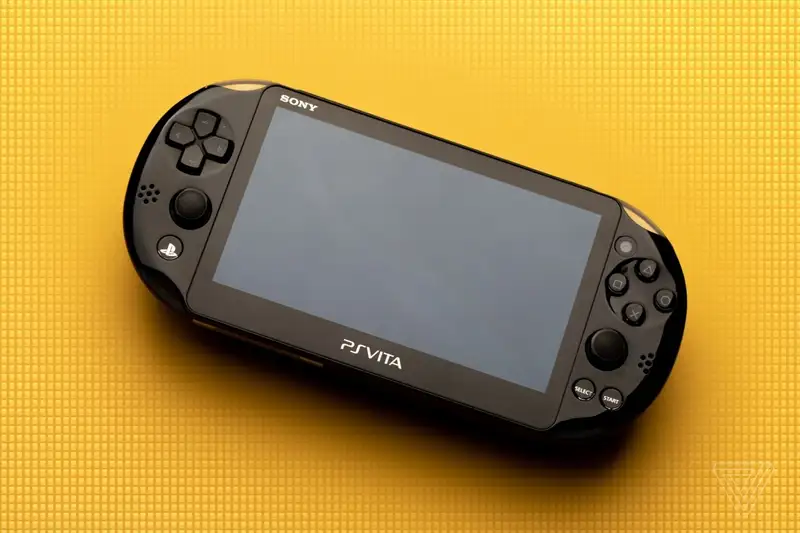
- In tandem, Sony is shutting down the PlayStation Store for legacy consoles, specifically the PlayStation 3 (launched in 2006) and the PlayStation Vita (launched in 2011), due to...
For nearly three decades, the satisfying clack of a plastic case and the gleam of a freshly unboxed game disc have been central to the PlayStation experience. From the CD-ROMs of the original 1994 console to the high-capacity Ultra HD Blu-rays of the PlayStation 5, physical media has defined console gaming generations. However, that era is officially drawing to a close. Sony Interactive Entertainment has announced a massive policy shift that will see the gaming giant completely phase out physical disc manufacturing for PlayStation consoles by January 2028. This move, combined with the imminent shutdown of digital stores for legacy consoles, represents a permanent pivot toward an all-digital gaming landscape—one that will reshape consumer ownership, retail networks, and video game preservation forever.
Quick summary
- Sony will officially halt the production of physical game discs for all PlayStation consoles starting in January 2028, forcing a complete transition to digital downloads via the PlayStation Store.
- The change will not affect physical game releases scheduled before 2028, but future titles beyond that deadline will only be available digitally.
- In tandem, Sony is shutting down the PlayStation Store for legacy consoles, specifically the PlayStation 3 (launched in 2006) and the PlayStation Vita (launched in 2011), due to outdated payment security standards.
Why it matters
This decision marks the first time a major console manufacturer has set a hard deadline for the total elimination of physical media. For decades, physical discs have served as a safeguard for consumer ownership, allowing players to trade, resell, lend, and play games offline without relying on digital servers. Sony’s transition to digital-only distribution effectively hands absolute control over pricing, licensing, and availability to the platform holder. It also poses an existential threat to traditional brick-and-mortar game retailers, who rely heavily on physical disc sales and the secondary used-game market to survive. Furthermore, the simultaneous closure of legacy digital stores highlights the fragile state of game preservation, leaving older titles at risk of becoming entirely inaccessible.

Background
The shift toward digital distribution has been building for over a decade. When Sony launched the PlayStation 5 and Microsoft introduced the Xbox Series X/S in 2020, both companies offered digital-only versions of their consoles at a lower price point. Over the years, digital sales have steadily outpaced physical software purchases, driven by the convenience of instant downloads, subscription models like PlayStation Plus, and high-speed internet adoption. The physical market faced another blow when Rockstar Games recently confirmed that physical box editions of the highly anticipated Grand Theft Auto VI would not contain an actual disc, but rather a digital download code. Additionally, Sony's legacy platforms have been on borrowed time; the company previously attempted to shut down the PS3 and Vita stores in 2021 but backtracked after intense fan backlash. This time, the shutdown is final, with Sony citing the inability of older hardware to meet modern e-commerce security and payment processing compliance.
Qnews24h insight
Sony's decision is a pragmatic business move wrapped in the inevitability of technological progress, but it exposes a glaring compromise in consumer rights. By phasing out discs, Sony eliminates the manufacturing, packaging, and shipping costs associated with physical products, while simultaneously capturing 100% of the retail margin by bypassing third-party retailers. However, this creates a closed monopoly where consumers have zero alternative marketplaces. Without the competition of physical retail discounts or a secondhand market, digital game prices are likely to remain high for longer periods. More critically, this transition challenges the concept of ownership. In a digital-only future, players do not own games; they merely license them, subject to the whims of corporate licensing agreements, server maintenance costs, and platform policy changes.
The Retail Fallout: Brick-and-Mortar Under Threat
The death of physical discs will send shockwaves through the global retail supply chain. Video game retailers have long used physical software as a hook to draw foot traffic into stores, where they also sell high-margin accessories, merchandise, and consoles. Without physical games to sell, the viability of dedicated gaming stores is deeply compromised. This transition also marks the end of the thriving pre-owned game economy, which historically allowed budget-conscious players to experience blockbuster titles at a fraction of their launch price.
The Preservation Dilemma: What Happens to Our Digital Libraries?
When digital stores close, the cultural history of video games is put at risk. The closure of the PS3 and PS Vita storefronts serves as a cautionary tale. While users who previously purchased digital titles on these platforms can still download them in the near future, there is no guarantee of permanent access. Once the download servers are turned off permanently, hundreds of digital-only indie titles and classic games that were never released physically could vanish from history. Game preservationists argue that physical media remains the most reliable way to keep gaming history alive, free from the constraints of digital rights management (DRM) and corporate server shutdowns.
FAQ
1. Can I still play my existing physical PlayStation discs after 2028?
Yes. PlayStation consoles with physical disc drives (like the standard PS5) will still be able to read and play physical discs that you already own or purchase before the 2028 cutoff. The policy change only stops the production of new physical discs going forward.
2. Why is Sony closing the PS3 and PS Vita digital storefronts?
Sony stated that the PlayStation 3 and PlayStation Vita hardware can no longer support modern e-commerce systems and meet current secure payment processing standards. Because of these technical and security limitations, transactions on these legacy stores will be disabled.
3. Will I lose access to digital games I already bought on PS3 and PS Vita?
No, not immediately. While you will no longer be able to make new purchases on the PS3 and PS Vita stores, Sony has confirmed that users will still be able to redownload and play previously purchased content for the foreseeable future.
Sources
This report is compiled with factual data and statements published by Znews.vn and industry updates reported by The Verge and Bloomberg.
Why it matters
This decision marks the first time a major console manufacturer has set a hard deadline for the total elimination of physical media. For decades, physical discs have served as a safeguard for consumer ownership, allowing players to trade, resell, lend, and play games offline without relying on digital servers. Sony’s transition to digital-only distribution effectively hands absolute control over pricing, licensing, and availability to the platform holder.
Background
The shift toward digital distribution has been building for over a decade. When Sony launched the PlayStation 5 and Microsoft introduced the Xbox Series X/S in 2020, both companies offered digital-only versions of their consoles at a lower price point. Over the years, digital sales have steadily outpaced physical software purchases, driven by the convenience of instant downloads, subscription models like PlayStation Plus, and high-speed internet adoption.
Sony's decision is a pragmatic business move wrapped in the inevitability of technological progress, but it exposes a glaring compromise in consumer rights. By phasing out discs, Sony eliminates the manufacturing, packaging, and shipping costs associated with physical products, while simultaneously capturing 100% of the retail margin by bypassing third-party retailers. However, this creates a closed monopoly where consumers have zero alternative marketplaces.
References
Editorial information
The editorial team reviews sources, adds context, and structures stories so readers can understand the news more clearly.
Article from QNEWS24H
Comments
(0)No comments yet. Be the first to share your thoughts.