Should Japan Launch Its Own Anime Awards? WIT Studio President Sparks Global Debate
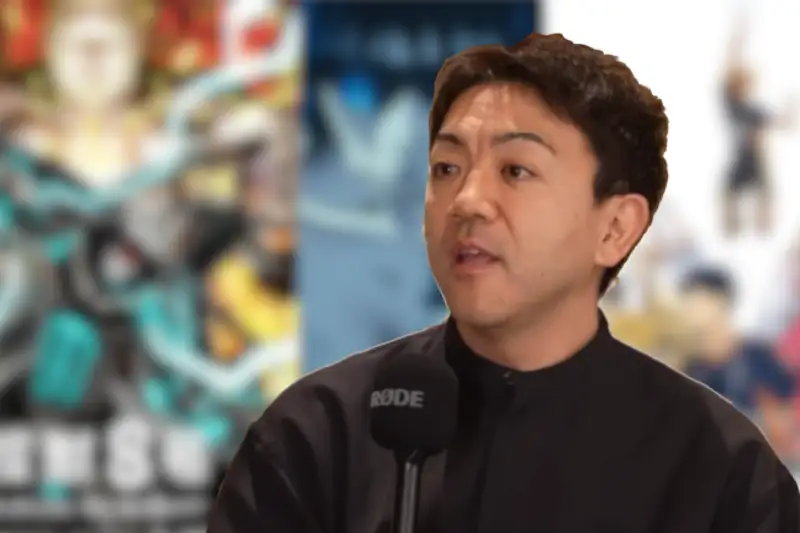
- WIT Studio and Production I.G President George Wada advocated for a domestic, Japanese-led anime awards program to better represent the industry and its creators.
- The Western-centric Crunchyroll Anime Awards faces recurring criticism over its opaque selection process, mainstream bias, and the absence of actual anime industry professionals...
- Industry leaders from MAPPA, Toei, and Nippon Animation warned of severe domestic challenges, including animator shortages, extreme geographic centralization in Tokyo, and...
As Japanese anime continues to conquer global entertainment markets, a quiet but profound debate is brewing over who gets to define and celebrate the medium's greatest achievements. At the center of this cultural tug-of-war is George Wada, the high-profile president of Production I.G and WIT Studio. Speaking at a recent industry symposium focused on the sustainable growth of Japanese animation, Wada proposed a radical shift: the creation of an official, domestic-led Japanese anime awards show. This call arrives at a highly sensitive time, as the massive, Western-dominated Crunchyroll Anime Awards faces another wave of intense scrutiny from creators, industry insiders, and global fans alike.
Quick summary
- Call for Autonomy: WIT Studio and Production I.G President George Wada advocated for a domestic, Japanese-led anime awards program to better represent the industry and its creators.
- Crunchyroll Under Fire: The Western-centric Crunchyroll Anime Awards faces recurring criticism over its opaque selection process, mainstream bias, and the absence of actual anime industry professionals on its voting panels.
- Broader Structural Crisis: Industry leaders from MAPPA, Toei, and Nippon Animation warned of severe domestic challenges, including animator shortages, extreme geographic centralization in Tokyo, and unsustainable production models.
Why it matters
For decades, Japanese production companies focused almost entirely on the domestic market, leaving overseas distribution and marketing in the hands of foreign licensing partners. This vacuum allowed Crunchyroll to establish its annual awards ceremony as the de facto global authority on anime excellence, drawing an astonishing 73 million votes in its latest edition. However, this has created a massive disconnect: the creative epicenter of anime remains in Tokyo, but the narrative of what constitutes "award-winning" quality is determined by a highly commercialized, Western streaming platform.
Wada's proposal is about more than just a trophy; it represents a bid to reclaim cultural and economic agency. If the ultimate validation of an animator's work is decided by overseas marketing forces rather than peer recognition, the domestic industry risks losing control over its own artistic identity. Furthermore, linking quality standards directly to Japanese-led criteria could reshape how international audiences discover non-mainstream titles that currently get drowned out by global licensing budgets.
Background
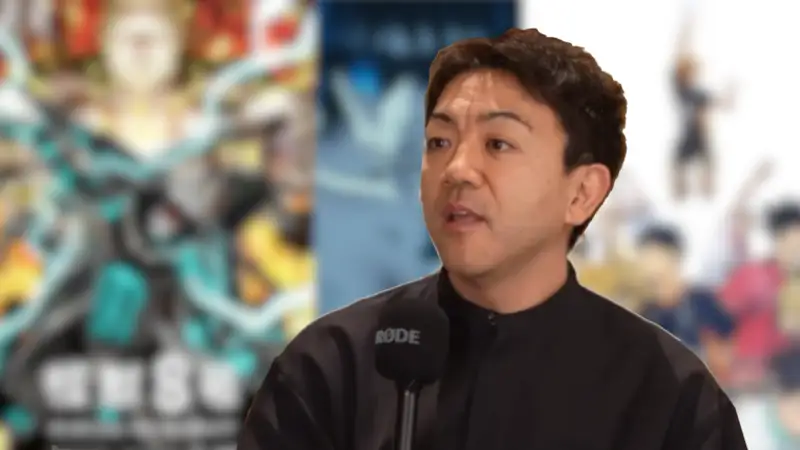
The push for a domestic awards ceremony was unveiled during a highly anticipated symposium on the sustainable development of Japan's anime industry. The event brought together the top decision-makers from Japan's most prominent animation powerhouses to tackle systemic crises that threaten the medium's long-term survival.
Labor Shortages and Centralization
Kazuko Ishikawa, representative director of Nippon Animation, highlighted a critical bottleneck: the desperate need to train new talent and digitize production pipelines. Ishikawa pointed out that the industry is dangerously centralized, with nearly all major studios crammed into Tokyo. She advocated for establishing regional production bases across Japan to tap into fresh talent pools and lower operating costs.
The Rise of Self-Funded IP

MAPPA CEO Manabu Otsuka detailed how his studio is attempting to bypass the restrictive "production committee" system. This traditional model often leaves actual animation studios with minimal financial returns. By self-funding high-profile projects like Chainsaw Man, MAPPA is aiming to retain full intellectual property rights, allowing the studio to reinvest profits directly into staff wages and technological growth.
The Crunchyroll Paradox
While Japanese studios struggle with razor-thin margins and labor shortages, the Western distribution ecosystem has flourished. The Crunchyroll Anime Awards has become a massive marketing engine, but its selection process is under growing scrutiny. Unlike the Academy Awards, where nominees and winners are chosen by a voting body of industry peers, Crunchyroll relies on a hand-selected panel consisting largely of bloggers, journalists, and content creators.
This panel setup, critics argue, naturally incentivizes mainstream, algorithm-friendly opinions. Furthermore, because Crunchyroll holds the loudest voice in global anime marketing, the awards are inevitably biased toward titles that benefit from Crunchyroll's own massive promotional campaigns, sidelining highly artistic, non-licensed, or niche projects.
Qnews24h insight
The tension between Japan's creative core and the West's marketing apparatus reveals a deeper truth: Japan can no longer afford to treat global promotion as an afterthought. For years, domestic studios were content to sell licensing rights and let foreign platforms handle the audience-facing side of the business. Crunchyroll filled this void brilliantly, investing heavily in building a community and celebrating the medium on a global scale.
However, this setup has reached its logical limit. A domestic Japanese anime award is a necessary step, but it faces a steep uphill battle. To be relevant, a Japanese alternative cannot simply be an insular, industry-only event. It must successfully build the same kind of modern, digital-first infrastructure that Crunchyroll spent over a decade perfecting. If Japanese studios want to reclaim cultural authority, they must learn to speak directly to the global fan base, rather than relying on Western gatekeepers to translate their excellence.
Sources
- Report on the Symposium for the Sustainable Development of Japan’s Anime Industry: A Growth Strategy Focused on Human Resource Development and Overseas Market Expansion.
- Anime Corner: https://animecorner.me/george-wada-calls-for-a-japanese-anime-awards-as-criticisms-of-crunchyroll-anime-awards-return-for-another-year/
Frequently Asked Questions
Why did George Wada call for a Japanese anime awards?
Wada believes that a Japanese-led award system would bolster the industry's sustainability, establish a clearer standard of artistic excellence, and ensure that the creators who actually make the anime have a direct say in celebrating outstanding achievements.
What are the main criticisms of the Crunchyroll Anime Awards?
Critics point out that the nominating panel is made up mostly of content creators and journalists rather than industry professionals, leading to a bias toward mainstream, heavily marketed titles. There are also concerns over the opaque panel selection process run by Crunchyroll.
How are Japanese studios trying to improve working conditions?
At the symposium, industry leaders proposed several solutions, including shifting away from the traditional production committee model to retain more IP ownership (pioneered by MAPPA), improving training programs, establishing regional animation bases outside of Tokyo, and implementing skills certification systems.
Why it matters
The debate over who hosts the definitive anime awards touches on cultural ownership. When foreign streaming platforms control the narrative of anime excellence, domestic creators lose the ability to define their own artistic standards, leaving them economically and creatively dependent on Western marketing priorities.
Background
During a key Japanese industry symposium, studio heads discussed deep structural issues, including animator wage stagnation, the limits of the traditional production committee system, and the heavy centralization of animation work in Tokyo. These issues contrast with the immense financial success of Western distributors like Crunchyroll.
While a Japanese-led award show is culturally necessary, it will struggle to match the 73-million-vote global reach of Crunchyroll. For a domestic award to succeed globally, Japanese studios must invest heavily in international marketing and digital infrastructure rather than relying solely on industry prestige.
References
Editorial information
The editorial team reviews sources, adds context, and structures stories so readers can understand the news more clearly.
Article from QNEWS24H
Comments
(0)No comments yet. Be the first to share your thoughts.