Saucony's Silent Ascent: How Retro Runners Conquered the Sneaker Resale Market
- Saucony officially became StockX's fastest-growing sneaker brand on August 12, 2026, overtaking ASICS.
- The surge is largely attributed to its retro tech models, the ProGrid Omni 9 and ProGrid Triumph 4, which debuted in 2010 and 2007 respectively.
- Remarkably, the demand extends beyond limited collaborations to include popular general-release colorways, a unique market trend.
- This phenomenon reflects collectors' increasing desire for 'discovery' and unique, lesser-tapped styles from heritage brands.
In an industry often dominated by headline-grabbing collaborations and perennial giants, a seasoned veteran has quietly ascended to an unexpected throne. Saucony, a brand with a near 130-year legacy, has emerged as the dark horse of the sneaker world, capturing the attention of collectors and casual enthusiasts alike. Its recent designation as StockX's fastest-growing sneaker brand underscores a seismic shift in consumer appetite, where heritage models are finding a new, fervent audience.
Quick summary
- Saucony has been crowned StockX's fastest-growing sneaker brand as of August 12, 2026, surpassing previous leader ASICS.
- The brand's success is largely driven by the resurgence of its retro tech models, particularly the ProGrid Omni 9 (debuted 2010) and ProGrid Triumph 4 (debuted 2007).
- Crucially, the demand extends beyond limited-edition collaborations to include widely available general-release colorways, a rare feat in the resale market.
- This rise signifies a broader trend among collectors seeking fresh, lesser-tapped archive styles and a move away from mainstream options.
Why it matters
Saucony's unexpected surge in popularity carries significant implications for the wider sneaker market, challenging established norms and signaling evolving consumer preferences. For brands, it demonstrates the potent value of a deep archive and the potential for performance-oriented models to transcend their original function and become fashion statements. It suggests that authenticity and a unique narrative can resonate more deeply than constant hype cycles alone, offering a blueprint for other heritage brands looking to revitalize their image.
For consumers and collectors, this shift opens up new avenues for discovery. It moves the focus beyond the usual suspects of Nike and Adidas, encouraging exploration of niche brands that offer distinct aesthetics and a sense of individuality. The accessibility of general-release models achieving resale success also democratizes collecting, making sought-after styles more attainable and reducing reliance on high-cost, limited-edition drops. This could lead to a more diverse and less exclusive sneaker landscape, fostering a culture of genuine appreciation over mere brand allegiance.
Furthermore, the trend highlights the cyclical nature of fashion and the enduring appeal of nostalgia. As consumers seek alternatives to mainstream saturation, brands with rich histories and 'un-tapped' retro designs are uniquely positioned to capitalize. This phenomenon could drive other brands to revisit their own archives, potentially sparking a new wave of retro revivals across various sportswear categories, influencing design trends and marketing strategies for years to come.
Background
For decades, the sneaker landscape was largely dominated by a handful of global behemoths, with innovation and marketing dollars dictating trends. While Saucony, founded in 1898, has always been a respected name in running footwear, it rarely commanded the same cultural cachet as its more lifestyle-focused competitors. Its models, known for their comfort and performance, primarily catered to athletes and serious runners, remaining outside the burgeoning streetwear and hypebeast ecosystems.
The early 2020s saw a gradual shift in sneaker fashion, moving away from chunky "dad shoes" towards sleeker, more technically-inspired retro runners. Brands like ASICS, with its GEL-Kayano series, began to experience a renaissance, initially buoyed by high-profile collaborations that then trickled down to mainstream success for general release models. This paved the way for other performance-oriented brands to be reconsidered through a fashion lens. Simultaneously, platforms like StockX gained prominence, transforming sneaker collecting into a globally accessible and data-driven market, where desirability could be quantified and trends tracked with precision.
Saucony's trajectory began to shift around 2024, when industry observers cautiously predicted a significant turnaround for the brand in 2025. This anticipation was likely built on early signs of collaboration success and a growing appreciation for its distinct design language. By 2026, these predictions had not only materialized but exceeded expectations, with StockX officially recognizing Saucony's exceptional growth. This marked a profound change from its quiet presence, propelling it into the spotlight as a formidable contender in the highly competitive resale market.
Saucony's Retro Resurgence and the Power of 'Discovery'
Collaborations as Catalysts for Broader Appeal
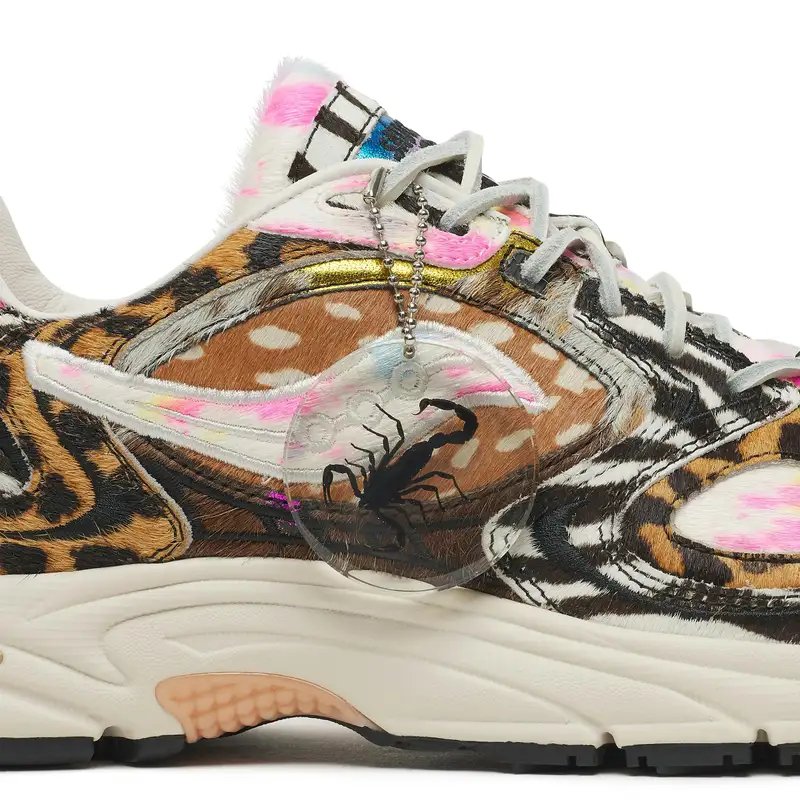
Saucony's recent ascent was undeniably kickstarted by strategic, high-profile collaborations. Artists and tastemakers like Jae Tips and Westside Gunn lent their distinct creative visions to Saucony's retro silhouettes, generating significant buzz and introducing the brand to a new demographic. These limited-edition releases, often selling out instantly, served as crucial entry points, turning heads and creating an initial wave of excitement that reverberated through sneaker communities.
However, the true testament to Saucony's newfound strength lies in what happened next. Unlike many collaborative projects where interest wanes once the exclusive models are gone, the excitement for Saucony's designs translated directly to its general-release colorways. Brendan Dunne, StockX's Senior Director of Customer Community & Engagement, aptly explains this phenomenon: "The person who wanted the Jae Tips x Saucony [collab] is now more likely to buy the more available inline styles." This 'spillover effect' is critical, indicating a genuine appreciation for the base models rather than just the collaborative branding.
The Rise of In-Line Models: A Market Anomaly
Historically, the resale market thrives on scarcity and exclusivity. General release sneakers, by their very nature, are widely available and typically do not command significant premiums on secondary platforms. Saucony’s current success with its in-line ProGrid Omni 9 and ProGrid Triumph 4 models is a notable exception to this rule. Multiple colorways of the Omni 9, for instance, are performing exceptionally well at both retail and on resale platforms, demonstrating a sustained, broad-based demand.
This pattern echoes the success stories of other models that transitioned from collaborative hype to mainstream appeal, such as the ASICS GEL-Kayano 14, which saw massive success post-JJJJound collaboration, and the adidas Samba, revitalized by partnerships with Wales Bonner before exploding in general popularity. These examples underscore a growing trend where collaborative projects act as springboards, introducing models to a wider audience and validating their aesthetic appeal, ultimately fueling demand for more accessible versions.
The Appeal of the 'New (Old)' and Niche Alternatives
A significant driver behind Saucony's current appeal is the collector's inherent desire for 'discovery.' As Dunne points out, "There is a real desire among most collectors for discovery — we want to wear fresh shoes, things that separate us from the masses." In a market saturated with frequently re-released and often ubiquitous styles from dominant brands, Saucony offers a refreshing alternative. Its long history means a deep archive of designs that, while 'old' in terms of their original debut, feel 'new' to a generation of collectors who haven't seen them extensively re-retroed or co-signed by the biggest names.
The ProGrid Omni 9, initially released in 2010, and the Triumph 4, from 2007, were originally designed purely for performance. Their current embrace by the fashion world reflects a broader cultural shift where comfort, utilitarian aesthetics, and a sense of understated cool are valued. Shoppers are increasingly "starving for old-school running shoes that feel fresher than big names like Nike and adidas," pushing niche brands like Saucony into the spotlight. They represent a blend of nostalgia and novelty, offering a familiar yet distinctive aesthetic that stands apart from the prevailing trends.
Qnews24h insight
Saucony's ascendance isn't merely a fleeting trend but rather a significant indicator of a maturing sneaker market and evolving consumer psychology. The robust demand for its general-release models, often a hallmark of genuine brand appeal rather than manufactured scarcity, suggests that a segment of the market is actively seeking alternatives to the predictable cycles of major brands. This indicates a growing sophistication among collectors who value 'discovery' and a unique aesthetic rooted in heritage, yet presented with a fresh perspective. While collaborations remain vital for initial visibility, Saucony's sustained success points towards the enduring power of a strong, accessible product line and an authentic brand story to cultivate lasting desirability, shifting the focus from fleeting hype to enduring style.
Sources
FAQ
- What makes Saucony the fastest-growing sneaker brand on StockX?
Saucony's growth is primarily driven by the unexpected resurgence in popularity of its retro tech running shoes, specifically models like the ProGrid Omni 9 and ProGrid Triumph 4. This demand is fueled by both limited-edition collaborations and, notably, widely available general-release colorways. - Which specific Saucony models are most popular on the resale market?
The most popular models driving Saucony's growth are the ProGrid Omni 9 (originally released in 2010) and the ProGrid Triumph 4 (originally released in 2007). These performance-focused shoes have found new life as fashion staples. - How does Saucony's success compare to other brands in the retro runner trend?
Saucony's trajectory mirrors that of brands like ASICS, whose GEL-Kayano 14 also gained significant traction after collaborations, and adidas with its Samba model. Like these brands, Saucony leveraged initial collaborative hype to build broader demand for its in-line, general-release offerings. - Why are general-release Sauconys performing so well on the resale market?
The strong performance of general-release Saucony models is attributed to a collector's desire for 'discovery' and fresh alternatives to mainstream brands. Initial interest sparked by collaborations has spilled over, leading consumers to seek out more accessible yet distinct styles from Saucony's extensive archive.


Why it matters
Saucony's rise challenges the conventional wisdom of the sneaker market, where exclusivity and major brand dominance often dictate trends. Its success with general-release models signals a shift towards valuing authentic design, heritage, and the 'discovery' of unique styles over pure hype. This has significant implications for other legacy brands, offering a roadmap for revitalizing archives, and for consumers, who gain access to a more diverse and potentially less exclusive range of sought-after footwear. It underscores a maturation in sneaker culture, prioritizing genuine appeal and individuality.
Background
Saucony, established in 1898, has historically been renowned for its high-performance running shoes rather than its lifestyle presence. The sneaker market, for years, was largely dictated by a few major players and driven by increasingly elaborate collaborations and limited drops. However, a shift began around the early 2020s, with a growing appreciation for retro tech runners, initially spearheaded by brands like ASICS. This re-evaluation of performance-first aesthetics, coupled with the predictive insights of industry watchers in 2024 and 2025 forecasting Saucony's resurgence, set the stage for its dramatic rise. The brand's strategic collaborations with figures like Jae Tips and Westside...
Saucony's current market performance is more than just a fleeting moment of popularity; it represents a nuanced evolution in sneaker consumer behavior. The robust demand for its general-release models, often a hallmark of genuine brand appeal rather than manufactured scarcity, suggests that a segment of the market is actively seeking alternatives to the predictable cycles of major brands. This indicates a growing sophistication among collectors who value 'discovery' and a unique aesthetic rooted in heritage, yet presented with a fresh perspective. While collaborations remain vital for initial visibility, Saucony's sustained success points towards the enduring power of a strong, accessible...
References
Editorial information
The editorial team reviews sources, adds context, and structures stories so readers can understand the news more clearly.
Article from QNEWS24H
Comments
(0)No comments yet. Be the first to share your thoughts.