Russia's Arctic Aviation Push Faces Stalemate as Key Aircraft Projects Hit Hurdles
- Il-114-300 certification is over 99% complete but is stalled awaiting specific severe weather conditions for final tests.
- The LMS-901 Baikal project, aimed at replacing the An-2, faces over a fourfold cost increase and significant challenges in domestic engine integration, leading to potential...
- Russia's broader goal of aviation technological autonomy, crucial for Arctic development, is directly impacted by these project delays and reliance on domestic supply chains.
- Commercial market impact from new Arctic aircraft deliveries is not expected until at least 2026-2027, despite ongoing manufacturing preparations.
Russia's ambitious strategy to assert its presence and develop the vast, resource-rich Arctic region is currently navigating a complex bottleneck in its domestic aviation sector. Despite successfully initiating several crucial aircraft development programs, Moscow finds itself in a challenging bind where design solutions and industrial implementation are struggling to align. The urgency stems from an aging fleet of Soviet-era regional transport aircraft, such as the An-24 and An-26, which are long past their operational lifespan, creating a critical void in connectivity for remote northern territories.
Quick summary
- The Il-114-300, a turboprop airliner crucial for replacing Soviet-era An-24s, is over 99% through its certification flight tests but is stalled awaiting specific severe weather conditions (lightning, heavy icing) to complete final auxiliary trials.
- The lightweight LMS-901 Baikal project, intended to replace the iconic An-2 for remote community connectivity, faces significant setbacks, including a fourfold cost increase and complex challenges in fully indigenizing its engine, prompting considerations to upgrade existing An-2s instead.
- Russia's overarching goal to achieve full technological autonomy in aviation, particularly for medium and small turboprop aircraft, is directly challenged by these delays, emphasizing the critical role of domestic engine development.
- While manufacturing lines are preparing for production, the commercial delivery of these new Arctic-suited aircraft is not expected to significantly impact the transport market until at least 2026-2027.
Why it matters
The success or failure of Russia's domestic Arctic aviation projects carries profound implications across multiple fronts. For the millions inhabiting remote communities in Siberia and the Far North, these aircraft are not just modes of transport; they are lifelines, connecting isolated settlements to essential services, goods, and the broader national economy. Delays mean continued reliance on obsolete, less safe, and often inefficient aircraft, hindering economic development, emergency response capabilities, and overall quality of life in these challenging environments.
Economically, robust aviation infrastructure is indispensable for Russia's Arctic strategy, which hinges on exploiting vast energy and mineral resources, developing the Northern Sea Route, and boosting trade. Without reliable, purpose-built aircraft capable of operating in extreme conditions, the cost and logistical complexity of these initiatives skyrocket, potentially undermining Moscow's long-term economic ambitions in the region. Furthermore, the ability to independently design, produce, and maintain these aircraft is a cornerstone of Russia's strategy to overcome Western sanctions and reduce technological dependencies, marking a crucial test of its industrial self-sufficiency.
Geopolitically, the Arctic is a region of increasing strategic competition. Russia's capacity to project power, maintain a permanent presence, and secure its national interests in the High North is intrinsically linked to its logistical capabilities, of which aviation is a primary component. Stalled projects signal potential vulnerabilities in its infrastructure, raising questions about its ability to sustain a leading role in the Arctic and respond effectively to evolving environmental and geopolitical challenges.
Background
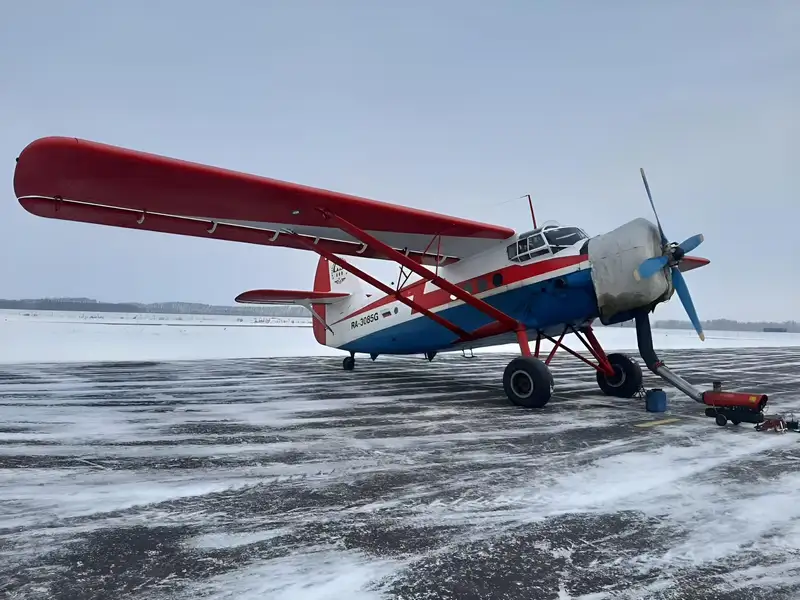
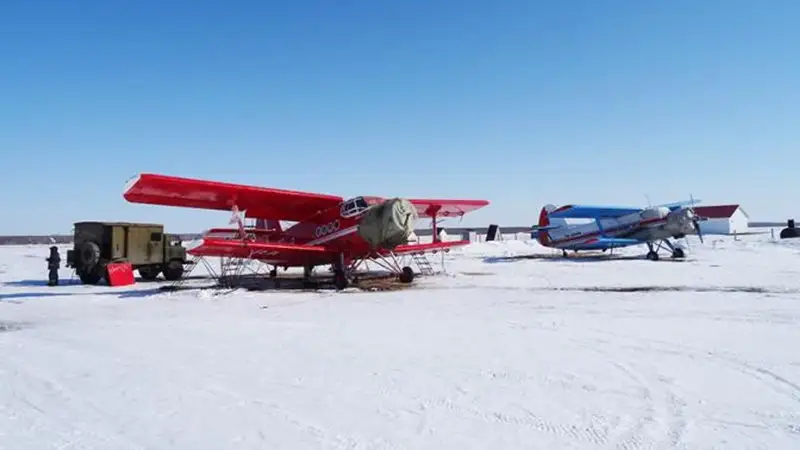
For decades, Russia, like its predecessor the Soviet Union, has relied heavily on air transport to connect its vast, often inhospitable territories, particularly in the sprawling Arctic and Siberian regions. Aircraft like the Antonov An-24 and An-2 became workhorses, renowned for their ruggedness and ability to operate from rudimentary airstrips. However, these fleets, largely designed in the mid-20th century, are now critically aged, presenting significant safety, maintenance, and operational cost challenges. The gradual retirement of these aircraft has left a growing gap in regional air connectivity, a problem compounded by the immense distances and harsh climatic conditions characteristic of Russia's north.
In recent years, Russia has intensified its focus on developing the Arctic, viewing it as a strategic priority for resource extraction, trade routes, and national security. This renewed emphasis highlighted the urgent need for modern, domestically produced aircraft specifically tailored for polar operations, capable of withstanding extreme cold, icing, and remote conditions. The push for import substitution, particularly following international sanctions imposed after 2014, further underscored the imperative for technological independence in aviation, shifting reliance away from foreign components and expertise.
In response, several key aviation projects were launched or accelerated. Among the most prominent were the Il-114-300, a turboprop intended to replace the An-24, and the LMS-901 Baikal, designed as a successor to the ubiquitous An-2. These projects were not merely about replacing old aircraft; they were strategic initiatives to showcase Russia's renewed industrial might and ensure its unhindered access to and control over its vast northern domains, free from external technological constraints.
Arctic Aspirations Meet Aviation Reality: The Il-114-300
The Ilyushin Il-114-300 represents a cornerstone of Russia's efforts to revitalize its regional aviation fleet. As a heavily modernized version of the original Il-114, this turboprop airliner is designed to be a direct, domestically produced replacement for the aging An-24 fleet. Developed by the United Aircraft Corporation (UAC), it features new avionics, a more efficient Russian-made engine, and enhanced capabilities for cold-weather operations, critical for Arctic routes.
Considered a technological bright spot, the Il-114-300 has reportedly completed over 99% of its mandatory certification flight tests. Its endurance in rigorous trials conducted in Arctic climatic zones has demonstrated the robustness of its new indigenous turboprop engines and systems. This progress signals a significant achievement in Russia's drive for aviation self-reliance.
However, the project faces an unexpected final hurdle: nature itself. The manufacturer is currently waiting for specific, severe natural weather phenomena, such as major lightning storms or extreme icing events, to conduct the last few supplementary tests required for full certification. These conditions are not consistently present, leading to an unpredictable delay in the final stages of approval. While the Lukhovitsy factory has begun preliminary preparations for serial production, aiming for 20 aircraft per year by 2030, analysts suggest that the first commercial deliveries of the Il-114-300 are unlikely to substantially impact the regional transport market before 2026-2027.
The Baikal Bottleneck: Replacing a Legend
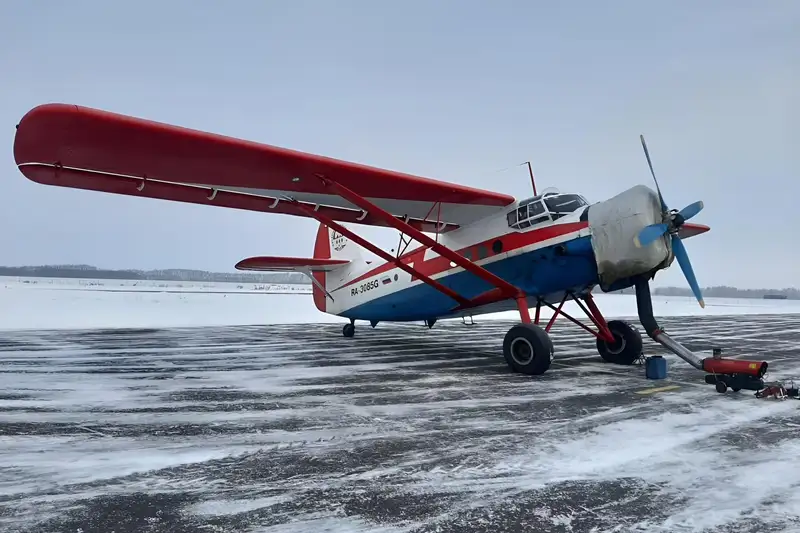
While the Il-114-300 is nearing completion, the fate of the lightweight LMS-901 Baikal project, conceived to replace the legendary 1947-vintage An-2 biplane, appears far more intricate. The Baikal is envisioned as a vital link for Russia's most remote villages in Siberia and the Arctic, with its short take-off and landing (STOL) capabilities allowing it to operate from unpaved and austere airstrips.
Although prototypes have undergone hundreds of test flights, the process of import substituting its engine has encountered substantial resistance. The original plans to replace the General Electric engine with the domestically developed VK-800SM have proven exceptionally challenging. This transition has led to a dramatic escalation in development costs, surging from an initial estimate of 120 million rubles to over 455 million rubles – more than a fourfold increase.
Concerns have even emerged within the industry that the Baikal project, particularly the small aircraft variant, might be at a dead end due to fundamental design miscalculations. As a stopgap measure, suggestions have surfaced to modernize existing An-2s with contemporary engines and avionics, rather than pinning hopes on large-scale Baikal production in the short term. This alternative highlights the deep-seated difficulties in creating a cost-effective and reliable replacement for such a venerable and adaptable aircraft.
The Drive for Domestic Supply Chains
The enduring success of Russia's Arctic aviation projects hinges on a pivotal challenge: the complete domestic production of engines and component supply chains. Mastering the VK-800SM engine for the Baikal and the turboprop systems for the Il-114-300 is not merely an engineering task; it is the definitive strategic imperative to insulate these vital programs from the pressures of international sanctions and secure long-term operational viability. Without this self-sufficiency, projects risk remaining perpetually in the testing phase.
Beyond the aircraft themselves, experts emphasize the often-underestimated importance of ground infrastructure and technical logistics support in the field. Operating in the Arctic demands robust maintenance facilities, reliable fuel supplies, and specialized personnel capable of handling extreme conditions. These elements are as crucial to flight safety and operational efficiency in polar regions as the aircraft themselves, requiring significant investment and strategic planning.
Securing technological sovereignty in Arctic aviation remains a paramount objective for Russia. However, the journey from laboratory development through rigorous icy test ranges to widespread commercial deployment is proving to be a formidable expedition. It demands unwavering patience, continuous innovation, and flexible strategic adjustments from Moscow to overcome both technical complexities and the unique environmental challenges of the High North.
Qnews24h insight
The current impasse in Russia's key Arctic aviation projects underscores a critical paradox in its grand strategic ambitions. While Moscow has clearly articulated its intent to dominate the Arctic, leveraging its vast northern territories and resources, the practical execution of this vision is demonstrably constrained by domestic industrial capabilities. The challenges facing the Il-114-300, stemming from specific environmental testing requirements, and the more fundamental design and cost overruns plaguing the Baikal, are not merely technical glitches. They represent a tangible measure of Russia's ability to truly achieve technological independence in a complex, high-stakes sector, particularly when attempting to replace proven Soviet-era workhorses under sanctions pressure. The current delays are more than just a timeline adjustment; they expose the immense difficulty of rapidly building a self-sufficient, modern aviation industry capable of meeting the unique demands of the Arctic without relying on external expertise or components. This situation suggests that while the strategic will is strong, the path to industrial sovereignty remains a protracted and expensive endeavor, forcing Moscow to make difficult trade-offs between ambition and reality.
Sources
FAQ
What are Russia's main goals for developing new Arctic aircraft?
Russia aims to replace its aging fleet of Soviet-era regional transport aircraft like the An-24 and An-2, enhance connectivity for remote Arctic and Siberian communities, and achieve technological self-sufficiency in aviation to support its strategic and economic ambitions in the High North, especially amid international sanctions.
What is holding back the Il-114-300 project?
The Il-114-300 is nearly fully certified, but its final auxiliary flight tests are stalled awaiting specific, severe natural weather conditions such as major lightning or extreme icing phenomena, which are necessary to complete the remaining certification requirements.
Why is the LMS-901 Baikal project facing such significant difficulties?
The Baikal project, intended to replace the An-2, is struggling with substantial cost overruns—increasing more than fourfold—and technical challenges in completely replacing its foreign engine (General Electric) with a domestically produced VK-800SM. There are also reported design miscalculations leading to considerations for alternative solutions like modernizing existing An-2s.
How crucial is domestic engine development for these projects?
Domestic engine development, such as the VK-800SM for the Baikal and the powerplants for the Il-114-300, is considered the absolute key to overcoming international sanctions and ensuring the long-term operational independence and viability of Russia's Arctic aviation projects. Without it, the projects risk perpetual delays and dependency on external factors.
Why it matters
The delays in Russia's Arctic aviation projects carry substantial consequences. They hinder economic development and emergency services for remote northern communities, limit Russia's ability to exploit vast Arctic resources, and challenge its strategic goal of technological independence from Western sanctions. Geopolitically, the setback could undermine Russia's capacity to maintain its presence and project power in the increasingly competitive Arctic region.
Background
Russia's strategic focus on the Arctic, intensified in recent decades for resource extraction and trade routes, highlights a critical reliance on a rapidly aging fleet of Soviet-era regional aircraft like the An-24 and An-2. These legacy planes, past their operational lifespans, have created a connectivity gap. Post-2014 sanctions further accelerated Russia's push for indigenous aviation solutions, making projects like the Il-114-300 and LMS-901 Baikal not just about fleet modernization, but about asserting technological sovereignty in a strategically vital region.
The current stagnation in Russia's key Arctic aircraft programs, the Il-114-300 and Baikal, reveals a significant chasm between strategic ambition and practical industrial reality. While Russia's geopolitical will to dominate the Arctic is clear, the complex engineering challenges of developing and certifying new aircraft domestically, especially under the unique environmental demands of the High North and the persistent pressure of sanctions, are proving to be formidable. This situation is more than a simple delay; it's a litmus test for Russia's industrial resilience and its capacity to achieve true self-sufficiency in critical technological sectors, forcing a cautious re-evaluation of...
References
Editorial information
The editorial team reviews sources, adds context, and structures stories so readers can understand the news more clearly.
Article from QNEWS24H
Comments
(0)No comments yet. Be the first to share your thoughts.