Mastering Robot Vacuums: When to Run for Optimal Clean & Quiet Home
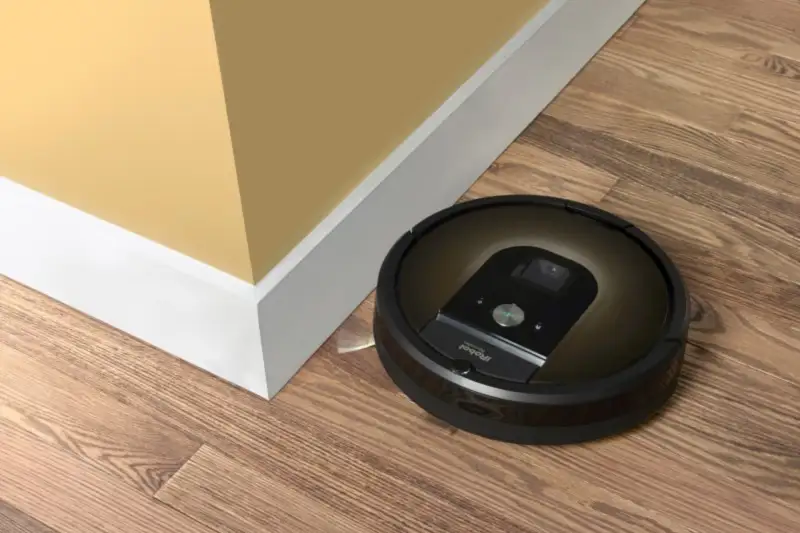
- Late morning/early afternoon often ideal for robot vacuum operation when homes are less occupied.
- Noise levels (up to 70 dB) make nighttime cleaning disruptive for many households.
- User comfort regarding unsupervised operation and battery safety remains a key consideration.
- Regular maintenance is crucial for sustaining the device's efficiency and longevity.
In an era where smart home devices promise unparalleled convenience, the humble robot vacuum cleaner has transformed from a futuristic novelty into a household staple. Yet, for all its sophisticated AI and mapping capabilities, merely owning one doesn't guarantee a spotless floor without some strategic planning. The key to unlocking its full potential lies not just in its features, but in understanding the optimal timing for its operation—a crucial factor that can distinguish between a seamless cleaning routine and an unwelcome disruption to daily life.
Quick summary
- Operating robot vacuums in the late morning or early afternoon, when homes are typically empty, maximizes cleaning efficiency and minimizes household disruption.
- Noise levels, which can reach up to 70 dB, make nighttime operation problematic, potentially disturbing sleep and overall household tranquility.
- Concerns persist among some users regarding the safety of unsupervised robot vacuum operation, particularly concerning lithium-ion battery overheating.
- Consistent maintenance, including regular brush cleaning, bin emptying, and software updates, is vital for the sustained effectiveness and longevity of the device.
Why it matters
The strategic deployment of a robot vacuum goes beyond mere scheduling; it directly impacts household harmony, energy consumption, and the longevity of the device itself. For busy individuals and families, knowing when to run their automated cleaner means returning to a spotless home without having endured the whirring noise during work-from-home hours, family meals, or quiet evenings. This optimization is crucial for integrating smart home technology seamlessly into daily life, transforming a potential nuisance into a true convenience. Furthermore, understanding the interplay of timing, noise, and safety allows consumers to make informed decisions that enhance their quality of life, reinforce trust in smart appliances, and promote more efficient energy usage.
Background
The journey of the robot vacuum began over three decades ago, marked by rudimentary designs and often unpredictable navigation. Early models were largely experimental, frequently bumping into furniture, getting stuck, or missing significant portions of a room. Their cleaning patterns were often random, and their utility was limited, making them more of a curiosity than a practical cleaning tool. This initial phase set a low bar for consumer expectations, where any degree of autonomous cleaning felt revolutionary.
However, significant technological leaps have propelled these devices into a new era of sophistication. Modern robot vacuums now boast advanced features such as LiDAR (Light Detection and Ranging) mapping, which allows them to create precise floor plans of homes, and AI-powered navigation, enabling them to intelligently plot efficient cleaning routes and avoid obstacles. Innovations like automatic dirt disposal, self-charging capabilities, and even the ability to climb small thresholds have become standard in many high-end models. This evolution has shifted the conversation from 'can it clean?' to 'how can it clean most effectively and least disruptively?', bringing the optimal timing of operation to the forefront of user considerations. The transition from basic function to intelligent integration highlights a broader trend in smart home technology: not just automating tasks, but optimizing them for human-centric living.
Qnews24h insight
The modern robot vacuum, while a marvel of engineering, represents a classic paradox of convenience: the more automated a system becomes, the more refined user input is often required to truly maximize its value. While AI-driven navigation promises 'set-it-and-forget-it' functionality, our analysis suggests that genuine efficiency and user satisfaction still heavily rely on a thoughtful understanding of our own routines and environments. The recommendation to run these devices during off-peak household hours is not merely about avoiding noise; it's about creating an optimal environment for the robot to perform its task unhindered, minimizing human-robot interaction conflicts, and preserving the perception of a quiet, undisturbed home. The persistence of safety concerns, particularly regarding battery technology, further underscores that despite advanced automation, human oversight and tailored scheduling remain indispensable for a truly smart and comfortable living experience, bridging the gap between technological capability and practical, trust-based adoption.
Optimal Timing: The Unsung Hero of Robot Vacuum Efficiency
The consensus among experts points towards late morning or early afternoon as the prime window for deploying a robot vacuum. This recommendation stems from a simple yet profound insight: these are the hours when most households are least occupied. Children are at school, adults are often at work, or out running errands. With fewer people moving around, there are fewer obstacles to navigate, fewer potential interruptions, and ultimately, a more thorough and efficient cleaning cycle. The absence of human activity allows the robot to cover more ground, expend less battery power on avoidance maneuvers, and complete its task without having to pause or reroute due to a sudden foot traffic or a child's playtime.
Conversely, attempting to clean during peak hours, such as early mornings when families prepare for their day or evenings when everyone gathers at home, can significantly hamper performance. These busy periods mean the robot is constantly reacting to movement, frequently getting in the way, and potentially irritating family members. This not only makes the cleaning process less effective but also diminishes the very convenience the device is meant to provide.
Navigating the Noise Factor: Why Nighttime is Not Always Right
While the allure of waking up to a pristine floor might tempt some to schedule their robot vacuum for overnight operation, the reality of its noise output often makes this impractical. Many robot vacuums, even those marketed as quiet, can generate sound levels up to 70 decibels (dB) during operation. To put this in perspective, 70 dB is roughly equivalent to the sound of a washing machine, a loud conversation, or a running dishwasher. Such a noise level is more than sufficient to disrupt sleep, especially for light sleepers or in homes with open-plan living. For many, the peace and quiet of the night are paramount, and sacrificing that for an automated clean is a trade-off few are willing to make.
The impact of noise extends beyond just sleep. For individuals working from home, a robot vacuum whirring in the background can be a constant distraction during video calls, focused work, or study sessions. This necessitates a careful consideration of household acoustics and individual tolerance levels when setting a cleaning schedule, highlighting that 'smart' technology must also be 'considerate' technology.
Space Configuration and User Comfort: Tailoring the Clean
The layout and size of a living space also play a significant role in determining the ideal cleaning schedule. In larger homes, for instance, users might strategically schedule the robot to clean less-frequented areas or specific zones while family members are occupying other parts of the house. This allows for continuous cleaning without immediate human presence. Modern robot vacuums with zone cleaning features or virtual walls make this selective cleaning even more feasible, allowing users to define exactly which areas are to be cleaned and when.
However, a psychological aspect often overlooked is user comfort with unsupervised operation. Despite vast improvements in safety standards and collision avoidance, some individuals remain wary of leaving a robot vacuum to operate entirely on its own, especially when no one is home. Concerns over potential mishaps, such as the device getting stuck, damaging furniture, or, in rare cases, issues related to lithium-ion battery overheating, can lead to reluctance. While these incidents are uncommon, the perception of risk can influence how and when people choose to use their devices. Balancing the desire for automation with a personal sense of security is a critical factor for many users, often leading them to run the device when they are present, albeit in another room, or during very short absences.
The Indispensable Role of Regular Maintenance
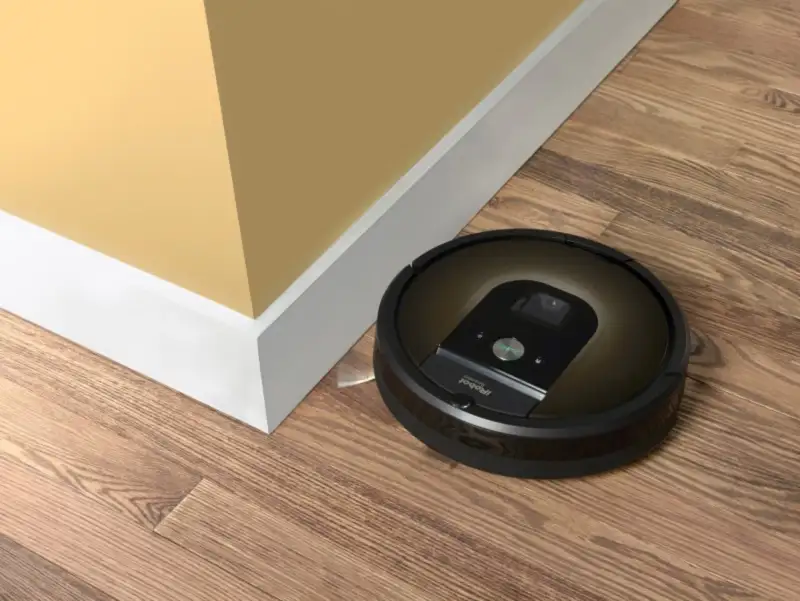
Regardless of how optimally a robot vacuum is scheduled, its long-term effectiveness hinges on consistent maintenance. These devices are designed to pick up dust, debris, pet hair, and other particles, which inevitably accumulate in their components. Neglecting regular cleaning of brushes, filters, and dustbins can drastically reduce suction power, lead to clogged mechanisms, and ultimately shorten the lifespan of the device. A full dustbin means less capacity to collect new dirt, and tangled brushes mean ineffective sweeping and potential damage to the motor.
Furthermore, keeping the robot's software up to date is equally important. Manufacturers frequently release firmware updates that improve navigation algorithms, enhance battery management, and fix bugs, all of which contribute to better performance and reliability. By treating the robot vacuum as an appliance that requires care, rather than a magical self-sufficient cleaner, users can ensure it remains a dependable ally in maintaining a pristine home environment for years to come.
Sources
FAQ
-
What is the best time to run a robot vacuum for maximum efficiency?
The optimal time to run a robot vacuum is typically in the late morning or early afternoon. During these hours, most family members are out of the house, minimizing foot traffic and obstacles, which allows the robot to clean more thoroughly and efficiently without interruptions.
-
Why should I avoid running my robot vacuum at night?
Robot vacuums can produce noise levels up to 70 dB, which is comparable to a loud conversation or a running dishwasher. Operating them at night can disrupt sleep and overall household tranquility, especially for those sensitive to noise. It's generally better to schedule them during unoccupied daytime hours.
-
Are robot vacuums safe to operate when no one is home?
Most modern robot vacuums are designed with safety features like collision avoidance and intelligent navigation, making them largely safe for unsupervised operation. However, some users still have concerns about potential issues like getting stuck or rare cases of battery overheating. While rare, balancing convenience with personal comfort and occasional oversight is advisable.
-
How important is regular maintenance for a robot vacuum's performance?
Regular maintenance is crucial for sustaining a robot vacuum's effectiveness and extending its lifespan. This includes frequently emptying the dustbin, cleaning the brushes to remove tangled hair and debris, and ensuring the filters are clear. Keeping the device's software updated also ensures it benefits from performance improvements and bug fixes.
Why it matters
The strategic deployment of a robot vacuum goes beyond mere scheduling; it directly impacts household harmony, energy consumption, and the longevity of the device itself. For busy individuals and families, knowing when to run their automated cleaner means returning to a spotless home without having endured the whirring noise during work-from-home hours, family meals, or quiet evenings. This optimization is crucial for integrating smart home technology seamlessly into daily life, transforming a potential nuisance into a true convenience. Furthermore, understanding the interplay of timing, noise, and safety allows consumers to make informed decisions that enhance their quality of life,...
Background
The journey of the robot vacuum began over three decades ago, marked by rudimentary designs and often unpredictable navigation. Early models were largely experimental, frequently bumping into furniture, getting stuck, or missing significant portions of a room. This initial phase set a low bar for consumer expectations, where any degree of autonomous cleaning felt revolutionary. However, significant technological leaps have propelled these devices into a new era of sophistication. Modern robot vacuums now boast advanced features such as LiDAR mapping, AI-powered navigation, automatic dirt disposal, and the ability to climb small thresholds. This evolution has shifted the conversation from...
The modern robot vacuum, while a marvel of engineering, represents a classic paradox of convenience: the more automated a system becomes, the more refined user input is often required to truly maximize its value. While AI-driven navigation promises 'set-it-and-forget-it' functionality, our analysis suggests that genuine efficiency and user satisfaction still heavily rely on a thoughtful understanding of our own routines and environments. The recommendation to run these devices during off-peak household hours is not merely about avoiding noise; it's about creating an optimal environment for the robot to perform its task unhindered, minimizing human-robot interaction conflicts, and preserving...
References
Editorial information
The editorial team reviews sources, adds context, and structures stories so readers can understand the news more clearly.
Article from QNEWS24H
Comments
(0)No comments yet. Be the first to share your thoughts.