Unmasking the Giants: Popular Phone Brands You Didn't Know Were Chinese
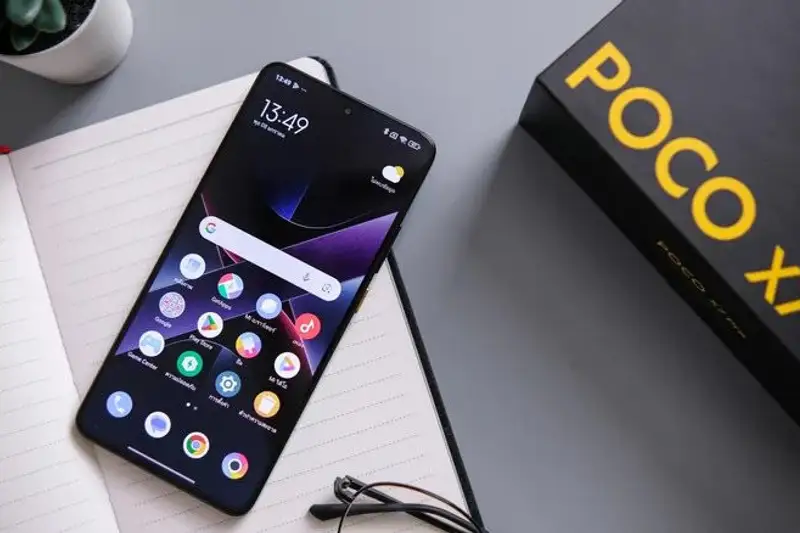
- Several prominent smartphone brands, including Redmi, Poco, Realme, Honor, and Nubia, are of Chinese origin, frequently beginning as sub-brands of larger technology corporations.
- These brands have strategically achieved significant global market penetration by offering diverse product portfolios, from ultra-budget devices to high-end flagship killers.
- They are recognized for their aggressive pricing strategies, rapid technological innovation, and focused targeting of specific consumer demographics, such as youth or mobile...
- The shift from sub-brand status to operational independence, while sometimes retaining ties, reflects a broader trend in the global tech industry for market diversification and...
In an era dominated by sleek designs and powerful processors, many smartphone users worldwide carry devices from familiar brands, often without realizing their true origins. What appears on the surface as a diverse global marketplace is, in many instances, a sophisticated network where brands with distinct identities trace their roots back to the bustling technology hubs of China. From budget-friendly options to high-performance gaming devices and cutting-edge foldables, several widely recognized smartphone makers have emerged from or are still intricately linked to Chinese tech behemoths, shaping the competitive landscape in ways consumers might not fully appreciate.
Quick summary
- Several prominent smartphone brands, including Redmi, Poco, Realme, Honor, and Nubia, are of Chinese origin, frequently beginning as sub-brands of larger technology corporations.
- These brands have strategically achieved significant global market penetration by offering diverse product portfolios, from ultra-budget devices to high-end flagship killers.
- They are recognized for their aggressive pricing strategies, rapid technological innovation, and focused targeting of specific consumer demographics, such as youth or mobile gamers.
- The shift from sub-brand status to operational independence, while sometimes retaining manufacturing or after-sales ties, reflects a broader trend in the global tech industry for market diversification and competitive positioning.
Why it matters
Understanding the provenance of these widely used smartphone brands carries significant implications for consumers, the global technology industry, and even geopolitical dynamics. For consumers, it reveals the strategic depth behind the seemingly endless array of choices, often highlighting how powerful features can become accessible at lower price points due to fierce competition within the broader Chinese tech ecosystem. This intense rivalry fosters innovation, pushing boundaries in areas like charging speeds, battery life, and display technology, directly benefiting end-users with more advanced and affordable options.
For the industry, the rise of these Chinese brands underscores a shift in global manufacturing and innovation power. China is no longer merely the 'world's factory' but a formidable source of original design and brand creation. The strategic decision to spin off sub-brands allows parent companies to capture different market segments without diluting their core brand identity, creating internal competition that drives efficiency and diverse product development. This model challenges established players and forces a re-evaluation of pricing and feature sets across the entire market, intensifying the race for technological supremacy.
Furthermore, the complex relationships between these brands and their Chinese parent companies can have geopolitical resonance. The case of Honor's divestment from Huawei due to U.S. sanctions exemplifies how global trade policies can directly impact corporate structures and market presence. These dynamics influence supply chains, software ecosystems, and even national security considerations, making the origin and ownership of these brands a factor far beyond simple consumer preference.
Background
For decades, China has been recognized globally as a manufacturing powerhouse, earning the moniker 'the world's factory.' This reputation was initially built on producing goods for international brands. However, in the smartphone industry, a significant evolution has taken place. Chinese companies, having mastered manufacturing, began to invest heavily in research and development, aiming to establish their own globally recognized brands rather than solely producing for others.
The strategy of launching sub-brands proved to be a pivotal step in this evolution. Major tech players like Xiaomi, Oppo, Huawei, and ZTE recognized the value in segmenting the market. A sub-brand could target a specific demographic, experiment with new technologies, or offer products at a different price point without diluting the primary brand's image. This allowed for greater agility and a broader market reach, particularly in emerging economies where price sensitivity is high.
The timeline saw many of these sub-brands, initially incubated under their parent companies, gain significant traction. Their success often led to a strategic decision for them to operate independently, sometimes fully severing ties (as with Honor's sale from Huawei), or maintaining a degree of operational autonomy while still leveraging the parent company's resources for manufacturing, distribution, or after-sales support (as seen with Poco's relationship with Xiaomi). This shift, largely occurring in the late 2010s and early 2020s, transformed these entities from mere product lines into formidable, distinct market competitors, changing the face of the global smartphone landscape.
Qnews24h insight
The proliferation of seemingly independent yet ultimately Chinese-originated smartphone brands reflects a highly calculated and adaptive strategy by China's technology giants. This approach goes beyond mere market segmentation; it’s a sophisticated maneuver to dominate various price points and consumer niches, often creating 'controlled competition' within their broader corporate ecosystems. By fostering distinct brand identities for Redmi, Poco, Realme, Honor, and Nubia, parent companies like Xiaomi, Oppo, Huawei, and ZTE can experiment with different design philosophies, marketing strategies, and technological innovations without cannibalizing their flagship offerings.
This strategy offers several distinct advantages. Firstly, it allows for greater resilience in volatile markets. Should one brand face challenges, others in the portfolio can maintain performance. Secondly, it circumvents potential brand fatigue or perception issues; a consumer might perceive a 'Realme' or 'Honor' device as a fresh, innovative alternative, even if it draws from the same R&D pool as Oppo or Huawei. Thirdly, as seen with Honor's divestment from Huawei due to U.S. sanctions, this model provides a mechanism for corporate restructuring to navigate complex geopolitical landscapes, allowing brands to continue operating with crucial access to technologies like Google services, even when the original parent faces restrictions.
However, this strategy is not without its complexities. Maintaining distinct brand narratives while often sharing underlying technology or manufacturing resources requires delicate management. For consumers, the lines between 'independent' and 'affiliated' can blur, influencing perceptions of customer support, software updates, and data privacy. Looking ahead, the trend suggests a continued emphasis on innovation and aggressive pricing, with these brands pushing boundaries in areas like ultra-fast charging, advanced display tech, and specialized gaming features. The question remains how long this semi-independent model can sustain itself, especially as some brands, like Realme, reportedly consider re-integrating with their parent entities, hinting at a dynamic and evolving landscape where corporate structures remain fluid in pursuit of market advantage.
Redmi: Xiaomi's Value Champion
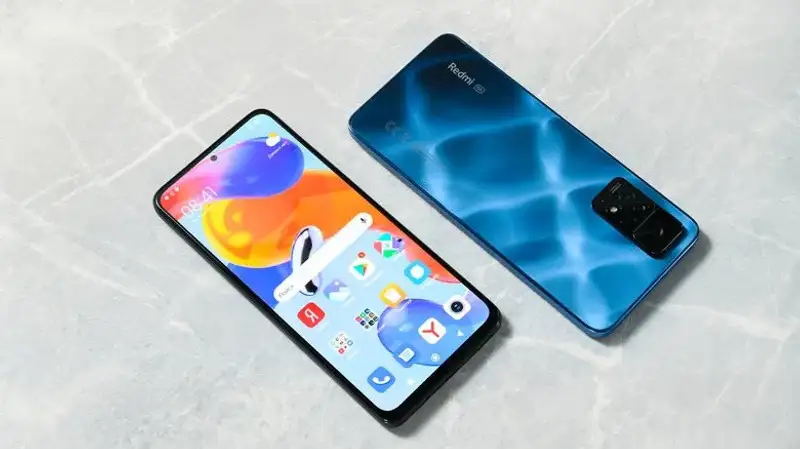
Launched in 2013 as a product series under Xiaomi, Redmi quickly established itself by offering high-specification devices at remarkably accessible prices. Its immense popularity led Xiaomi to spin it off as an independent brand in 2019, strategically positioning Redmi to cater primarily to younger, budget-conscious consumers.
Despite Xiaomi's own reputation for value, Redmi was tasked with an even more aggressive mission: delivering superior hardware for its price point. Its product lineup is extensive, spanning the entry-level Redmi A-series, the popular Number series, the mid-range Note series, and the high-performance K-series.
The K-series, in particular, showcases Redmi's ambition, often featuring specifications comparable to leading flagships. For instance, the Redmi K90 Ultra, launched in June 2026, boasts a 6.83-inch AMOLED display with a 165 Hz refresh rate and 3,500 nits peak brightness. Powered by Qualcomm's high-end Snapdragon 8 Elite chip, it includes 16 GB LPDDR5X RAM, 512 GB UFS 4.1 storage, and supports 100 W fast charging, demonstrating its commitment to cutting-edge technology.
Poco: The Flagship Killer's Evolution
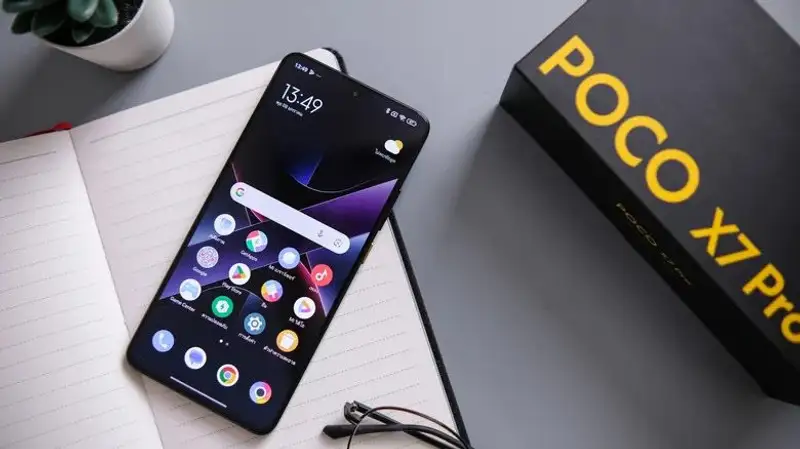
Poco's journey began in 2018 as another Xiaomi sub-brand, conceived to directly challenge premium devices from established rivals like Samsung and OnePlus by offering 'flagship killer' specifications at disruptive prices. By 2020, Poco declared its independence, signaling its intent to forge its own path in the competitive smartphone market.
While operating with distinct product development, sales, and marketing teams, Poco continues to lean on Xiaomi's robust manufacturing and after-sales support infrastructure. This hybrid model allows Poco to maintain its lean, value-driven approach while benefiting from the scale of its former parent.
Poco's portfolio includes the budget-friendly C-series, the mid-range X and M-series, and the flagship F-series, designed to compete with high-end phones. Although not available in the United States, Poco has successfully expanded its presence to over 35 countries and regions globally, making a significant impact in markets where performance-to-price ratio is critical.
Realme: Rapid Growth and Innovation
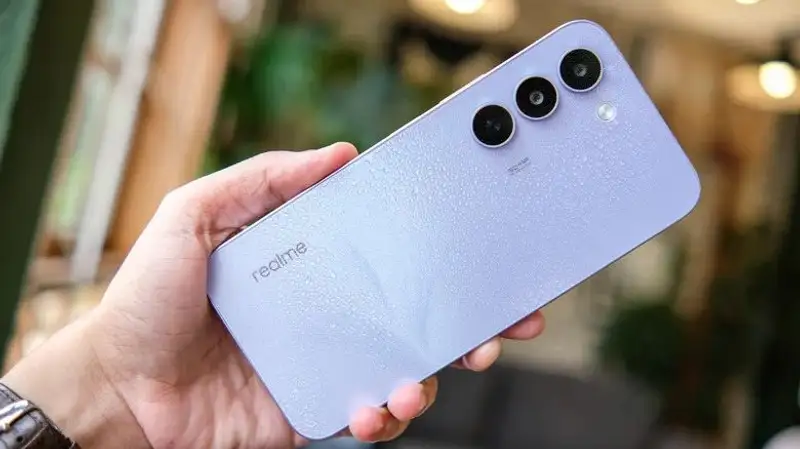
Realme emerged from Oppo in 2010, initially as a sub-brand before gaining operational independence in 2018. However, recent reports from 2026 indicate a potential strategic shift, with plans for Realme to rejoin Oppo's corporate structure, suggesting an evolving market strategy within the larger BBK Electronics family.
Targeting a youthful demographic, Realme has amassed an impressive user base of over 300 million members globally. Its aggressive market strategies have made it a dominant player in key regions, particularly India.
Despite its relatively short history as an independent entity, Realme has consistently pushed technological boundaries. It was notably the first brand to launch a smartphone with 240 W ultra-fast charging. Further demonstrating its innovative spirit, in 2026, the company introduced a smartphone with an unprecedented 10,000 mAh battery capacity, all while maintaining a conventional design, a significant feat in battery technology.
Honor: A New Chapter After Huawei
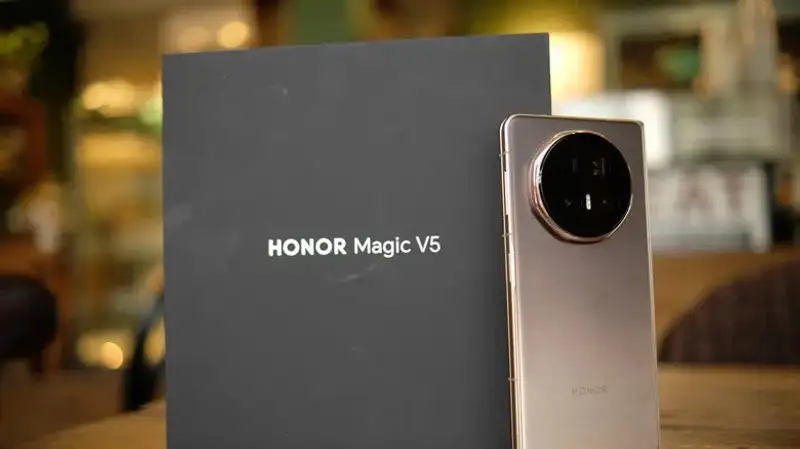
Honor, founded by Huawei in 2013, initially served as Huawei's youth-oriented and online-focused sub-brand. However, the immense pressure from U.S. sanctions on Huawei prompted a dramatic restructuring. In 2020, Huawei sold Honor to a consortium led by Shenzhen Zhixin New Information Technology, effectively making it an independent entity.
This separation allowed Honor to regain access to crucial American technologies and services, including Google Mobile Services, enabling it to compete on an even footing in international markets. Honor has since solidified its position as a major Android smartphone manufacturer, capable of challenging industry titans like Google and Samsung.
Its product lineup includes the flagship Magic series, alongside the N and X series, catering to various market segments. Honor has also made significant strides in the foldable phone segment, with models like the Honor Magic V6 being lauded for their slim and refined design. The brand continues to focus on competitive pricing, with a strong presence in Asian and European markets.
Nubia: Powering Mobile Gaming
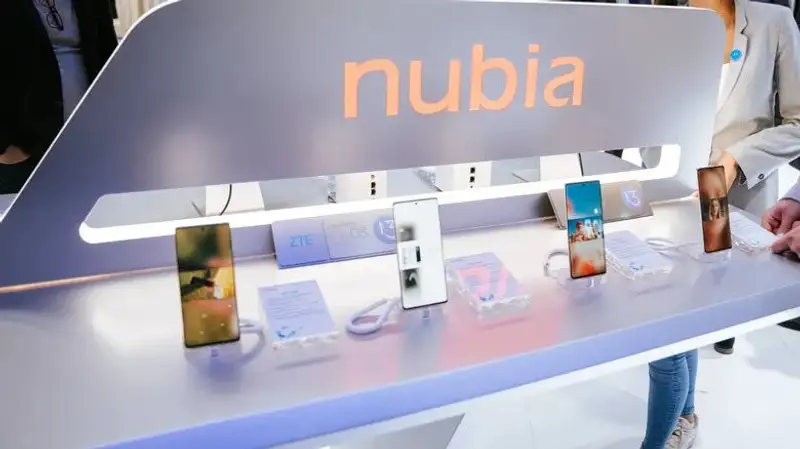
Nubia Technology, established in 2012, originated as a sub-brand of the Chinese telecommunications giant ZTE. Over time, ZTE strategically reduced its ownership stake, allowing Nubia to develop a more distinct identity, particularly in specialized market segments.
Relatively young compared to long-standing industry players, Nubia operates globally, with a presence in North America, Asia, South America, and Europe. Its smartphone portfolio encompasses the Z, Neo, Flip, and Air series, offering a range of devices.
However, Nubia truly distinguishes itself with its acclaimed RedMagic series, dedicated gaming smartphones. These devices have significantly boosted Nubia's profile in the global tech community. The RedMagic 11 Pro, for instance, gained recognition as one of the first mass-produced smartphones to integrate an advanced liquid cooling system, underscoring its commitment to high-performance mobile gaming. The RedMagic series consistently ranks among the top gaming phones, showcasing Nubia's formidable engineering capabilities.
Sources
FAQ
Are all these brands truly independent from their Chinese parent companies?
The degree of independence varies. Brands like Honor were fully divested from Huawei due to external pressures. However, others like Poco, while operating independently for product development and marketing, still leverage their parent company Xiaomi's resources for manufacturing and after-sales support. Realme, originally from Oppo, has even seen reports in 2026 suggesting plans for it to reintegrate, indicating a fluid relationship with its origins.
Why do Chinese tech companies create so many sub-brands?
This strategy allows for effective market segmentation, targeting different consumer demographics and price points without diluting the core brand image. It fosters internal competition, driving innovation and efficiency, and enables companies to experiment with diverse product designs and marketing approaches. Furthermore, in some cases, like Honor, it has been a mechanism to navigate geopolitical challenges and maintain access to critical global supply chains and software services.
How do these brands impact the global smartphone market?
These brands significantly impact the market by intensifying competition, particularly in the value and mid-range segments. They consistently push boundaries in terms of features, performance, and aggressive pricing, making advanced technology more accessible to a broader global audience. Their rapid innovation, especially in areas like fast charging, battery capacity, and specialized gaming features, forces established players to accelerate their own development cycles, ultimately benefiting consumers with better choices and more affordable, cutting-edge devices.
Why it matters
Understanding the provenance of these widely used smartphone brands carries significant implications for consumers, the global technology industry, and even geopolitical dynamics. For consumers, it reveals the strategic depth behind the seemingly endless array of choices, often highlighting how powerful features can become accessible at lower price points due to fierce competition within the broader Chinese tech ecosystem. This intense rivalry fosters innovation, pushing boundaries in areas like charging speeds, battery life, and display technology, directly benefiting end-users with more advanced and affordable options. For the industry, the rise of these Chinese brands underscores a shift...
Background
For decades, China has been recognized globally as a manufacturing powerhouse, earning the moniker 'the world's factory.' This reputation was initially built on producing goods for international brands. However, in the smartphone industry, a significant evolution has taken place. Chinese companies, having mastered manufacturing, began to invest heavily in research and development, aiming to establish their own globally recognized brands rather than solely producing for others. The strategy of launching sub-brands proved to be a pivotal step in this evolution. Major tech players like Xiaomi, Oppo, Huawei, and ZTE recognized the value in segmenting the market. A sub-brand could target a...
The proliferation of seemingly independent yet ultimately Chinese-originated smartphone brands reflects a highly calculated and adaptive strategy by China's technology giants. This approach goes beyond mere market segmentation; it’s a sophisticated maneuver to dominate various price points and consumer niches, often creating 'controlled competition' within their broader corporate ecosystems. By fostering distinct brand identities for Redmi, Poco, Realme, Honor, and Nubia, parent companies like Xiaomi, Oppo, Huawei, and ZTE can experiment with different design philosophies, marketing strategies, and technological innovations without cannibalizing their flagship offerings. This strategy...
References
Editorial information
The editorial team reviews sources, adds context, and structures stories so readers can understand the news more clearly.
Article from QNEWS24H
Comments
(0)No comments yet. Be the first to share your thoughts.