The Enduring Appeal of Pixel Art: Why Retro Aesthetics Still Captivate Modern Gamers

- Pixel art remains a popular and deliberate aesthetic choice in modern video games.
- Many players and developers prioritize stylized graphics over photorealistic visuals.
- The appeal stems from nostalgia, unique art direction, and a focus on core gameplay.
- Modern pixel art pushes creative boundaries, no longer constrained by early hardware limitations.
In an age where video game developers push the boundaries of visual fidelity, meticulously rendering every hair strand and environmental detail, a distinct counter-movement quietly thrives. Despite technological advancements offering unparalleled graphical realism, a significant segment of the gaming community, alongside many creators, continues to champion the charm and artistic depth of pixel art. This aesthetic, rooted in the foundational years of gaming, has transcended its origins as a technical limitation to become a deliberate and highly valued artistic choice, proving that sometimes, less is indeed more.
Quick summary

- Pixel art continues to be a highly popular and intentional aesthetic choice in contemporary video games.
- Many players and industry observers express a preference for stylized and unique art direction over photorealistic graphics.
- The enduring appeal of pixel art stems from a blend of nostalgia, distinct visual identity, and its capacity for creative expression unburdened by graphical realism.
- Modern pixel art showcases intricate detail and advanced techniques, moving beyond early hardware constraints to deliver sophisticated visual experiences.






Why it matters
The persistent popularity of pixel art carries significant implications across the gaming landscape. For players, it offers a refreshing alternative to the often-demanding hardware requirements and high production costs associated with hyperrealistic games. This accessibility broadens the appeal of gaming, allowing titles with less graphical horsepower to deliver rich, immersive experiences. For developers, particularly independent studios, embracing pixel art can be a strategic decision. It allows them to differentiate their titles in a crowded market, focus resources on innovative gameplay and compelling narratives, and achieve a unique artistic identity without competing directly on polygon counts or texture resolution. Culturally, it reinforces gaming's history, connecting new generations with the foundational aesthetics that defined the medium's earliest successes, ensuring that the legacy of titles like Secret of Mana continues to resonate.
Background

Pixel art originated as a necessity born from the technical limitations of early computing and console hardware. The confined memory and processing power of systems like the Atari, NES, and SNES mandated that artists create images using a limited palette of colors and a grid of discernible pixels. This era, often fondly remembered as the 8-bit and 16-bit generations, produced iconic titles where pixel art wasn't just graphics; it was the primary medium for conveying character, environment, and emotion. Games like Secret of Mana, lauded for its vibrant world and engaging mechanics, ingrained these visual aesthetics into the collective memory of a generation of gamers.

With the advent of 3D graphics in the mid-1990s, the industry largely shifted its focus towards polygons and photorealism, seemingly relegating pixel art to the annals of retro gaming. However, as independent game development surged in the 2000s and 2010s, developers began to revisit and reinterpret these classic aesthetics. This wasn't merely a nostalgic rehash; it was a deliberate artistic decision. No longer bound by technical constraints, artists could now employ pixel art with newfound creative freedom, leveraging modern tools and resolutions to achieve unprecedented levels of detail and visual sophistication. This resurgence marked a pivotal moment, transforming pixel art from a limitation into a powerful, intentional artistic style.

Qnews24h insight

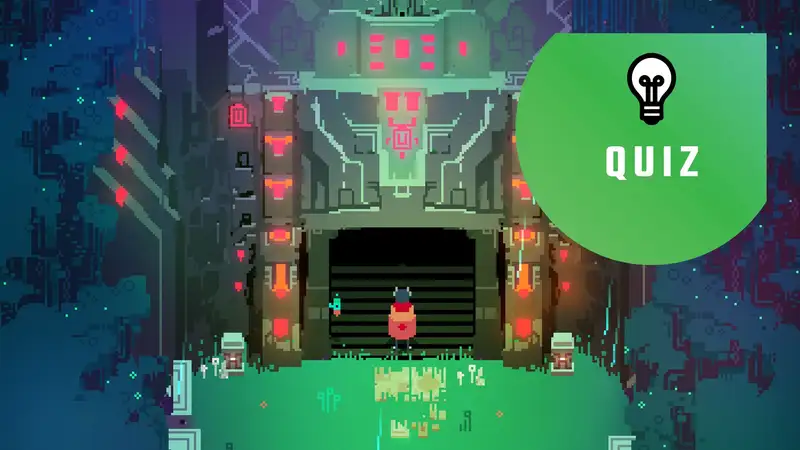
The sustained embrace of pixel art in modern gaming is more than just a passing trend or a simple homage to nostalgia; it represents a deeper philosophical statement within the industry. It underscores a conscious pivot for many, moving away from the relentless pursuit of graphical hyperrealism and towards a greater appreciation for distinct art direction and stylized expression. This perspective suggests that the most impactful visual experiences aren't necessarily those that mimic reality, but rather those that create a unique, cohesive artistic vision. When developers intentionally choose pixel art for titles like Hyper Light Drifter or Replaced, they're not just saving on production costs; they're making a bold aesthetic declaration. This choice allows for greater creative freedom, enabling games to evoke specific moods, tell stories through abstract visuals, and stand out in a crowded market where many AAA titles strive for indistinguishable fidelity. It's a testament to the idea that artistry, vision, and the emotional resonance of a game's world can be conveyed powerfully through carefully chosen pixels, fostering a diverse visual ecosystem in an evolving digital landscape.

The Artistic Evolution of Pixel Art
Modern pixel art is far from a simplistic throwback; it represents a significant artistic evolution. Developers today employ sophisticated techniques, drawing on extensive knowledge of color theory, composition, and animation to create visually stunning worlds. Games like Hyper Light Drifter exemplify this, showcasing intricate environments, fluid character animations, and dazzling particle effects—all rendered with a pixel-perfect precision that was unimaginable in the 8-bit era. This meticulous attention to detail elevates pixel art beyond basic sprites, transforming it into a medium capable of conveying complex narratives and evoking deep emotional responses.

The choice to use pixel art is often driven by a desire for a particular artistic identity. Similar to how a game might adopt the elegant brushstrokes of Okami or the striking impressionism of Disco Elysium to define its visual language, pixel art offers a distinct stylistic signature. It allows developers to create worlds that are immediately recognizable and memorable, fostering a strong connection with players who appreciate unique aesthetic choices. This deliberate embrace of stylization over realism enables a wide range of artistic expressions, from vibrant and whimsical to dark and brooding, all within the pixelated framework.

Nostalgia and Modern Interpretations
For many adult gamers, pixel art carries a potent nostalgic weight, harkening back to formative gaming experiences on classic consoles. The chunky sprites and familiar color palettes evoke a sense of comfort and a connection to gaming's roots. Developers are keenly aware of this emotional resonance and often leverage it while simultaneously pushing creative boundaries. They don't just replicate old styles; they innovate within them. By blending classic aesthetics with modern gameplay mechanics, narrative complexity, and advanced lighting effects, they create experiences that feel both familiar and fresh.

This duality is key to pixel art's continued success. It allows developers to tap into a wellspring of player sentiment while also demonstrating the versatility and enduring relevance of the style. The result is a diverse array of games that appeal to both seasoned enthusiasts and new players, bridging the gap between gaming's past and its future. The ability to create detailed pixel-work, no longer limited by the machines they're running on, means that modern releases can achieve a level of visual sophistication that rivals, and in some cases surpasses, their predecessors in terms of artistic ambition and clarity.
Beyond Technical Limitations

Crucially, the decision to use pixel art in contemporary titles is no longer a concession to technical limitations. Instead, it is a conscious artistic and design choice. Modern game engines and hardware are more than capable of rendering highly realistic graphics, yet many developers deliberately opt for a pixelated aesthetic. This freedom allows them to focus on the expressive power of the style, crafting environments and characters where every pixel is placed with intent and purpose.
This deliberate choice also empowers smaller development teams. While AAA studios pour millions into hyperrealistic assets, indie developers can achieve stunning visual results with pixel art, allowing them to allocate resources to other critical aspects of game development, such as innovative gameplay, robust storytelling, or unique sound design. This democratizing effect ensures that creative vision can flourish without being overshadowed by the need for cutting-edge graphical prowess, fostering a richer and more diverse gaming ecosystem for players worldwide.
Sources

FAQ
What is pixel art in video games?
Pixel art in video games refers to a form of digital art created by manipulating individual pixels on a raster display. It often features a low resolution, limited color palettes, and distinct, blocky aesthetics. Initially a necessity due to hardware limitations, it has evolved into a deliberate artistic style celebrated for its nostalgic charm and unique visual identity.
Why do developers still use pixel art today?
Developers continue to use pixel art for several reasons: its distinct artistic style allows for unique visual identities, it evokes nostalgia for many players, it can be more efficient for smaller development teams, and it offers creative freedom to convey emotion and atmosphere through stylized rather than realistic visuals. It's a conscious artistic choice, not a technical limitation.
What are some notable modern pixel art games?
While the source mentions Hyper Light Drifter and Replaced, other highly acclaimed modern pixel art games include titles like Stardew Valley, Celeste, Dead Cells, Terraria, and Shovel Knight. These games showcase the genre's versatility, blending classic aesthetics with contemporary gameplay and storytelling.
Why it matters
The persistent popularity of pixel art carries significant implications across the gaming landscape. For players, it offers a refreshing alternative to the often-demanding hardware requirements and high production costs associated with hyperrealistic games. This accessibility broadens the appeal of gaming, allowing titles with less graphical horsepower to deliver rich, immersive experiences. For developers, particularly independent studios, embracing pixel art can be a strategic decision. It allows them to differentiate their titles in a crowded market, focus resources on innovative gameplay and compelling narratives, and achieve a unique artistic identity without competing directly on...
Background
Pixel art originated as a necessity born from the technical limitations of early computing and console hardware. The confined memory and processing power of systems like the Atari, NES, and SNES mandated that artists create images using a limited palette of colors and a grid of discernible pixels. This era, often fondly remembered as the 8-bit and 16-bit generations, produced iconic titles where pixel art wasn't just graphics; it was the primary medium for conveying character, environment, and emotion. With the advent of 3D graphics, the industry largely shifted towards polygons, seemingly relegating pixel art to retro gaming. However, as independent game development surged, developers...
The sustained embrace of pixel art in modern gaming is more than just a passing trend or a simple homage to nostalgia; it represents a deeper philosophical statement within the industry. It underscores a conscious pivot for many, moving away from the relentless pursuit of graphical hyperrealism and towards a greater appreciation for distinct art direction and stylized expression. This perspective suggests that the most impactful visual experiences aren't necessarily those that mimic reality, but rather those that create a unique, cohesive artistic vision. When developers intentionally choose pixel art, they're not just saving on production costs; they're making a bold aesthetic declaration....
References
Editorial information
The editorial team reviews sources, adds context, and structures stories so readers can understand the news more clearly.
Article from QNEWS24H
Comments
(0)No comments yet. Be the first to share your thoughts.