Path of Exile Creator Chris Wilson Warns Fans: New ARPG 'Small' & Not a Giant
- Chris Wilson's new ARPG, developed by his small studio Light Pattern (approx. 10 employees), will be significantly smaller than Path of Exile.
- Wilson anticipates potential fan disappointment upon reveal due to the game's modest scale after years of silent development.
- The project is entirely self-funded by Wilson, ensuring creative autonomy and a quiet development phase without public updates.
- This approach allows Wilson to focus on a more intimate development process reminiscent of earlier game design eras.
In an era dominated by sprawling open worlds and perpetually updated live-service titles, the expectations placed upon seasoned game developers often reach monumental proportions. For Chris Wilson, the revered co-founder of Grinding Gear Games and a driving force behind the critically acclaimed action-RPG, Path of Exile, this weight of expectation is palpable. Yet, Wilson is proactively managing these perceptions, openly stating that his next venture, currently in stealth development with a tiny studio named Light Pattern, will be a decidedly more modest affair, potentially surprising long-time followers.
Quick summary
- Chris Wilson, co-founder of Grinding Gear Games, is leading a new ARPG project with his small studio, Light Pattern, which has approximately 10 employees.
- The upcoming game is described as 'small' in scope, explicitly contrasting with the massive scale of Path of Exile and other major ARPGs like Diablo 4.
- Wilson anticipates potential fan disappointment upon the game's reveal, worrying that years of silent development might lead to the sentiment, 'All this time and you just made that?'
- The project is entirely self-funded by Wilson, granting the team significant creative autonomy and allowing for a quiet development cycle without public marketing or frequent updates.


Why it matters
Chris Wilson's candid remarks offer a rare glimpse into the pressures and artistic choices facing veteran game developers in today's industry. His decision to pursue a smaller, self-funded project directly challenges the prevailing trend of ever-larger, multi-million dollar productions, particularly within the action-RPG genre where titles like Path of Exile and Diablo 4 set a high bar for content volume and ongoing support. This move highlights the potential for creative burnout in large-scale endeavors and champions the renewed appeal of independent, focused game design. For players, it signals a potential shift in what to expect from established creators – a focus on refined gameplay and a more curated experience over sheer content quantity. For the industry, it could inspire other developers to consider the viability and rewards of smaller-scale, passion-driven projects, perhaps fostering more innovation and diverse gameplay experiences free from the constraints of massive budgets and corporate demands.
Background
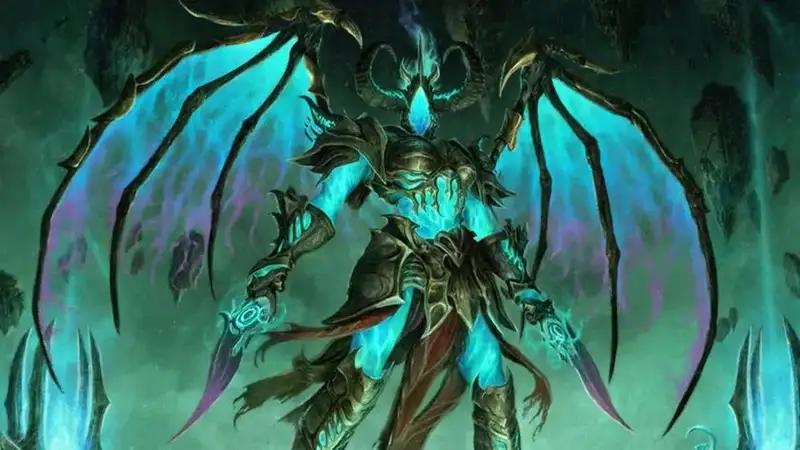
Chris Wilson rose to prominence as a key figure in the resurgence of the classic action-RPG genre. His studio, Grinding Gear Games, launched Path of Exile in 2013, quickly establishing it as a formidable competitor and spiritual successor to Blizzard North's iconic Diablo 2. Path of Exile became renowned for its intricate skill tree, deep item customization, and its free-to-play model supported by ethical microtransactions, garnering a dedicated global fanbase. Over the past decade, PoE has grown into a sprawling live-service behemoth, consistently releasing substantial content updates and expansions, including the highly anticipated Path of Exile 2. This trajectory set a precedent for immense scale and perpetual evolution within the ARPG space.
However, Wilson's latest undertaking with Light Pattern marks a stark departure from this legacy. After years immersed in the demands of a continuously expanding online game, his pivot to a 'tiny' studio of roughly ten employees represents a significant shift. This decision arrives at a time when the video game industry, particularly the ARPG segment, is increasingly dominated by titles requiring hundreds of millions in investment and promising endless content cycles. The backdrop of Path of Exile's ongoing growth and the anticipation for its sequel makes Wilson's current project a noteworthy counter-narrative, reflecting a desire to return to a more intimate, focused development environment that he likens to the 'good old days of game development.'
Qnews24h insight
Chris Wilson's intentional underselling of his new ARPG's scope is not merely a developer managing expectations; it's a strategic declaration of creative intent in an industry often consumed by scale. His candid admission of worry about fan disappointment—'All this time and you just made that?'—reveals a deep understanding of the player base he cultivated with Path of Exile, a game celebrated for its almost infinite depth. However, by self-funding the project and prioritizing a 'stealth mode' development, Wilson is effectively reclaiming creative autonomy, insulating his small team from the pressures of external investors, public roadmaps, and the relentless marketing cycle that often defines large-scale releases. This approach suggests a deliberate pivot towards a highly curated, personal vision, potentially sacrificing broad appeal for a more refined and authentic experience born purely from passion. In a market saturated with 'bigger is better' philosophies, Wilson's move posits that 'smaller' can, in fact, signify a more focused, perhaps even more innovative, path forward for veteran creators seeking renewed enjoyment and control over their craft.
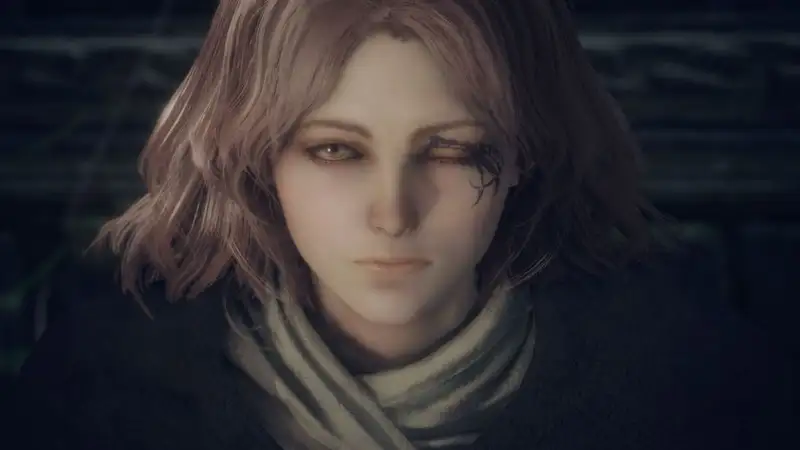
The Allure of the Small Studio
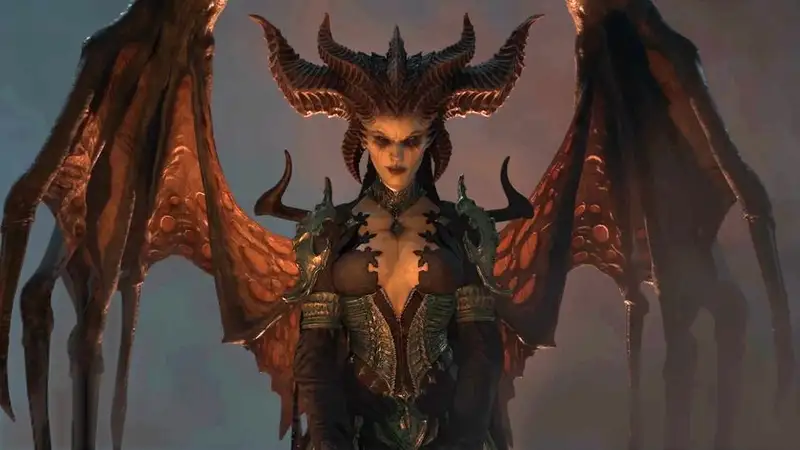
Wilson's enthusiasm for working with a ten-person team at Light Pattern stems from a desire for a more hands-on and intimate development process. He explicitly states that he's 'loving' the experience, noting the ability to 'work really closely with everyone' and 'understand everything that's going into the game.' This contrasts sharply with the complexities of managing a large-scale project like Path of Exile, which involves hundreds of employees and countless interconnected systems. The smaller team size potentially fosters greater cohesion, accelerates decision-making, and allows for a more direct influence from the lead developer, echoing sentiments often expressed by indie creators who prioritize artistic vision over corporate scale.
Managing Mammoth Expectations

The developer's concern about fan reactions is a testament to the immense success of Path of Exile. When a creator delivers a game of such depth and longevity, players naturally project similar ambitions onto future projects. Wilson's preemptive warning is a strategic effort to recalibrate these expectations, signaling that this new ARPG will not aim to compete in the same arena as its predecessor or other AAA titles like Diablo 4, which boast 'a $100 million budget.' This transparency, though unusual for an unannounced project, sets a realistic tone and allows the team to develop the game free from the direct comparison to his own, much larger, legacy.

Creative Freedom Through Self-Funding
A crucial aspect of Wilson's current endeavor is its self-funded nature. By personally financing Light Pattern's project, he retains complete creative control, allowing his 'opinion [to be valued] more than anyone's else.' This independence liberates the team from the commercial pressures that often dictate design choices in investor-backed projects. It permits a longer 'cooking' period, free from the need to 'keep up a public image of doing marketing and providing updates.' This quiet, unhurried development cycle is increasingly rare in the gaming industry, enabling experimentation and refinement without external scrutiny or the demands of a public roadmap, ensuring the game is truly ready when it's eventually unveiled.

A Return to Roots?
Wilson's deep admiration for Diablo 2 is well-documented, with Path of Exile itself widely considered a spiritual successor to the Blizzard North classic. His desire to return to the 'good old days of game development' with a small team and focused scope suggests a potential yearning to recapture the magic of simpler, yet profoundly engaging, ARPG experiences. This doesn't necessarily mean a retro game, but rather a design philosophy that prioritizes core mechanics, atmosphere, and player enjoyment over an overwhelming quantity of content. For fans who appreciate the intricate depth and strategic gameplay of classic ARPGs, Wilson's new direction, despite its smaller scale, might yet be imbued with the 'same magic' that made his previous work so compelling.
Sources
FAQ
What is Chris Wilson's new project?
Chris Wilson, co-founder of Grinding Gear Games, is leading a new, currently unannounced action-RPG project with his small studio, Light Pattern. He has indicated it will be significantly smaller in scope than Path of Exile.
Why is Chris Wilson developing a smaller game after Path of Exile?
Wilson expresses a desire to return to a more intimate development process, similar to the 'good old days of game development,' working closely with a small team (around 10 employees). He is also self-funding the project, allowing for greater creative freedom and a quiet development cycle.
When will Chris Wilson's new ARPG be announced or released?
The project is currently in 'stealth mode' and is 'years away' from being announced. Wilson stated it will be 'substantially closer to completion' at the time of its reveal, as the team wants to 'cook' on the game without public marketing pressure.
What are Chris Wilson's concerns about fan reaction?
Wilson worries that after a long development period, fans who expect another massive online game comparable to Path of Exile or Diablo 4 might be disappointed by the smaller scale of his new project, potentially asking, 'What? All this time and you just made that?'
Why it matters
Chris Wilson's decision to pursue a smaller, self-funded ARPG challenges the industry's 'bigger is better' mentality, highlighting a desire for creative freedom over commercial scale. This move impacts fan expectations for blockbuster-level content from veteran developers and could inspire a trend towards more focused, passion-driven projects in a market often dominated by massive live-service titles. It also underscores the appeal of independent development for established creators seeking to recapture the 'good old days' of game design, potentially leading to a diversification of experiences within the ARPG genre.
Background
Chris Wilson gained renown as the co-founder of Grinding Gear Games and a primary visionary behind Path of Exile, a highly successful free-to-play action-RPG launched in 2013 that evolved into a vast live-service game. PoE distinguished itself with its complex mechanics and continuous content updates, establishing a high bar for content quantity and longevity. This legacy, coupled with the ongoing development of Path of Exile 2, has cultivated a fanbase accustomed to monumental ARPG experiences. Wilson's current venture with his new studio, Light Pattern, which he describes as 'tiny,' represents a deliberate departure from this trajectory. This shift occurs amidst an industry landscape...
Chris Wilson's proactive communication regarding the modest scale of his new ARPG is a calculated move to manage the gargantuan expectations his prior success with Path of Exile has created. By self-funding the project and emphasizing a 'stealth mode' development, Wilson is not just creating a game, but also making a statement about creative control and the pursuit of artistic satisfaction over commercial pressures. This approach suggests a deliberate rejection of the endless content treadmill that defines many modern ARPGs, favoring a return to a more focused and perhaps more innovative design process. It positions Wilson as a developer willing to prioritize his personal vision and the joy...
References
Editorial information
The editorial team reviews sources, adds context, and structures stories so readers can understand the news more clearly.
Article from QNEWS24H
Comments
(0)No comments yet. Be the first to share your thoughts.