Onimusha Resurgence: New Game Hits 1 Million Day-One Sales, Fuels Capcom's IP Strategy
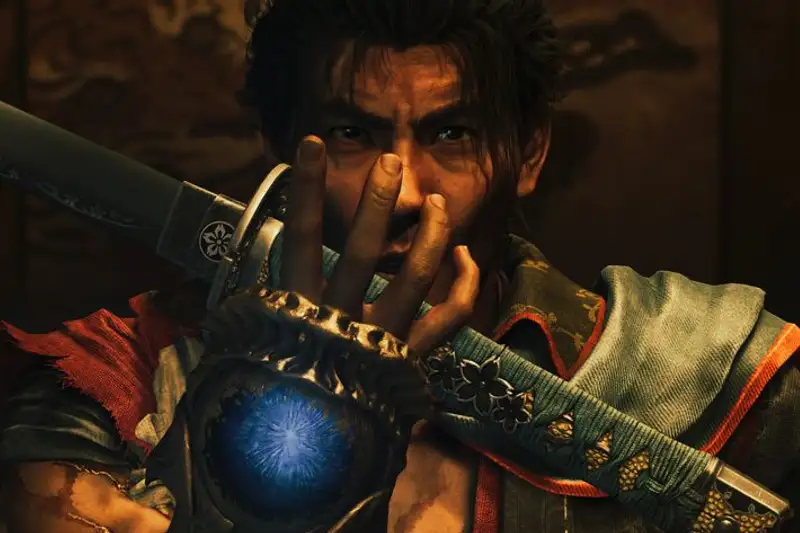
- Onimusha: Way of the Sword achieved over one million unit sales on its launch day.
- This success pushed the entire Onimusha series past the 10-million lifetime sales mark globally.
- The game marks the first new main series Onimusha title released in two decades, following 2006's Onimusha: Dawn of Dreams.
- Capcom has reiterated its focus on "re-activating IPs" that have been dormant, leveraging its extensive catalog.
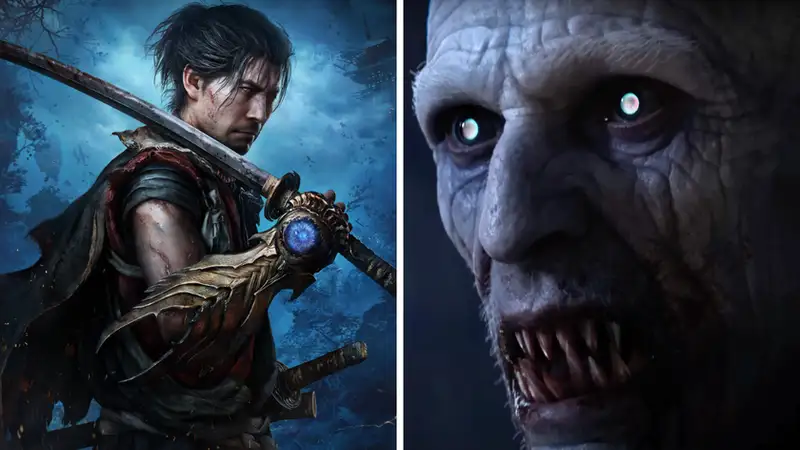
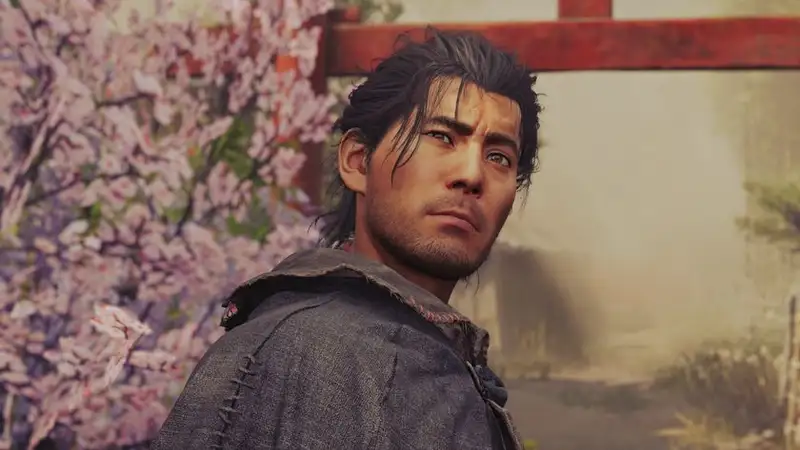
A two-decade hiatus can be a death knell for many video game franchises, but for Capcom's beloved Onimusha series, it proved to be a prelude to a stunning resurgence. The highly anticipated Onimusha: Way of the Sword, the first new title in the main series in 20 years, launched to immediate critical acclaim and impressive commercial success, signaling a powerful return for the samurai-themed action-adventure saga. Its rapid uptake has not only delighted long-time fans but also unequivocally validated a key strategic pivot for the Japanese publishing giant.
Quick summary
- Onimusha: Way of the Sword achieved over one million unit sales on its launch day.
- This success pushed the entire Onimusha series past the 10-million lifetime sales mark globally.
- The game marks the first new main series Onimusha title released in two decades, following 2006's Onimusha: Dawn of Dreams.
- Capcom has reiterated its focus on "re-activating IPs" that have been dormant, leveraging its extensive catalog.
Why it matters
This immediate commercial triumph for Onimusha: Way of the Sword carries significant implications far beyond the individual game's success. For Capcom, it unequivocally validates their strategic initiative to revive dormant intellectual properties (IPs), a gamble that has now paid off handsomely. In an increasingly competitive gaming landscape, where publishers often rely on established blockbuster franchises, the successful reintroduction of a legacy title demonstrates a potent alternative for growth. This outcome could embolden Capcom to delve deeper into its rich historical catalog, potentially unearthing other beloved but long-forgotten series.
For players, especially those who grew up with the original Onimusha games, it signifies a hopeful trend: that cherished franchises from yesteryear might not be consigned to history but can find new life with modern production values and design sensibilities. It also suggests that there's a strong market appetite for high-quality, single-player experiences that revisit classic genres and narratives, pushing back against the perception that only live-service or open-world titles can achieve such sales milestones. Furthermore, this success provides a strong counter-narrative to the prevailing belief that long gaps between installments kill franchise relevance, proving that a quality revival can overcome extended dormancy.
Background
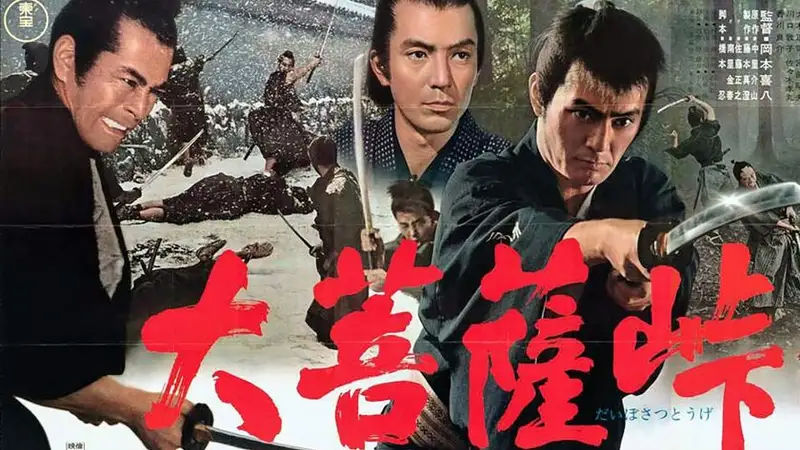
The Onimusha series first captivated gamers in the early 2000s, blending historical samurai themes with supernatural horror and intense hack-and-slash combat. The original Onimusha: Warlords (2001) quickly became a PlayStation 2 hit, celebrated for its cinematic presentation and compelling gameplay. Over the next five years, Capcom released several sequels and spin-offs, culminating with Onimusha: Dawn of Dreams in 2006. Following this, the series entered a prolonged period of inactivity, much to the dismay of its dedicated fanbase. While there was a remaster of the original Warlords in 2019, a completely new entry remained elusive for two decades.
During this time, Capcom itself underwent a remarkable transformation. After a period of mixed critical and commercial reception in the early 2010s, the company embarked on a widely recognized renaissance. This resurgence began in earnest with titles like Resident Evil 7: Biohazard (2017) and continued with highly successful remakes such as Resident Evil 2 (2019) and Resident Evil 4 (2023), alongside new entries in major franchises like Monster Hunter: World (2018) and Street Fighter 6 (2023).
This renewed focus on quality, modern game design, and strategic re-imagining of its core IPs laid the groundwork for the Onimusha revival. The success of these other titles demonstrated Capcom's ability to not only innovate but also to successfully tap into nostalgia while evolving gameplay for contemporary audiences, setting high expectations for any dormant IP it chose to "re-activate."
Qnews24h insight
The spectacular return of Onimusha with Way of the Sword serves as a powerful testament to the value of a meticulously executed IP reactivation strategy, particularly when supported by a strong foundation of recent development successes. Capcom's deliberate approach, which has seen it deliver consistently high-quality titles across various genres, has cultivated a level of trust with both its audience and the market that few publishers currently enjoy. This trust is crucial when venturing back into dormant franchises, as it assures players that any new entry will not simply be a cash-in but a thoughtfully crafted experience.
However, while the Onimusha triumph signals a clear green light for similar ventures, it also underscores the critical need for careful selection and execution. Not every dormant IP carries the same legacy appeal or can be successfully modernized without alienating its core fanbase. Capcom's internal statement about "re-activating IPs that haven't had a new title launch recently" suggests a systematic review of its extensive library, implying that future revivals will likely be chosen based on a combination of historical popularity, perceived potential for contemporary appeal, and the availability of creative teams capable of doing them justice.
The market should expect more such announcements, with franchises like Lost Planet or Dino Crisis often cited by fans as prime candidates, but each will face the high bar set by Onimusha: Way of the Sword's impressive debut. The key for Capcom will be maintaining its current standard of quality while diversifying its output to avoid over-reliance on a few blockbuster series.
A Renaissance for Capcom's Classics
Capcom's recent track record has been nothing short of stellar, earning the Japanese developer a reputation for consistently delivering critically acclaimed and commercially successful titles. The Onimusha: Way of the Sword achievement is the latest in a series of "mile markers" that underscore this impressive run. Beyond the Resident Evil remakes that have redefined how classic survival horror can be brought into the modern era, Capcom has launched two new mainline Resident Evil games, expanded the wildly popular Monster Hunter universe with Monster Hunter Rise and the upcoming Wilds, and revitalized fighting games with the celebrated Street Fighter 6.
The company’s portfolio also includes ambitious new IPs like Pragmata and innovative titles such as Kunitsu-Gami: Path of the Goddess, showcasing a willingness to experiment alongside revisiting cherished franchises. This broad spectrum of development, all maintaining a high standard of quality, has built significant momentum for the publisher, creating an environment where a game like Onimusha: Way of the Sword can not only launch successfully but also thrive immediately.
The Power of Nostalgia Meets Modern Craftsmanship
The remarkable launch-day sales of Onimusha: Way of the Sword were not merely a testament to the franchise's lingering appeal but also to the quality of the game itself. Our reviewer, Wes, praised the title for its engaging combat and challenging encounters, awarding it an 83/100 and noting that it "whips ass." This critical reception, coupled with immediate commercial success, highlights a crucial lesson for the industry: nostalgia alone is insufficient. Modern revivals must blend the essence of what made the originals great with contemporary gameplay mechanics, refined visuals, and thoughtful design choices to resonate with both returning fans and new players.
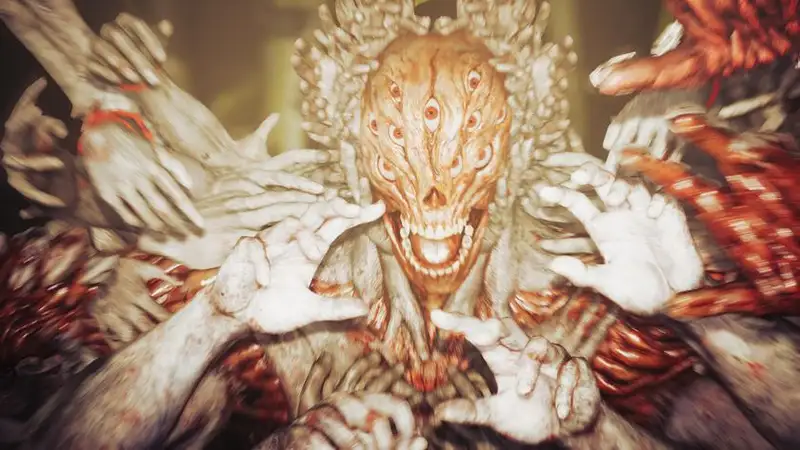
The game reportedly offered a robust challenge, with the reviewer mentioning dying frequently, particularly to bosses that punished poor parry timing. This commitment to challenging gameplay, a hallmark of many classic action titles, demonstrates that developers can cater to players seeking depth and skill-based combat without alienating a broader audience. The success of Onimusha: Way of the Sword suggests a strong market for single-player, narrative-driven experiences that lean into refined action gameplay.
What's Next for Dormant IPs?
Capcom's explicit statement about "focusing on re-activating IPs that haven't had a new title launch recently" effectively opens a Pandora's Box of possibilities for its vast library. The publisher is clearly looking to "further maximize corporate value by leveraging its rich library of content." This strategy isn't unique to Capcom, as other major publishers have also found success in re-imagining or reviving older properties. However, Capcom's consistent execution sets it apart.
Fans have already begun speculating about which other beloved franchises could be next in line for a revival. Names like Dino Crisis, Lost Planet, and Mega Man Legends frequently surface in discussions, representing a diverse range of genres that could benefit from Capcom's revitalized development prowess. The Onimusha achievement provides a compelling business case for investing in these long-dormant series, demonstrating that careful cultivation and high-quality production can transform forgotten gems into new commercial successes, significantly expanding Capcom's evergreen portfolio.
Sources
FAQ
What is Onimusha: Way of the Sword?
It's the latest entry in Capcom's samurai-themed action-adventure series, marking the first new main game in the franchise in 20 years.
How successful was Onimusha: Way of the Sword on launch?
The game sold over one million copies on its launch day, significantly contributing to the series' overall lifetime sales.
What does this success mean for Capcom's future strategy?
It validates Capcom's strategy of "re-activating" dormant intellectual properties, suggesting the company will likely explore reviving other beloved but inactive franchises from its extensive catalog.
When was the last new Onimusha game released before Way of the Sword?
The last new main series game was Onimusha: Dawn of Dreams, released two decades ago in 2006.









Why it matters
This immediate commercial triumph for Onimusha: Way of the Sword carries significant implications far beyond the individual game's success. For Capcom, it unequivocally validates their strategic initiative to revive dormant intellectual properties (IPs), a gamble that has now paid off handsomely. In an increasingly competitive gaming landscape, where publishers often rely on established blockbuster franchises, the successful reintroduction of a legacy title demonstrates a potent alternative for growth. This outcome could embolden Capcom to delve deeper into its rich historical catalog, potentially unearthing other beloved but long-forgotten series. For players, especially those who grew up...
Background
The Onimusha series first captivated gamers in the early 2000s, blending historical samurai themes with supernatural horror and intense hack-and-slash combat. The original Onimusha: Warlords (2001) quickly became a PlayStation 2 hit, celebrated for its cinematic presentation and compelling gameplay. Over the next five years, Capcom released several sequels and spin-offs, culminating with Onimusha: Dawn of Dreams in 2006. Following this, the series entered a prolonged period of inactivity, much to the dismay of its dedicated fanbase. While there was a remaster of the original Warlords in 2019, a completely new entry remained elusive for two decades. During this time, Capcom itself underwent...
The spectacular return of Onimusha with Way of the Sword serves as a powerful testament to the value of a meticulously executed IP reactivation strategy, particularly when supported by a strong foundation of recent development successes. Capcom's deliberate approach, which has seen it deliver consistently high-quality titles across various genres, has cultivated a level of trust with both its audience and the market that few publishers currently enjoy. This trust is crucial when venturing back into dormant franchises, as it assures players that any new entry will not simply be a cash-in but a thoughtfully crafted experience. However, while the Onimusha triumph signals a clear green light...
References
Editorial information
The editorial team reviews sources, adds context, and structures stories so readers can understand the news more clearly.
Article from QNEWS24H
Comments
(0)No comments yet. Be the first to share your thoughts.