Nike Air Max 95's 'Racer Blue' General Release: A Reset for Sneaker Culture?
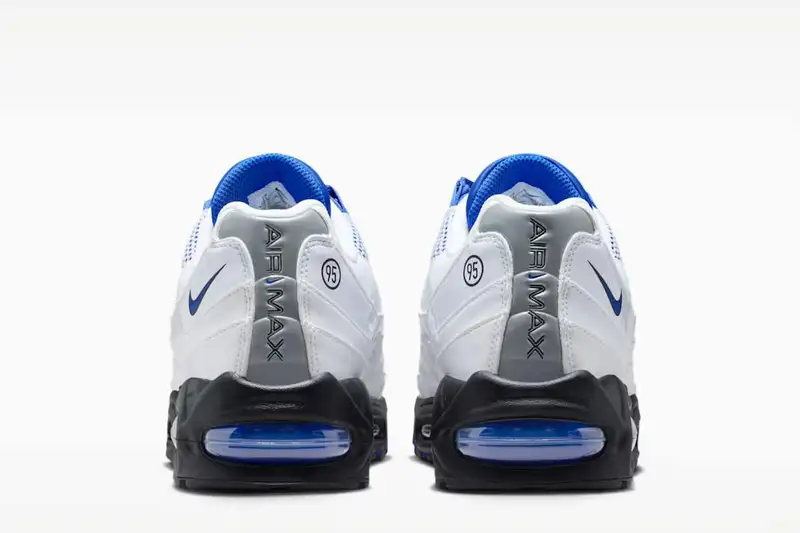
- The Nike Air Max 95 White/Racer Blue is a general release (GR) model gaining significant traction, challenging the dominance of high-resale, limited-edition sneakers.
- This new iteration consciously strips back luxury overhauls, returning to the silhouette's original mid-90s performance-focused aesthetic.
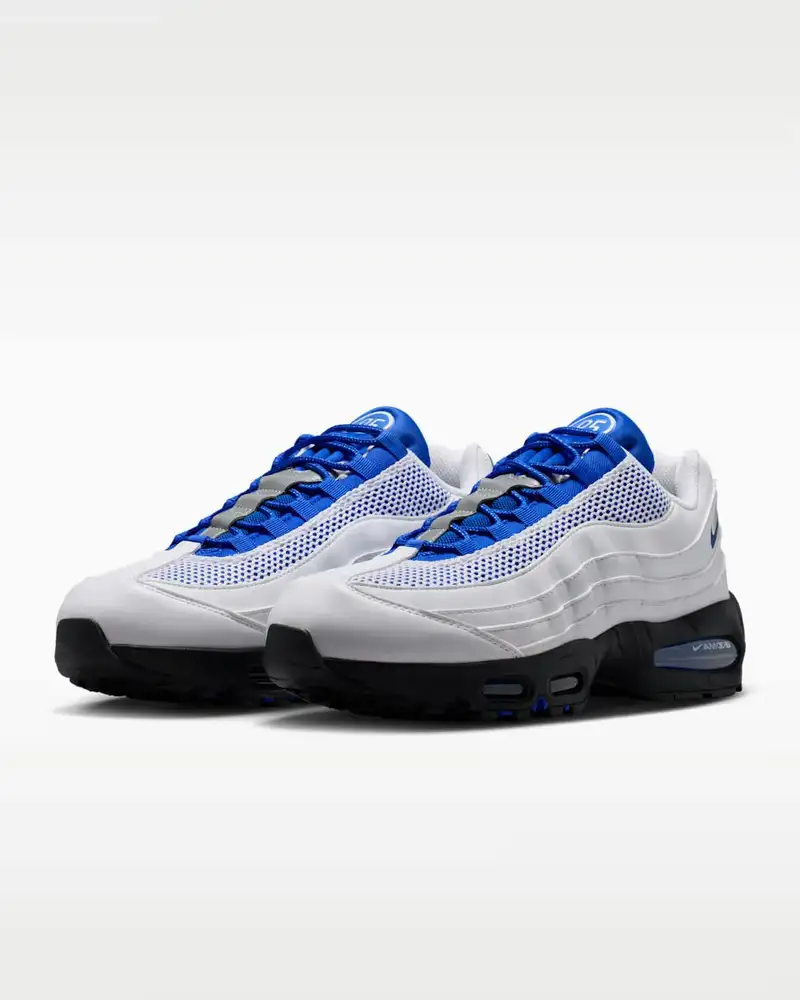
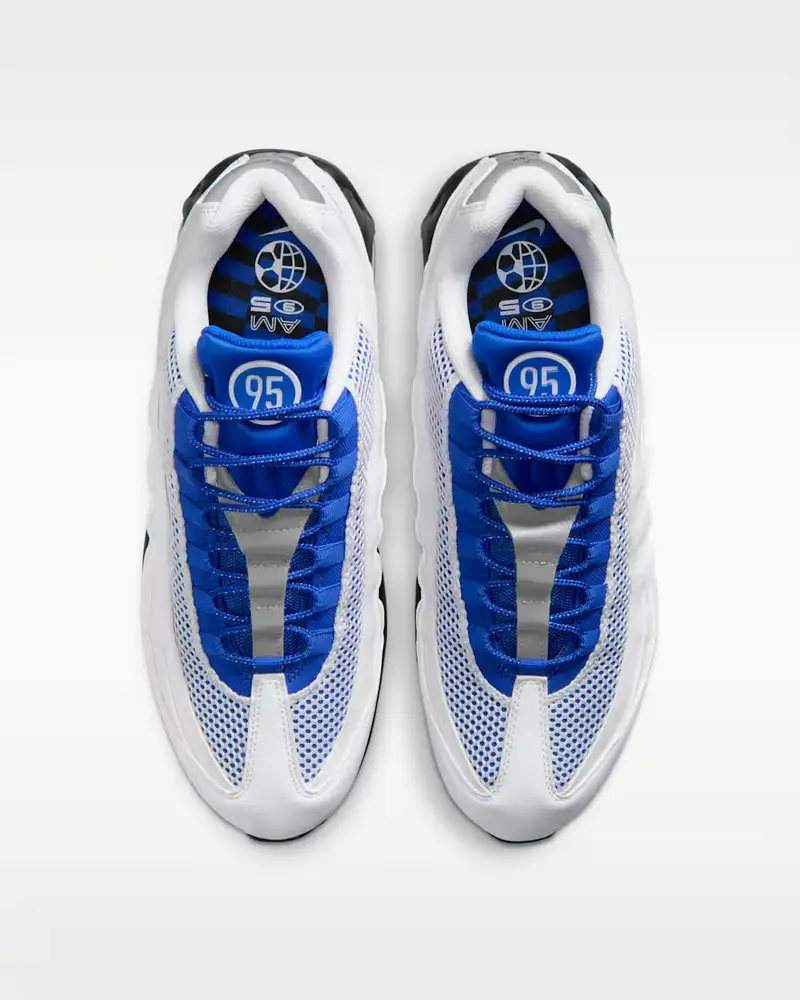
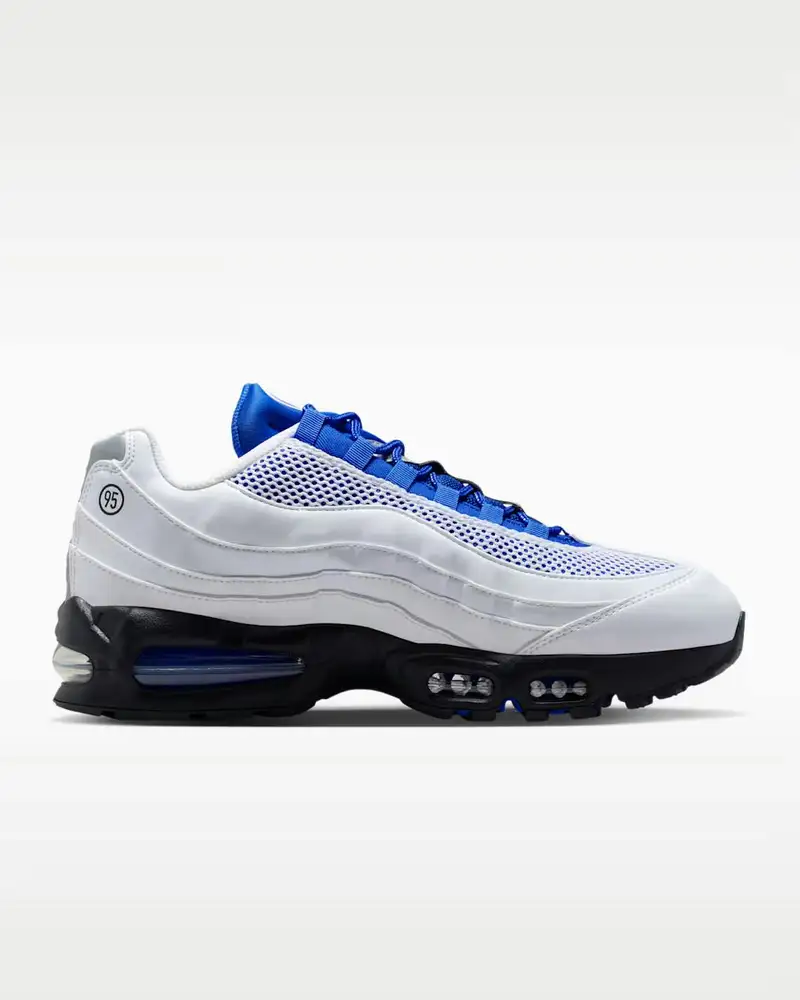
- Its design features a clean white glossy leather finish, blended with mesh and vibrant Racer Blue accents on the lacing, tongue, and the iconic visible Air unit.
- The success of this accessible release suggests a potential shift in consumer preference, valuing classic design and wearability over exclusive, expensive collaborations.
In a landscape increasingly defined by exclusive collaborations, exorbitant resale prices, and the relentless pursuit of limited-edition drops, a surprising contender has emerged to challenge the very notion of sneaker desirability. The recent release of the Nike Air Max 95 in a striking White/Racer Blue colorway, a standard general release, is proving that authentic design and accessible appeal can often eclipse the clamor of manufactured hype, offering a refreshing counter-narrative to the prevailing trends in footwear culture.
Quick summary
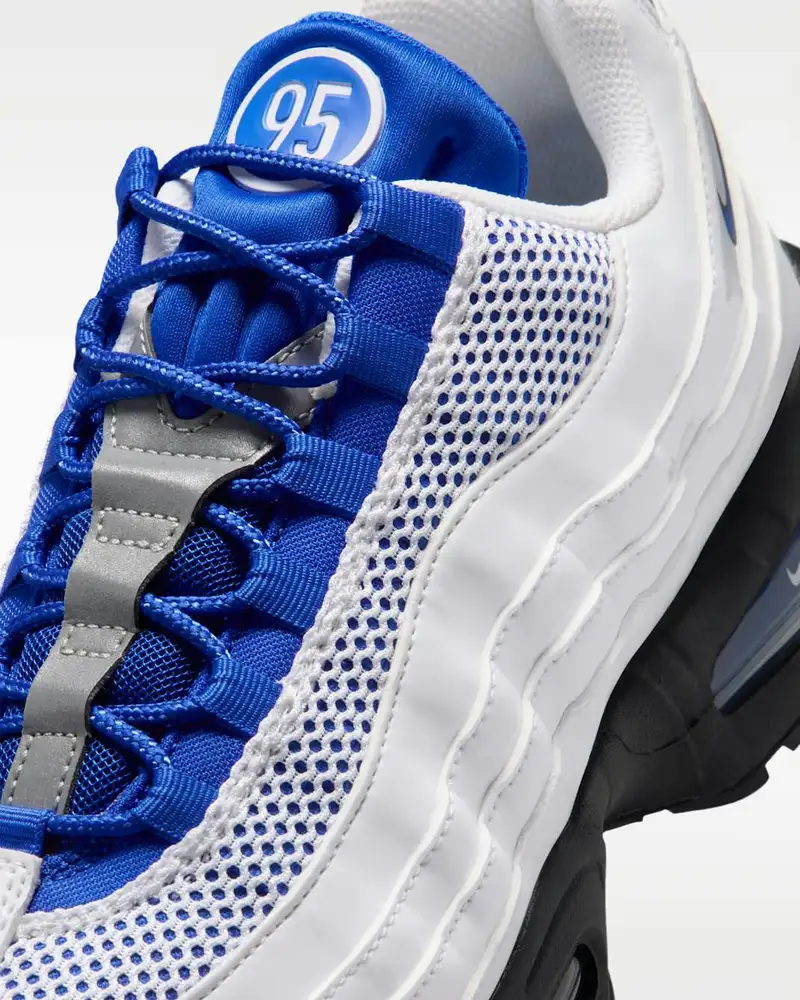
- The Nike Air Max 95 White/Racer Blue is a general release (GR) model gaining significant traction, challenging the dominance of high-resale, limited-edition sneakers.
- This new iteration consciously strips back luxury overhauls, returning to the silhouette's original mid-90s performance-focused aesthetic.
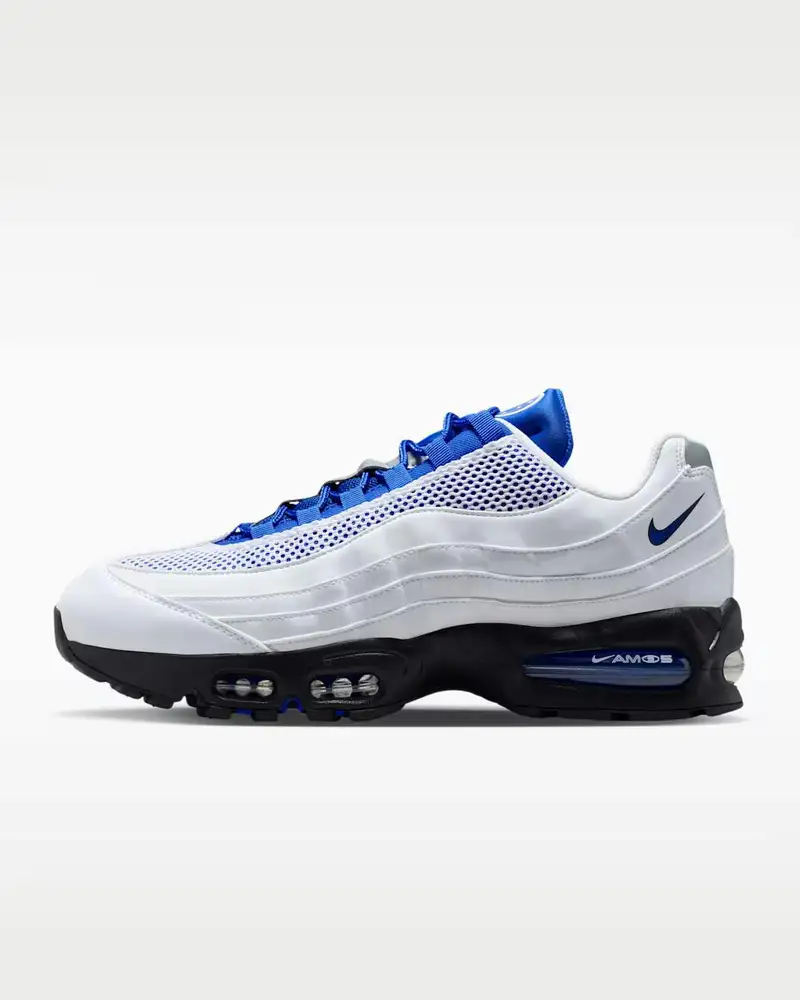
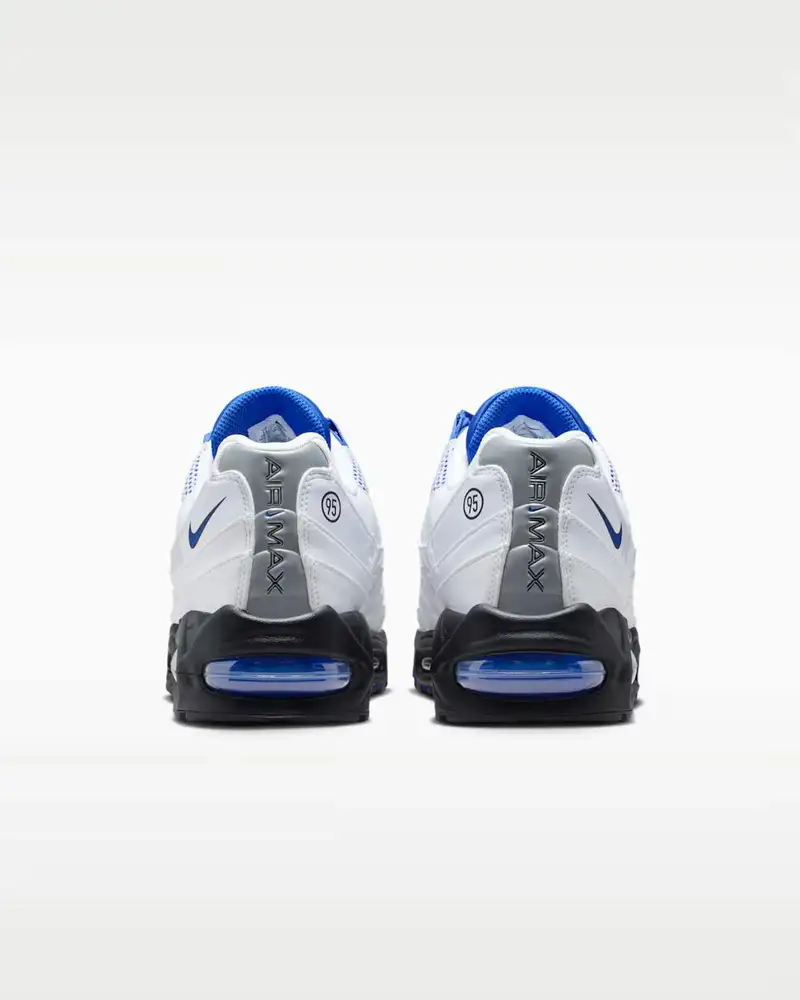
- Its design features a clean white glossy leather finish, blended with mesh and vibrant Racer Blue accents on the lacing, tongue, and the iconic visible Air unit.
- The success of this accessible release suggests a potential shift in consumer preference, valuing classic design and wearability over exclusive, expensive collaborations.
Why it matters
This particular Air Max 95 release holds significant implications for both consumers and the broader footwear industry. For sneaker enthusiasts, it offers a tangible alternative to the frustrating cycle of 'bot' battles and inflated secondary market prices. It re-establishes the idea that a compelling sneaker doesn't need an astronomical price tag or a celebrity co-sign to be coveted, shifting the focus back to design merit and everyday wearability. This accessibility democratizes sneaker culture, allowing a wider audience to enjoy a high-quality product without financial barriers.
For brands like Nike, the robust performance of a general release can inform future strategies. It signals that investing in strong, foundational designs and accessible production volumes remains vital, even amidst a push for high-profile collaborations. Such success reinforces brand loyalty by demonstrating an understanding of core consumer desires beyond just exclusivity. It also challenges the narrative that market success is solely tied to scarcity, potentially encouraging a more balanced approach to product releases that blends hype with widespread availability.
Ultimately, the Air Max 95 White/Racer Blue serves as a litmus test for the enduring power of classic silhouettes and thoughtful colorways. Its resonance could influence design trends, encouraging a return to clean, athletic aesthetics and highlighting that sometimes, the most impactful releases are those that simply get the fundamentals right.
Background
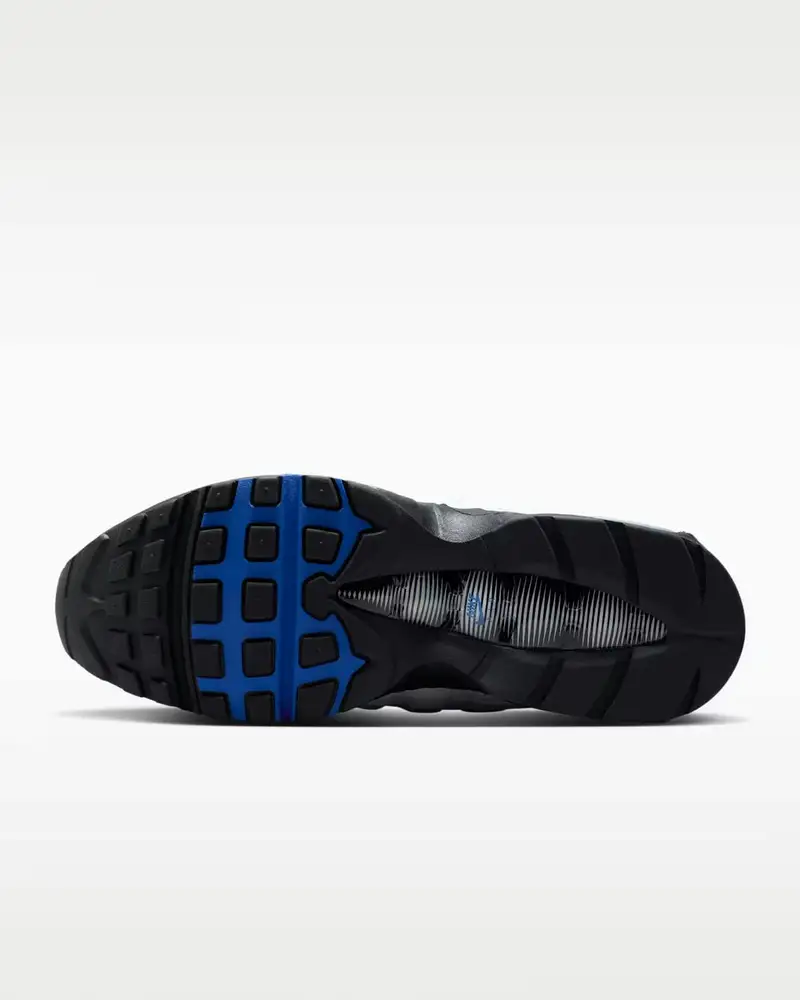
The Nike Air Max 95, originally designed by Sergio Lozano, debuted in 1995 and immediately broke new ground in athletic footwear. Its revolutionary design drew inspiration from human anatomy, with the layered side panels mimicking muscle fibers, the nylon eyelets representing ribs, and the sole embodying the spine. Crucially, it was the first Nike shoe to feature visible Air cushioning in both the forefoot and heel, a major technological advancement that elevated its performance credentials and distinctive aesthetic.
Over the decades, the Air Max 95 cemented its place not just in running history, but also as a cultural icon, particularly within subcultures in London and Japan. Its bold, aggressive styling often featured gradient color schemes, most famously the 'Neon' yellow, which highlighted its unique construction. This blend of innovative technology and street credibility ensured its enduring appeal.
In recent years, the Air Max 95 has been subject to various reinterpretations, some leaning heavily into luxury and lifestyle aesthetics. These versions often swapped traditional athletic materials like mesh for premium leathers, nubucks, and more muted, sophisticated color palettes, aiming to elevate the silhouette into high-fashion territory. While these iterations found their audience, they sometimes moved away from the raw, performance-driven spirit that originally defined the shoe.
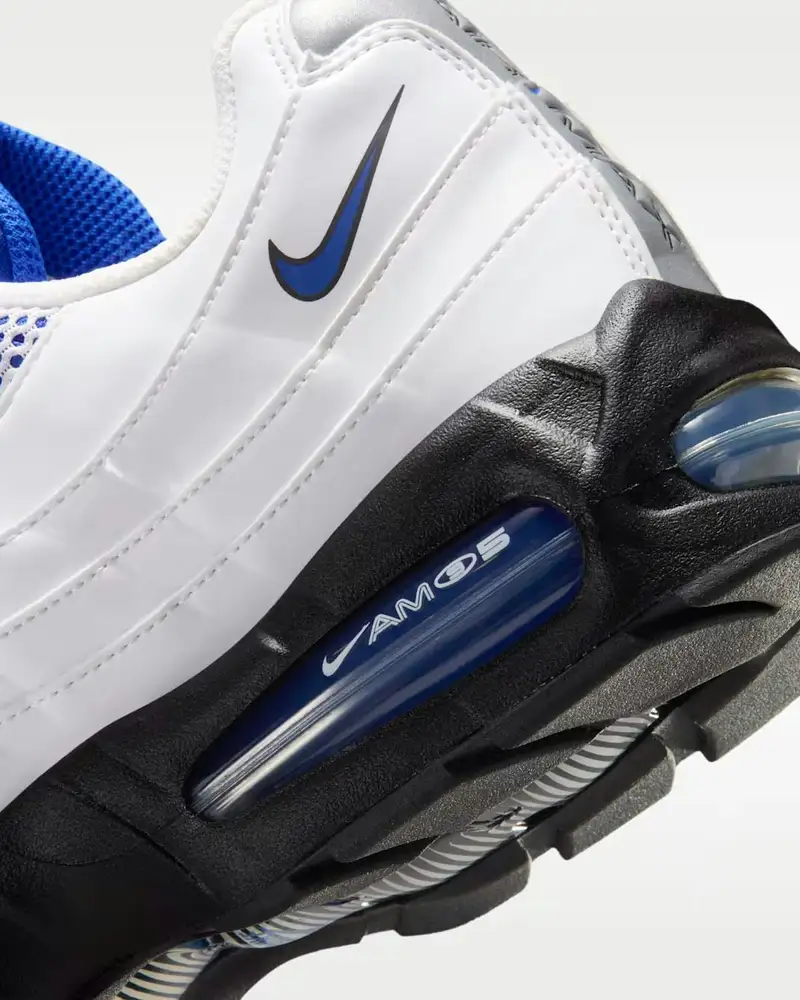
The latest White/Racer Blue general release marks a deliberate counter-movement against this trend. It consciously steps back from the 'luxury overhaul' approach, instead choosing to re-embrace the unpretentious, hyper-sporty layout that characterized the shoe's mid-90s origins. This move is not merely nostalgic; it's a strategic return to the core principles that made the Air Max 95 a groundbreaking design in the first place, emphasizing clean lines, functional materials, and vibrant, purposeful color accents.
The Resurgence of the General Release Aesthetic
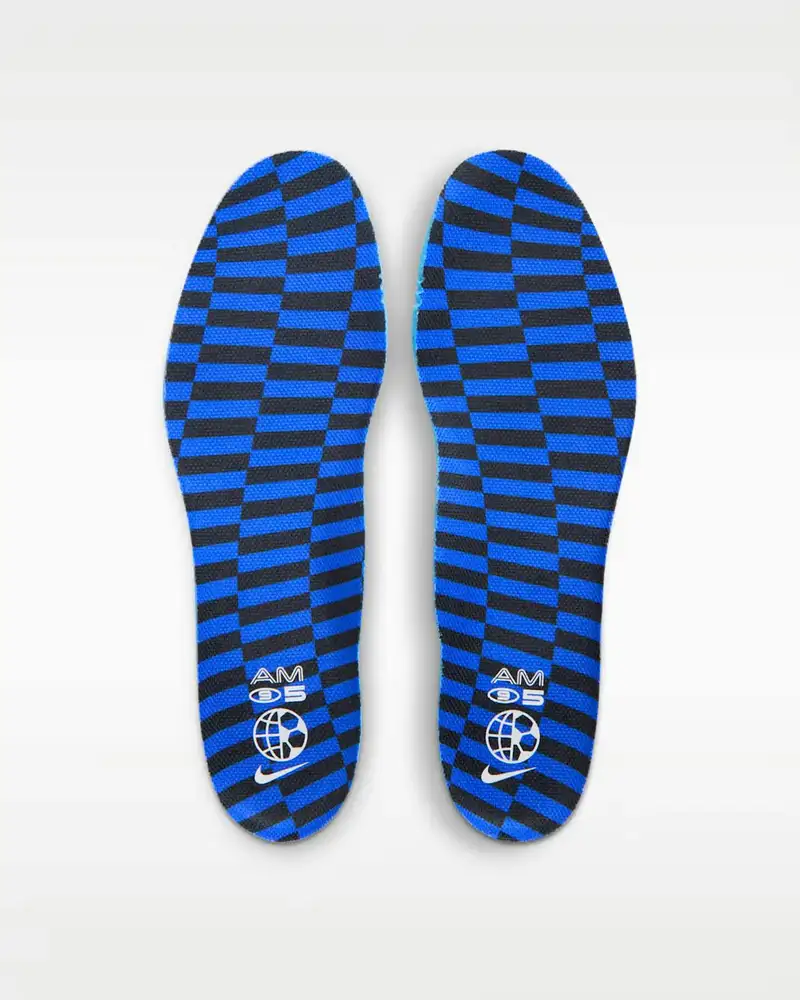
The Nike Air Max 95 White/Racer Blue stands out precisely because it's a general release that commands attention without relying on scarcity or a marquee collaboration. Its appeal lies in a meticulously executed color scheme and material selection that harks back to an era when sneakers were primarily about innovative design and athletic performance, not just exclusivity.
The design eschews the familiar gradient greys of classic 95s, opting instead for a bold, solid white finish in glossy leather across its distinctive layered panels. This creates a clean, pristine base that immediately draws the eye. Complementing this, a mesh layer blends white with a vibrant 'Racer Blue' punch, which then extends to the lacing column and tongue, providing a dynamic contrast and emphasizing the shoe's athletic roots.

A key highlight of this particular iteration is the continued incorporation of the retrofitted 'Big Bubble' sole configuration. This design choice amplifies the visual impact of the oversized four-window Air unit in the heel, illuminating it in the same energetic Racer Blue hue. This feature not only serves as a visual nod to the shoe's performance heritage but also provides enhanced cushioning and comfort, blending form and function seamlessly.
In a market often saturated with heavy, insulated leather versions of the Air Max 95, this release offers a refreshing alternative. Its lighter, brighter aesthetic makes it particularly appealing for warmer seasons, positioning it as a beautifully balanced, retro-minded piece that effortlessly merges heritage with contemporary style. It's a testament to how the careful application of color and texture can revitalize a classic silhouette and appeal to a broad spectrum of consumers.

A Counterpoint to Hype Culture
The sneaker industry has, for years, been largely driven by what's known as 'hype culture' — a phenomenon where demand for certain products is artificially inflated through limited production runs, strategic marketing, and celebrity endorsements. This often leads to immediate sell-outs, exorbitant resale prices on secondary markets, and a sense of exclusivity that can alienate casual enthusiasts.

While this model has undeniably generated massive profits for brands and resellers, it has also fostered frustration among consumers who are simply looking to purchase sneakers for wear, not investment. The success of the Air Max 95 White/Racer Blue serves as a powerful counterpoint to this prevailing narrative. It demonstrates that a well-designed, readily available product can still generate significant buzz and appeal, proving that the intrinsic value of a shoe's aesthetics and heritage can be more potent than its artificial scarcity.
This release suggests a maturing of the sneaker market, where some consumers may be growing weary of the constant chase for the 'next big thing' and are instead seeking quality, comfort, and timeless style that doesn't require jumping through hoops or paying premium markups. It's a subtle but significant shift, potentially signaling a re-evaluation of priorities within the sneaker community, moving towards appreciating craftsmanship and accessibility.

Qnews24h insight
The noteworthy success of a general release like the Nike Air Max 95 White/Racer Blue presents a critical juncture for Nike and the broader sneaker industry. While high-profile collaborations and limited drops undoubtedly generate significant buzz and maintain a certain prestige, the sustained demand for this accessible model suggests that a segment of the market deeply values authenticity, wearability, and a direct connection to a brand's heritage. This isn't merely a nostalgic nod; it reflects a strategic opportunity for Nike to reinforce its core offerings, demonstrating that thoughtful design and broad availability can coexist with, and even complement, its exclusive ventures.
The insight here lies in recognizing that the long-term health of sneaker culture may hinge on striking a delicate balance. Over-reliance on artificial scarcity risks alienating a significant portion of consumers and could dilute the brand's appeal to those who prioritize substance over hype. A strong portfolio of well-executed general releases, like this Air Max 95, acts as a critical foundation, ensuring that the brand remains accessible and desirable to a wider audience while still leveraging the excitement of its more exclusive projects. This blend ensures continued market relevance and consumer engagement across all segments, rather than solely catering to the speculative secondary market.
Sources
FAQ
What makes the Nike Air Max 95 White/Racer Blue significant?
This general release stands out because it's generating significant demand by returning to the Air Max 95's original athletic design roots, offering a clean, accessible aesthetic that challenges the prevailing trend of luxury collaborations and high-resale exclusive sneakers.
How does this release differ from other recent Air Max 95 models?
Unlike many recent iterations that have adopted premium materials and muted palettes for a high-fashion lifestyle look, the White/Racer Blue model embraces a hyper-sporty layout with glossy white leather, mesh, and vibrant Racer Blue accents, directly referencing its mid-90s performance heritage.
What does a 'general release' mean in sneaker culture?
A general release (GR) refers to a sneaker model that is produced in larger quantities and is more widely available through various retailers, in contrast to limited editions or exclusive collaborations that are often scarce and sold out quickly, sometimes leading to high resale prices.
Why might this general release appeal to a broader consumer base?
Its appeal stems from several factors: its accessible price point, the striking yet clean design that honors the shoe's iconic history, and its wearability for everyday use. It offers a premium look and feel without the frustration and financial barrier often associated with highly exclusive sneaker drops.
Why it matters
This particular Air Max 95 release holds significant implications for both consumers and the broader footwear industry. For sneaker enthusiasts, it offers a tangible alternative to the frustrating cycle of 'bot' battles and inflated secondary market prices. It re-establishes the idea that a compelling sneaker doesn't need an astronomical price tag or a celebrity co-sign to be coveted, shifting the focus back to design merit and everyday wearability. This accessibility democratizes sneaker culture, allowing a wider audience to enjoy a high-quality product without financial barriers. For brands like Nike, the robust performance of a general release can inform future strategies. It signals...
Background
The Nike Air Max 95, originally designed by Sergio Lozano, debuted in 1995 and immediately broke new ground in athletic footwear. Its revolutionary design drew inspiration from human anatomy, with the layered side panels mimicking muscle fibers, the nylon eyelets representing ribs, and the sole embodying the spine. Crucially, it was the first Nike shoe to feature visible Air cushioning in both the forefoot and heel, a major technological advancement that elevated its performance credentials and distinctive aesthetic. Over the decades, the Air Max 95 cemented its place not just in running history, but also as a cultural icon, particularly within subcultures in London and Japan. Its bold,...
The noteworthy success of a general release like the Nike Air Max 95 White/Racer Blue presents a critical juncture for Nike and the broader sneaker industry. While high-profile collaborations and limited drops undoubtedly generate significant buzz and maintain a certain prestige, the sustained demand for this accessible model suggests that a segment of the market deeply values authenticity, wearability, and a direct connection to a brand's heritage. This isn't merely a nostalgic nod; it reflects a strategic opportunity for Nike to reinforce its core offerings, demonstrating that thoughtful design and broad availability can coexist with, and even complement, its exclusive ventures. The...
References
Editorial information
The editorial team reviews sources, adds context, and structures stories so readers can understand the news more clearly.
Article from QNEWS24H
Comments
(0)No comments yet. Be the first to share your thoughts.