Nike Revives Iconic 2001 Air Force 1 Silhouette, Tapping Into Sneaker Nostalgia
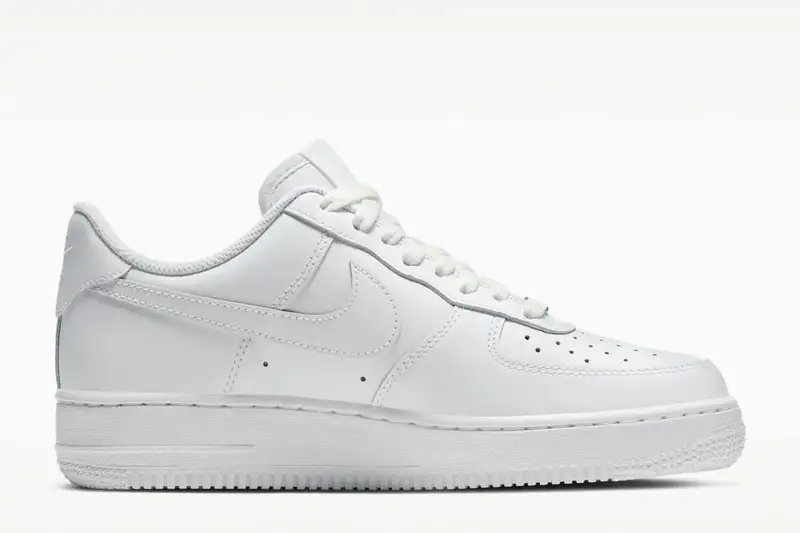
- Nike is bringing back the original 2001 mold for its iconic Air Force 1 sneaker.
- The revived model features a distinctive lower profile, a slimmed-down toe box, and crisp side panels.
- This release taps into the significant 'aughts-era' cultural energy that solidified the AF1's status.
- The move differentiates this release from numerous modern AF1 variations, emphasizing a return to authentic design.
In the dynamic world of sneaker culture, where innovation often clashes with an enduring reverence for tradition, Nike is making a decisive move that speaks directly to the purists. The global sportswear giant is set to reintroduce a highly specific and cherished version of its legendary Air Force 1, opting to revive the beloved 2001 mold. This isn't just another retro release; it's a meticulous return to a silhouette that many consider the quintessential form, promising a wave of nostalgia for long-time collectors and a fresh appreciation for a new generation.
Quick summary
- Nike is bringing back the original 2001 mold for its iconic Air Force 1 sneaker.
- The revived model features a distinctive lower profile, a slimmed-down toe box, and crisp side panels.
- This release taps into the significant 'aughts-era' cultural energy that solidified the AF1's status.
- The move differentiates this release from numerous modern AF1 variations, emphasizing a return to authentic design.


Why it matters
This strategic revival of the 2001 Air Force 1 mold carries significant implications for both Nike and the broader sneaker market. For consumers, it represents an answer to a persistent call for authenticity and a return to the foundational aesthetics of a cultural icon. Many sneaker enthusiasts and collectors have expressed a preference for the nuanced shape and proportions of earlier AF1 iterations, often finding modern versions to be subtly altered or less refined in comparison. This release directly addresses that demand, offering a product that aligns with a perceived 'original' ideal.
For Nike, the move reinforces its commitment to heritage and its ability to tap into powerful waves of nostalgia. In an era saturated with bold collaborations, technological advancements, and experimental designs, leaning into a proven, revered classic demonstrates a sophisticated understanding of market segmentation. It allows Nike to cater to a discerning segment that prioritizes classic design over novelty, potentially strengthening brand loyalty and attracting consumers who appreciate meticulous historical accuracy. Furthermore, by highlighting the subtle yet critical differences in mold and profile, Nike educates its audience on the depth of design evolution within its own product lines, elevating the narrative around the Air Force 1 beyond mere colorways or material changes.
Background

The Air Force 1's journey began in 1982, designed by Bruce Kilgore as a revolutionary basketball shoe, notably the first to incorporate Nike's 'Air' technology. Its robust build and innovative cushioning quickly made it a favorite on the courts. However, its true legend was forged not in arenas, but on the streets. By the mid-1980s, particularly in cities like Baltimore, New York, and Philadelphia, the Air Force 1 transcended its athletic origins, becoming a staple of street culture and an undeniable symbol of urban fashion.
Over the decades, the AF1 evolved, adapting to new trends and technologies, undergoing countless material treatments, color palette experiments, and collaborative reworkings. While its fundamental design remained, subtle changes in manufacturing processes and material specifications over the years led to minor, yet noticeable, shifts in its silhouette. The early 2000s, often referred to as the 'aughts,' was a particularly pivotal period for the Air Force 1. During this era, the shoe reached unparalleled heights of popularity, becoming synonymous with hip-hop culture and cementing its status as an undisputed lifestyle icon. This was the period when the AF1, especially in its crisp all-white form, graced album covers, music videos, and the feet of trendsetters worldwide. The 2001 mold, with its distinct lower profile and slim toe box, represents a benchmark for many who experienced the AF1's golden age, a subtle refinement that became the gold standard for its silhouette before more recent, sometimes bulkier, iterations emerged. The decision to specifically revive this 2001 mold is a nod to that precise moment in the shoe's illustrious history, differentiating it from the multitude of variations that have since entered the market, ranging from rugged GORE-TEX editions to luxurious crocodile-skin interpretations or those adorned with 'serious jewels.'
Qnews24h insight
Nike's decision to resurrect the 2001 Air Force 1 mold isn't merely a nostalgic play; it's a finely calculated strategic maneuver that underscores the enduring power of brand heritage when executed with precision. In an increasingly crowded and trend-driven sneaker market, this move positions Nike not just as an innovator, but as a custodian of its own iconic legacy. It acknowledges a sophisticated consumer base that can discern the subtle nuances between different production molds, reflecting a depth of appreciation beyond superficial aesthetics.

This focused retro release stands in stark contrast to the often rapid-fire rollout of new collaborations and limited editions, suggesting a dual-pronged approach where foundational classics are given as much, if not more, reverence than cutting-edge designs. It signals that even a brand as dominant as Nike recognizes the value in satisfying the purists and that 'original' often sells better than 'new' when it comes to truly iconic models. Furthermore, by re-emphasizing the subtle distinctions of the 2001 silhouette, Nike sets a new benchmark for authenticity, potentially influencing future retro strategies across the industry where specific historical molds, not just general re-releases, become the gold standard.
Sources

The Enduring Legacy of the Air Force 1
The Air Force 1's journey from a groundbreaking basketball sneaker to a global fashion icon is a testament to its timeless design and cultural adaptability. Its simplistic yet bold aesthetic allowed it to transcend sports, seamlessly integrating into hip-hop, street art, and broader urban fashion movements. The 'all-white' Air Force 1, in particular, became a blank canvas and a symbol of freshness and status, prompting countless artists, designers, and customizers to leave their unique mark on the shoe.
This latest revival underscores how deeply ingrained the AF1 is in collective memory. It's more than just a shoe; it's a cultural touchstone that evokes specific eras and personal memories. By returning to the 2001 mold, Nike is not just selling a product; it's selling a piece of history, an authentic slice of the 'aughts-era' cool that cemented the sneaker's place in the pantheon of design.

Understanding the Design Nuances: 2001 vs. Modern Iterations
For the uninitiated, the differences between various Air Force 1 molds might seem negligible. However, for serious collectors and enthusiasts, these subtle distinctions are paramount. The 2001 mold is celebrated for its 'lower profile,' meaning the overall height and bulk of the shoe are slightly reduced compared to some contemporary versions. This contributes to a sleeker, more streamlined appearance. The 'slimmed-down toe box' is another critical feature, offering a less rounded and more elegant front-end silhouette, which many argue provides a more authentic and flattering look on foot.
Coupled with 'crisp side panels,' these elements combine to create a silhouette that many purists consider perfectly balanced. Modern iterations, while still featuring the core AF1 DNA, have sometimes adopted slightly more padded or rounded profiles, influenced by evolving manufacturing techniques, material choices, or even broader footwear trends. The re-release of the 2001 mold is a deliberate choice to revert to a specific design language that resonates deeply with a segment of the market valuing these historic proportions.
The Broader Trend of Heritage Reissues
Nike's decision to bring back the 2001 Air Force 1 is part of a larger trend across the fashion and footwear industries: the powerful allure of heritage reissues. Brands are increasingly looking back at their archives, recognizing that genuine history and iconic designs hold immense value in a market often overwhelmed by fleeting trends. This strategy is not about being uncreative, but rather about acknowledging the enduring appeal of well-crafted, historically significant products.
For Nike, a brand with a vast and rich catalog of classic sneakers, diving into the archives offers a sustainable path to relevance. It allows them to tell compelling stories, connect with different generations of consumers, and reinforce the timelessness of their designs. The careful selection of a specific mold like the 2001 AF1 demonstrates a nuanced understanding of this trend, moving beyond generic retros to highly specific, sought-after revivals.
FAQ
What is the significance of the 2001 Air Force 1 mold?
The 2001 Air Force 1 mold is significant because it represents a specific period in the shoe's history when it reached peak cultural stardom, particularly in hip-hop and street fashion during the 'aughts.' Its design, characterized by a lower profile, slimmed-down toe box, and crisp side panels, is considered by many enthusiasts to be the most aesthetically balanced and true-to-form version of the classic silhouette.
How does this release differ from other Air Force 1 variants?
Unlike many modern Air Force 1 variants that feature experimental materials (like GORE-TEX), luxury finishes (like crocodile skin), or added embellishments (like jewels), this release specifically recreates the exact proportions and design language of the 2001 model. It focuses on the subtle structural differences in the shoe's shape and profile, rather than superficial changes, offering a purist-favored aesthetic.
Why is Nike bringing back vintage designs?
Nike, like many other major brands, is embracing heritage reissues to tap into consumer nostalgia, reinforce brand legacy, and cater to a growing demand for authentic, classic designs. By bringing back specific vintage molds, Nike can differentiate its offerings, attract collectors and purists, and showcase the timeless appeal and evolution of its iconic products, proving that some classics are truly unbeatable.
Why it matters
This strategic revival of the 2001 Air Force 1 mold carries significant implications for both Nike and the broader sneaker market. For consumers, it represents an answer to a persistent call for authenticity and a return to the foundational aesthetics of a cultural icon. Many sneaker enthusiasts and collectors have expressed a preference for the nuanced shape and proportions of earlier AF1 iterations, often finding modern versions to be subtly altered or less refined in comparison. This release directly addresses that demand, offering a product that aligns with a perceived 'original' ideal. For Nike, the move reinforces its commitment to heritage and its ability to tap into powerful waves...
Background
The Air Force 1's journey began in 1982, designed by Bruce Kilgore as a revolutionary basketball shoe, notably the first to incorporate Nike's 'Air' technology. Its robust build and innovative cushioning quickly made it a favorite on the courts. However, its true legend was forged not in arenas, but on the streets. By the mid-1980s, particularly in cities like Baltimore, New York, and Philadelphia, the Air Force 1 transcended its athletic origins, becoming a staple of street culture and an undeniable symbol of urban fashion. Over the decades, the AF1 evolved, adapting to new trends and technologies, undergoing countless material treatments, color palette experiments, and collaborative...
Nike's decision to resurrect the 2001 Air Force 1 mold isn't merely a nostalgic play; it's a finely calculated strategic maneuver that underscores the enduring power of brand heritage when executed with precision. In an increasingly crowded and trend-driven sneaker market, this move positions Nike not just as an innovator, but as a custodian of its own iconic legacy. It acknowledges a sophisticated consumer base that can discern the subtle nuances between different production molds, reflecting a depth of appreciation beyond superficial aesthetics. This focused retro release stands in stark contrast to the often rapid-fire rollout of new collaborations and limited editions, suggesting a...
References
Editorial information
The editorial team reviews sources, adds context, and structures stories so readers can understand the news more clearly.
Article from QNEWS24H
Comments
(0)No comments yet. Be the first to share your thoughts.