Nike Air Force 1 '01 Light Army: The Coveted 2001 Shape Makes a Faithful Return
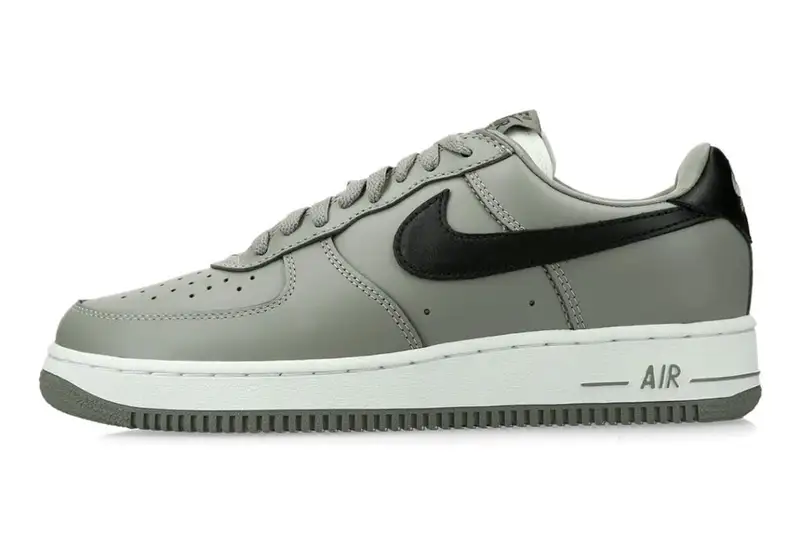
- The Nike Air Force 1 Low '01 Light Army launches September 4, 2026, priced at $140.
- This release revives the sought-after 2001 silhouette, featuring a sleeker toe box true to the original 1982 design.
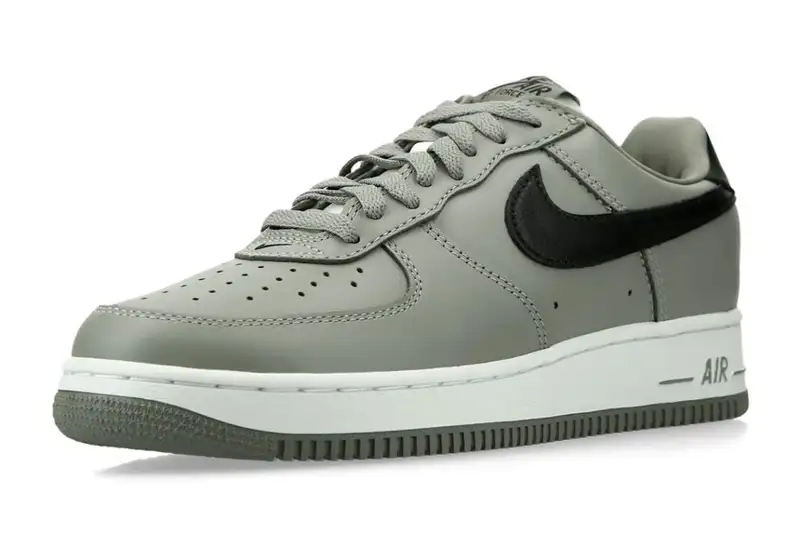
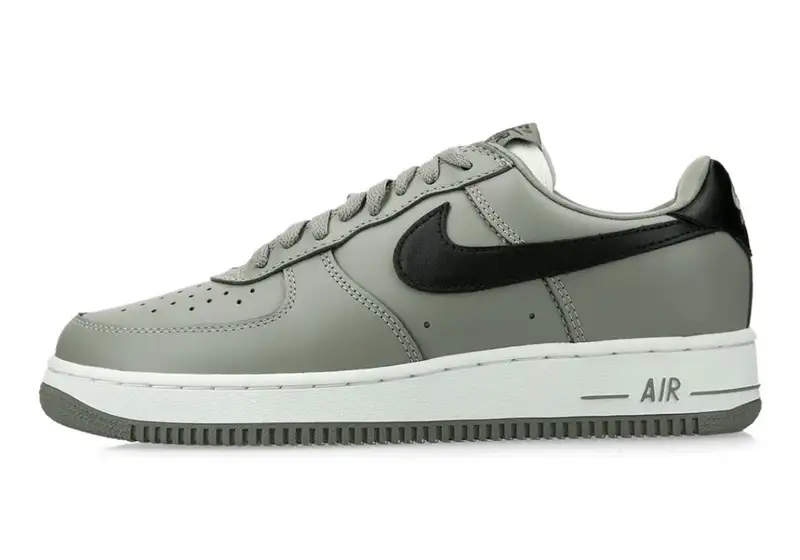
- The 'Light Army' colorway presents a versatile olive-grey leather upper with high-contrast black and white accents.
- Nike is making this collector-grade build accessible in an inline colorway, appealing to both purists and casual wearers.
For decades, the Nike Air Force 1 has stood as an undeniable icon in footwear, transcending sportswear to become a staple in fashion and street culture. Yet, for a dedicated segment of sneaker enthusiasts and purists, the search for true archival accuracy has been a continuous journey. That quest appears to culminate with Nike’s upcoming release: the Air Force 1 Low '01 Light Army, a model poised to finally satisfy those long-standing cravings for a return to the silhouette’s '01 glory days, complete with its revered original shape.
Quick summary
- The Nike Air Force 1 Low '01 Light Army is scheduled for release on September 4, 2026, with a retail price of $140.
- This launch reintroduces the highly sought-after 2001 Air Force 1 shape, celebrated for its sleeker toe box that closely mirrors Bruce Kilgore’s original 1982 design.
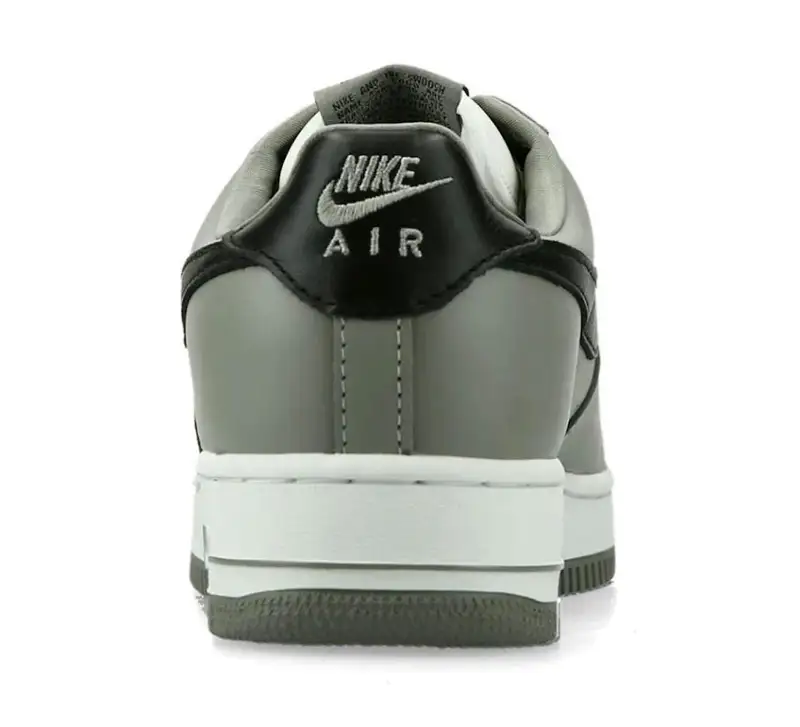
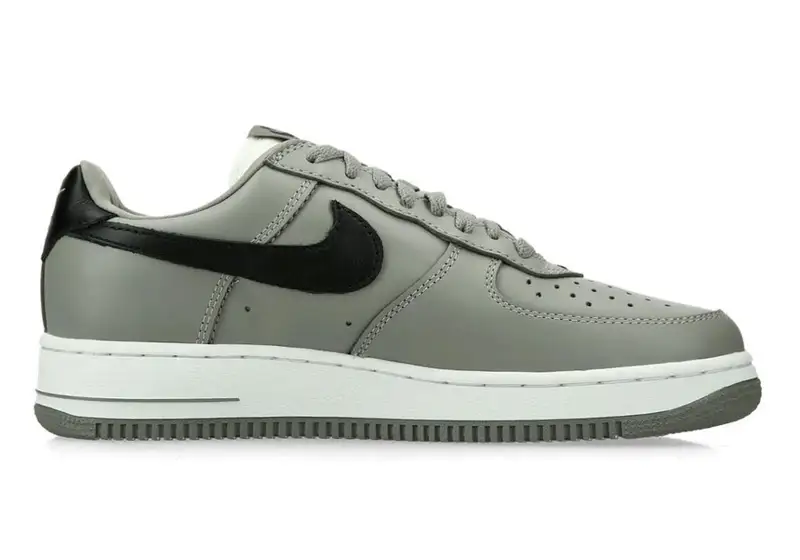
- The sneaker features a versatile “Light Army” olive-grey smooth leather upper, complemented by high-contrast black swooshes and branding, with white tongue details.
- It represents Nike’s strategic move to bring collector-grade builds from high-profile collaborations into more accessible inline colorways, appealing to both footwear historians and casual wearers.
Why it matters
The return of the '01 Air Force 1 shape holds significant weight, especially within the discerning world of sneaker collecting and broader fashion trends. This isn't merely another colorway; it's a statement by Nike acknowledging and responding to a deep-seated demand from its most passionate consumers. For purists, the '01 shape represents a commitment to design integrity and a direct link to the sneaker's foundational aesthetic, distinguishing it from the more ubiquitous '07 tooling that has dominated the market for nearly twenty years. It matters because it validates their specific appreciation for nuanced design details.
Beyond the collector's gaze, this release also signals Nike's evolving strategy in managing its iconic heritage. By transitioning a revered archival build from exclusive collaborations to more accessible inline offerings, the brand broadens its appeal while deepening loyalty among its core fanbase. This move could influence future retro releases across Nike's extensive catalog, potentially paving the way for more true-to-form reissues that prioritize historical accuracy. For consumers, it means access to a classic silhouette that offers superior proportions and a timeless aesthetic, making it a versatile addition to any wardrobe, capable of bridging contemporary style with a rich cultural history.
Background
The Air Force 1's journey began in 1982 when designer Bruce Kilgore first introduced the basketball shoe, quickly establishing it as a cultural phenomenon. Its robust design and innovative Air cushioning system cemented its place not just on the courts, but in urban landscapes worldwide. However, like many iconic silhouettes, the Air Force 1 has seen numerous iterations and updates over the decades.
For a significant period, particularly since 2007, Nike's standard Air Force 1 offerings have largely utilized what is commonly referred to as the '07 tooling. While popular and widely available, this version subtly altered some proportions, most notably presenting a slightly bulkier or less refined toe box compared to earlier versions. This subtle shift didn't go unnoticed by hardcore collectors and aficionados, who often held a preference for the '01 shape – a rendition from 2001 that was lauded for its faithful adherence to Kilgore’s original, sleeker blueprint.
The demand for the '01 shape became a quiet but persistent drumbeat among discerning sneakerheads, often expressed through forums and dedicated communities. Nike, in recent years, began to test the waters with this coveted build, initially through high-profile collaborations. These limited-edition releases served as a litmus test, confirming the strong market appetite for the '01 specifications. The upcoming 'Light Army' release, therefore, marks a significant progression: it's not just another collaboration, but the confident integration of this beloved, historically accurate build into a more accessible, mainline colorway, making a piece of sneaker history available to a wider audience.
Qnews24h insight
Nike’s decision to move the '01 Air Force 1 shape from exclusive collaborations to an inline general release like the 'Light Army' is a strategic masterstroke, showcasing a nuanced understanding of its market. It’s not merely capitulating to nostalgic demand but rather a calculated brand strengthening maneuver. By democratizing access to a silhouette previously reserved for the most dedicated collectors or high-tier collaborations, Nike is demonstrating its commitment to heritage and authentic design. This approach can cultivate deeper loyalty among its most ardent fans, who feel heard and valued, while simultaneously educating a new generation of consumers about the subtle yet profound differences in archival design. It suggests a future where Nike is prepared to offer more varied and historically accurate versions of its classics, moving beyond a 'one-size-fits-all' retro strategy to a more segmented, connoisseur-focused approach that could redefine the value proposition of its foundational models in an increasingly crowded sneaker landscape.
The '01 Shape: A Collector's Obsession Explained
What exactly makes the 2001 Air Force 1 shape so desirable? It comes down to proportion and an almost imperceptible elegance. The '01 specification features a toe box that is notably slimmer and sleeker than its '07 counterpart. This subtle refinement creates a more streamlined profile, allowing the shoe to sit closer to the foot and present a more agile, less chunky aesthetic. For design purists, this cut is a far more accurate representation of Bruce Kilgore’s initial vision from 1982, aligning with the shoe’s athletic origins before it fully embraced its lifestyle dominance.
The difference, while minute to the casual observer, is monumental for those who study the nuances of sneaker design. It affects how the shoe creases, how it looks on foot, and ultimately, its overall silhouette. The '01 shape is often perceived as more premium and true to the Air Force 1's fundamental design language, a testament to the fact that even slight variations in an iconic model can spark fervent debate and distinct preferences within the collector community.
The 'Light Army' Colorway: Understated Versatility

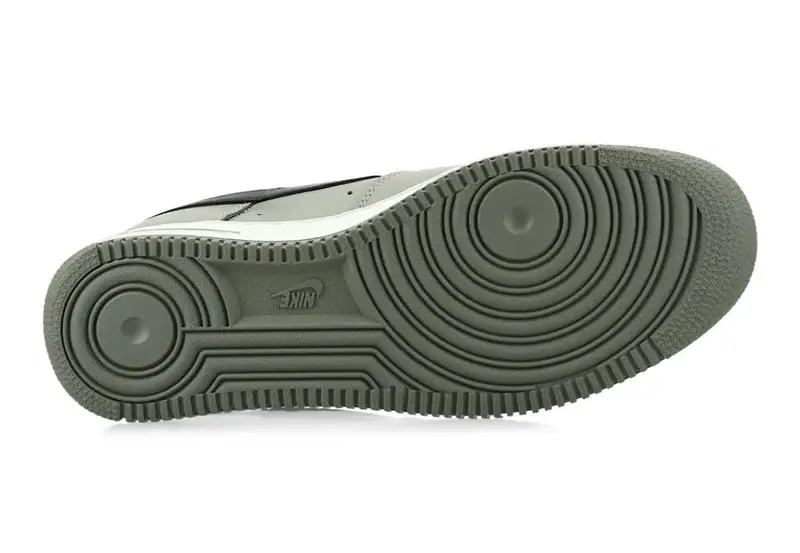
Accompanying the significant structural return is a colorway that embodies versatility and timeless appeal. The 'Light Army' iteration arrives in an understated military palette, crafted from smooth leather finished in a faded olive-grey hue. This primary color forms a neutral yet distinctive base that resonates with both contemporary fashion trends and classic utility aesthetics.
The main body of the shoe is contrasted sharply by jet-black accents. These deep black strips traverse the iconic side Swooshes, the tongue tags, and the meticulously embroidered Nike Air branding on the heel, providing a bold visual pop. Further enhancing the design, crisp white details on the tongue frame the army-green chassis, adding a touch of classic Air Force 1 brightness and completing the balanced, high-contrast look.
This color combination makes the 'Light Army' an instant everyday essential. Its ability to bridge the gap between sneakerhead nostalgia and modern styling means it can legitimately be paired with an extensive range of attire and color palettes. From casual streetwear to more refined ensembles, the military-inspired tones ensure it integrates seamlessly, avoiding the pitfalls of overly flamboyant or trend-dependent designs.

Bridging the Divide: Historians and Casual Wearers
One of the most compelling aspects of the Air Force 1 Low '01 Light Army is its rare capacity to satisfy two often-disparate camps: the footwear historians and the casual wearers. In an era where sneaker culture can often feel fragmented between hyper-niche collector demands and mass-market trends, a release that genuinely caters to both sides is a true success story.
For the historians, it's the meticulous resurrection of the '01 shape, a tangible piece of Nike's heritage that they have actively championed for years. For the casual consumer, it’s a beautifully designed, versatile sneaker that offers a clean aesthetic and the enduring comfort associated with the Air Force 1, but with a subtle, refined difference that sets it apart from common iterations. This dual appeal ensures a broader resonance and validates the shoe's place as a genuine icon, proving that timeless design, when executed faithfully, can always find a new audience while simultaneously honoring its past.

Sources
FAQ
What is the significance of the '01 shape in the Nike Air Force 1?
The '01 shape refers to a specific design iteration of the Air Force 1 from 2001, highly prized by collectors for its sleeker, slimmer toe box. This particular cut is considered by many purists to be a more accurate and faithful representation of Bruce Kilgore’s original 1982 blueprint for the Air Force 1, offering a more streamlined and elegant profile compared to the later '07 tooling.
When will the Nike Air Force 1 Low '01 Light Army be released?
The Nike Air Force 1 Low '01 Light Army is scheduled for release on September 4, 2026. It will be available for purchase at a price of $140.
How does the 'Light Army' colorway fit into modern styling?
The 'Light Army' colorway, with its faded olive-grey leather upper complemented by black accents and white details, offers exceptional versatility for modern styling. Its understated military-inspired palette makes it an instant everyday essential that can be legitimately paired with almost any color palette, from casual streetwear to more refined contemporary outfits, thanks to its neutral yet distinctive tones.
Why it matters
The reintroduction of the '01 Air Force 1 shape is a significant nod to dedicated sneaker purists, validating their long-standing demand for design accuracy over the ubiquitous '07 tooling. This move signals Nike's strategic commitment to diversifying its heritage offerings beyond exclusive collaborations, bringing collector-grade builds into mainline releases. For consumers, it means access to a classic silhouette that embodies superior proportions and a timeless aesthetic, bridging historical appreciation with modern styling.
Background
The Air Force 1, designed by Bruce Kilgore in 1982, quickly became a footwear icon. For nearly two decades, its '07 tooling dominated releases, yet a vocal contingent of collectors yearned for the return of the '01 shape, celebrated for its faithful adherence to the original, sleeker toe box. Nike initially tested this demand through high-profile collaborations, confirming the market's appetite. The 'Light Army' release now marks a significant shift, bringing this revered '01 shape into an accessible inline colorway, signaling a broader strategy to re-engage with the model's authentic heritage.
Nike is strategically employing a 'heritage-first' approach for key archival releases, recognizing the immense value in its back catalog and the fervent demand from an increasingly knowledgeable consumer base. This move with the '01 shape, transitioning from exclusive collaborations to mainline offerings, suggests a long-term commitment to authentic retro experiences. It’s a calculated effort to deepen brand loyalty among purists while simultaneously introducing a more refined classic aesthetic to a broader, style-conscious market, potentially revitalizing the Air Force 1's timeless appeal beyond transient trends.
References
Editorial information
The editorial team reviews sources, adds context, and structures stories so readers can understand the news more clearly.
Article from QNEWS24H
Comments
(0)No comments yet. Be the first to share your thoughts.