Netflix Secures Rights to Over 25 Books, Signaling Future Content Strategy for 2026 & Beyond
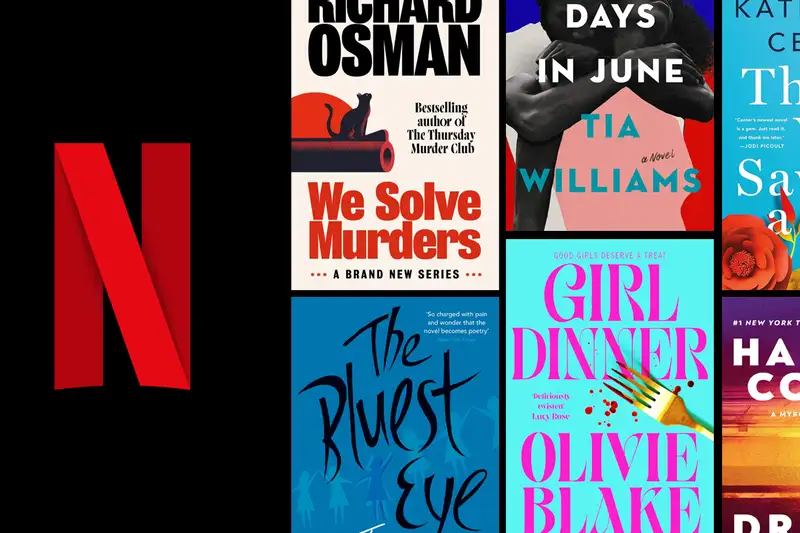
- Netflix has optioned over 25 books, memoirs, and comic books, securing rights for future film and television adaptations beginning in 2026.
- The options reveal a strategic focus on expanding existing franchises, diversifying genres like romance and historical survival, and pursuing 'prestige' literary works.
- An 'option' is an agreement allowing Netflix to potentially develop a project, but it does not guarantee the work will ultimately be produced.
- Acquired titles include works from acclaimed authors such as Toni Morrison and Harlan Coben, alongside popular thriller, romance, and non-fiction writers.
In a significant move that offers a peek into its future content strategy, Netflix has quietly secured the rights to over two dozen books, memoirs, and comic books, signaling its development pipeline for new film and television series slated for 2026 and beyond. This aggressive acquisition of intellectual property underscores the streaming titan's ongoing commitment to cultivating a robust library of original content, moving beyond mere acquisitions to proactively shape its cinematic and episodic offerings.
Quick summary
- Netflix has optioned more than 25 literary works, including novels, memoirs, and comic books, for potential adaptation into series and films.
- These options reveal Netflix's strategic focus on expanding existing successful franchises, diversifying into various popular genres like romance and thrillers, and investing in high-prestige literary projects.
- An 'option' grants Netflix the exclusive right to develop a work but does not guarantee production, serving as an early indicator of the platform's long-term content interests.
- The acquired titles include works from acclaimed authors such as Toni Morrison and Harlan Coben, alongside emerging voices in horror, romance, and historical fiction.
Why it matters
For millions of subscribers worldwide, these newly optioned titles represent the foundational building blocks of their future entertainment. This initiative signals a strategic effort by Netflix to ensure a steady stream of diverse, high-quality programming that can cater to a wide array of tastes, from lighthearted romances to intense psychological thrillers and historically significant dramas. By investing heavily in literary adaptations, Netflix is not just filling its content calendar; it's actively cultivating potential new franchises and 'cinematic universes' that can foster long-term subscriber engagement and loyalty.
For the publishing and creative industries, Netflix's proactive approach to securing book rights offers substantial opportunities. Authors and publishers gain new avenues for their works to reach global audiences, potentially transforming a successful novel into a worldwide cultural phenomenon. This trend also intensifies the competition for sought-after intellectual property, influencing deal-making and highlighting the growing convergence of literature and screen entertainment. Moreover, it allows Netflix to mitigate risks associated with solely relying on third-party content, strengthening its position in the fiercely competitive streaming landscape by owning and developing its core assets.
Background
Netflix's journey with literary adaptations is well-documented and has often been a cornerstone of its content strategy. The platform has a rich history of transforming acclaimed novels and graphic narratives into successful series and films, ranging from the intricate thrillers of Harlan Coben to the atmospheric horrors inspired by Shirley Jackson, and the compelling narratives from authors like S.A. Cosby and Freida McFadden. These previous successes, many of which were first identified as options years prior, have demonstrated the critical role that a deep literary pipeline plays in sustaining subscriber interest and critical acclaim.
In previous years, Netflix actively expanded its content library through massive optioning rounds. Last summer, the streamer reportedly secured rights to over 30 titles, a clear precursor to the significant investment seen in the current 2026 slate. The success of projects like the ongoing 'Harlan Coben universe' or the buzz around adaptations such as Jo Nesbø’s 'Detective Hole' underscores how crucial these early-stage intellectual property acquisitions are. As the streaming wars intensify and companies vie for exclusive, impactful content, securing diverse and promising literary properties early on has become a key differentiator, allowing Netflix to plan its future programming slate years in advance rather than reacting to market trends.
Qnews24h insight
Netflix's aggressive optioning strategy for its 2026-and-beyond slate is a calculated play for long-term dominance in the global streaming market. Rather than merely chasing existing trends, the platform is actively shaping its future content identity by making strategic bets on a diverse portfolio of literary works. The mix of expanding proven franchises, delving into mass-appeal genres like romance, and making significant 'prestige plays' with literary giants like Toni Morrison suggests a sophisticated understanding of its global audience, aiming to satisfy both commercial demand and critical aspirations.
This proactive approach indicates that Netflix views its content pipeline as a strategic asset, crucial for maintaining subscriber loyalty and attracting new viewers in an increasingly fragmented media landscape. By investing in these options, Netflix mitigates the risks of content scarcity while building a proprietary library that can evolve into new 'cinematic universes,' offering a competitive edge against rivals. The long lead time inherent in literary adaptation — from optioning to development and eventual production — means these selections are not just about immediate hits but about laying the groundwork for sustainable, high-value content for years to come, reflecting a cautious but confident investment in its own creative future.
A Glimpse into Netflix's Future Content Blueprint
The collection of optioned books offers a clear roadmap of Netflix's strategic priorities. For starters, the streamer is evidently keen on expanding its relationships with established, popular authors. The continued investment in talents like Richard Osman and Harlan Coben, whose previous works have already generated significant viewership, signals a desire to build interconnected universes and capitalize on proven storytelling appeal. Osman's 'We Solve Murders' and Coben’s 'Drop Shot' (part of the Myron Bolitar series) exemplify this strategy, promising familiar yet fresh narratives for existing fanbases.
Beyond known quantities, Netflix is diversifying its genre portfolio. There's a notable lean towards 'swoon-worthy romances,' undoubtedly aiming to replicate the success of shows like 'Virgin River' and 'Nobody Wants This.' Concurrently, the platform is exploring 'sweeping historical survival stories,' moving beyond conventional true-crime documentaries to offer more ambitious narrative experiences. This blend of popular appeal and nuanced storytelling suggests a sophisticated balancing act designed to capture a broad demographic spectrum, ensuring there’s something for every subscriber.
High-Profile Options: From Thrillers to Literary Masterworks
Continuing Thriller Dominance
The enduring popularity of crime and thriller content remains a cornerstone of Netflix's strategy. Richard Osman's 'We Solve Murders,' a new franchise featuring a fresh trio of sleuths, is a clear follow-up to the anticipated success of 'The Thursday Murder Club' adaptation. Similarly, Harlan Coben, whose overall deal with Netflix has yielded a string of hits like 'Fool Me Once,' sees his 'Myron Bolitar' series expanding with the optioning of 'Drop Shot.' This indicates a long-term plan to develop interconnected narratives that leverage existing fan loyalty.
Psychological thrillers are also well-represented. Shirley Jackson's 'The Bird’s Nest,' a 1954 novel exploring dissociative identity disorder, marks a return to the author who inspired the platform's record-breaking 'The Haunting of Hill House.' Elizabeth Klehfoth’s 'All These Beautiful Strangers' offers a 'Gossip Girl'-esque murder mystery set in an elite prep school, while Jane Buckingham’s 'A Lie for a Lie' dives into high-stakes young adult vigilantism, echoing popular teen dramas.
Embracing Diverse Genres and Voices
Netflix is making significant plays in the romance genre, securing multiple titles from bestselling author Tia Williams, including her magical Harlem-set 'A Love Song for Ricki Wilde.' Kate Young’s 'The Friday Afternoon Club' promises a lively queer rom-com series, while Katherine Center's work, previously adapted by Netflix, adds another charming romance to the slate. These choices reflect a keen awareness of specific audience segments seeking diverse romantic narratives.
The platform is also venturing into more unconventional territory. Olivie Blake’s 'Girl Dinner,' described as a 'pitch-black, satirical horror novel' exploring sorority cannibalism, represents a bold and edgy selection, potentially appealing to fans of darker, more provocative content like 'You.' Bruce Holsinger's 'The Book of Ruth,' an Oprah's Book Club pick, blends family drama with a relevant tech thriller about autonomous vehicles, posing complex questions of moral responsibility.
Prestige Plays and Literary Icons
Perhaps the most significant statement of intent comes with the optioning of Nobel laureate Toni Morrison’s monumental 1970 debut novel, 'The Bluest Eye.' This acquisition signals a clear ambition for prestige programming, aiming for critical acclaim and cultural impact. Adapting Morrison's powerful exploration of race, beauty, and identity requires a delicate, masterful touch, and its development will undoubtedly be closely watched. This move positions Netflix not just as a mass-market entertainer but also as a serious contender in the realm of high-art literary adaptations.
Exploring Untapped Stories: True Crime, History, and Memoir
Beyond fiction, Netflix is delving into a rich vein of non-fiction. Jill Leovy’s Pulitzer Prize-winning 'Ghettoside: A True Story of Murder in America,' offers a deeply reported look at unsolved homicides in South Los Angeles, providing the foundation for a socially conscious true-crime procedural akin to 'The Wire.' George P. Pelecanos, a writer and producer for 'The Wire,' sees his 'Derek Strange and Terry Quinn' detective series (starting with 'Right as Rain') optioned, further strengthening Netflix’s hardboiled crime offerings.
Historical narratives are also a focus, promising grand scale and educational value. Bryan Burrough’s non-fiction epic aims to strip away Hollywood myths of the Wild West, exploring the brutal realities of post-Civil War Texas. Tom Clavin and Phil Keith's 'The Black Ace' tells the legendary true story of Eugene Bullard, the first African-American fighter pilot and a French Resistance spy, a narrative ripe for an awards-season biographical feature. Miles Harvey's 'The King of Confidence' unveils the forgotten 19th-century tale of James Jesse Strang, a con man who declared himself 'King' of an island colony, tapping into Netflix's interest in unique American historical explorations.
Memoirs provide an intimate look at personal histories. Griffin Dunne’s acclaimed 'The Friday Afternoon Club' offers a star-studded Hollywood and literary dynasty memoir, centrally featuring the tragic murder of his sister. Rachel Zimmerman's and Amy Chan’s poignant personal stories also round out the non-fiction list, suggesting an interest in deeply human, emotional narratives. Sean Flynn’s 'The Alaskan Ranger,' originally an Audible podcast, details a harrowing survival story of a fishing vessel sinking in the Bering Sea, poised to become a tense, claustrophobic survival thriller.
Strategic Bets on Niche Appeal and Broad Engagement
The variety of optioned works underscores Netflix's strategy to balance broad-appeal content with projects that cater to specific, engaged audiences. The platform’s willingness to pick up stories previously in development elsewhere, like Katherine Center's romance novel, highlights its agility in securing promising material. Similarly, 'Gotham Diaries' by Tonya Lewis Lee and Crystal McCrary Anthony promises a lavish, scandalous dive into New York City's Black elite, tapping into a desire for high-stakes social drama.
The inclusion of Jane L. Rosen’s uplifting 'Fire Island' novel and Emily Everett’s Austen-inspired coming-of-age story, 'The Perfect Son,' demonstrates a commitment to diverse storytelling beyond the blockbuster fare. These carefully selected options, spanning a multitude of genres, tones, and subject matters, collectively paint a picture of a streaming service methodically building a resilient and dynamic content library. They are not just acquiring stories but investing in the foundational narratives that will define Netflix's programming landscape for years to come, solidifying its position as a global content powerhouse.
Sources
FAQ
Q: What does it mean for Netflix to 'option' a book?
A: When Netflix options a book, it means they have secured the exclusive rights from the author, publisher, or rights holder to potentially adapt the work into a film or television series. It's an initial step that allows them to develop the project, but it does not guarantee that the adaptation will ultimately be produced.
Q: Why is Netflix optioning so many books for 2026 and beyond?
A: Netflix is strategically building its future content pipeline to ensure a steady supply of original programming. By optioning a diverse range of literary works, they can cultivate new franchises, expand existing successful relationships with authors, and cater to varied audience tastes, staying competitive in the global streaming market for years to come.
Q: What types of books is Netflix primarily interested in for adaptations?
A: The current slate of options indicates a broad interest across genres, including popular thrillers and crime dramas (Harlan Coben, Richard Osman), swoon-worthy romances (Tia Williams, Katherine Center), prestige literary works (Toni Morrison, Shirley Jackson), historical survival stories, tech thrillers, true crime investigations, and insightful memoirs. This diversity aims to appeal to a wide global audience.
Q: How long does it typically take for an optioned book to become a show or movie?
A: The development process for an adaptation can take a considerable amount of time, often years. After an option is secured, the project goes through various stages of script development, casting, production planning, and filming. Many optioned projects never make it to full production due to creative or logistical reasons.
Why it matters
For global viewers, these options represent the future content pipeline, promising a diverse array of new series and films across various genres, from high-stakes thrillers to profound literary dramas, ensuring a continuous stream of engaging entertainment. For Netflix, this aggressive acquisition strategy is crucial for maintaining its competitive edge in the streaming wars by building proprietary 'cinematic universes,' securing long-term subscriber engagement, and reducing reliance on third-party content. It also significantly impacts the publishing world, offering authors and publishers new opportunities for their works to gain global exposure and reach millions of new audiences.
Background
Netflix has historically relied on successful literary adaptations to enrich its content library, with notable successes like the 'Harlan Coben universe' and adaptations of authors such as S.A. Cosby. Following a similar large-scale optioning round last year where over 30 titles were secured, this new wave reinforces Netflix's proactive approach to content development. The streaming giant has increasingly focused on securing intellectual property early in the development cycle, recognizing that owning and cultivating original stories is vital for sustaining growth and subscriber loyalty in a highly competitive and evolving media landscape, moving beyond reactive content acquisition.
Netflix's substantial investment in over 25 literary options for 2026 and beyond signifies a sophisticated, forward-looking content strategy aimed at securing its position as a global entertainment leader. By carefully balancing mass-appeal genres like romance and thrillers with high-prestige literary works such as Toni Morrison's 'The Bluest Eye,' Netflix is executing a dual strategy: catering to broad commercial tastes while also pursuing critical acclaim. This calculated approach to developing diverse, original IP well in advance allows the platform to build robust 'cinematic universes' and reduce dependence on external content, representing a cautious yet confident bet on long-term...
References
Editorial information
The editorial team reviews sources, adds context, and structures stories so readers can understand the news more clearly.
Article from QNEWS24H
Comments
(0)No comments yet. Be the first to share your thoughts.