Beyond Fan Service: How Nagata Kabi’s Manga Reframes Loneliness, Mental Health, and Sexual Literacy
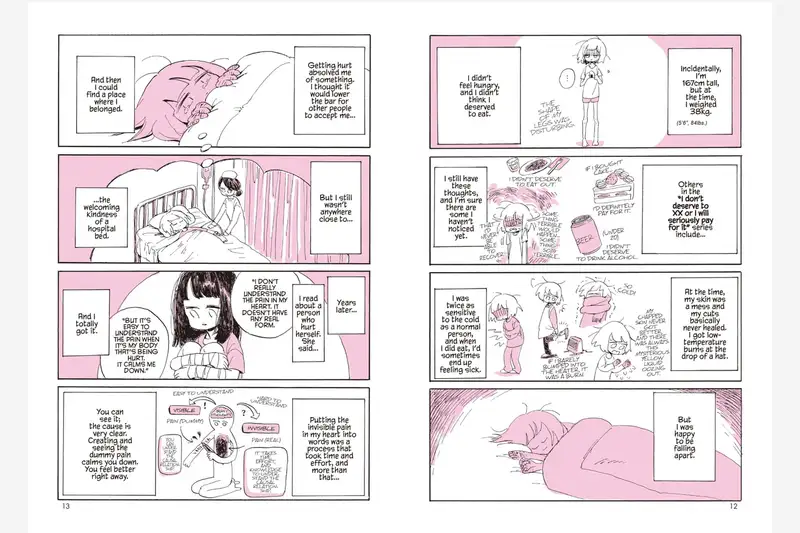
- Nagata Kabi's award-winning autobiographical manga details her struggles with depression, eating disorders, self-harm, and her decision to hire a female escort.
- The graphic memoir critiques Japan's rigid social expectations, illustrating how failing to meet traditional corporate milestones intensifies personal mental health crises.
- The narrative highlights a global deficit in sexual literacy, showing how censorship and restrictive education force individuals to rely on fictional tropes for real-world...
When Nagata Kabi first published her raw autobiographical manga, My Lesbian Experience with Loneliness, few predicted that a minimalist four-panel comic detailing depression and transactional sex would become an international literary landmark. A decade after its debut, the graphic memoir continues to resonate far beyond its core demographic, offering a visceral autopsy of modern isolation, rigid societal expectations, and the quiet tragedy of widespread sexual illiteracy.
Quick summary
- Autobiographical Candor: The manga follows 28-year-old author Nagata Kabi as she navigates severe depression, eating disorders, unhygienic spiraling, and the decision to hire a female escort to seek physical human connection.
- Societal Critique: The story highlights how Japan's rigid social milestones and pressure for parental approval exacerbate mental health crises when young adults fail to conform to standard corporate career paths.
- Sexual Literacy Focus: Beyond personal identity, the narrative reveals how systemic restrictions on real-world sexual education force isolated adults to rely on fictional tropes like doujinshi for basic relational knowledge.
Why it matters
The enduring resonance of Nagata Kabi's work underscores a critical shift in how graphic literature addresses mental health and identity. Rather than offering sanitized self-help narrative arcs or titillating fan service, the manga presents an unvarnished look at how emotional suffering manifests in daily life. For readers, it dismantles the illusion that intimacy alone can instantly resolve deep-seated psychological trauma.
Furthermore, the work sparks essential conversations about public policy, censorship, and sexual literacy. As governments and educational bodies globally tighten restrictions on formal sex education, young adults increasingly turn to commercial fiction for guidance. The manga demonstrates the practical dangers of this knowledge deficit, showing how ill-informed individuals often struggle to distinguish between romanticized media tropes and safe, healthy physical interactions.
Background
Published in Japan by East Press, My Lesbian Experience with Loneliness gained rapid acclaim upon its release, eventually earning prestigious accolades including a Harvey Award and Crunchyroll’s Manga of the Year in 2017. The English translation, brought to international readers by Jocelyne Allen, expanded the title's reach across digital platforms like BookWalker and global print distribution.
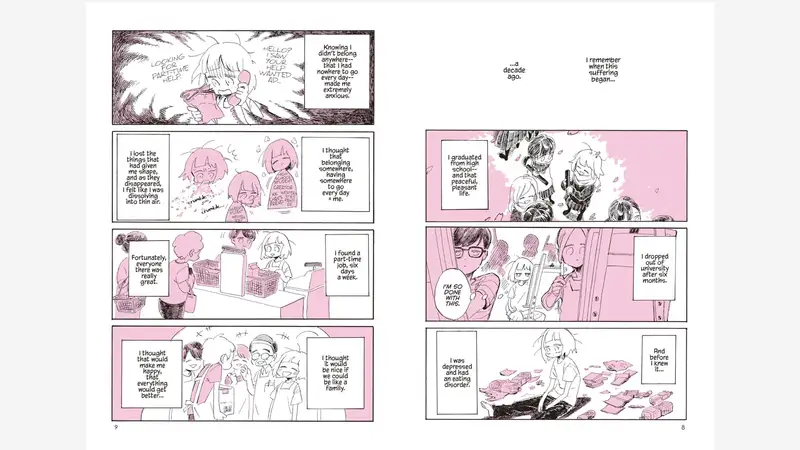
The narrative was created against the backdrop of Japan’s highly structured corporate culture, where stepping off the prescribed path—attending university, securing stable corporate employment, and achieving timely societal milestones—often carries severe social stigma. For Nagata Kabi, failing to meet these benchmarks triggered a compounding spiral of job loss, self-sabotage, and severe physical deterioration.
Unpacking Loneliness and the Illusion of Quick Fixes
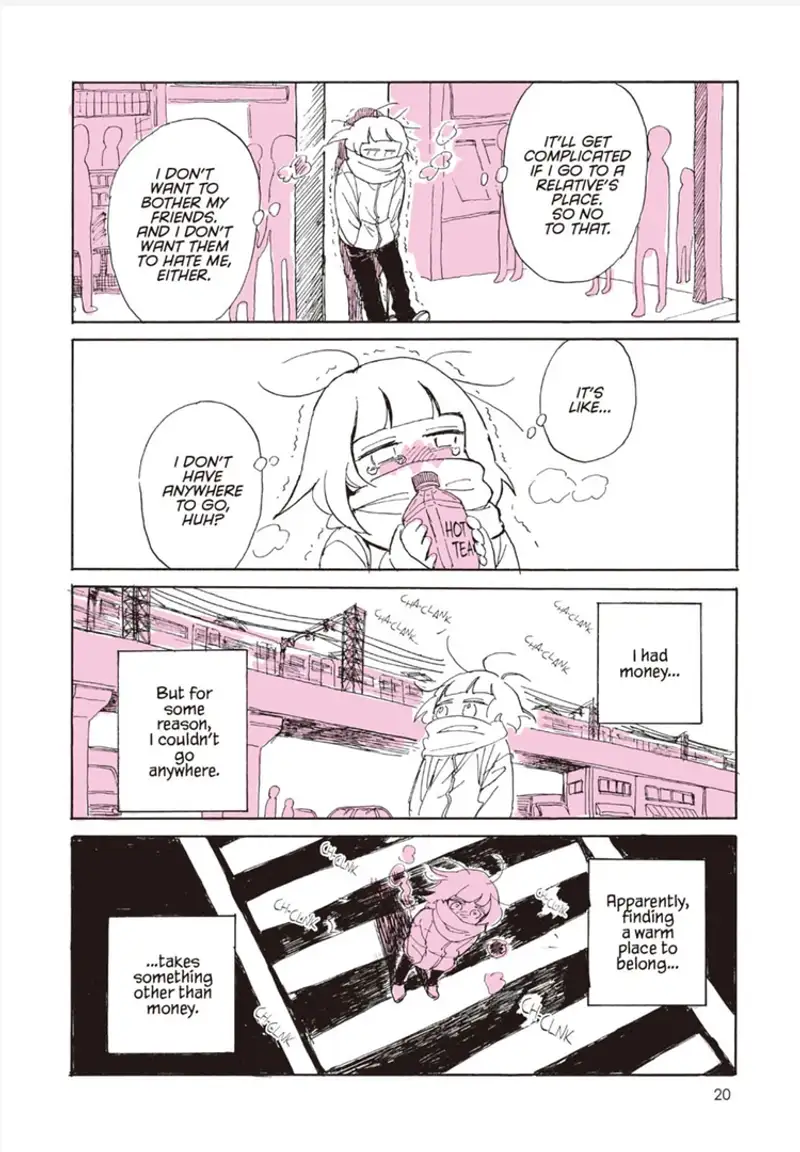
At its core, the manga tracks Nagata-san's realization that her mental health issues were heavily fueled by an endless quest for parental and societal approval. In rigid environments, acceptance is frequently conditioned on strict adherence to established norms. When an individual cannot thrive within those boundaries, the resulting isolation can prove debilitating.
In an attempt to break out of her prolonged isolation, Nagata-san makes the practical decision to hire a female escort. Through her eyes, paying for an intimate service was not an act of hedonism, but a structured transaction meant to bypass her intense social anxieties. However, the experience quickly reveals a difficult truth: physical access to another person cannot automatically construct true emotional intimacy, self-worth, or comfort.
The Sexual Literacy Deficit
One of the manga's most compelling themes is its honest portrayal of sexual ignorance. Nagata-san openly admits to using adult fictional media, such as doujinshi and yaoi, as her primary reference point for physical relationships. While presented with self-deprecating humor, the reality reflects a systemic failure in basic adult education.
When societies restrict access to accurate, matter-of-fact information about human biology and relationships, individuals are forced to improvise using whatever media is readily available. Public policy decisions that ban or censor discussions around intimacy rarely prevent young people from seeking information; instead, they push them toward inaccurate or potentially harmful depictions, leaving them unprepared for real-world interactions.
Artistry and Universal Empathy
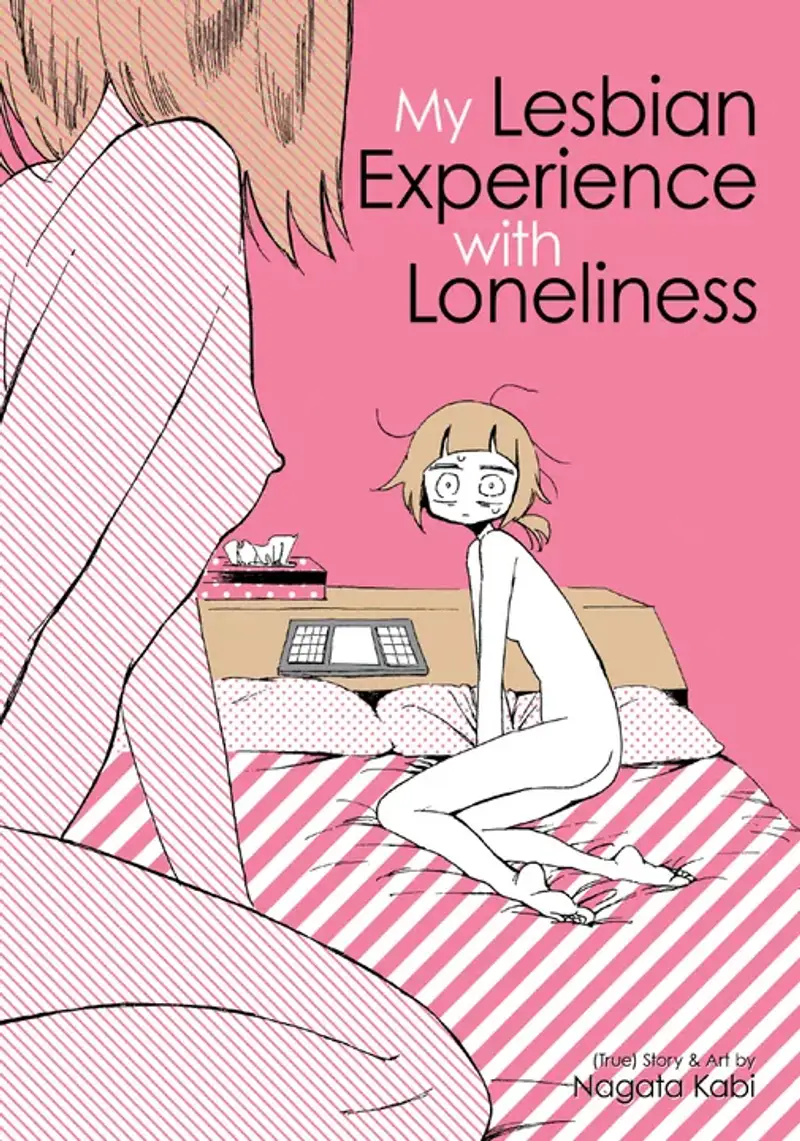
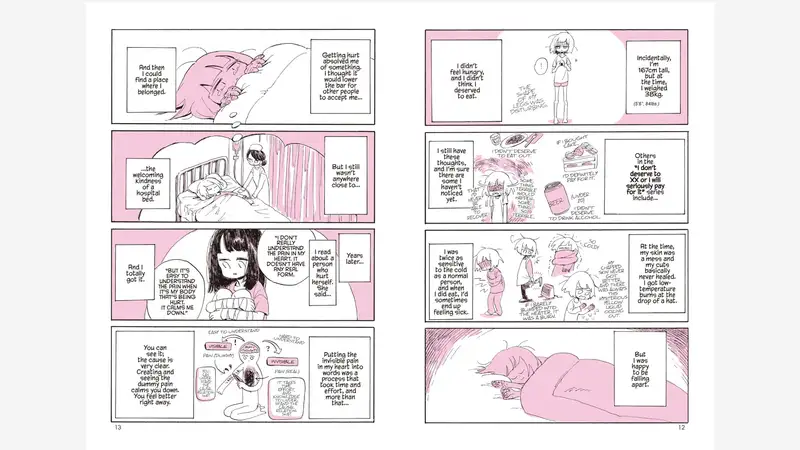
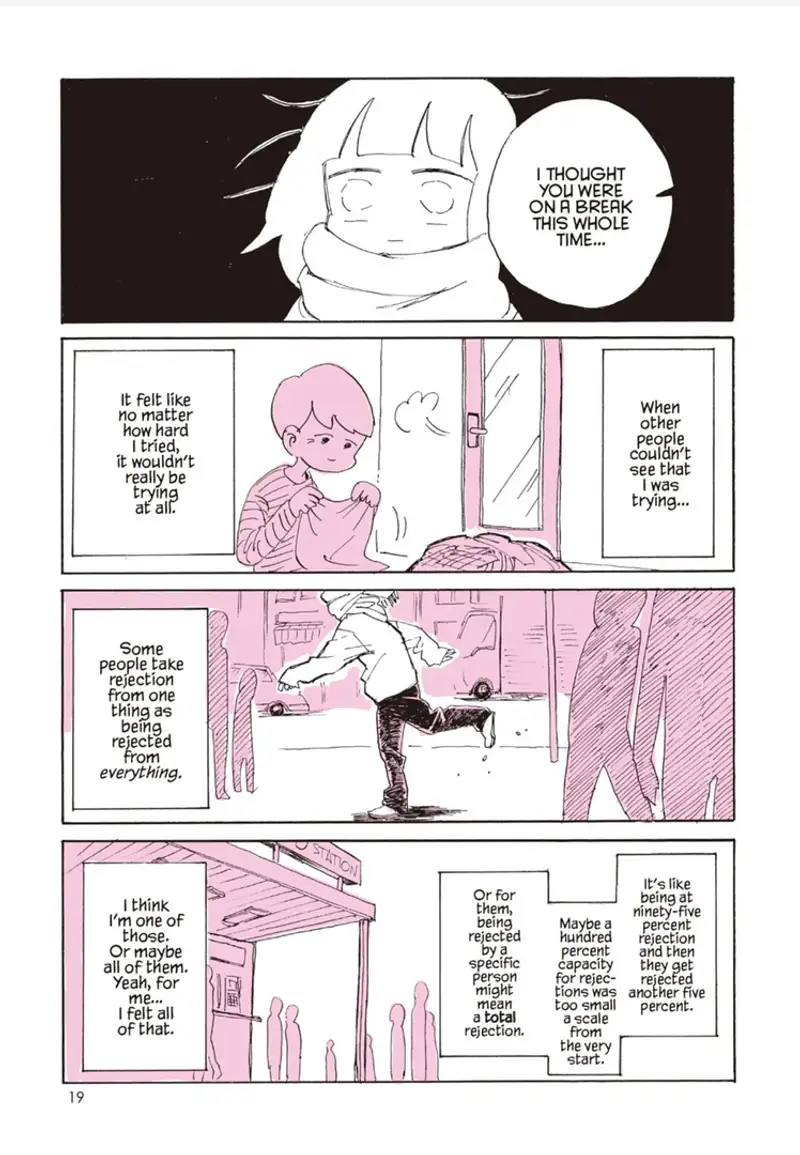
Visually, My Lesbian Experience with Loneliness avoids polished, high-detail illustration in favor of sketchy, emotive lines and a minimalist two-tone color scheme. The four-panel (4-koma) layout allows readers to digest Nagata-san’s chaotic inner monologue in manageable, impactful fragments. This visual simplicity keeps the emotional weight focused entirely on the author's internal struggle.
Because the story grounds itself in fundamental human needs—such as the desire for belonging, self-acceptance, and physical care—it transcends specific demographic boundaries. Readers regardless of gender or sexual orientation find common ground in Nagata-san’s painful realization that finding inner peace often requires disappointing others and letting go of impossible external expectations.
Qnews24h insight
The lasting impact of Nagata Kabi's work lies in its stark refusal to provide easy resolutions or romanticized endings. Unlike traditional coming-of-age stories, the manga treats recovery not as a single dramatic breakthrough, but as an exhausting, ongoing process of physical and psychological upkeep. By examining transactional intimacy and mental health through an unpretentious editorial lens, the work reveals that modern loneliness is rarely just an individual failing—it is the predictable outcome of societies that prioritize rigid conformity over functional emotional support and accurate education.
Frequently Asked Questions
What awards has 'My Lesbian Experience with Loneliness' won?
The graphic memoir earned significant global recognition, including a prestigious Harvey Award and Crunchyroll's Manga of the Year award in 2017.
Is 'My Lesbian Experience with Loneliness' a fictional story?
No, it is an autobiographical manga written and illustrated by Nagata Kabi, detailing her personal struggles with mental illness, career pressure, and self-discovery.
Who translated the English edition of the manga?
The official English translation was produced by Jocelyne Allen and published internationally in print and digital formats through platforms such as BookWalker.
Sources

Why it matters
The manga serves as a crucial case study in how graphic literature can bridge empathy gaps surrounding mental health and LGBTQIA+ experiences. It provides an unpolished, realistic look at emotional recovery while challenging public policy trends that censor basic sexual education, illustrating the tangible consequences of replacing factual education with fictional media.
Background
First released a decade ago and published in Japan by East Press, Nagata Kabi's graphic memoir achieved critical acclaim, receiving a Harvey Award and Crunchyroll's 2017 Manga of the Year award. Translated into English by Jocelyne Allen, the book resonated globally due to its exploration of modern isolation, high-pressure corporate culture, and the psychological impact of parental expectations.
The enduring relevance of 'My Lesbian Experience with Loneliness' stems from its refusal to offer performative solutions or fan service. By presenting transactional sex and identity struggles with complete vulnerability, Nagata Kabi demonstrates that extreme isolation and sexual illiteracy are systemic, structural issues facing modern youth rather than isolated personal flaws.
References
Editorial information
The editorial team reviews sources, adds context, and structures stories so readers can understand the news more clearly.
Article from QNEWS24H
Comments
(0)No comments yet. Be the first to share your thoughts.