The Surprising Truth About Modern TV Lifespan: Are We Replacing Them Too Soon?
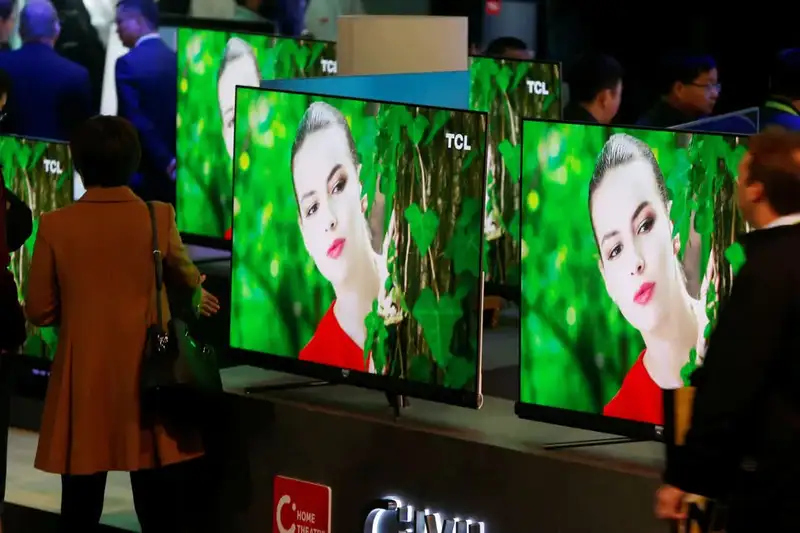
- Modern LED TVs last 40,000-60,000 hours (4-7 years regular use); OLED/Smart TVs up to 100,000 hours (around 12 years).
- Falling TV prices due to manufacturing advances lead to more frequent upgrades, despite shorter effective lifespans.
- Software obsolescence, where updates cease, often forces replacement of Smart TVs even if hardware is functional.
- Proper care, like avoiding static images and managing environmental factors, can significantly extend a TV's life.
For many, the television set was once a center-piece of the living room, a significant investment expected to last through numerous family milestones. Flashback to the late 1990s, and a Plasma TV could command upwards of $10,000 – a sum equivalent to over $20,000 today when adjusted for inflation. Owners meticulously cared for these devices, intending to keep them for decades. However, the landscape of home entertainment technology has profoundly transformed, challenging previous notions of product longevity and consumer expectations.
Quick summary
- Modern LED TVs typically last 40,000 to 60,000 hours (4-7 years of regular use), while OLED and Smart TVs can reach up to 100,000 hours (around 12 years).
- The significant drop in TV prices, driven by manufacturing advancements, has made new models more accessible but also contributes to shorter replacement cycles.
- Software obsolescence, where companies cease providing updates, often forces consumers to replace otherwise functional Smart TVs.
- Proper maintenance, including avoiding prolonged static images and managing environmental factors, can help extend a TV's operational life.
Why it matters
The evolving lifespan of televisions carries significant implications for consumers, manufacturers, and the environment. For households, it translates to more frequent purchasing decisions and potentially higher long-term costs, even if individual units are cheaper. The accelerated replacement cycle contributes to a growing problem of electronic waste (e-waste), straining global recycling infrastructures and increasing resource consumption. For the industry, it's a delicate balance between driving innovation and addressing sustainability concerns, as consumers grapple with the trade-off between cutting-edge features and lasting durability. Understanding these dynamics is crucial for making informed purchasing choices and advocating for more sustainable product design.
Background
The journey from the bulky, long-lasting cathode-ray tube (CRT) televisions to today's sleek, ultra-thin displays is a testament to rapid technological advancement. The transition truly accelerated with the advent of Plasma and LCD technologies in the late 1990s and early 2000s. Plasma TVs, while offering superior picture quality for their time, were notoriously expensive and had concerns about 'burn-in'. Yet, their high price point often meant they were considered luxury items, cared for and maintained for as long as possible. The subsequent rise of LED (Light Emitting Diode) technology brought down manufacturing costs dramatically, making larger screens more affordable and accessible to the average consumer. This shift coincided with the 'smart' revolution, integrating internet connectivity and app ecosystems directly into televisions. This integration, while enhancing functionality, also introduced a new vulnerability: software dependency, which has become a key factor in a TV's functional lifespan, even if the hardware itself remains robust.
The Evolution of TV Lifespan
Today's LED televisions are generally rated for approximately 40,000 to 60,000 hours of operation. Translated into practical terms, for someone who watches TV for four hours a day, this equates to roughly 4 to 7 years of use. More advanced technologies like OLED (Organic Light Emitting Diode) and integrated Smart TVs boast a slightly longer theoretical lifespan, often reaching up to 100,000 hours, pushing their potential usage to about 12 years under similar conditions. However, these figures represent optimal performance and are subject to numerous real-world variables.
Contrast this with the legacy of older technologies. While precise hour ratings for vintage CRT or early Plasma models are harder to pin down uniformly, anecdotal evidence suggests many of these sets remained operational for 15-20 years, some even longer. The expectation then was that a television would be a generational purchase, a stark difference from the current perception where an upgrade every few years is not uncommon.
Factors Influencing Longevity Beyond Technology
Beyond the fundamental display technology, several other factors play a pivotal role in determining how long a modern television will truly last. The brand's reputation for quality and reliability is a significant indicator; reputable manufacturers often use higher-grade components and adhere to stricter quality control standards. How a TV is used also makes a difference. Constant operation at maximum brightness can accelerate wear on the backlight (for LEDs) or the organic pixels (for OLEDs). Leaving static images on the screen for extended periods can contribute to image retention or 'burn-in', particularly on OLED panels.
Environmental conditions are equally critical. High humidity can damage internal components, while direct exposure to sunlight can degrade screen materials over time. Accumulation of dust inside the vents can lead to overheating, stressing internal electronics and shortening their lifespan. Regular, gentle cleaning and ensuring proper ventilation are simple yet effective maintenance steps often overlooked by users.
The Unseen Threat: Software Obsolescence
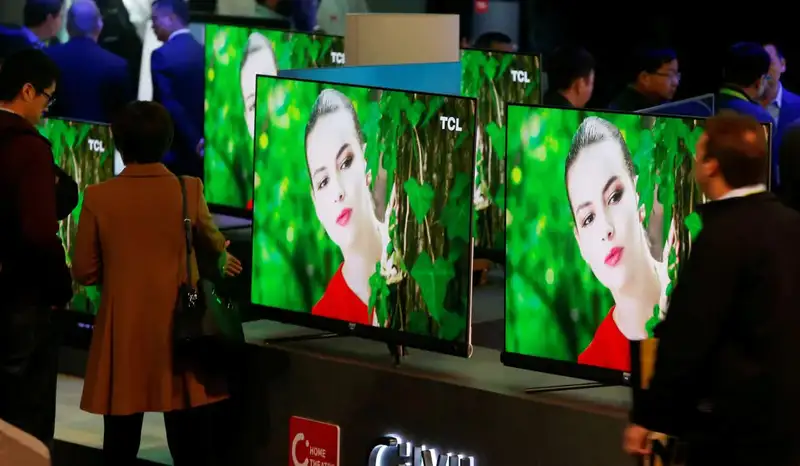
Perhaps the most insidious factor shortening the effective lifespan of modern Smart TVs isn't hardware failure, but software obsolescence. As TVs become more integrated with online services and streaming platforms, they rely heavily on regular software updates for security, compatibility, and new features. Many manufacturers, however, have a finite period during which they support older models with these critical updates. Once support ends, the TV may no longer be able to run certain apps, access new services, or even maintain security protocols, rendering it functionally outdated even if the display hardware remains perfectly fine. This phenomenon often forces consumers to upgrade prematurely, purely for a better, more secure, and feature-rich user experience.
Common signs that a TV is nearing the end of its useful life extend beyond simple software glitches. Physical display issues like dead pixels, persistent image retention, or a noticeable dimming of the backlight are strong indicators of hardware degradation that are often costly or impossible to repair. When these issues arise, alongside software limitations, the decision to replace becomes almost inevitable.
Extending Your Television's Life
While the forces of technological progress and market economics often push towards faster upgrades, consumers can still take proactive steps to maximize their TV's lifespan. Simple habits include turning off the screen when not actively watching, thus reducing operational hours. For OLED users, avoiding prolonged display of static images (like channel logos or gaming HUDs) can prevent image retention. Regular dusting to ensure adequate ventilation and placing the TV in a location free from excessive humidity or direct sunlight are also vital. Though replacement is ultimately unavoidable, these small measures can significantly extend the product's utility, delaying the inevitable decision to upgrade and contributing to both household savings and reduced e-waste.
Qnews24h insight
The modern television market reflects a broader trend within consumer electronics: a pivot from enduring investments to more disposable, frequently upgraded devices. While this allows for greater accessibility and faster adoption of cutting-edge features like 4K, 8K, and advanced HDR, it implicitly nudges consumers into a cycle of planned obsolescence, particularly through software update policies. The industry's rapid innovation cadence, coupled with decreasing unit costs, has inadvertently shortened the perceived and actual lifespan of devices, transforming a multi-decade household staple into a commodity replaced every 5-10 years. This dynamic underscores a critical tension between consumer desire for affordability and new features versus the increasing environmental burden and the economic realities of constant upgrades. Consumers are now faced with a choice: chase the latest technology with its inherent short lifecycle, or prioritize durability and sustainability, often at the expense of cutting-edge smart features.
Sources
FAQ
How long do modern LED and OLED TVs typically last?
Modern LED TVs generally last between 40,000 to 60,000 hours, which translates to 4 to 7 years of regular use (e.g., 4 hours/day). OLED and Smart TVs can extend to about 100,000 hours, or around 12 years, but this varies based on usage and maintenance.
Why do modern TVs have shorter lifespans compared to older models?
The reduced cost of manufacturing, rapid technological advancements, and the shift towards integrated smart features contribute to shorter lifespans. Critically, many modern Smart TVs become functionally obsolete when manufacturers cease providing essential software updates, impacting app compatibility and security, even if the hardware remains operational.
What are the most common signs that a TV needs to be replaced?
Common signs include dead pixels, permanent image retention or 'burn-in' on the screen, a noticeable dimming of the backlight, or significant and persistent software issues that cannot be resolved with updates or resets. Hardware issues related to screen quality are often uneconomical to repair, making replacement the more practical option.
Can I extend the life of my current TV?
Yes, several measures can help. These include turning off the TV when not in use, avoiding prolonged display of static images (especially for OLEDs), regularly dusting to prevent overheating, and placing the TV in a cool, dry area away from direct sunlight or excessive humidity. Opting for a reputable brand known for durability can also contribute to a longer lifespan.
Why it matters
The changing lifespan of televisions impacts consumer budgets through more frequent purchases and contributes significantly to global electronic waste. It highlights a critical tension in the tech industry between driving innovation, consumer demand for affordability, and the pressing need for sustainable product lifecycles. For individuals, understanding these trends helps in making more informed decisions about purchases and maintenance, potentially saving money and reducing their environmental footprint.
Background
In the late 1990s, high-end Plasma TVs were expensive, long-term investments, often costing over $10,000. Over the past two decades, technological advancements in LED and OLED displays have drastically reduced manufacturing costs, making large, feature-rich televisions widely affordable. This shift has democratized access to advanced home entertainment but also coincided with the rise of 'smart' features, integrating internet connectivity and app ecosystems directly into TVs. While convenient, this integration introduced a new vulnerability: dependency on ongoing software updates, which can dictate a TV's functional lifespan more than its hardware durability.
The current trajectory of the television market signals a broader industry move towards consumer electronics with shorter effective lifecycles. While falling prices and rapid innovation offer immediate benefits in accessibility and features, this trend implicitly fosters a culture of more frequent upgrades, often driven by software obsolescence rather than hardware failure. This dynamic creates a significant challenge for sustainability and places a burden on consumers to navigate a market where 'new and improved' often means 'replaced sooner.' The underlying insight is that value is increasingly defined by immediate features and connectivity rather than long-term durability, shifting the...
References
Editorial information
The editorial team reviews sources, adds context, and structures stories so readers can understand the news more clearly.
Article from QNEWS24H
Comments
(0)No comments yet. Be the first to share your thoughts.