New Masters of the Universe Film Reckons with He-Man's Contradictory Legacy
- Director Travis Knight is leading the new live-action Masters of the Universe film, set to release in theaters on June 5.
- The movie deliberately navigates the franchise’s expansive and often contradictory lore by selectively embracing core elements.
- Knight's vision centers on the original 1982-83 era, drawing inspiration from the toys, mini-comics, and the Filmation cartoon.
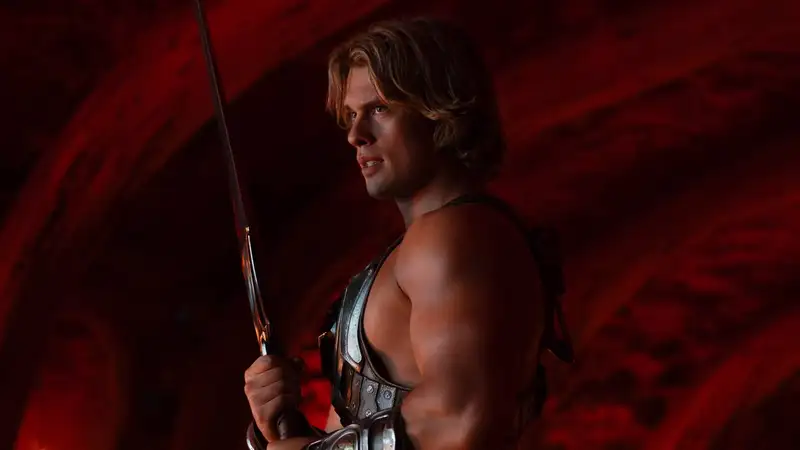
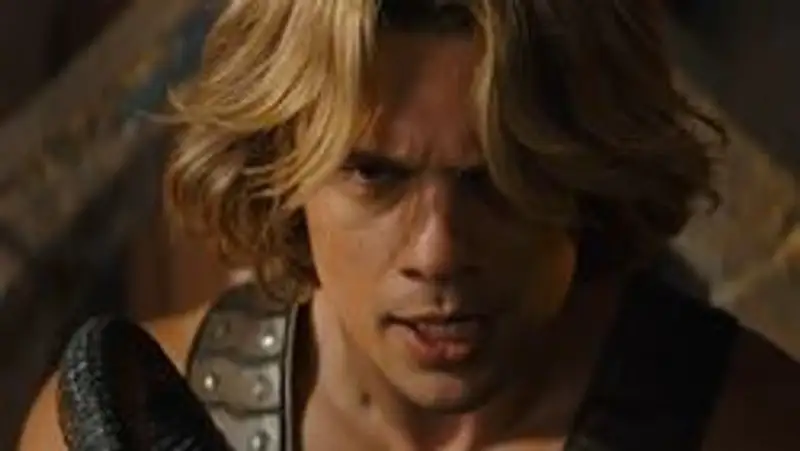
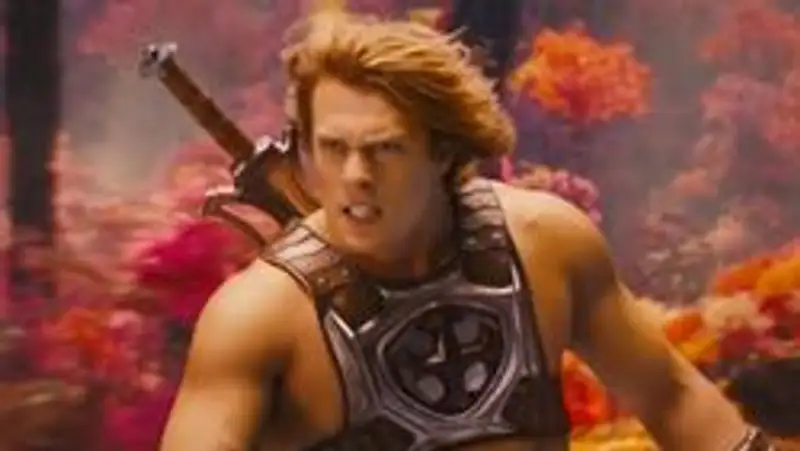
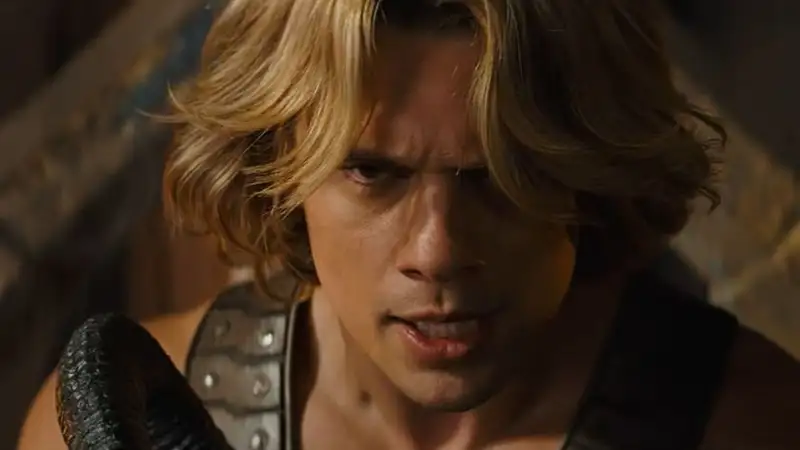
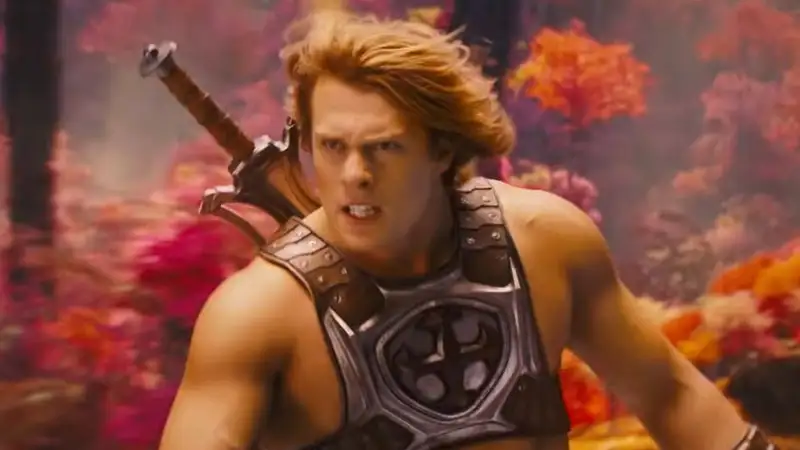
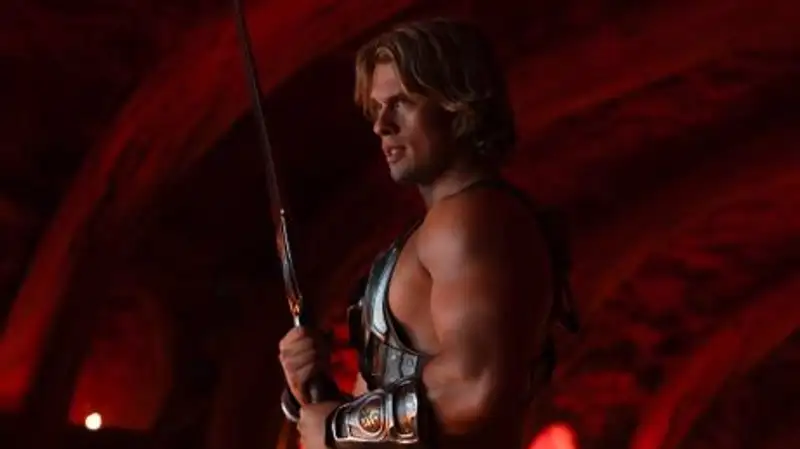
- The plot features Adam (Nicholas Galitzine) returning to Eternia 15 years after its destruction by Skeletor, to reclaim his destiny as He-Man.
The saga of Prince Adam and his mighty alter-ego, He-Man, has spanned over four decades across various media, from action figures and animated series to comics and a live-action film. Yet, this rich history comes with a significant challenge for any new adaptation: a notoriously fragmented and often contradictory mythology. Enter director Travis Knight, who is steering the upcoming live-action Masters of the Universe movie, and his candid approach to wrestling with a canon he describes as “wildly internally inconsistent.”
Quick summary
- Director Travis Knight is leading the new live-action Masters of the Universe film, set to release in theaters on June 5.
- The movie deliberately navigates the franchise’s expansive and often contradictory lore by selectively embracing core elements.
- Knight's vision centers on the original 1982-83 era, drawing inspiration from the toys, mini-comics, and the Filmation cartoon.
- The plot features Adam (Nicholas Galitzine) returning to Eternia 15 years after its destruction by Skeletor, to reclaim his destiny as He-Man.
Why it matters
For ardent fans of classic franchises and newcomers alike, the approach taken by filmmakers when rebooting a beloved property carries immense weight. The Masters of the Universe film’s strategy of acknowledging and selectively engaging with its convoluted past offers a compelling model for future adaptations grappling with similar continuity challenges. This could set a precedent for how studios handle intellectual properties with long, disjointed histories, balancing nostalgic reverence with the need for a coherent, modern narrative. For the industry, it underscores the importance of a clear creative vision in managing complex IP. For audiences, it promises a fresh entry point into a cherished universe, potentially invigorating interest in He-Man for a new generation while respecting the enduring appeal of its origins.
Background
The journey of Masters of the Universe began not with a grand narrative, but with a line of action figures from Mattel in 1982. To give context to these toys, mini-comics were included, quickly followed by the iconic Filmation animated series in 1983. Each iteration, alongside subsequent comic books and even a 1987 live-action film, added layers to the lore, but often without strict adherence to a unified canon. Characters’ origins, powers, and relationships frequently shifted, creating a multiverse of interpretations rather than a single, cohesive story. This lack of a rigid narrative spine means that while the characters and core concepts are iconic, the overarching storyline has been largely fluid and open to reinterpretation. This history of narrative flexibility makes the new film’s approach less a radical departure and more an embrace of the franchise's inherent nature, offering filmmakers significant freedom to craft a compelling story without being bogged down by every past detail.
Qnews24h insight
Travis Knight's decision to embrace the 'wildly inconsistent' nature of Masters of the Universe mythology, rather than attempting to reconcile its disparate threads, is a shrewd editorial move. In an era saturated with interconnected cinematic universes and demanding fan expectations for precise continuity, Knight's selective approach offers a refreshing clarity. By anchoring the film firmly in the early 1980s foundational elements — the toys, mini-comics, and Filmation cartoon — he provides a clear creative baseline. This strategy bypasses the paralysis of exhaustive lore-diving, allowing for creative freedom while still tapping into the pure, nostalgic essence that made He-Man a cultural touchstone. The narrative hook of 'what if Skeletor actually won?' further demonstrates an intent to explore consequences and character depth within a familiar framework, potentially elevating the material beyond mere fan service to a story with genuine dramatic stakes. It suggests a future for reboots that prioritizes the spirit and core appeal of an IP over a slavish, all-encompassing commitment to every historical detail.
Navigating a Labyrinthine Legacy
Knight, who developed an affinity for He-Man at a young age through the original Filmation cartoon and action figures, recognizes the intrinsic challenges of a property with over four decades of varied iterations. His philosophical stance for the new film is not to unify these disparate continuities, but rather to thoughtfully select what serves the narrative best. He emphasizes a return to the roots: the original 1982-83 era that defined the characters for many. This foundational layer includes the initial toy line, the accompanying mini-comics that provided rudimentary lore, and the beloved Filmation animated series which brought Eternia to life for millions.
While the primary inspiration remains firmly rooted in this formative period, Knight revealed that the creative team did not shy away from incorporating intriguing aspects from other corners of He-Man's history. Elements from the 1987 live-action movie, which starred Dolph Lundgren as He-Man, were considered, along with ideas gleaned from even more obscure sources like old newspaper comic strips. This eclectic blend ensures that while the film has a clear conceptual anchor, it also benefits from the richer tapestry woven by the franchise's diverse history, allowing for nuanced characterizations and plot developments that resonate with different fan segments.
A New Origin for Prince Adam
The film’s narrative premise introduces a significant time jump and a dramatic reimagining of Adam's journey. Instead of the familiar setup where Prince Adam secretly transforms into He-Man on Eternia, the new story finds Adam stranded on Earth. This displacement occurs after Skeletor’s forces succeed in destroying Eternos, the capital city of Eternia. The hero’s journey begins fifteen years later, as Adam, now older, returns to a ravaged Eternia. His task is monumental: to embrace his destiny as He-Man and liberate his homeworld from Skeletor’s oppressive rule.
This particular setup provides a compelling twist. Knight notes that Adam is 'not exactly the hero of legend that everyone expects,' hinting at a more complex, perhaps even reluctant, portrayal of the mighty warrior. This allows for exploration of themes such as identity, legacy, and the burden of expectation, elements that can ground the fantastical setting in relatable human experiences. By posing the question, 'What would happen if Skeletor actually won?', the film promises a darker, more consequence-driven narrative than many earlier iterations, giving the return of He-Man a profound sense of urgency and emotional weight.
Honoring the Classics, Forging the Future

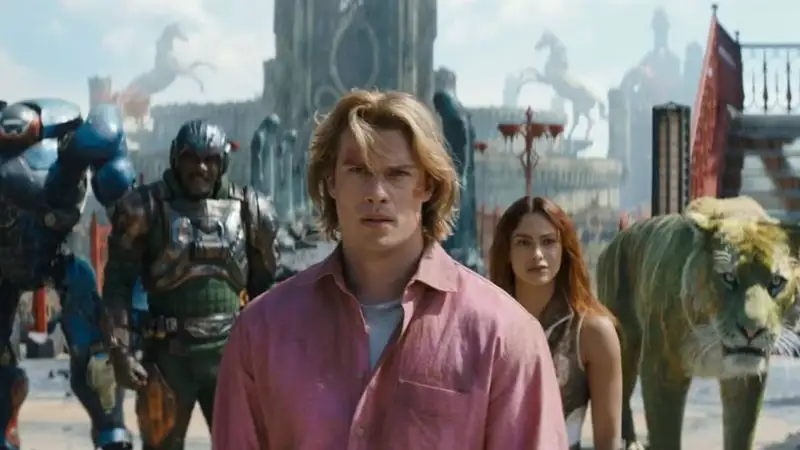
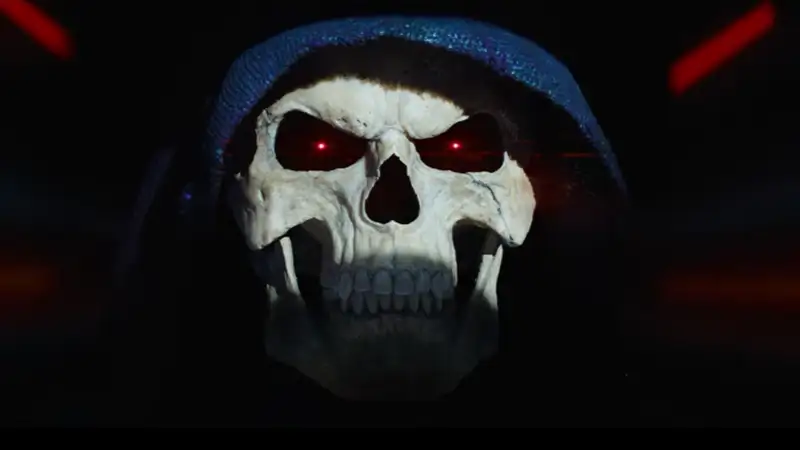
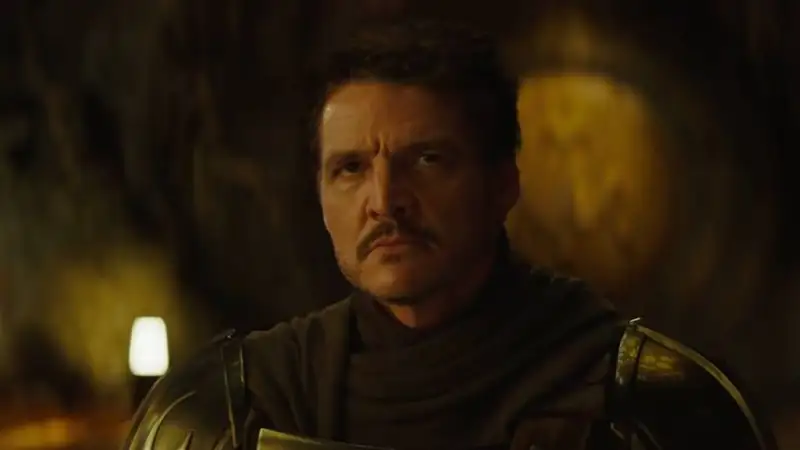
Despite the fresh narrative approach, the film commits to a visually faithful rendition of Eternia’s inhabitants. Early indications suggest that characters like He-Man, Skeletor, Teela, Cringer, and Man-at-Arms will appear as if they have literally stepped out of the classic 1980s cartoons and toy lines. Beyond the core cast, even more niche but beloved characters are set to appear, including the powerful Ram-Man, the extendable-necked Mekaneck, and the metal-fisted Fisto. This dedication to visual authenticity signals a deep respect for the franchise’s visual identity and offers a comforting familiarity for long-time enthusiasts.
Knight's background, primarily within the realm of animation and heading the acclaimed stop-motion studio Laika, underscores his appreciation for detailed character design and world-building. His statement about focusing on 'what made it pure and interesting to begin with' highlights a commitment to the foundational appeal of He-Man. This careful balance of classic aesthetics with a modern, impactful narrative could be the key to unlocking the franchise’s potential for a new era of cinematic storytelling.
The She-Ra Factor and Sequel Prospects
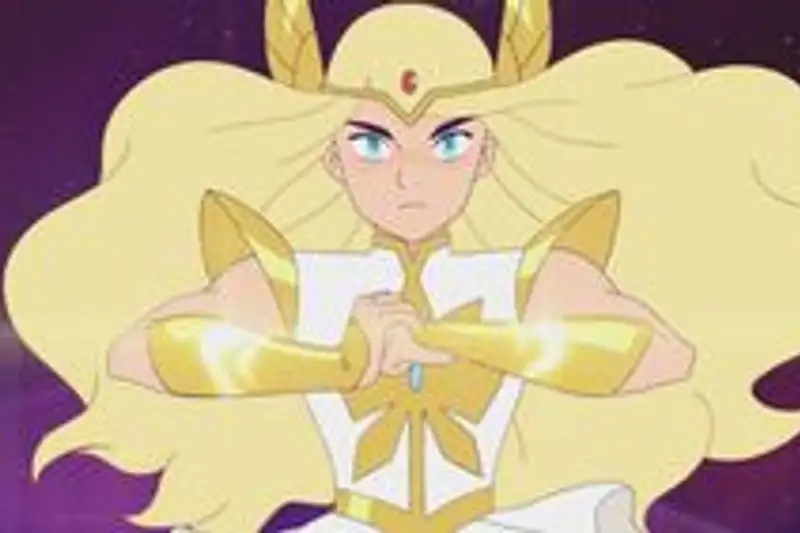
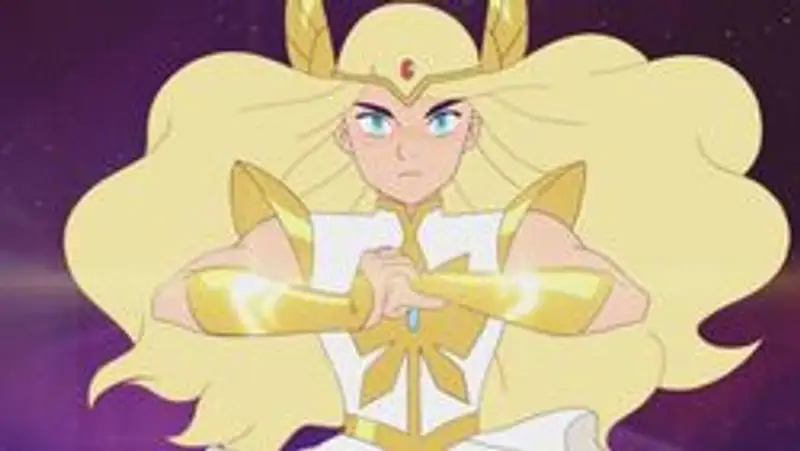
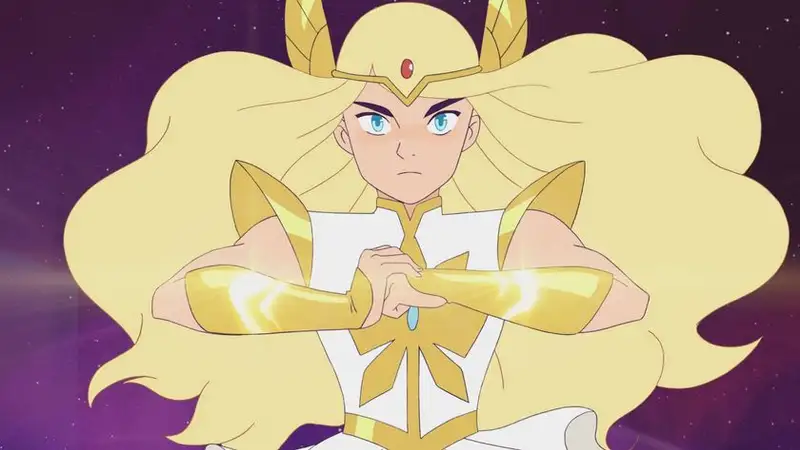
The future of the Masters of the Universe cinematic universe already appears promising. Knight has revealed that He-Man's twin sister, She-Ra, a fan-favorite character with her own extensive lore, is slated to play 'a huge part' in any potential sequel. This announcement immediately broadens the scope of the new film series, hinting at a grander narrative arc that could encompass the wider Eternian and Etherian universes.
The anticipation surrounding the film is further amplified by early critical reception. Initial verdicts have hailed Masters of the Universe as 'one of the biggest surprises of 2026,' suggesting a highly engaging and successful adaptation. Such positive buzz, even before release, bodes well for the franchise's longevity and potential for multiple installments, allowing for a comprehensive exploration of its rich character roster and intricate world. The film is scheduled for release on June 5, 2026, positioning it as a significant cinematic event to watch out for.
Sources
FAQ
What is the new Masters of the Universe movie's approach to continuity?
Director Travis Knight acknowledges the franchise's 'wildly internally inconsistent' mythology and has chosen to selectively draw from specific foundational elements rather than attempting to reconcile all past continuities. The film will primarily focus on the original 1982-83 era of toys, mini-comics, and the Filmation cartoon, while also incorporating aspects from the 1987 live-action film and obscure comic strips.
Which elements of He-Man lore did director Travis Knight focus on for the new film?
Knight's primary focus for the new film is the initial 1982-83 period, including the original action figures, their accompanying mini-comics, and the Filmation animated series. He aims to capture the 'pure and interesting' essence of where the franchise began.
What is the central plot premise of the new Masters of the Universe film?
The movie's plot sees Prince Adam (Nicholas Galitzine) stranded on Earth after Skeletor's forces successfully destroy Eternos. Fifteen years later, Adam returns to a subjugated Eternia, where he must embrace his destiny as He-Man to liberate his homeworld from Skeletor's tyrannical rule, though he is not the hero everyone expects.
Will She-Ra appear in the new Masters of the Universe film?
Director Travis Knight has indicated that She-Ra, He-Man's twin sister, is slated to play 'a huge part' in any potential sequel to the upcoming Masters of the Universe movie, suggesting plans for expanding the cinematic universe beyond the initial film.
Why it matters
For ardent fans of classic franchises and newcomers alike, the approach taken by filmmakers when rebooting a beloved property carries immense weight. The Masters of the Universe film’s strategy of acknowledging and selectively engaging with its convoluted past offers a compelling model for future adaptations grappling with similar continuity challenges. This could set a precedent for how studios handle intellectual properties with long, disjointed histories, balancing nostalgic reverence with the need for a coherent, modern narrative. For the industry, it underscores the importance of a clear creative vision in managing complex IP. For audiences, it promises a fresh entry point into a...
Background
The journey of Masters of the Universe began not with a grand narrative, but with a line of action figures from Mattel in 1982. To give context to these toys, mini-comics were included, quickly followed by the iconic Filmation animated series in 1983. Each iteration, alongside subsequent comic books and even a 1987 live-action film, added layers to the lore, but often without strict adherence to a unified canon. Characters’ origins, powers, and relationships frequently shifted, creating a multiverse of interpretations rather than a single, cohesive story. This lack of a rigid narrative spine means that while the characters and core concepts are iconic, the overarching storyline has been...
Travis Knight's decision to embrace the 'wildly inconsistent' nature of Masters of the Universe mythology, rather than attempting to reconcile its disparate threads, is a shrewd editorial move. In an era saturated with interconnected cinematic universes and demanding fan expectations for precise continuity, Knight's selective approach offers a refreshing clarity. By anchoring the film firmly in the early 1980s foundational elements — the toys, mini-comics, and Filmation cartoon — he provides a clear creative baseline. This strategy bypasses the paralysis of exhaustive lore-diving, allowing for creative freedom while still tapping into the pure, nostalgic essence that made He-Man a cultural...
References
Editorial information
The editorial team reviews sources, adds context, and structures stories so readers can understand the news more clearly.
Article from QNEWS24H
Comments
(0)No comments yet. Be the first to share your thoughts.