Massive 12TB Valve Leak Exposes Decade of Unreleased Steam Game Builds

- A massive 12TB archive of unreleased Steam game builds and development assets from 2003 to 2013 has been leaked online.
- The data was retrieved from an obsolete, unauthenticated Valve content delivery pipeline rather than through a cybersecurity breach.
- Included in the leak are cut Portal 2 mechanics, unreleased Valve prototypes like F-Stop, and early builds of major third-party games such as Fallout: New Vegas and Alan Wake.
A staggering 12-terabyte archive containing ten years of early game builds, cut mechanics, and unreleased digital assets from Steam’s formative era has surfaced online, exposing a massive cross-section of PC gaming history. The repository, dubbed by online communities as the 'Steam Terraleak,' spans files uploaded to Valve’s digital distribution platform between 2003 and 2013, offering researchers, historians, and enthusiasts an unprecedented look behind the curtain of modern game development.
Quick summary
- A 12TB repository containing development builds uploaded to Steam from 2003 to 2013 has leaked online.
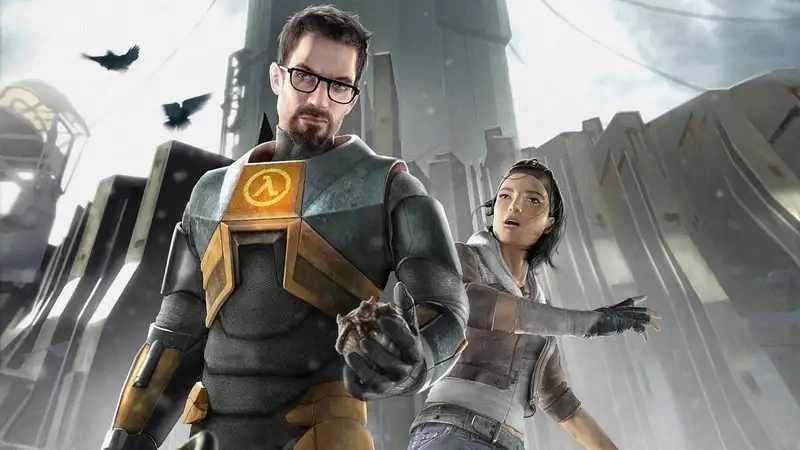
- The archive includes in-development assets from Valve classics like Portal 2, Left 4 Dead, Counter-Strike: Global Offensive, the cancelled Portal prequel F-Stop, and potential traces of Half-Life 2: Episode Three.
- The exposure stems from an unprotected, obsolete legacy content delivery pipeline rather than a direct cyberattack or breach.
- Third-party publisher content is also included, with early builds of major releases such as Fallout: New Vegas, Alan Wake, and Batman: Arkham Asylum surfacing.
Why it matters
For the video game industry and digital preservationists, a leak of this scale is a double-edged sword. On one side, it represents one of the largest digital archaeology windfalls in computer entertainment history, documenting how game designs evolved, diverged, or were abandoned during a crucial decade. On the other hand, the leak underscores significant operational risks regarding legacy digital infrastructure and the intellectual property management of both platform owners and third-party partners.
The incident demonstrates that digital storefronts carrying third-party software maintain an enduring responsibility to secure historical repositories. When legacy distribution systems remain live without proper access controls, decades-old trade secrets, proprietary source code fragments, and unreleased creative assets can become exposed to the public domain without warning.
Background
Between 2003 and 2013, Valve transformed Steam from a controversial mandatory client for Half-Life 2 into the dominant digital storefront for PC gaming worldwide. In those early years, Valve relied on an older content-delivery architecture to distribute patches, beta versions, and gold master files to testers and developers.
As Steam matured, Valve overhauled its backend systems and retired this initial pipeline more than a decade ago. However, the files hosted on that legacy infrastructure were evidently never purged or placed behind secure authentication walls. Independent researchers and online creators, including community tracker GabeFollower and content creator Scolcer, confirmed that the archive was openly discoverable on the public web, completely devoid of passwords or basic access restrictions.
Unearthed Valve Archives: Scrapped Mechanics and Elusive Traces
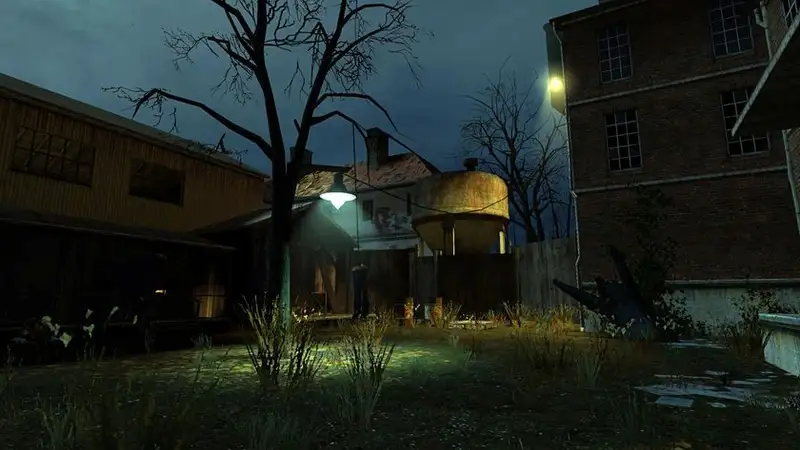
Initial community analysis of the leaked files has focused predominantly on Valve's first-party lineup. Early versions of Portal 2 have provided concrete visual evidence of mechanics that were prototyped and subsequently cut during production. Among the most notable discoveries is a functional 'bullet time' slow-motion mechanic designed for mid-air navigation, which was ultimately discarded before the puzzle-platformer reached retail shelves in 2011.
The archive also reportedly contains files related to F-Stop, the experimental, non-portal puzzle concept that Valve spent years prototyping as a potential prequel before shelving it. Furthermore, the repository holds developmental iterations of Left 4 Dead and Counter-Strike: Global Offensive, alongside fragmented references that may link to the long-speculated Half-Life 2: Episode Three project. While fans frequently look for signs of a third mainline Half-Life entry, analysts stress that the material reflects historical scraps from cancelled exploratory periods rather than active productions.
Collateral Exposure for Third-Party Studios
Because Steam operated as an open publishing hub for external publishers throughout the 2003–2013 period, the leak is not confined to Valve's proprietary software. Industry observers, including industry insider AestheticGamer, have noted that beta builds for dozens of major third-party releases are embedded within the 12TB package.
Among the notable external titles caught in the archival spill are pre-release builds of:
- Fallout: New Vegas (Obsidian Entertainment / Bethesda)
- Alan Wake (Remedy Entertainment)
- Dragon Age: Origins (BioWare / Electronic Arts)
- Batman: Arkham Asylum (Rocksteady Studios / Warner Bros.)
- Sonic the Hedgehog 4 (Sega)
- American McGee's Alice series assets
These assets give an unvarnished look at early voice acting, unoptimized textures, removed story quests, and alternative user interfaces from multi-platform blockbuster games of the seventh console generation.
Security Lapses in Legacy Infrastructure
Unlike high-profile network intrusions driven by credential theft or sophisticated social engineering, the Steam Terraleak highlights the quiet vulnerability of forgotten digital endpoints. Because the obsolete content pipeline remained accessible to any standard web query with knowledge of the endpoint URL, the files were essentially sitting open for years.
As digital platforms evolve over decades, technical debt often accumulates in forgotten infrastructure. This event serves as a cautionary case study for enterprise cloud managers, demonstrating that decommissioning client-facing software must always include the rigorous shutdown and credentialing of corresponding backend file trees.
Qnews24h insight
The Steam Terraleak illustrates the fragile line between digital preservation and corporate liability. While gaming enthusiasts and historical researchers celebrate the sudden discovery of lost prototypes and cut mechanics, the unauthorized distribution of proprietary 12TB databases creates complex copyright and technical headaches for studios worldwide.
Furthermore, while the prospect of uncovering references to Half-Life 2: Episode Three will generate intense social media speculation, expectations must be tempered. Sifting through 12TB of raw binary data and developmental code will take months of community triage, and fragments from cancelled decade-old projects rarely point to future commercial releases. The primary value of this leak remains historical: it provides a granular, uncurated view into how modern video game design found its footing in the early digital era.
Frequently Asked Questions
Was Valve hacked to obtain the 12TB leak?
No. Community reports indicate the files were accessed from an obsolete, unprotected content-delivery server that Valve retired over a decade ago. The server lacked passwords or basic authentication, making the content directly accessible on the open web without an active intrusion.
What games are included in the leaked data?
The archive features Valve's own internal builds from 2003 to 2013, including Portal 2, Left 4 Dead, CS:GO, and the F-Stop prototype, alongside third-party titles like Fallout: New Vegas, Alan Wake, Sonic 4, and Batman: Arkham Asylum.
Does this leak confirm Half-Life 3?
No. The data only contains historical files up to 2013 and may include discarded assets or notes from the abandoned Half-Life 2: Episode Three project. It does not indicate active development or release plans for a new Half-Life title.
Sources
- GamesRadar+ Reporting: Massive Valve leak unearths 12TB of unreleased builds (https://www.gamesradar.com/games/fps/massive-valve-leak-unearths-12tb-of-unreleased-builds-for-games-like-portal-2-alongside-a-whiff-of-half-life-2-episode-3/)
- Public disclosures and community analysis via GabeFollower, Scolcer, and AestheticGamer.

















Why it matters
The leak provides an unprecedented historical record of game design evolution during Steam's foundational decade while highlighting the serious intellectual property and security risks of leaving decommissioned, legacy cloud infrastructure accessible to the public.
Background
From 2003 to 2013, Valve built Steam into the world's leading PC gaming platform. The older delivery architecture used to distribute developmental betas to studios during that decade was replaced, but the underlying historical file repository was left unsecured online.
While historians and modders will benefit from discovering discarded design ideas, the leak exposes unresolved technical debt in cloud migrations. Speculation regarding long-lost sequels like Half-Life 3 should be kept in check, as these archives represent abandoned historical milestones rather than current production plans.
References
Editorial information
The editorial team reviews sources, adds context, and structures stories so readers can understand the news more clearly.
Article from QNEWS24H
Comments
(0)No comments yet. Be the first to share your thoughts.