Marvel's Wolverine Opts for Linear Adventure, Steering Away from Open-World Design

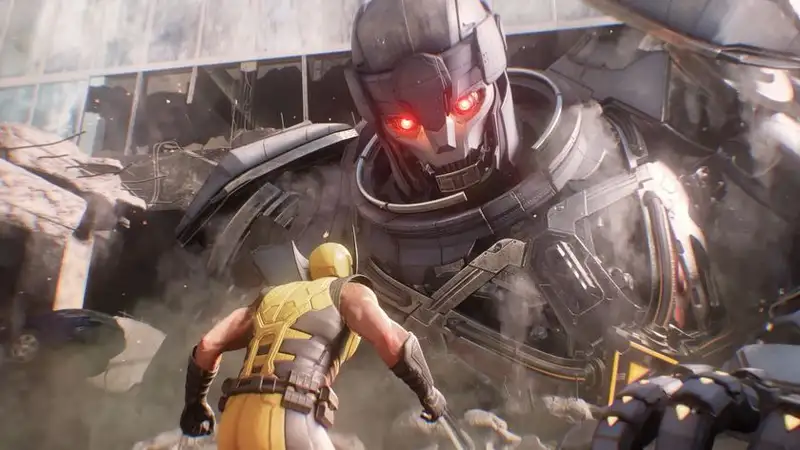
- Marvel's Wolverine will be a linear, single-player game, not an open-world title, confirmed by Insomniac Games.
- The design choice is intentional to capture Wolverine's character, emphasizing his nomadic, globe-trotting nature and mysterious past.
- Game Director Mike Daly described the game as a "high octane, high intrigue" adventure with diverse gameplay elements like observation, traversal, and stealth combat.
- This approach differentiates it from the studio's successful Spider-Man series, which is known for its expansive open-world setting.
When Insomniac Games first teased its take on Wolverine, many in the gaming community immediately envisioned a sprawling open-world experience, much like the acclaimed Marvel's Spider-Man titles that redefined superhero gaming. However, the studio has now explicitly clarified that their upcoming PlayStation 5 exclusive, Marvel's Wolverine, will deliberately eschew an open-world structure, opting instead for a "linear single-player adventure." This strategic pivot signals a focused narrative intent, promising a different kind of immersion for fans of the iconic mutant.

Quick summary

- Insomniac Games has confirmed Marvel's Wolverine will be a linear, single-player game, not an open-world title.
- The decision was driven by a desire to best represent Wolverine's character and nomadic lifestyle, focusing on a "globe-hopping adventure."
- Game Director Mike Daly emphasized a design aiming for a "high octane, high intrigue" experience with diverse gameplay styles.
- Unlike Spider-Man, who is rooted in New York City, Wolverine's character is better served by a directed, story-driven journey across various locations.




Why it matters

This design choice holds significant implications for both players and the broader gaming industry. For players, it means shifting expectations from the free-roaming exploration and abundant side content characteristic of open-world games like Marvel's Spider-Man to a more curated, intense narrative arc. This could translate into a deeply cinematic experience, focusing on character development and tightly choreographed action sequences rather than sandbox freedom. For Insomniac, it represents a bold departure from a hugely successful formula, suggesting a confidence in storytelling and a commitment to tailoring gameplay to a character's essence, rather than adhering to popular genre trends. In an era where many AAA titles default to open worlds, Marvel's Wolverine's linearity could offer a refreshing alternative, prioritizing narrative pacing and impactful moments over sheer scale.

Background
Insomniac Games solidified its reputation as a premier PlayStation developer with the critically and commercially successful Marvel's Spider-Man series, which launched in 2018. These titles were lauded for their engaging open-world rendition of New York City, fluid web-slinging traversal, and compelling narrative that integrated a vast array of side activities. The expectation for future Insomniac Marvel projects, therefore, naturally gravitated towards a similar open-world paradigm. When Marvel's Wolverine was first announced during the PlayStation Showcase in September 2021 with a tantalizing teaser trailer, it immediately ignited speculation about how the studio would translate Logan's gritty, often brutal world into a game format, particularly whether it would replicate the expansive urban playground of Spider-Man.

However, Wolverine's character, a gruff mutant with a mysterious past who frequently travels the globe in search of answers or driven by duty, presents a stark contrast to the friendly neighborhood Spider-Man, who is inextricably tied to New York City. This inherent difference in character lore and operational style laid the groundwork for a distinct gameplay approach. The move away from an open-world design, therefore, isn't a mere stylistic choice but a fundamental decision rooted in understanding and respecting the source material, setting the stage for a unique experience that diverges from the studio's established Marvel template.

A Different Path for a Different Hero

Game Director Mike Daly articulated the studio's philosophy, stating, "We did not set out to make an open world game or a sandbox game. What we really wanted was high octane, high intrigue, linear single-player adventure, and the missions reflect that in their structure." This statement underscores a deliberate design philosophy: to create the definitive Wolverine experience by focusing on his core identity. Logan is a character often found on the road, driven by an internal compass of duty and a relentless pursuit of his fragmented memories.

This globe-trotting nature, as Daly explained, makes a linear, guided adventure far more fitting than anchoring him to a single, expansive city. Imagine Wolverine's narrative: traversing desolate tundras, infiltrating clandestine facilities, or fighting through dense urban sprawls in different parts of the world. A linear structure can more effectively manage these distinct geographical and narrative shifts, allowing for precise control over pacing, environmental storytelling, and the intensity of encounters.
Gameplay Flavors and Narrative Focus
Insomniac is also keen on delivering a variety of gameplay experiences within this linear framework. Daly hinted at "different flavors of gameplay" designed to keep players engaged. These could range from segments focused on "observation and traversal" to those centered on "finding characters to interact with," and, as expected for Wolverine, plenty of opportunities for "stalking enemies and taking them out." This implies a diverse set of mechanics interwoven into the main story, ensuring that the experience doesn't become monotonous despite its directed path.

The emphasis on a tight, focused narrative also means that character development, an area where Insomniac has consistently excelled, can be even more finely tuned. Without the need to fill an open world with countless side quests or collectibles that might dilute the main story, the game can dive deep into Logan's psyche, his internal struggles, and his brutal capabilities. This concentrated approach could lead to a more impactful emotional journey for players, allowing them to truly inhabit the role of the tormented hero.
The Broader Industry Context: Linear vs. Open-World

While open-world games dominate much of the AAA landscape, the success of titles like God of War (2018) and God of War Ragnarök (2022), along with other cinematic action-adventure games like Naughty Dog's Uncharted series, demonstrates that a well-crafted linear experience can still resonate deeply with audiences. These games are celebrated for their tight pacing, stunning set pieces, and profound character arcs that are often best served by a controlled narrative flow. Insomniac's decision for Marvel's Wolverine places it firmly in this camp, suggesting a prioritisation of cinematic quality and narrative density over expansive freedom.

Furthermore, Insomniac has addressed concerns regarding the game's potentially mature themes by confirming that players will have the option to toggle off extreme blood and gore. This shows an understanding of diverse player preferences, allowing for a broader audience to engage with the game while still preserving the character's inherently violent nature for those who seek it. It's a pragmatic move that balances creative vision with accessibility.
Qnews24h insight

Insomniac's decision to craft Marvel's Wolverine as a linear, single-player adventure, rather than mirroring the open-world success of their Spider-Man titles, represents a shrewd strategic move rather than a limitation. By eschewing the often-demanding breadth of an open-world, the studio can instead pour its resources into vertical depth: tighter combat, more intricate level design, focused character development, and truly impactful narrative beats that align with Wolverine's nomadic, often solitary nature. This choice allows Wolverine to forge its own distinct identity within the superhero gaming landscape, avoiding genre fatigue and maximizing the brutal, intimate storytelling potential of Logan's complex character, ultimately aiming for a more intense and memorable experience tailored specifically to the hero's essence.
Sources
FAQ
Is Marvel's Wolverine an open-world game like Insomniac's Spider-Man?
No, Insomniac Games has explicitly confirmed that Marvel's Wolverine will be a linear single-player adventure, differing from the open-world structure of their Marvel's Spider-Man titles.
Why did Insomniac choose a linear design for Wolverine?
The developers decided on a linear format to best represent Wolverine's character and story. Game director Mike Daly explained that Logan is a globetrotting character not anchored to one location, making a focused, high-octane linear adventure more suitable for his narrative and essence.
How will Wolverine's gameplay differ from Insomniac's Spider-Man games?
While both are action-adventure, Wolverine will offer a more directed experience with varied "flavors of gameplay" including observation, traversal, character interaction, and stealth-based combat. Its linear nature will allow for tighter pacing and cinematic storytelling, contrasting with the open-world exploration and myriad side activities of Spider-Man.
Will there be options to adjust the game's mature content?
Yes, Insomniac has stated that players will have the option to turn off the extreme blood and gore, allowing for a broader range of player preferences while still respecting the character's inherent nature.
Why it matters
This strategic decision challenges player expectations shaped by Insomniac's open-world Spider-Man success. It signifies a studio prioritizing character and narrative integrity over popular genre trends, potentially delivering a more focused, intense, and cinematic experience tailored to Wolverine's unique persona. For the industry, it's a reminder that linear design can still be a powerful storytelling vehicle, offering a distinct counterpoint to the prevalence of sprawling open worlds and impacting how future superhero titles might approach adaptation.
Background
Insomniac Games achieved massive critical and commercial success with their Marvel's Spider-Man series, establishing a benchmark for open-world superhero games set in a vibrant, explorable New York City. The announcement of Marvel's Wolverine in 2021 naturally led many to assume a similar open-world treatment. However, Wolverine's character profile—a mysterious, often solitary figure who travels extensively, driven by a search for his past and a sense of duty—differs significantly from Spider-Man's role as a local hero deeply rooted in a single metropolis. This divergence in character essence and operational scope set the stage for Insomniac to explore a different gameplay paradigm,...
Insomniac's strategic decision to design Marvel's Wolverine as a linear experience demonstrates a sophisticated understanding of both their intellectual property and the market. Rather than simply replicating the open-world formula that brought them success with Spider-Man, they are choosing a path that allows for a more focused, brutal, and character-driven narrative, which aligns perfectly with Wolverine's often dark and introspective journey. This move suggests a commitment to qualitative depth over expansive breadth, potentially setting a new standard for how beloved characters are adapted, proving that a tightly curated experience can deliver greater impact and distinctiveness in an...
References
Editorial information
The editorial team reviews sources, adds context, and structures stories so readers can understand the news more clearly.
Article from QNEWS24H
Comments
(0)No comments yet. Be the first to share your thoughts.