Marvel's Feige Explains 'Brand New Day' Pivot: Deeper, Not Bigger Than 'No Way Home'

- Marvel Studios intentionally pursued a 'deeper' and 'special' narrative for Spider-Man: Brand New Day, moving away from the multiversal spectacle of No Way Home.
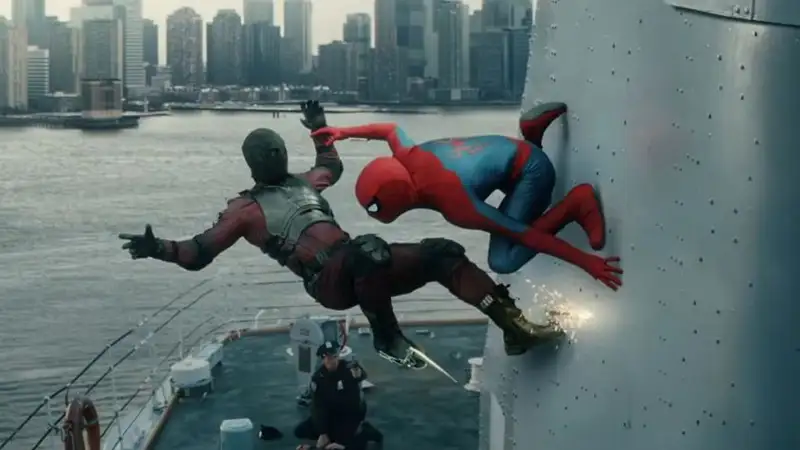
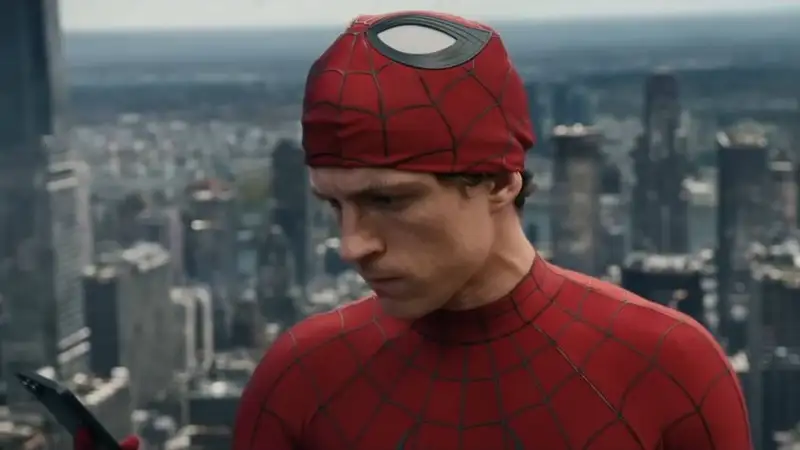
- The film focuses on Peter Parker's profound isolation and emotional state, years after his identity was erased from everyone's memory in No Way Home.
- Kevin Feige acknowledged the core trio of Tom Holland, Zendaya, and Jacob Batalon as being as iconic as the three cinematic Spider-Men, underscoring the personal stakes in their...
- This creative pivot reflects a strategic choice to ground the franchise in character-driven storytelling amidst the expanding MCU narrative.
The cinematic landscape of superhero sagas often pushes boundaries, striving for increasingly grander spectacles and multiversal crossovers. Yet, for the latest installment in the Marvel Cinematic Universe's Spider-Man series, Brand New Day, the creative compass points inward. Marvel Studios President Kevin Feige has revealed that the driving philosophy behind the new film was not to outdo its predecessor's epic scale but to explore a richer, more profound narrative, a decision that could mark a significant shift in blockbuster filmmaking.

Quick summary

- Marvel Studios intentionally pursued a 'deeper' and 'special' narrative for Spider-Man: Brand New Day, moving away from the multiversal spectacle of No Way Home.
- The film focuses on Peter Parker's profound isolation and emotional state, years after his identity was erased from everyone's memory in No Way Home.
- Kevin Feige acknowledged the core trio of Tom Holland, Zendaya, and Jacob Batalon as being as iconic as the three cinematic Spider-Men, underscoring the personal stakes in their absence.
- This creative pivot reflects a strategic choice to ground the franchise in character-driven storytelling amidst the expanding MCU narrative.


Why it matters

This strategic pivot for a tentpole franchise like Spider-Man sends a clear signal to the film industry: the relentless pursuit of 'bigger' spectacles might be reaching its limits. For audiences, it promises a more intimate and emotionally resonant story, offering a reprieve from the constant escalation of stakes and potentially fostering a deeper connection with Peter Parker's character. For Marvel and Sony, it's a demonstration of confidence in their core intellectual property, suggesting that compelling character development and emotional depth can sustain a franchise just as effectively, if not more so, than sheer spectacle. This approach could influence future superhero narratives, encouraging a balance between grandiosity and grounded storytelling, and ultimately preventing audience fatigue from an endless cycle of ever-expanding multiverses.
Background

The trajectory of Tom Holland's Spider-Man within the Marvel Cinematic Universe has been characterized by escalating stakes and growing connections. Introduced in Captain America: Civil War, he quickly endeared himself to audiences as a youthful, relatable hero. His initial solo outings, Spider-Man: Homecoming and Spider-Man: Far From Home, saw him balancing the complexities of high school life with global threats, often under the mentorship of figures like Tony Stark. However, it was Spider-Man: No Way Home that redefined his cinematic journey, delivering an unprecedented multiversal event.
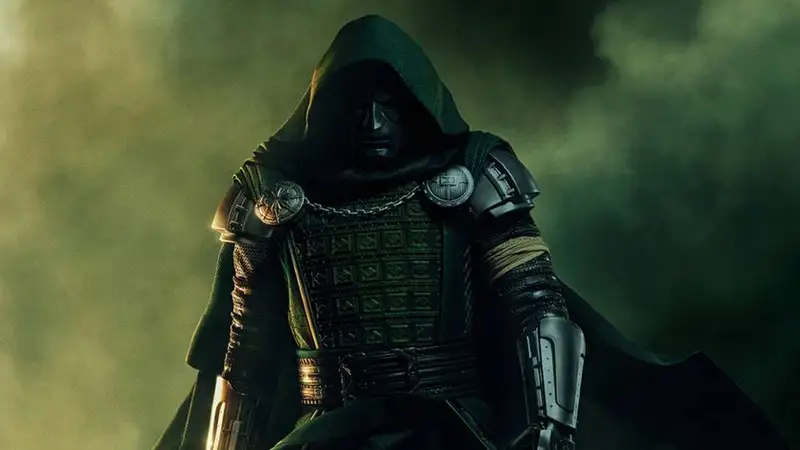
The third solo film famously brought together three generations of cinematic Spider-Men—Tobey Maguire, Andrew Garfield, and Tom Holland—in a fan-acclaimed crossover that shattered box office records. Its poignant climax saw Doctor Strange cast a powerful spell to erase all memory of Peter Parker from existence, effectively isolating him from everyone he knew and loved, including his closest friends and aunt. This monumental conclusion, while providing a narrative clean slate, simultaneously presented a profound creative challenge: how to meaningfully follow such a groundbreaking, fan-service-heavy event without simply attempting to repeat or escalate the spectacle. The decision for Brand New Day, as articulated by Feige, directly addresses this dilemma, consciously charting a course away from multiversal chaos towards a more personal, character-centric exploration.
Qnews24h insight
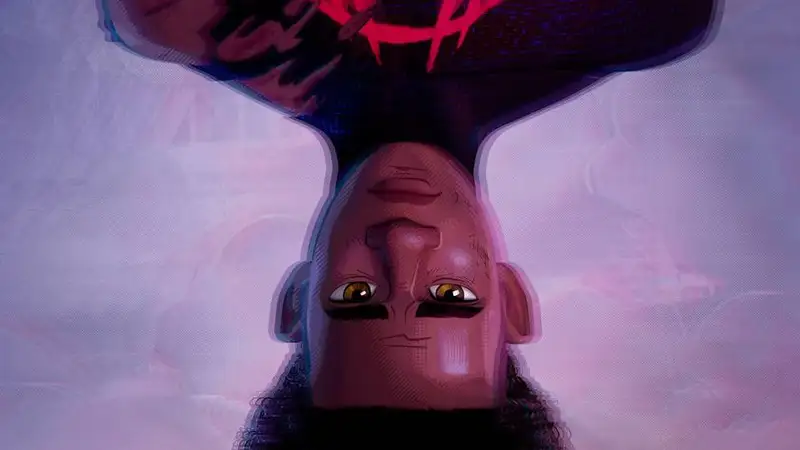
Marvel's deliberate choice to 'go deeper' with Brand New Day is more than a creative whim; it's a shrewd strategic recalibration. After the unprecedented fan euphoria generated by No Way Home's multiversal convergence, the risk of constantly attempting to outdo such a spectacle is significant. Perpetual escalation not only risks desensitizing audiences but can also dilute the emotional core of beloved characters. By grounding Peter Parker's subsequent chapter in his personal solitude and emotional journey, Marvel and Sony are reinforcing the foundational appeal of Spider-Man: a hero whose relatable human struggles are as compelling as his superhuman abilities. This shift suggests a mature evolution in the MCU's storytelling philosophy, prioritizing resonant character arcs over a ceaseless pursuit of 'bigger.' It is a calculated move designed to ensure the long-term health and emotional authenticity of the franchise, demonstrating confidence that a character-focused narrative can sustain audience engagement without relying solely on external, large-scale events.
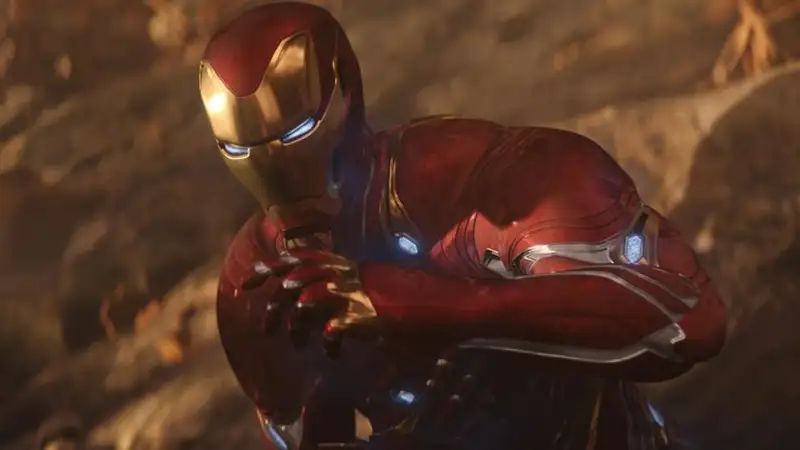
A Strategic Pivot for the Web-Slinger

During a D23 panel celebrating 65 years of Spider-Man, Kevin Feige articulated the core philosophy guiding Brand New Day. He openly admitted that the team recognized the impossibility of creating a film 'bigger' or 'more' than No Way Home, which saw three versions of Spider-Man unite on screen. Instead of attempting to replicate that colossal scale, the focus became clear: "let's just go deeper and make it special." This approach signals a refreshing departure from the conventional blockbuster formula, which often dictates that each subsequent film must exceed its predecessor in scope and spectacle.

The challenge of following such a monumental film presented a unique opportunity for introspection. Rather than throwing more villains or more multiversal variants at Peter Parker, the creative team opted to explore the psychological and emotional fallout of his devastating sacrifice. This decision to prioritize internal conflict and character evolution over external threats is a bold move, demonstrating a willingness to challenge audience expectations and redefine what constitutes a compelling superhero narrative in a post-multiverse era.

The Iconic Trio: Beyond the Multiverse
Feige also shared a poignant observation from the set of No Way Home, where he witnessed Tom Holland, Zendaya, and Jacob Batalon—Peter Parker, MJ, and Ned Leeds—sitting together. It struck him then that this trio was "as iconic as the three Spider-Men" themselves. The significance of this realization, he added, has been unequivocally demonstrated by Brand New Day.

While the spell at the end of No Way Home erased Peter Parker from MJ and Ned's memories, their collective iconography and the emotional void created by their absence become central to Peter's new narrative. The impact of losing his closest connections, the very people who grounded him, is now a powerful narrative engine. The film doesn't need to physically reunite them in the same capacity for their influence to be deeply felt; their prior importance and the profound cost of their forgotten friendship drive Peter's journey into a new, more solitary existence, amplifying the emotional stakes without the need for multiversal threats.

The Weight of Memory: Peter Parker's New Beginning
The dramatic conclusion of No Way Home saw Peter Parker make the ultimate sacrifice: allowing Doctor Strange to cast a spell that wiped his existence from the memories of everyone, including his dearest friends and allies. This act, while saving the multiverse, left him profoundly alone, stripped of his support system and his familiar life. Brand New Day directly grapples with the aftermath of this monumental decision.
The film delves into Peter's new reality, one where he is a forgotten hero, navigating life without the recognition or personal connections that once defined him. The narrative shifts from battling cosmic entities to confronting the profound emotional weight of his solitude, his forgotten past, and the daunting prospect of building a new life from scratch. This focus on Peter's internal landscape and his grounded emotional state is precisely what Feige described as 'going deeper,' offering a more intimate exploration of what it truly means to be Spider-Man when the world no longer knows who Peter Parker is.
Implications for the MCU and Beyond
This deliberate choice to scale down the external stakes for Spider-Man carries broader implications for the Marvel Cinematic Universe and the superhero genre at large. In an era where every major cinematic universe seems to be in a race to expand and interconnect, Brand New Day's approach suggests a potential counter-movement. It signals that character-centric storytelling, focusing on the human elements and emotional journeys of its heroes, remains vital for long-term franchise health. Audiences, while often eager for spectacle, also crave compelling narratives and relatable characters.
By offering a Spider-Man story that prioritizes personal growth and the emotional consequences of heroism over multiversal battles, Marvel may be setting a precedent for future phases of the MCU. It could encourage a more balanced approach, allowing for both epic crossovers and intimate character studies, ensuring that the universe remains vibrant and engaging without succumbing to 'event fatigue.' This could also pave the way for other heroes to have their own grounded, deeply personal stories, proving that the most impactful battles are often fought within.
Sources
FAQ
What was Marvel's main creative goal for 'Spider-Man: Brand New Day'?
Marvel's main creative goal for 'Spider-Man: Brand New Day' was to 'go deeper and make it special' rather than attempting to make it 'bigger' than its multiversal predecessor, 'Spider-Man: No Way Home.' The focus shifted to character depth and emotional storytelling.
How does 'Brand New Day' connect to the ending of 'No Way Home'?
'Brand New Day' is set years after the events of 'No Way Home.' It directly deals with the consequences of Doctor Strange's spell, which erased all memory of Peter Parker from existence, leaving him isolated and forgotten by everyone he knew.
Why did Kevin Feige consider Tom Holland, Zendaya, and Jacob Batalon an 'iconic trio'?
Kevin Feige observed that the dynamic between Tom Holland (Peter Parker), Zendaya (MJ), and Jacob Batalon (Ned Leeds) was as iconic as the three Spider-Men in 'No Way Home.' This highlights the profound emotional importance of their relationships, which now forms a central, albeit absent, element of Peter's character arc in 'Brand New Day.' Their shared history and the loss of that connection become a source of narrative depth.
What does 'going deeper' mean for Peter Parker's character in the new film?
'Going deeper' for Peter Parker means exploring his emotional state and isolation after his identity was erased. The film focuses on his personal struggles, his journey to rebuild a life without his past connections, and his internal challenges, rather than external, large-scale threats.
Why it matters
This strategic pivot for a tentpole franchise like Spider-Man sends a clear signal to the film industry: the relentless pursuit of 'bigger' spectacles might be reaching its limits. For audiences, it promises a more intimate and emotionally resonant story, offering a reprieve from the constant escalation of stakes and potentially fostering a deeper connection with Peter Parker's character. For Marvel and Sony, it's a demonstration of confidence in their core intellectual property, suggesting that compelling character development and emotional depth can sustain a franchise just as effectively, if not more so, than sheer spectacle. This approach could influence future superhero narratives,...
Background
The trajectory of Tom Holland's Spider-Man within the Marvel Cinematic Universe has been characterized by escalating stakes and growing connections. Introduced in 'Captain America: Civil War,' he quickly endeared himself to audiences as a youthful, relatable hero. His initial solo outings, 'Spider-Man: Homecoming' and 'Spider-Man: Far From Home,' saw him balancing the complexities of high school life with global threats, often under the mentorship of figures like Tony Stark. However, it was 'Spider-Man: No Way Home' that redefined his cinematic journey, delivering an unprecedented multiversal event. The third solo film famously brought together three generations of cinematic...
Marvel's deliberate choice to 'go deeper' with 'Brand New Day' is more than a creative whim; it's a shrewd strategic recalibration. After the unprecedented fan euphoria generated by 'No Way Home's multiversal convergence, the risk of constantly attempting to outdo such a spectacle is significant. Perpetual escalation not only risks desensitizing audiences but can also dilute the emotional core of beloved characters. By grounding Peter Parker's subsequent chapter in his personal solitude and emotional journey, Marvel and Sony are reinforcing the foundational appeal of Spider-Man: a hero whose relatable human struggles are as compelling as his superhuman abilities. This shift suggests a...
References
Editorial information
The editorial team reviews sources, adds context, and structures stories so readers can understand the news more clearly.
Article from QNEWS24H
Comments
(0)No comments yet. Be the first to share your thoughts.