Major iPhone Price Drops: Air, 14, and 13 Models See Significant Reductions
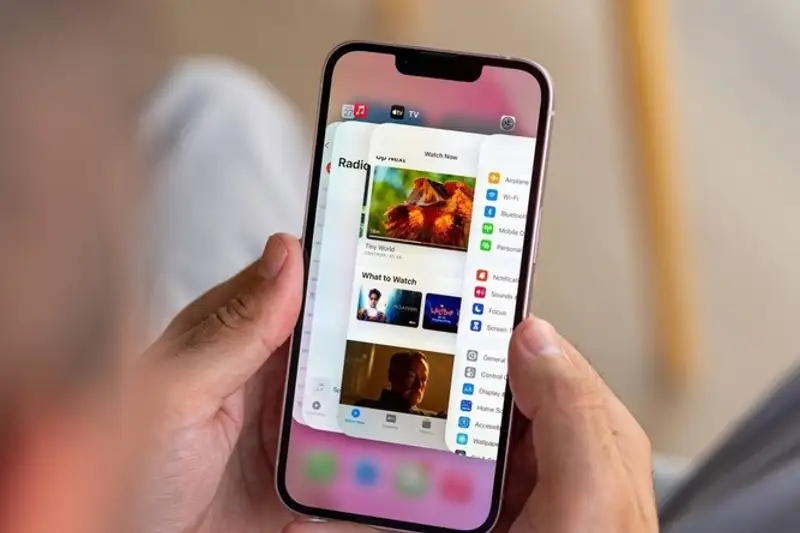
- The ultra-thin iPhone Air has seen its price drop by 24-28% since launch, now available from 22.99 million VND.
- The iPhone 14 (128GB) is retailing for nearly half its original launch price, currently around 13.9 million VND.
- The iPhone 13 (128GB) offers exceptional value at approximately 11.8 million VND, making it a strong contender in the mid-range segment.
- These reductions reflect a broader market trend of older iPhone generations adjusting their price points to remain competitive and appeal to budget-conscious buyers.
In a landscape increasingly defined by rapidly evolving technology and intense market competition, several prominent iPhone models are now available at significantly reduced prices. This shift presents a compelling opportunity for consumers to access Apple's premium ecosystem, whether they prioritize cutting-edge design, proven performance, or unparalleled value.
Quick summary
- The ultra-thin iPhone Air has seen its price drop by 24-28% since launch, now available from 22.99 million VND.
- The iPhone 14 (128GB) is retailing for nearly half its original launch price, currently around 13.9 million VND.
- The iPhone 13 (128GB) offers exceptional value at approximately 11.8 million VND, making it a strong contender in the mid-range segment.
- These reductions reflect a broader market trend of older iPhone generations adjusting their price points to remain competitive and appeal to budget-conscious buyers.
Why it matters

These substantial price adjustments hold significant implications for both consumers and the broader smartphone market. For individuals, it democratizes access to Apple's highly regarded software ecosystem, robust security features, and long-term software support, which often extend for many years even on older models. This means more users can experience premium mobile technology without the prohibitive cost typically associated with new flagship releases. For the market, these price drops intensify competition, particularly in the mid-to-high range, forcing other manufacturers to re-evaluate their own pricing strategies. It also highlights Apple's nuanced approach to product lifecycle management, where older models are strategically repositioned to capture different segments of the consumer base, rather than being discontinued outright. This strategy allows Apple to maintain market share across various price points while preparing the ground for newer innovations.
Background
Apple's product strategy traditionally involves a cascading pricing model: when a new iPhone generation is introduced, the previous models often see a price reduction, sometimes with even older models being discontinued or shifted to specific regional markets. This predictable cycle ensures that consumers always have a range of options at different price points, from the latest flagship to more budget-friendly, yet still capable, predecessors. For example, the iPhone 14, launched several years ago, has now reached a phase in its lifecycle where its price has naturally depreciated significantly, especially as subsequent generations like the iPhone 15 series have entered the market with advanced features like the Dynamic Island and USB-C connectivity. Similarly, the iPhone 13, being an even older generation, leverages its still-powerful A15 Bionic chip and classic design to offer compelling performance at an entry-level premium price. The emergence of a model like the 'iPhone Air' at a significantly reduced price point, shortly after its initial premium launch, suggests either aggressive market recalibration or a response to specific design trade-offs that might not have resonated with a broader, premium-tier audience.
iPhone Air: A Premium Design with Strategic Revaluation
The iPhone Air, introduced with much fanfare for its ultra-slim profile and premium materials, has quickly become a focal point of these price adjustments. Initially priced at 31.99 million VND, the 256GB variant is now available between 22.99 and 24.39 million VND, representing a substantial 24% to 28% decrease. Its defining characteristic remains its remarkably thin 5.64 mm chassis, crafted from high-grade titanium, paired with a 6.5-inch OLED ProMotion display offering a silky-smooth 120 Hz refresh rate. This combination promises an exquisite visual and tactile experience for users who prioritize design aesthetics and display quality.
Understanding the Trade-offs for Thinness
However, the pursuit of extreme thinness often necessitates engineering compromises. In the case of the iPhone Air, these include a constrained thermal management system, a singular 48 MP rear camera module rather than a versatile multi-lens array, a relatively modest 3,149 mAh battery, and a mono speaker setup instead of the more immersive stereo sound. These design choices, while enabling its svelte form factor, might explain its rapid price recalibration as the market assesses its overall value proposition against competitors and other iPhones that offer more balanced feature sets.
iPhone 14: Enduring Performance, Newfound Affordability
Nearly four years after its initial release, the iPhone 14 (128GB) has undergone one of the most significant price reductions, now selling for approximately 13.9 million VND – a figure that represents nearly half of its original launch price. Despite its age, this model retains considerable appeal, particularly for those seeking a compact yet capable device. Its lightweight design, weighing in at just 172 grams, makes it comfortable for extended use, while the A15 Bionic chip continues to deliver robust performance for most daily tasks and even demanding applications.

Balancing Legacy Features with Modern Expectations
The iPhone 14, however, distinctly marks its position as a product nearing the end of its typical lifecycle. It largely mirrors its predecessor, the iPhone 13, sharing the 'notch' display design with a 60 Hz refresh rate, lacking a dedicated telephoto camera, and notably retaining the Lightning port instead of the newer, more universal USB-C. Despite these legacy features, its current price point, combined with Apple's unparalleled software support longevity, makes it an attractive option for consumers desiring a reliable iPhone experience without the premium associated with the latest iterations.
iPhone 13: The Unbeatable Value Proposition
Further down the pricing spectrum, the iPhone 13 (128GB) stands out as arguably one of the best performance-to-price ratios in Apple's current lineup, available for around 11.8 million VND. This model carries forward a familiar and well-regarded design, boasting a vibrant OLED display and the same powerful A15 Bionic chip found in the iPhone 14. This hardware package is more than sufficient for a vast array of modern applications, from intensive gaming to seamless social media browsing and high-definition video consumption.
A Smart Choice for Cost-Conscious Buyers
While the iPhone 13 naturally lacks the cutting-edge innovations seen in its newer siblings, such as the Dynamic Island or the USB-C port, its enduring performance, high-quality display, and continued software updates from Apple make it an exceptionally intelligent purchase for cost-conscious consumers. It represents a sweet spot for those who prioritize core functionality and a polished user experience over the very latest technological advancements, ensuring a premium feel without the premium price tag.
Qnews24h insight
The notable price drops across these diverse iPhone models underscore a crucial trend in the mature smartphone market: the increasing importance of value and accessibility. For Apple, this strategic recalibration ensures market penetration at various economic tiers, allowing the brand to capture a wider audience even as its flagship devices push premium boundaries. The 'iPhone Air' situation, in particular, suggests that even groundbreaking design innovations might require significant price adjustments if their accompanying trade-offs are not universally embraced by the high-end market. Meanwhile, the sustained appeal of older models like the iPhone 14 and 13, bolstered by aggressive pricing, highlights the longevity and intrinsic value of Apple's hardware and software ecosystem. This trend implies that consumers are becoming more discerning, often opting for proven, reliable technology at a competitive price rather than always chasing the absolute latest features, especially when the generational leaps in performance or design are incremental. It also sets a precedent for future releases, where the initial premium might face quicker adjustments based on market reception and the pace of technological adoption.
Sources

Frequently Asked Questions
Q: Why are these specific iPhone models experiencing such significant price drops?
A: The price drops are primarily due to several factors: the natural depreciation of older models as new generations are released (iPhone 14, 13), strategic market adjustments to maintain competitiveness, and in the case of the iPhone Air, potentially a recalibration based on initial market reception and its design trade-offs.
Q: Is buying an older iPhone model like the iPhone 13 or 14 still a good idea in 2024?
A: Yes, absolutely. Both the iPhone 13 and 14 still offer excellent performance with the A15 Bionic chip, high-quality OLED displays, and will continue to receive software updates from Apple for several more years, making them highly capable and cost-effective choices.
Q: What are the main trade-offs of the ultra-thin iPhone Air mentioned in the article?
A: To achieve its remarkably thin design, the iPhone Air makes several trade-offs, including potentially limited heat dissipation, a single rear camera (48 MP), a smaller battery capacity (3,149 mAh), and a mono speaker system instead of stereo sound.
Why it matters
These substantial price adjustments hold significant implications for both consumers and the broader smartphone market. For individuals, it democratizes access to Apple's highly regarded software ecosystem, robust security features, and long-term software support, which often extend for many years even on older models. This means more users can experience premium mobile technology without the prohibitive cost typically associated with new flagship releases. For the market, these price drops intensify competition, particularly in the mid-to-high range, forcing other manufacturers to re-evaluate their own pricing strategies. It also highlights Apple's nuanced approach to product lifecycle...
Background
Apple's product strategy traditionally involves a cascading pricing model: when a new iPhone generation is introduced, the previous models often see a price reduction, sometimes with even older models being discontinued or shifted to specific regional markets. This predictable cycle ensures that consumers always have a range of options at different price points, from the latest flagship to more budget-friendly, yet still capable, predecessors. For example, the iPhone 14, launched several years ago, has now reached a phase in its lifecycle where its price has naturally depreciated significantly, especially as subsequent generations like the iPhone 15 series have entered the market with...
The notable price drops across these diverse iPhone models underscore a crucial trend in the mature smartphone market: the increasing importance of value and accessibility. For Apple, this strategic recalibration ensures market penetration at various economic tiers, allowing the brand to capture a wider audience even as its flagship devices push premium boundaries. The 'iPhone Air' situation, in particular, suggests that even groundbreaking design innovations might require significant price adjustments if their accompanying trade-offs are not universally embraced by the high-end market. Meanwhile, the sustained appeal of older models like the iPhone 14 and 13, bolstered by aggressive...
References
Editorial information
The editorial team reviews sources, adds context, and structures stories so readers can understand the news more clearly.
Article from QNEWS24H
Comments
(0)No comments yet. Be the first to share your thoughts.