Levi's Denim Jackets Get a Luxe Twist: How Leather Redefines Classic Outerwear
- Japanese retailers EDIFICE and BIOTOP have collaborated with Levi's to reimagine classic denim jackets.
- The EDIFICE collaboration introduces lambskin leather garnishes to the Type II jacket, offering a subtle yet luxurious contrast.
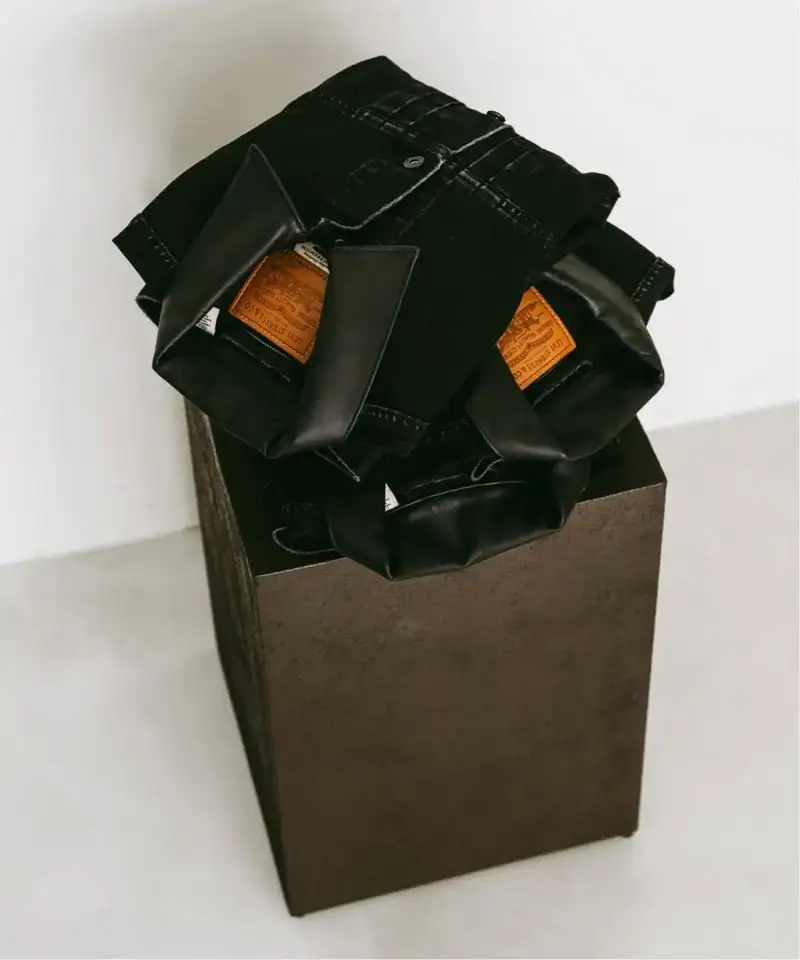
- BIOTOP's take on the Type I jacket features a full polyurethane coating that closely mimics leather, creating a sleek, unexpected finish.
- These projects demonstrate how incorporating non-denim materials, particularly leather, can significantly elevate and transform iconic outerwear silhouettes.
For nearly a century and a half, Levi Strauss & Co. has stood as the undisputed pioneer of denim, shaping the very fabric of American style with its iconic jeans and jackets. Yet, even a brand with such a profound legacy continues to find new avenues for innovation. Recent collaborations, spearheaded by discerning Japanese fashion retailers, are pushing the boundaries of the classic Levi's denim jacket, injecting an unexpected element that transcends its traditional blue-collar roots: leather.
Quick summary
- Japanese retailers EDIFICE and BIOTOP have collaborated with Levi's to reimagine classic denim jackets.
- The EDIFICE collaboration introduces lambskin leather garnishes to the Type II jacket, offering a subtle yet luxurious contrast.
- BIOTOP's take on the Type I jacket features a full polyurethane coating that closely mimics leather, creating a sleek, unexpected finish.
- These projects demonstrate how incorporating non-denim materials, particularly leather, can significantly elevate and transform iconic outerwear silhouettes.
Why it matters
These collaborations are more than just new product releases; they signify a crucial evolution in how heritage brands like Levi's maintain relevance and desirability in a rapidly shifting fashion landscape. For consumers, it means access to elevated versions of beloved staples, blending timeless design with contemporary luxury and unique material expressions. For the industry, it highlights the power of strategic partnerships, especially with influential regional arbiters of taste like those in Japan, to breathe new life into established categories. This approach challenges traditional perceptions of denim, demonstrating that even the most iconic garments can be refined and reinterpreted, appealing to a demographic seeking both familiarity and exclusivity. It also underscores a broader trend where material innovation and textural contrast become key drivers of design, impacting everything from streetwear to high fashion outerwear.
Background
Levi's journey began in 1853, but it was in the early 20th century that their denim jackets, particularly the "Blouse" (later known as the Type I) and its successor, the Type II (introduced in 1953), became quintessential workwear garments and cultural icons. Characterized by their durable denim construction, distinctive pleats, and riveted pockets, these jackets embodied utility and rugged style. Over decades, the denim jacket evolved, adapting to various subcultures and fashion movements, but its fundamental material—denim—remained largely sacrosanct. While designers have experimented with washes, fits, and minor embellishments, radical material shifts for the core jacket silhouette have been less common. The North Face or Stone Island have explored technical fabrications for denim-inspired pieces, and avant-garde labels like sacai have deconstructed and reconstructed denim into hybrid forms. However, the current collaborations stand out by subtly integrating or mimicking leather directly onto the classic Levi's forms, a material traditionally associated with a different class of outerwear, thereby creating a novel aesthetic without fully abandoning the garment's denim identity. This marks a departure from merely altering the denim itself, instead introducing an entirely new material dimension to the core design.
Reimagining the Type II with Subtle Luxury
The collaboration with multi-brand retailer EDIFICE breathes new life into the Levi’s Type II, a jacket first introduced in 1953 and celebrated for its timeless appeal. Departing from the familiar indigo, EDIFICE’s rendition features a washed black denim, instantly lending it a contemporary edge. The true innovation, however, lies in the carefully integrated lambskin leather garnishes. A shiny black lambskin collar provides a striking focal point, contrasting with the rugged denim. Further subtle luxury is revealed upon closer inspection: the sleeve lining, typically denim, is replaced with leather, becoming visible only when the cuff is artfully flipped. These aren’t overt statements; instead, they represent a refined approach to design, where textural contrast and material richness are introduced in measured doses. This approach has been aptly termed a "leather jacket lite" – a jacket that retains the approachable silhouette of denim while being elevated by the beautiful, soft contrast of high-quality leather. It’s an exercise in understated opulence, enhancing the jacket’s tactile and visual appeal without transforming its fundamental character.
The Type II, historically a symbol of post-war American industrial expansion and burgeoning youth culture, now finds itself reinterpreted through a lens of sophisticated Japanese craftsmanship. This blend of heritage and modern sensibility resonates deeply with current fashion trends that prioritize authenticity alongside innovative detailing. It speaks to a consumer desire for items that tell a story, possessing both historical weight and contemporary relevance. The choice of lambskin, known for its softness and fine grain, ensures that the added elements feel luxurious rather than ostentatious, integrating seamlessly into the jacket's design. This measured addition serves to redefine the jacket's perceived value and aesthetic niche, shifting it from a purely utilitarian garment to a piece with genuine sartorial gravitas.
The Illusory Leather of the Type I
Preceding the EDIFICE project was an equally fascinating collaboration with BIOTOP, a slow-fashion-led boutique. This partnership took the Type I, the original Levi’s denim jacket, and transformed it into something visually indistinguishable from a full leather jacket. The innovation here involved covering the entire denim body with a layer of shiny black polyurethane. The effect is so convincing that, at first glance, the jacket appears to be entirely crafted from leather, with the underlying denim only revealed upon closer examination of the interior. This ingenious application demonstrates a powerful design principle: the secret ingredient to an exceptional denim jacket might not always be actual leather, but rather a material that perfectly emulates its aesthetic qualities. The result is a strikingly clean and polished look, far removed from the distressed or raw aesthetic often associated with denim. This strategy cleverly plays with perception, offering the allure and sleekness of leather while retaining the unique structural properties and comfort often associated with a denim base layer.
BIOTOP's approach is particularly intriguing because it challenges the very definition of a "denim jacket." By cloaking the denim in a convincing leather-like finish, it creates a hybrid garment that defies easy categorization. This speaks to a broader trend in fashion where material boundaries are blurred, and unexpected combinations create novel visual experiences. The polyurethane coating not only imparts a luxurious sheen but also adds a protective layer, potentially altering the jacket's wear characteristics. This "leathermaxxed" concept pushes the boundaries further than mere accents, creating a statement piece that leverages the iconic silhouette of the Type I to introduce a completely new textural narrative. It underscores the idea that innovation can stem from mimicry, achieving a desired aesthetic through unconventional means.
Beyond Denim: A Broader Trend in Outerwear Innovation
The fascination with reinterpreting time-honored outerwear styles through unexpected material combinations is a recurring theme in high fashion and streetwear. These Levi's collaborations, while distinct, resonate with similar experimental endeavors seen elsewhere. Consider how The North Face or Stone Island, renowned for their technical outdoor gear, have occasionally adapted denim into weatherproof shells, merging rugged aesthetic with advanced functionality. Similarly, sacai, the Japanese luxury brand, is celebrated for its ingenious "Frankenstein" approach, often combining disparate garments like denim jackets and bomber jackets into singular, hybrid creations. Even more unconventional examples exist, such as Bless's reimagination of denim as a soft cardigan.
What sets the Levi's x EDIFICE and Levi's x BIOTOP projects apart is their focus on a specific, luxurious material contrast – leather – and its application to the quintessential denim jacket. While perhaps less extreme in their deconstruction than some high-fashion counterparts, their impact is equally significant. They highlight the potent visual and tactile appeal of juxtaposing the familiar, rugged texture of denim with the sleek, refined surface of leather. This interplay creates garments that are both surprising and desirable, appealing to an audience that appreciates subtle rebellion against sartorial norms. The success of these collaborations underscores a growing consumer appetite for products that offer a fresh perspective on classics, proving that even iconic designs can benefit from a judicious infusion of the unexpected. It's a testament to the enduring appeal of denim as a canvas for creative expression and material experimentation.
The Strategic Importance of Collaboration in Modern Fashion
These partnerships with EDIFICE and BIOTOP also serve as a blueprint for how global heritage brands can remain culturally relevant and expand their market reach. Japanese retailers and designers are frequently lauded as arbiters of taste, known for their meticulous attention to detail, innovative styling, and deep appreciation for quality craftsmanship. Collaborating with such entities allows Levi's to tap into their unique design sensibilities and connect with a sophisticated, fashion-forward consumer base in Asia and beyond. These collaborations often introduce limited-edition pieces that generate significant buzz and desirability, reinforcing the brand's premium image and demonstrating its openness to evolving aesthetics.
The strategic imperative for heritage brands today is not merely to sell more products, but to curate compelling narratives that resonate with diverse audiences. By working with partners who possess a distinct point of view, Levi's effectively leverages external creativity to refresh its core offerings. This collaborative model fosters innovation, drives cultural conversations around its products, and ultimately reinforces its position as a dynamic force in the global fashion industry, proving that even the most established icons can continually reinvent themselves through thoughtful partnerships and material exploration.
Qnews24h insight
The recent Levi's collaborations with EDIFICE and BIOTOP offer a distinct insight into the nuanced strategy heritage brands are employing to remain at the forefront of contemporary fashion. Rather than pursuing overtly radical transformations, these partnerships exemplify a "stealth luxury" approach, where subtle, yet impactful, material substitutions elevate a classic. The integration of lambskin or a convincing polyurethane imitation of leather isn't merely a design flourish; it's a calculated move to infuse a sense of refined craftsmanship and exclusivity into a mass-market staple. This strategy allows Levi's to tap into a discerning consumer base that values understated sophistication and unique textural interplay, without alienating its extensive historical appeal. It suggests that the future of iconic garment reinvention might lie less in dramatic overhauls and more in precise, high-quality material interventions, proving that true innovation often resides in the intelligent manipulation of existing, beloved forms.
Sources
FAQ
- What makes these new Levi's denim jackets unique?
These unique Levi's denim jackets incorporate non-denim materials, specifically lambskin leather or polyurethane designed to mimic leather, into the classic Type I and Type II silhouettes. This adds a luxurious texture, visual contrast, and a modern twist to traditional denim outerwear. - Which Levi's jacket models were used in these collaborations?
The collaborations focused on two iconic Levi's jacket models: the Type II, first introduced in 1953, and its predecessor, the original Type I denim jacket. - Who were the collaborating partners for these innovative Levi's jackets?
The innovative Levi's jackets were developed in collaboration with two prominent Japanese fashion entities: multi-brand retailer EDIFICE and slow-fashion-led boutique BIOTOP. - Is the "leather" on all these jackets genuine leather?
No, it varies. The EDIFICE collaboration features genuine lambskin leather accents on the collar and cuff lining of the Type II jacket. However, the BIOTOP collaboration utilizes a shiny black polyurethane coating on the Type I jacket that creates a strong visual resemblance to leather without being genuine animal leather.



Why it matters
These collaborations are more than just new product releases; they signify a crucial evolution in how heritage brands like Levi's maintain relevance and desirability in a rapidly shifting fashion landscape. For consumers, it means access to elevated versions of beloved staples, blending timeless design with contemporary luxury and unique material expressions. For the industry, it highlights the power of strategic partnerships, especially with influential regional arbiters of taste like those in Japan, to breathe new life into established categories. This approach challenges traditional perceptions of denim, demonstrating that even the most iconic garments can be refined and reinterpreted,...
Background
Levi's journey began in 1853, but it was in the early 20th century that their denim jackets, particularly the "Blouse" (later known as the Type I) and its successor, the Type II (introduced in 1953), became quintessential workwear garments and cultural icons. Characterized by their durable denim construction, distinctive pleats, and riveted pockets, these jackets embodied utility and rugged style. Over decades, the denim jacket evolved, adapting to various subcultures and fashion movements, but its fundamental material—denim—remained largely sacrosanct. While designers have experimented with washes, fits, and minor embellishments, radical material shifts for the core jacket silhouette have...
The recent Levi's collaborations with EDIFICE and BIOTOP offer a distinct insight into the nuanced strategy heritage brands are employing to remain at the forefront of contemporary fashion. Rather than pursuing overtly radical transformations, these partnerships exemplify a "stealth luxury" approach, where subtle, yet impactful, material substitutions elevate a classic. The integration of lambskin or a convincing polyurethane imitation of leather isn't merely a design flourish; it's a calculated move to infuse a sense of refined craftsmanship and exclusivity into a mass-market staple. This strategy allows Levi's to tap into a discerning consumer base that values understated sophistication...
References
Editorial information
The editorial team reviews sources, adds context, and structures stories so readers can understand the news more clearly.
Article from QNEWS24H
Comments
(0)No comments yet. Be the first to share your thoughts.