Kyoto Animation Debuts 'Sparks of Tomorrow' at Anime Expo 2026: A Steampunk Bold Vision
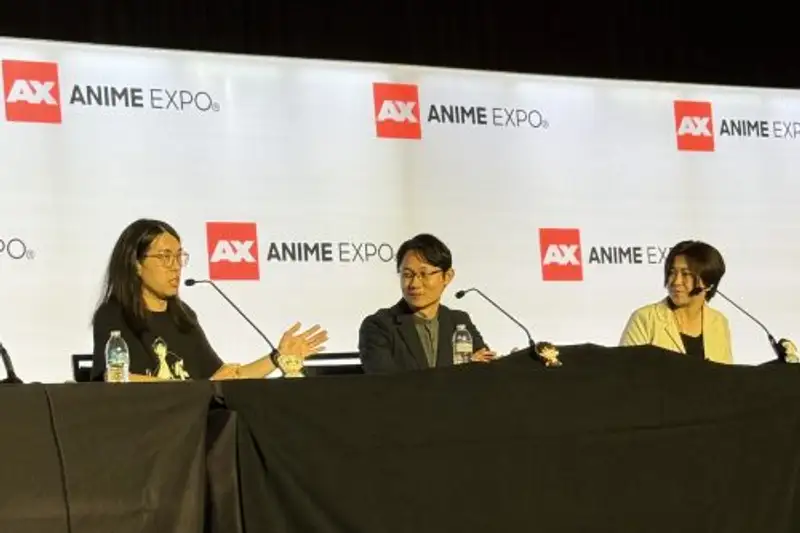
- Director Minoru Ota and Producer Satori Senami presented the world premiere of Kyoto Animation's new original series 'Sparks of Tomorrow' at Anime Expo 2026.
- Set in an alternate-history steam-powered Kyoto, the story follows protagonists Kihachi and Inako searching for the mysterious 20th Century Electrical Catalog to reclaim lost hope.
- The art team developed custom digital brush libraries inspired by Impressionist painting, crafting 80% of background artwork digitally while maintaining traditional analog art...
When Kyoto Animation took the stage inside a packed ballroom at Anime Expo 2026, the atmosphere carried both eager anticipation and genuine curiosity from the industry. The acclaimed Japanese animation house, widely revered for its expressive character acting and meticulous visual storytelling, presented the fourth stop of its worldwide premiere tour for Sparks of Tomorrow. Featuring a intriguing blend of steam-powered machinery, alternate-history urban design, and Impressionist fine-art aesthetics, the premiere signaled a confident foray into uncharted creative territory for the studio.
Quick summary
- Director Minoru Ota and Producer Satori Senami presented the world premiere of Kyoto Animation's new original series 'Sparks of Tomorrow' at Anime Expo 2026.
- Set in an alternate-history steam-powered Kyoto, the story follows protagonists Kihachi and Inako searching for the mysterious 20th Century Electrical Catalog to reclaim lost hope.
- The art team developed custom digital brush libraries inspired by Impressionist painting, crafting 80% of background artwork digitally while maintaining traditional analog art instruction for incoming animators.
Why it matters
The premiere of Sparks of Tomorrow marks a pivotal moment in Kyoto Animation's operational and narrative direction. Traditionally recognized for contemporary slice-of-life dramas and high-school settings, the studio is actively diversifying its production portfolio into speculative world-building and sci-fi-infused period drama. Furthermore, partnering with Netflix for a simultaneous global rollout reflects a streamlined international distribution strategy, ensuring that original Japanese IP reaches a non-domestic audience immediately upon release.
Background
The origin of Sparks of Tomorrow stems from Kyoto Animation's internal push to establish a 'New Frontier' in storytelling. Launching the project required navigating unfamiliar creative terrain, as debut director Minoru Ota consciously rejected familiar industry tropes in favor of an original aesthetic vision. Production challenges were present from the outset; understanding and operationalizing Ota's artistic direction required intensive cross-departmental collaboration. Early in production, Episode 1 underwent comprehensive visual overhauls to set the precise artistic standard required for the rest of the series.
Qnews24h insight
Kyoto Animation's structural choice to couple digital efficiency with foundational traditional training offers a compelling framework for contemporary animation pipelines. While digital brush engines produced roughly 80% of the project's complex background art, the studio maintained mandatory analog hand-drawing courses for junior animators. This dual approach ensures that technological acceleration does not erode fundamental artistic discipline. Additionally, permitting a debut director to helm a high-profile original project underscores a willingness to accept creative friction in exchange for narrative freshness.
A Steampunk Kyoto Built on Character Realism
The world of Sparks of Tomorrow takes place in an alternate-history Kyoto where industrial steam technology flourished while other technological advancements abruptly ground to a halt. In this era of social stagnation and widespread despair, the narrative centers on two contrasting leads, Kihachi and Inako, alongside their companions as they embark on a quest to locate the mysterious '20th Century Electrical Catalog'—an artifact believed to hold the key to restoring lost dreams.
Rather than relying on generic steampunk conventions like excessive brass clutter or superficial mechanical gears, Director Minoru Ota and Producer Satori Senami prioritized ground-level authenticity. Environmental features such as exposed steam pipes, industrial pollution, and retrofitted structures were integrated carefully to support daily life rather than distract from character drama. The result is an urban landscape that remains instantly recognizable as historic Kyoto while projecting an undeniable speculative weight.
Thematic Depth and Dynamic Character Relationships
At its core, Sparks of Tomorrow explores personal resilience and human connection. Director Ota framed the lead duo around core philosophical contrasts: Kihachi represents 'doubt' and a surrender to circumstance, whereas Inako embodies steadfast 'belief.' Their interactions with secondary characters—including Yosuke, whose unwavering persistence serves as a foil to Kihachi's resignation, and the charismatic leader Seiroku—propel the narrative forward.
Addressing panel attendees, Ota emphasized that despite the technological backdrop, the story's underlying message is universal. In an era where modern communication tools can paradoxically heighten social isolation, the series highlights the enduring value of face-to-face relationships, empathy, and perseverance. Ota noted that as the season unfolds, the core narrative deepens significantly, particularly from Episode 11 onward.
Artistic Innovation: Impressionist Digital Brushes and Analog Roots
Visually, Sparks of Tomorrow achieves a textured, gritty aesthetic inspired by classic Impressionist painting. To realize this vision across a full television season, Kyoto Animation's background department developed an extensive custom library of digital brushes capable of reproducing realistic, tactile brushstrokes. This digital pipeline accounted for approximately 80% of all background art in the series, enabling consistent execution across varied lighting conditions, night scenes, and atmospheric settings.
Despite this heavy reliance on digital tools, Producer Senami stressed that Kyoto Animation has not abandoned its physical roots. incoming studio artists continue to undergo rigorous training in traditional analog painting before transitioning to digital software. This hybrid methodology preserves the studio's historical artistic identity while meeting the production speeds required by modern broadcast schedules.
Cross-Cultural Musical Collaborations and Netflix Distribution
The panel also highlighted the series' unique musical partnerships, including the creation of its ending theme song by indie artist Ginger Root. Recounting his involvement, Ginger Root revealed that his invitation originated from a direct outreach email from music distributor Bandai. Unlike the series opening theme—which underwent approximately fifteen revision rounds—the ending track was approved on its first submission.
Ginger Root credited this seamless process to Ota's precise creative guidance, which included sending a conceptual painting and written prompt encouraging a futuristic blend of electronic synth and guitar textures. The resulting soundtrack complements the show's blend of nostalgic setting and forward-looking themes. With the series now streaming globally on Netflix, Sparks of Tomorrow stands as a definitive marker of Kyoto Animation's evolving creative ambitions.
Frequently Asked Questions
What is Kyoto Animation's 'Sparks of Tomorrow' about?
Sparks of Tomorrow is an original anime series set in an alternate-history Kyoto driven by steam technology. It follows Kihachi and Inako as they search for the mysterious 20th Century Electrical Catalog to reclaim their lost dreams.
Where can international viewers watch the series?
The series is available for worldwide streaming on Netflix following its premiere tour.
How was the visual style for the backgrounds developed?
The production team created custom digital brush libraries to emulate Impressionist oil paintings, producing 80% of backgrounds digitally while preserving traditional analog art training for new staff.
Who composed the ending theme song for the show?
Musician Ginger Root composed and recorded the ending theme song after receiving creative prompts directly from Director Minoru Ota.
Sources
Information sourced from official panel coverage and event reporting via honeysanime.com.
Why it matters
For global animation fans and industry observers, 'Sparks of Tomorrow' represents a strategic creative evolution for Kyoto Animation. Long celebrated for realistic slice-of-life settings and intimate character studies, the studio is expanding its range into high-concept alternate history and world-building. By combining debut director Minoru Ota's distinct aesthetic with a day-and-date global streaming launch on Netflix, the production demonstrates how legacy studios can modernize artistic workflows and reach worldwide audiences without surrendering their core values of artisanal animation craft.
Background
Prior to bringing its multi-city world premiere tour to Los Angeles for Anime Expo 2026, Kyoto Animation established its global reputation on emotionally resonant titles characterized by soft lighting, fluid character acting, and precise environmental detail. Labeling 'Sparks of Tomorrow' as its 'New Frontier,' the studio undertook significant operational adaptations during development. Because the production introduced an unfamiliar visual style, the team engaged in extensive trial-and-error, including substantial visual revisions on Episode 1 to establish a sustainable aesthetic benchmark across the entire season.
Kyoto Animation's balanced approach to technological modernization offers a pragmatic roadmap for commercial animation studios navigating digital transitions. By producing approximately 80% of environmental artwork using bespoke digital brush sets while preserving traditional hand-drawing for newcomer artist development, the studio preserves core draftsmanship skills while meeting modern production scale. Furthermore, empowering first-time director Minoru Ota to pursue unconventional artistic sensibilities—rather than forcing adherence to established studio templates—reflects a calculated investment in creative renewal that strengthens long-term artistic resilience.
References
Editorial information
The editorial team reviews sources, adds context, and structures stories so readers can understand the news more clearly.
Article from QNEWS24H
Comments
(0)No comments yet. Be the first to share your thoughts.