My Hero Academia Creator Kohei Horikoshi Ventures into Horror with New One-Shot 'Quit Laughing
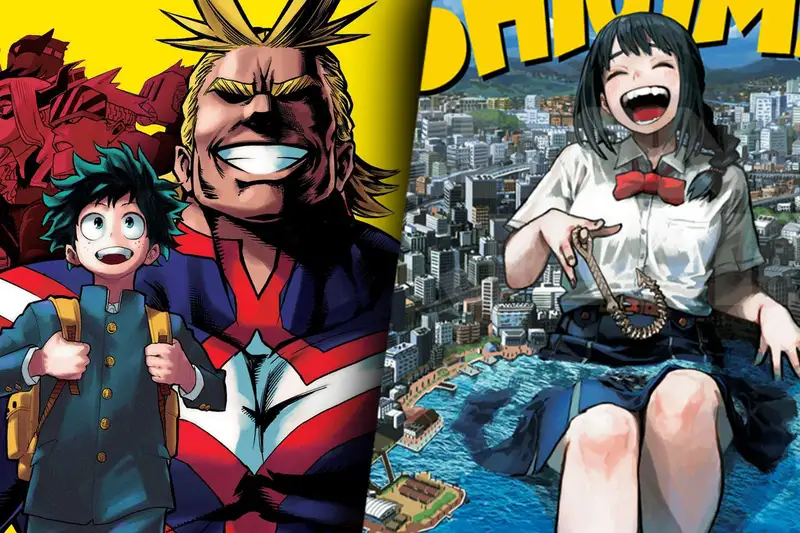
- Kohei Horikoshi, creator of My Hero Academia, released a new horror one-shot, 'Quit Laughing Shijima'.
- The 61-page 'boy-meets-girl horror' story debuted in Weekly Shonen Jump on August 10, also on MANGA Plus.
- It marks Horikoshi's first published work in Weekly Shonen Jump since My Hero Academia concluded in August 2024.
- The narrative hints at a sinister secret within a town where a character named Shijima is widely admired.
Weeks after concluding his globally acclaimed superhero epic, My Hero Academia, mangaka Kohei Horikoshi has surprised fans by delving into a darker genre with the release of his new horror one-shot, 'Quit Laughing Shijima' (Warawanaide yo Shijima-san). The 61-page story, published in Weekly Shonen Jump's combined Issue #37/38 on August 10 in Japan, marks a significant creative pivot for the artist, offering a chilling 'boy-meets-girl horror' narrative now accessible to a worldwide audience via MANGA Plus by Shueisha.
Quick summary
- Kohei Horikoshi, the acclaimed creator of My Hero Academia, has released a new horror one-shot manga titled 'Quit Laughing Shijima.'
- The 61-page story, featuring a center color page, debuted in Weekly Shonen Jump on August 10 and is available digitally on MANGA Plus.
- Described as a 'boy-meets-girl horror' narrative, it centers on a mysterious town and the admired figure of Shijima, concealing a sinister secret.
- This release marks Horikoshi’s first published work in Weekly Shonen Jump since the monumental conclusion of My Hero Academia in August 2024.
Why it matters
The immediate release of a new work following the culmination of a decade-long, globally successful series like My Hero Academia offers crucial insight into Kohei Horikoshi's artistic trajectory. For fans and the manga industry alike, this isn't merely a new story; it’s a declaration of creative intent. It signals Horikoshi's readiness to explore genres beyond the shonen action he mastered, demonstrating his versatility and desire to challenge himself creatively. This quick turnaround, coupled with a genre shift to horror, suggests a mangaka eager to experiment and avoid being typecast. For readers, it provides an exciting new perspective on a beloved creator's storytelling capabilities, offering a fresh experience that deviates sharply from the heroic battles of U.A. High, potentially attracting new segments of the audience who appreciate darker, more psychological narratives.
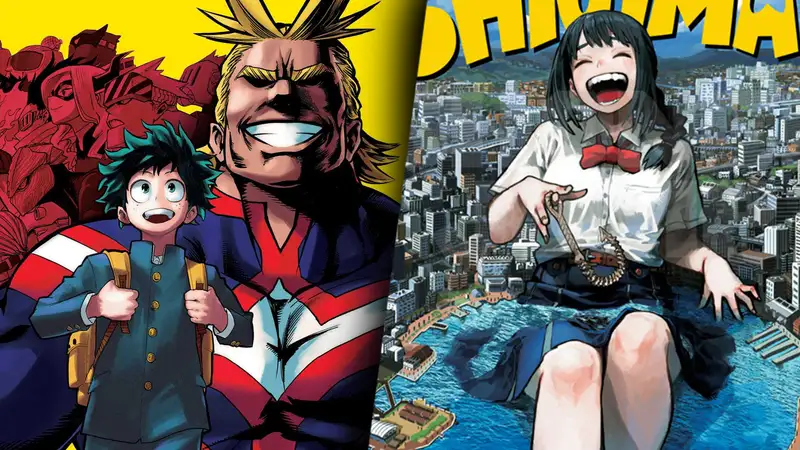
Furthermore, the choice of a one-shot format is significant. One-shots often serve as creative laboratories for mangaka – a space to test new ideas, characters, and stylistic approaches without the long-term commitment of a serial. For Horikoshi, it could be a means to decompress after the immense pressure of concluding My Hero Academia, or perhaps a prelude to a future series, allowing him to gauge reader interest in his horror sensibilities. His return to Weekly Shonen Jump with such a distinct offering also reinforces the magazine's role as a platform for both established legends and emerging talents, continually pushing the boundaries of manga storytelling.
Background
Kohei Horikoshi rose to international prominence with My Hero Academia, a superhero manga that began serialization in Weekly Shonen Jump in 2014. Over its ten-year run, the series blossomed into a global phenomenon, amassing over 100 million copies in circulation worldwide. Its compelling narrative about a world of quirks and heroes inspired multiple anime seasons, feature films, spin-off manga, and video games, solidifying its place as one of the most successful and culturally impactful shonen titles of its era. The series officially concluded in August 2024, leaving a significant void in the magazine's lineup and a legion of fans eager to see what its creator would do next.
Historically, mangaka who complete a massively successful, long-running series often take extended breaks, or transition into supervisory roles. The pressure to follow up a critical and commercial juggernaut is immense. Horikoshi's decision to jump almost immediately back into publication with a completely different genre reflects a distinct creative drive. Prior to My Hero Academia, Horikoshi also authored the short-lived series Sensei no Barrage (2012-2013) and Oumagadoki Zoo (2010-2011) in Weekly Shonen Jump, both showcasing elements of action and quirky character designs that would later be refined in his breakout hit.
The issue of Weekly Shonen Jump in which 'Quit Laughing Shijima' was published also celebrated a milestone: the 50th anniversary of Osamu Akimoto’s beloved comedic police procedural, KochiKame: Tokyo Beat Cops. This commemorative feature included a special article supervised by acclaimed horror novelist Settsu, known for works like About a Certain Place in the Kinki Region and The Mouth Survey. This juxtaposition of a new horror one-shot alongside an anniversary tribute featuring a horror novelist subtly highlights a broader embrace of darker themes within the magazine's traditionally shonen-focused landscape.
Qnews24h insight
Horikoshi's foray into 'boy-meets-girl horror' with 'Quit Laughing Shijima' is more than a simple genre experiment; it's a strategic creative move that redefines expectations for a mangaka fresh off a global hit. While many creators might choose to double down on their proven success or take a lengthy hiatus, Horikoshi has opted for a stark stylistic departure. This suggests a desire to demonstrate a broader narrative range, perhaps even a subtle critique of the pigeonholing that can occur after mastering a particular genre. The specific blend of 'boy-meets-girl' elements within horror hints at a story that might explore interpersonal dynamics, psychological tension, or even a twisted romance, rather than relying solely on jump scares or gore. It speaks to a modern sensibility in horror storytelling, one that values emotional depth and unsettling atmosphere.
Furthermore, this one-shot could serve as a valuable indicator for Shueisha, the publisher. It allows them to gauge public and critical reception to Horikoshi's work outside the superhero framework, potentially influencing his next long-form project. In an industry where creative burnout is a constant concern, providing an avenue for short-form, genre-bending projects allows creators to rejuvenate their artistic spirit while remaining engaged with their audience. It positions Horikoshi not just as 'the My Hero Academia guy,' but as a versatile storyteller capable of crafting compelling narratives across diverse thematic landscapes, a testament to the enduring creative freedom nurtured within platforms like Weekly Shonen Jump.
Sources
- Anime Corner - Quit Laughing Shijima Horror One-Shot by My Hero Academia Creator Kohei Horikoshi Released
- MANGA Plus by Shueisha Official Website
FAQ
What is Kohei Horikoshi's new manga, 'Quit Laughing Shijima,' about?
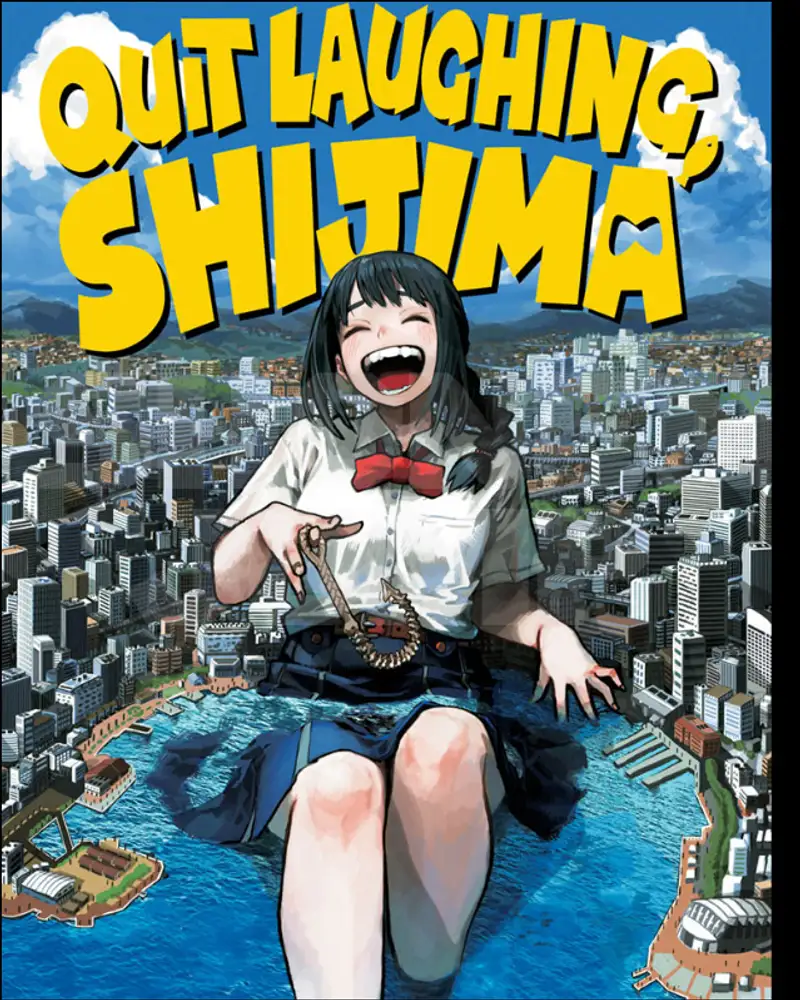
'Quit Laughing Shijima' is a 61-page horror one-shot described as a 'boy-meets-girl horror' story. The synopsis provided by VIZ suggests it revolves around a strange town where everyone admires a character named Shijima, but a sinister secret lies beneath the surface.
Is 'Quit Laughing Shijima' a new ongoing series by the creator of My Hero Academia?
No, 'Quit Laughing Shijima' is a one-shot manga, meaning it is a complete, standalone story published in a single issue. It is not currently planned as an ongoing series, though its reception could potentially influence future projects by Kohei Horikoshi.
Where can I read 'Quit Laughing Shijima'?
The one-shot was published in Weekly Shonen Jump's combined Issue #37/38, which went on sale in Japan on August 10. It is also officially available to read internationally on the MANGA Plus by Shueisha website and app, often with simultaneous release in English and other languages.
How does 'Quit Laughing Shijima' compare to 'My Hero Academia'?
'Quit Laughing Shijima' represents a significant genre shift for Kohei Horikoshi, moving from the superhero action and adventure of 'My Hero Academia' to a horror narrative. While 'My Hero Academia' focused on heroism, superpowers, and epic battles, 'Quit Laughing Shijima' delves into suspense, mystery, and potentially psychological terror, showcasing Horikoshi's versatility as a storyteller and artist. Fans may notice stylistic elements, but the thematic approach is distinctly different.
Why it matters
This release is significant as it immediately follows the conclusion of Kohei Horikoshi's global phenomenon, My Hero Academia, signaling his immediate creative direction. It demonstrates his versatility beyond shonen action by exploring the horror genre in a one-shot format, which could serve as a creative laboratory for future projects or a break from long-term commitment. For readers, it offers a fresh, unexpected look at a celebrated mangaka's storytelling range, potentially attracting new audiences interested in darker narratives and reinforcing Weekly Shonen Jump's role as a platform for diverse talent.
Background
Kohei Horikoshi gained immense international fame with My Hero Academia, which ran for a decade in Weekly Shonen Jump, culminating in August 2024 with over 100 million copies in circulation and numerous anime adaptations. Following such a monumental series, creators typically take extended breaks or continue in similar genres. Horikoshi's swift return with a horror one-shot is a notable departure, highlighting a creative drive to explore new thematic territory. The issue of Weekly Shonen Jump also notably celebrated the 50th anniversary of KochiKame: Tokyo Beat Cops, with a horror novelist supervising a feature, contextualizing a broader interest in diverse genres within the publication.
Horikoshi's swift pivot to a 'boy-meets-girl horror' one-shot immediately post-My Hero Academia suggests a conscious effort to challenge creative boundaries and avoid typecasting. This isn't merely a casual project; it's a statement of artistic versatility, demonstrating a willingness to engage with complex, potentially psychological narratives beyond the heroic archetypes he mastered. The one-shot format allows for concentrated experimentation, offering a glimpse into his evolving storytelling sensibilities without the immense pressure of a long-term serialization. It positions him as a mangaka keen on exploring the full spectrum of narrative possibilities, potentially setting a precedent...
References
Editorial information
The editorial team reviews sources, adds context, and structures stories so readers can understand the news more clearly.
Article from QNEWS24H
Comments
(0)No comments yet. Be the first to share your thoughts.