The Rise of Bootleg Knicks Merch: How NYC Street Fashion Outshines Official NBA Gear
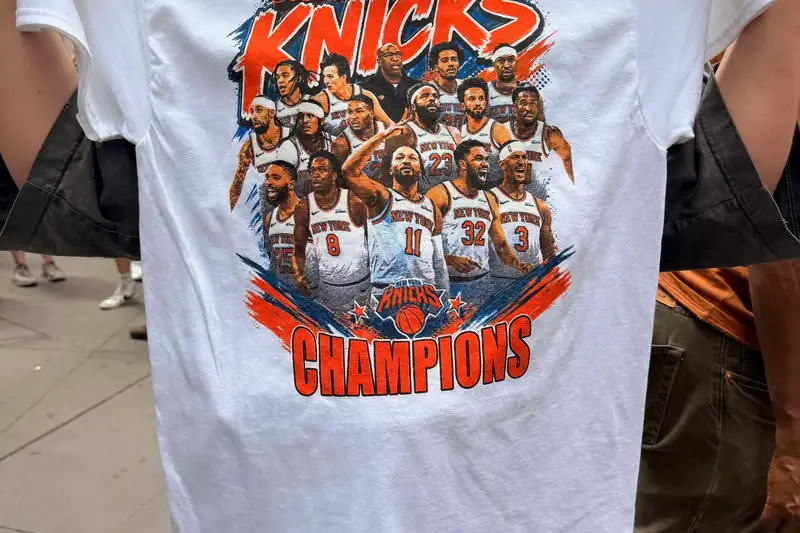
- Street vendors across NYC are seeing unprecedented demand for unlicensed, bootleg Knicks apparel during the 2026 NBA Playoffs.
- Many popular designs humorously crown the Knicks as the 2026 NBA Champions early, despite the series against the Spurs still being active.
- Celebrities like Taylor Swift have embraced the trend, elevating raw street-level bootlegs into highly sought-after cultural fashion statements.
A suffocatingly hot and humid New York summer has done nothing to cool down the white-hot fever sweeping through the five boroughs. The New York Knicks are marching deep into the 2026 NBA Playoffs, and the energy radiating from Madison Square Garden is practically vibrating through the subway grates. Yet, as ticket prices for playoff games skyrocket into the thousands, and official merchandise prices demand luxury-level budgets, everyday New Yorkers are finding communion elsewhere. They are turning to the concrete sidewalks, where a hyper-fast, informal economy of bootleg Knicks merchandise has emerged to define the aesthetic of this historic postseason run.
Quick summary
- A Sidewalk Empire: Street vendors across Manhattan, from the Financial District to Penn Station, are capitalizing on the Knicks' playoff run with rapidly produced, unlicensed apparel that frequently sells out within hours.
- Preemptive Celebrations: Demonstrating the bold optimism of New York sports culture, many bootleg designs are already declaring the Knicks "2026 NBA Champions" despite the series against the San Antonio Spurs still being underway.
- From Streets to Elite: The appeal of these DIY designs has bypassed traditional class barriers, with high-profile celebrities like Taylor Swift spotted wearing parody-style Knicks apparel, validating bootlegs as legitimate street fashion.
Why it matters
The explosion of bootleg Knicks merchandise highlights a growing tension in modern professional sports: the gentrification of the fan experience. As major leagues like the NBA increasingly cater to corporate sponsors and high-net-worth individuals, the average local fan is priced out of both the stadium seats and the official team store. In this ecosystem, bootleg apparel acts as a cultural equalizer. It is cheap, highly accessible, and deeply tied to the community. Furthermore, the aesthetic preference for slightly flawed, highly creative bootlegs over mass-produced, sterile official gear shows a major shift in consumer tastes toward authenticity and localized humor.
Background
New York City has a legendary, decades-long relationship with bootleg culture. From the pioneering luxury-parody designs of Dapper Dan in 1980s Harlem to the bustling, counterfeit-laden alleyways of Canal Street, the city has always viewed fashion through a lens of subversive reinterpretation. Historically, sports franchises and major athletic brands have aggressively policed their trademarks, attempting to clear sidewalks of unlicensed T-shirts. However, the speed of digital printing and the decentralization of social-media-driven trends have made it impossible to halt the tide.
During the 2026 playoff run against the San Antonio Spurs—with the Knicks holding a commanding 3-1 lead—this underground industry has reached a fever pitch. Where traditional retail supply chains require weeks or months to design, approve, manufacture, and ship new apparel, street vendors operate on a timeline of mere hours. A viral moment on the court can be transformed into a graphic, printed onto wholesale blank shirts, and sold outside Penn Station before the post-game traffic has even cleared.
The Anatomy of the Sidewalk Haul
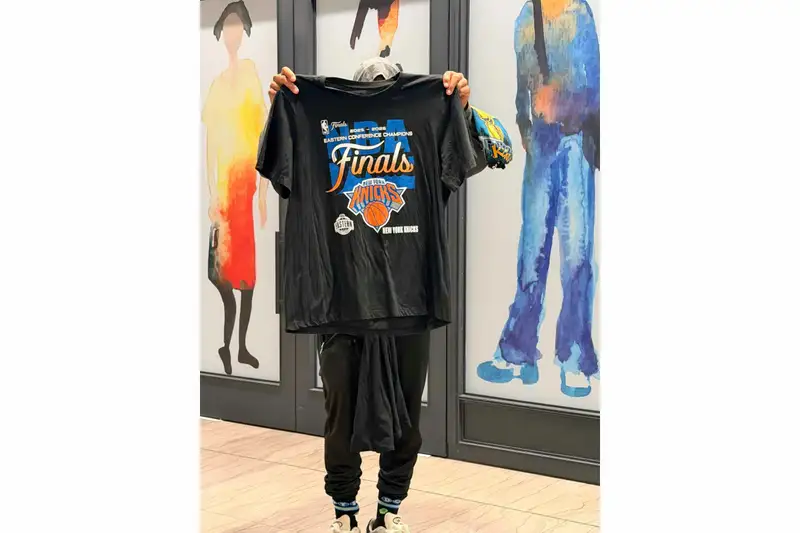
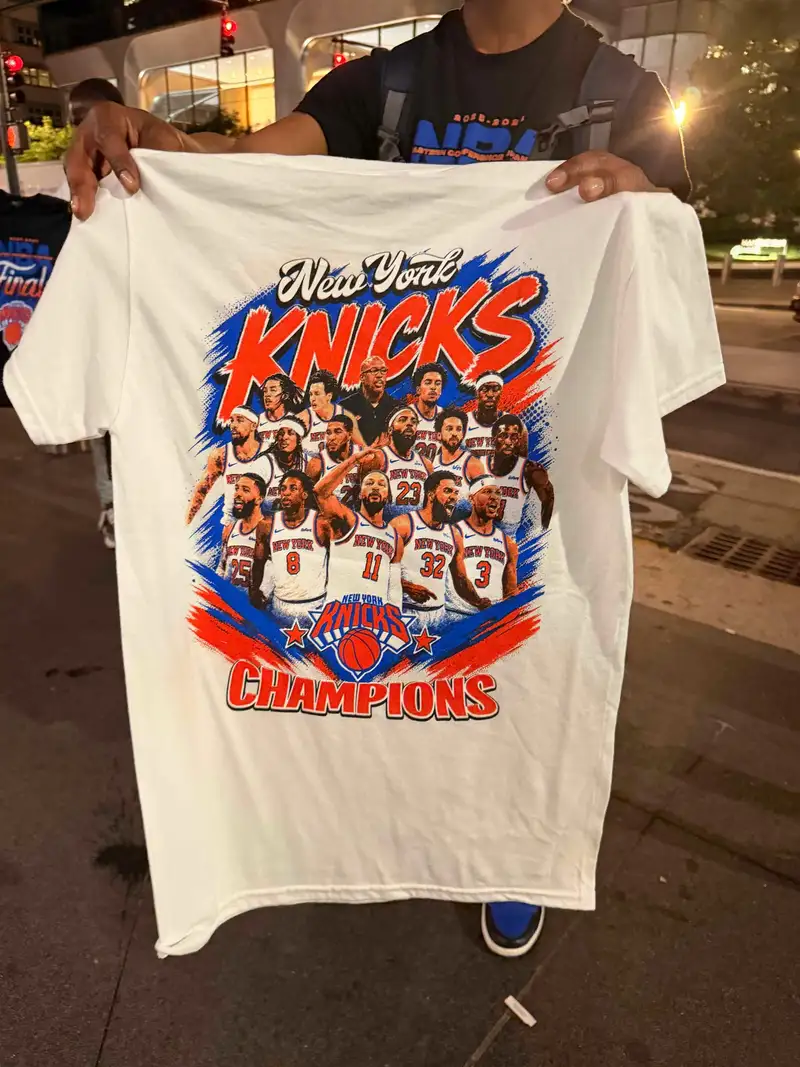
To understand the sheer scale of this phenomenon, one only needs to walk through Manhattan's key transit hubs. In the Financial District, hours before Game 4, tables were stacked high with white and black tees featuring high-clarity prints of the entire Knicks roster. The design boldly proclaimed them as league champions—a premature boast that buyers embraced without hesitation. The vendor reported that all sizes except small and medium had completely sold out to a mix of frantic local commuters and eager tourists.
Further uptown, near the steps of Madison Square Garden, the designs became even more diverse. Shoppers could find everything from vibrant tie-dye patterns to retro-style crewnecks. The raw, sometimes chaotic printing errors of these garments are not seen as defects by buyers; instead, they are badges of authenticity. They prove the wearer was physically there, navigating the chaotic energy of the city during a historic moment.
The Airbrush Revival and Celebrity Validation
It is not just screen-printed graphic tees dominating the landscape. The nostalgic art of custom airbrushing is experiencing a massive renaissance. Local artists are setting up temporary stations across downtown Manhattan, custom-painting blue and orange designs directly onto apparel. This trend has become so dominant that prominent downtown venues are hosting dedicated airbrush parties to celebrate upcoming games.
This street-level energy has trickled all the way up to pop culture’s highest echelon. When Taylor Swift and her entourage attended a game wearing retro, parody-style New York sweaters, it bridged the gap between underground street culture and global pop stardom. It proved that in 2026, the sterile, corporate-approved aesthetic of official sportswear is losing its grip. The true spirit of the city lies in the imperfect, high-energy creations found on the sidewalk.
Qnews24h insight
The modern bootleg is no longer trying to quietly pass as authentic merchandise; it is actively celebrating its own illegitimacy. This marks a profound cultural shift. In previous decades, buying a bootleg shirt was a financial compromise—a cheaper alternative for those who couldn't afford the real thing. Today, wearing an obvious fake is a deliberate style choice.
In the age of sterile corporate consolidation, where companies like Fanatics monopolize sports apparel with highly standardized, often uninspired designs, bootlegs offer the soul, humor, and localized specificity that fans crave. Even if the Knicks were to stumble and fall short of the championship, a premature "2026 NBA Champions" street tee remains an iconic, time-stamped artifact of collective hope. It is fashion as a shared lived experience, something that a corporate merchandise catalog can never truly replicate.
Sources
This report incorporates observations, local street interviews, and fashion commentary originally published by Highsnobiety.
Why it matters
The surge in bootleg merchandise represents a grassroots pushback against the hyper-commercialization of professional sports. With ticket and official apparel prices skyrocketing, unauthorized street fashion democratizes fan participation and provides a creative, community-driven alternative to monopolized sports merchandise.
Background
Historically, major sports leagues and franchises have heavily policed unauthorized merchandise to protect their licensing revenue. However, New York City has a rich, deeply rooted history of creative bootlegging and street fashion. During the Knicks' 2026 playoff run, the speed of local DIY printers and custom airbrush artists has easily outpaced the rigid supply chains of official retail partners, making the street corner the primary destination for timely, culturally relevant gear.
The popularity of bootlegs points to a broader consumer rebellion against sterile, corporate-dominated sports apparel. Consumers are actively choosing raw, imperfect, and humorous sidewalk designs over official gear. In doing so, they are redefining what constitutes 'authentic' fandom, placing community spirit and artistic expression above official corporate trademarks.
References
Editorial information
The editorial team reviews sources, adds context, and structures stories so readers can understand the news more clearly.
Article from QNEWS24H
Comments
(0)No comments yet. Be the first to share your thoughts.