Kingdom Hearts Hits Billion-Dollar Milestone, Underscoring Disney's Gaming Ambitions

- Disney officially announced that its Kingdom Hearts franchise has achieved over $1 billion in retail sales.
- The unique Final Fantasy crossover series is one of nine Disney game properties to surpass this billion-dollar threshold.
- The milestone was disclosed in an investor-focused company article highlighting Disney's strategic expansion in the gaming market.
- Spanning 25 years and 15 mainline games, the success of Kingdom Hearts demonstrates the power of long-term IP cultivation and a dedicated fanbase.
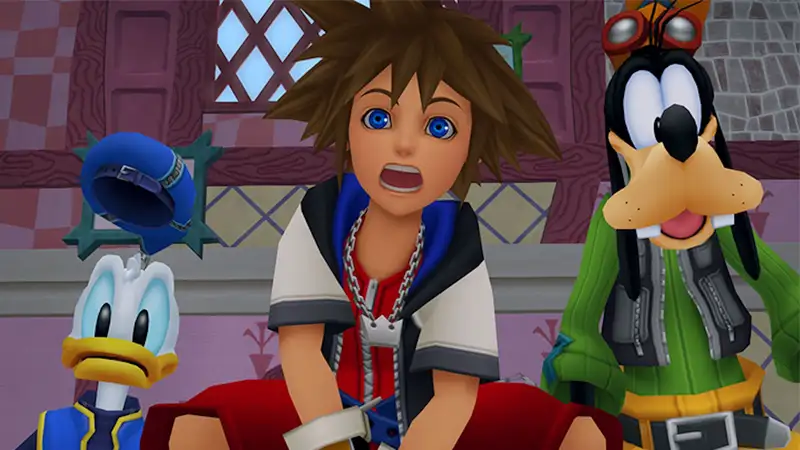
In a surprising but significant announcement for fans and industry observers alike, The Walt Disney Company has revealed that its long-running and distinctively unique Kingdom Hearts franchise has officially surpassed the billion-dollar mark in retail sales. This milestone, detailed in a document aimed at investors, solidifies the enduring appeal and financial success of the genre-bending series that deftly merges beloved Disney characters and worlds with the intricate storytelling and gameplay mechanics of Square Enix's Final Fantasy universe.
Quick summary

- Disney announced Kingdom Hearts has joined its exclusive list of games that have grossed over $1 billion at retail.
- The achievement was highlighted in an investor-focused article detailing Disney's broader strategy and successes in the rapidly expanding gaming sector.
- Sean Shoptaw, Disney's EVP of Games and Digital Entertainment, confirmed that Kingdom Hearts is one of nine such billion-dollar game franchises for the company, including titles like Marvel Strike Force.
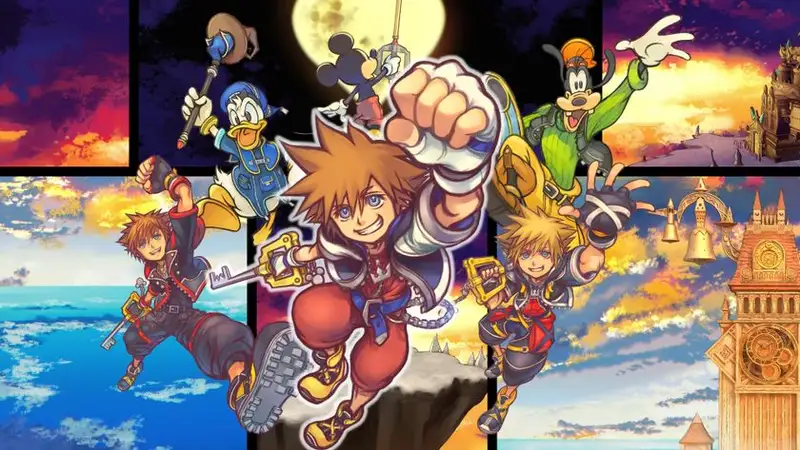
- The Kingdom Hearts series, a collaboration with Square Enix spanning over 25 years and encompassing 15 mainline titles, demonstrates the power of long-term IP cultivation and cross-generational appeal.




Why it matters
This financial milestone for Kingdom Hearts is more than just a number; it serves as a powerful testament to the strategic value of intellectual property (IP) in the global entertainment landscape and Disney's evolving approach to the gaming industry. For gamers, it validates the unique vision and persistent quality of a franchise that, for years, occupied a niche yet passionate space. It signals to publishers that investing in intricate narratives and cultivating a dedicated fanbase over decades can yield substantial, long-term returns, even for games that might not always dominate mainstream headlines.

For Disney, it underscores a deliberate shift toward more direct engagement and strategic partnerships within gaming, moving beyond traditional licensing models. This success, alongside other billion-dollar titles like Marvel Strike Force, reinforces that gaming is a crucial pillar in Disney's multi-faceted monetization strategy, alongside theme parks, films, and streaming services. It highlights the potential for beloved characters and stories to resonate across different interactive mediums, attracting new audiences and deepening engagement with existing ones. The success of a comparatively 'niche' series like Kingdom Hearts, especially when compared to the universal appeal of a Spider-Man film, proves that diverse gaming investments are paying off, signaling confidence in similar future ventures.

Background
The journey of Kingdom Hearts began in 2002 with its inaugural release on the PlayStation 2, emerging from an unlikely brainstorming session between Disney and Square Enix. The concept, blending Disney's whimsical fantasy with the dramatic character design and action RPG elements of Final Fantasy, was initially met with skepticism but quickly garnered a devoted following. Players were drawn to its innovative gameplay, the emotional depth of its original characters like Sora, Riku, and Kairi, and the nostalgic delight of traversing iconic Disney worlds while interacting with their beloved inhabitants.

Over the past quarter-century, the franchise has expanded significantly across various platforms, producing 15 mainline titles, including numerous spin-offs, remasters, and collections that often serve to bridge narrative gaps between major installments. This extensive catalog, coupled with a notoriously complex but captivating storyline, has fostered a remarkably loyal and cross-generational fanbase. The series' development has been marked by long gaps between major numbered entries, with fans often waiting years for the next chapter—a testament to their dedication.
Disney's involvement in gaming has a rich but varied history, dating back to early console games. While it has always licensed its characters extensively, recent years have seen a more concerted effort to strategically develop and publish games that truly leverage its vast IP library. The company's increasingly close relationship with platforms like Epic Games and its recognition of titles like Marvel Rivals for attracting younger audiences (Gen Z) further illustrate this strategic pivot, emphasizing direct digital engagement and long-term franchise development rather than just one-off game releases.
Qnews24h insight
The announcement that Kingdom Hearts has achieved billion-dollar franchise status provides a crucial insight into Disney's evolving perspective on gaming. While the $1 billion figure is impressive, especially for a series with a somewhat cult following and intricate narrative, it's also important to contextualize it within Disney's broader financial landscape. As the source material implicitly notes, this figure, accumulated over 25 years and 15 games, is significantly different from the rapid, multi-billion-dollar theatrical gross of a major film release like a Spider-Man movie. This suggests that Kingdom Hearts represents a success built on enduring engagement and a long tail of sales rather than immediate, explosive blockbusters.

This sustained success highlights the power of cultivating a niche, yet deeply passionate, audience. Unlike some franchises that chase ephemeral trends, Kingdom Hearts has consistently delivered on its unique promise, fostering a community willing to invest years in its convoluted but heartfelt narrative. For Disney, it validates a strategy of diversified IP monetization, demonstrating that not every gaming venture needs to be a universal, mass-market phenomenon to be incredibly valuable. Instead, it shows the strength in unique collaborations and patient, long-term development cycles, even if these lead to significant waits between major releases, as evidenced by the anticipation for Kingdom Hearts 4, which recently saw another trailer following its initial 2022 reveal.

Disney's Broader Gaming Strategy: Beyond Licenses

Disney's journey in the gaming world has been a dynamic one. For decades, the company primarily operated as a licensor, allowing third-party developers to create games based on its films and characters. While this approach yielded numerous titles, from critically acclaimed classics to forgettable tie-ins, it often meant less direct control over quality and strategic direction.

The recent emphasis, however, points to a more hands-on and strategic approach. By recognizing games like Marvel Strike Force and Kingdom Hearts as billion-dollar franchises, Disney is signaling a deeper investment in developing and publishing games that truly embody its brand and expand its narrative universes. This involves nurturing key partnerships, like that with Epic Games for Fortnite Creative, which allows users to build within Disney-themed environments, effectively turning players into co-creators of brand experiences.

The Enduring Appeal of Crossovers and Narratives

The success of Kingdom Hearts also speaks volumes about the power of successful crossovers and compelling narratives in gaming. The series masterfully blends characters from disparate universes—Goofy and Donald Duck fighting alongside Cloud Strife and Squall Leonhart—into a coherent, if complex, mythology. This unique blend taps into both nostalgia for Disney classics and the appeal of epic JRPG storytelling.
Its cross-generational popularity is particularly noteworthy. While many series struggle to maintain relevance across different age groups, Kingdom Hearts resonates with millennials who grew up with its early installments, as well as younger Gen Z players who discover it through repackaged collections or the hype surrounding new releases. This enduring appeal is crucial for long-term franchise health and continued monetization.
What's Next for the Keyblade Wielder?
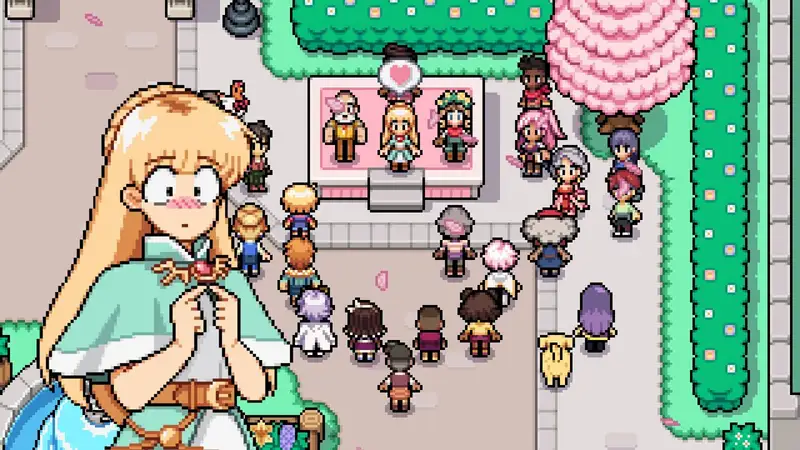
With the franchise firmly established as a financial powerhouse, all eyes are now on the future. The recent release of a new trailer for Kingdom Hearts 4 has reignited fan excitement, offering glimpses into Sora's next adventure. The long development cycles between main entries, while frustrating for some, have also become a hallmark of the series, allowing for meticulous crafting of its expansive worlds and intricate plotlines.
The ongoing success of Kingdom Hearts will likely embolden Disney to explore further synergistic opportunities between its vast IP library and the interactive entertainment space. As Disney's Executive Vice President of Games and Digital Entertainment, Sean Shoptaw, continues to guide the company's gaming strategy, it's clear that the digital realm will play an increasingly vital role in shaping Disney's next chapter. The story of Sora and his allies, born from an unlikely partnership, continues to be a key element in that unfolding narrative.
Sources
FAQ
Q: What does it mean for Kingdom Hearts to be a "billion-dollar franchise"?
A: It means the entire series, encompassing all its game titles and related merchandise sold at retail over its 25-year history, has generated over $1 billion in revenue for The Walt Disney Company and its partners.
Q: How does Kingdom Hearts compare to other Disney gaming franchises?
A: Disney stated that Kingdom Hearts is one of nine games or franchises that have grossed over $1 billion at retail. This places it alongside other successful titles such as the mobile game Marvel Strike Force, demonstrating a diversified portfolio of high-earning digital properties for the company.
Q: What is the significance of this milestone for Disney's overall strategy?
A: This milestone underscores Disney's successful strategy in leveraging its iconic intellectual properties within the gaming sector. It highlights the value of long-term development, strategic partnerships (like with Square Enix), and cultivating a dedicated, cross-generational fanbase, solidifying gaming as a crucial component of Disney's broader entertainment and monetization efforts.
Q: Are there new Kingdom Hearts games in development?
A: Yes, Kingdom Hearts 4 was initially revealed in 2022, and another trailer was released in June, building anticipation for the next major installment in the beloved series.
Why it matters
This achievement for Kingdom Hearts signifies Disney's growing prowess and strategic commitment to the video game industry. It validates their approach to leveraging iconic intellectual properties through unique collaborations and cultivating long-term fan engagement, rather than solely relying on blockbuster film tie-ins. For the gaming market, it highlights the enduring value of narrative-rich, quality titles that can build significant revenue streams over decades, attracting a loyal, cross-generational audience. Investors will see this as evidence of diversified growth potential beyond traditional media, reinforcing the importance of gaming in Disney's future portfolio.
Background
The Kingdom Hearts saga began in 2002 as an ambitious collaboration between The Walt Disney Company and Japanese RPG giant Square Enix (then Square). The original premise—merging the whimsical worlds and characters of Disney with the intricate lore and action-oriented combat of Final Fantasy—was revolutionary. Over the past quarter-century, the franchise has expanded significantly across multiple gaming platforms, releasing approximately 15 mainline titles, including numerous spin-offs and remastered collections. This extensive catalog and its deeply interwoven, often complex, narrative have fostered an incredibly loyal fanbase, eager for each new installment. This long-term dedication has...
While achieving 'billion-dollar franchise' status is a clear victory for Kingdom Hearts and Disney, a cautious editorial analysis reveals nuanced implications. The accumulated revenue over 25 years, across numerous titles, points to a success model built on consistent engagement and sustained sales rather than a singular, explosive launch. This differentiates it from the rapid, multi-billion-dollar success of a major film, as the source subtly notes. The sustained financial performance of a series known for its intricate narrative and at times challenging release schedule underscores the immense value of a deeply committed, cross-generational fanbase. For Disney, it affirms that cultivating...
References
Editorial information
The editorial team reviews sources, adds context, and structures stories so readers can understand the news more clearly.
Article from QNEWS24H
Comments
(0)No comments yet. Be the first to share your thoughts.