Jagex Enacts Zero-Tolerance Policy After Crypto Traders Rig Old School RuneScape Economy
- Speculative cryptocurrency groups attempted to corner the supply of rare Robin Hood Hats in Old School RuneScape to promote an external meme coin.
- The scheme drove in-game trading volume from typical peaks of 1,158 hats to 5,744 per day, causing prices to surge from 730,000 to 1.1 million gold pieces.
- Jagex intervened with a zero-tolerance policy, categorizing crypto-linked in-game speculation as banned Real-World Trading subject to discretionary account bans.
When speculative digital assets exhaust conventional trading venues, their architects frequently scour alternative ecosystems for liquidity and publicity—and in September, that hunt collided directly with the medieval fantasy world of Gielinor. British developer Jagex was forced to draw an unyielding line in the sand after cryptocurrency operators engineered an aggressive market squeeze inside Old School RuneScape (OSRS), using the game’s player-driven Grand Exchange to pump an off-chain meme coin.
Quick summary
- Cryptocurrency operators tied a meme coin to Old School RuneScape items, hoarding thousands of rare Robin Hood Hats to artificially constrain supply and generate on-chain trading momentum.
- In-game trade volumes for the hats skyrocketed from normal daily peaks of roughly 1,150 units to more than 5,700, forcing prices from 730,000 gold pieces to 1.1 million GP within nine days.
- Jagex issued a sweeping zero-tolerance policy against crypto manipulation, categorizing external token tracking and speculative hoarding as banned Real-World Trading (RWT) subject to discretionary account bans.
Why it matters
Virtual game worlds operate on delicately balanced internal economies where utility, prestige, and player time determine value. When outside financial instruments attempt to financialize these ecosystems, the foundational contract between developer and player breaks down. For developers across the MMO sector, Jagex’s swift intervention underscores an accelerating threat: decentralized finance groups using gaming mechanics as promotional stages for tokens, disrupting native economies without bearing any game-world accountability.
The Anatomy of an In-Game Short Squeeze
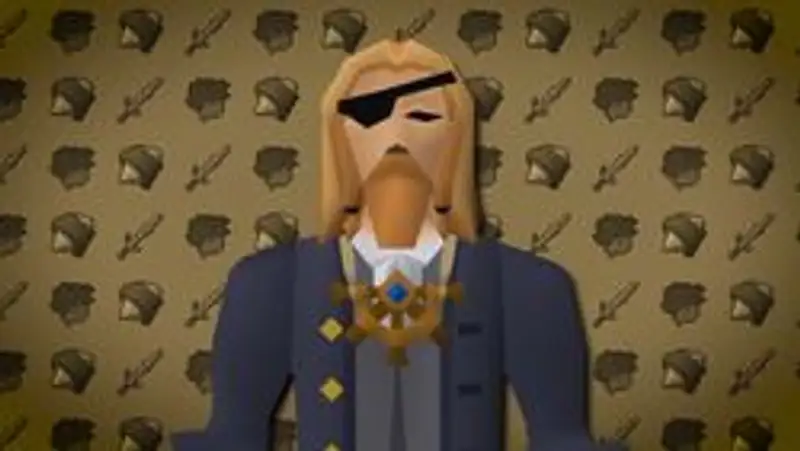
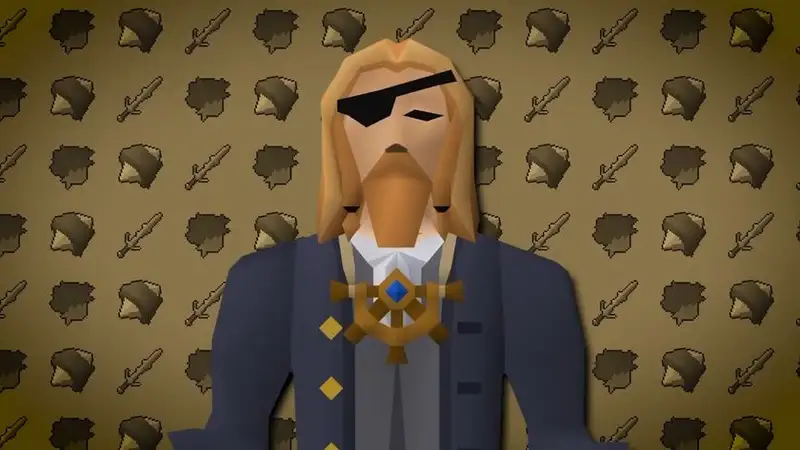
The target of this peculiar financial engineering was the Robin Hood Hat, a legacy piece of ranger vanity headgear introduced during the early eras of RuneScape. Unlike common monster drops or craftable gear, Robin Hood Hats are obtainable exclusively through clue scrolls—procedurally generated scavenger hunts completed across the game world. Because the supply is inherently constrained by the time and luck required to solve these clues, the market float remains modest under standard trading conditions.
Seeing an opportunity in this structural bottleneck, an external speculative outfit known as "Robinhood Alpha" commenced a coordinated buying campaign. Operating an associated meme coin, the syndicate used its treasury to systematically vacuum Robin Hood Hats from the Grand Exchange, attempting to restrict the liquid supply and market a token narrative anchored to virtual commodities.
The impact on the Grand Exchange was immediate and volatile. Within nine days, the baseline price of a Robin Hood Hat leaped from approximately 730,000 gold pieces (GP) to 1.1 million GP. While not an all-time peak for the cosmetic item, it represented the steepest valuation spike recorded in at least six months. More telling was the transactional velocity: daily trade volume, which peaked at 1,158 units in August, exploded to 5,744 in September, with single days frequently tripling baseline liquidity as standard market participants scrambled to trade around the artificial squeeze.
One linked account claimed to have accumulated more than 9,000 hats, attempting to lock up a substantial portion of the item's accessible circulation before the operation unraveled.
Jagex Draws a Zero-Tolerance Line
Rather than treating the incident as an eccentric expression of free-market player merchanting, Jagex recognized the external financial architecture underpinning the activity and acted swiftly. In a formal community notice, the studio articulated a comprehensive ban on any activities connecting in-game commerce to external crypto assets.
"Recently, we've seen cryptocurrencies and meme coins appear that track, trade against, or otherwise attempt to tie themselves to the price or volume of items in our games. We want to be clear about where we stand," Jagex announced. The studio reaffirmed a "zero-tolerance approach" to cryptocurrency schemes designed to exploit the game’s systems.
The developer explicitly categorized the practice under its longstanding Real-World Trading (RWT) prohibitions. Because the underlying motivation for accumulating and trading the items was tied directly to real-world monetary value and off-chain liquidity, Jagex asserted that the scheme violated the core integrity of the title. Crucially, the studio retained sole discretionary power over enforcement, warning that users executing strategies that trigger unintended economic distortions will face account terminations proportionate to suspected intent.
Community Reception and Market Collapse
For the broader Old School RuneScape community, Jagex’s regulatory intervention was met with near-unanimous approval. Veteran players have spent years contending with gold-farming bot rings and black-market currency traders, fostering widespread hostility toward external financialization. Discussion forums quickly celebrated the developer's move, viewing the crackdown as a necessary defense of in-game meritocracy over crypto-fueled intrusion.
The policy announcement simultaneously rendered the hoarders' stockpile functionally illiquid. With Jagex monitoring accounts engaged in coordinated accumulation and threatening bans, attempting to liquidate 9,000 Robin Hood Hats without triggering systemic enforcement mechanisms became virtually impossible. An affiliated social account publicly conceded defeat, noting that ongoing accumulation and profitable off-ramping had become unviable.
Background
Economic integrity has been a central pillar of RuneScape’s identity since its original launch in 2001. Jagex has fought historic battles to preserve internal balance, famously removing open player-to-player trading and the Wilderness in 2007 to combat illicit credit card fraud and black-market gold trading—a drastic measure that fractured the player base before being reversed years later.
The creation of Old School RuneScape in 2013 represented a deliberate return to traditional game design, prioritizing player-driven governance and transparent economic trade through the Grand Exchange. While merchanting clans and high-volume commodity flipping have long existed within the game's internal rules, they were bound by in-game currency. The contemporary rise of Web3 speculative tokens introduced an unprecedented dynamic: third parties attempting to financialize game assets without developer consent, utilizing public in-game trade telemetry to power external speculative vehicles.
Qnews24h insight
The Robin Hood Hat incident exposes a fundamental structural tension between closed virtual worlds and external speculative markets. Traditional MMORPG economies are carefully calibrated closed loops designed to provide entertainment, escapism, and social hierarchy. By contrast, speculative crypto meme coins thrive on narrative volatility, liquidity trapping, and external off-ramping.
By invoking absolute editorial and operational discretion, Jagex has established an important precedent for gaming studios operating large-scale digital economies. Game operators cannot afford to treat predatory financial experiments as ordinary player emergent gameplay. When developers permit outside capital to dictate in-game rarity and access, they surrender control of their design balance. Jagex’s decisive repudiation illustrates that the most effective defense against Web3 encroachment into legacy games is not technological containment, but unambiguous regulatory intervention backed by aggressive account enforcement.
Sources
- GamesRadar+: "Crypto traders rigged the market of classic MMO Old School RuneScape, so its developers came out with a 'zero-tolerance' policy on market manipulation"
- Jagex Official Player Security & Economy Statement (Old School RuneScape Official Blog)









Why it matters
The intervention sets a clear operational boundary for game developers combating external speculative financialization, protecting delicate virtual economies and player time from off-chain predatory trading schemes.
Background
Old School RuneScape operates a complex player-driven market that has historically fought illicit gold selling and merchant clan manipulation. The emergence of Web3 meme coins using public Grand Exchange pricing data represents a novel effort to siphon game liquidity into real-world crypto markets.
Jagex's decisive categorization of crypto-tracking mechanisms as Real-World Trading proves that developer sovereignty and discretionary administrative enforcement remain the only functional barrier against the unwanted financialization of legacy virtual worlds.
References
Editorial information
The editorial team reviews sources, adds context, and structures stories so readers can understand the news more clearly.
Article from QNEWS24H
Comments
(0)No comments yet. Be the first to share your thoughts.