iPhone Air 2 Rumored to Gain Dual Cameras for Early 2027 Launch, Addressing Past Setbacks
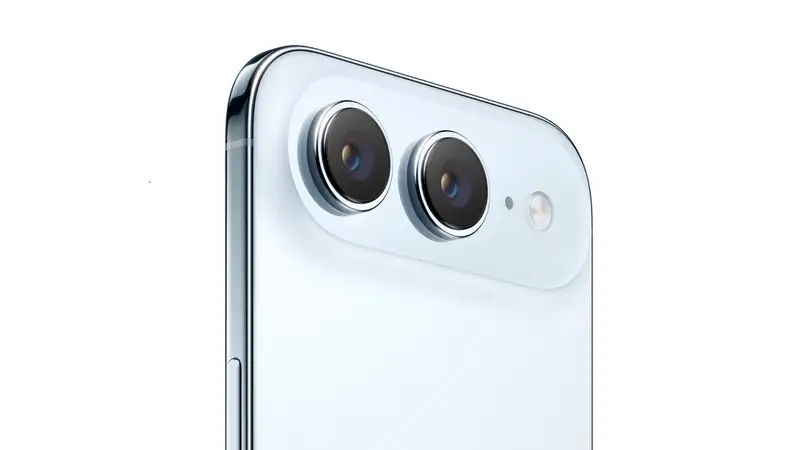
- Apple's second-generation iPhone Air (V62) is rumored to feature a dual-rear camera system, including an ultra-wide lens, addressing a key criticism of its predecessor.
- The updated device, codenamed V62, is expected to launch in early 2027 and will reportedly be powered by a more efficient 2nm A20 chip.
- This strategic camera upgrade comes after the first-generation iPhone Air faced unexpectedly low sales and significant production cuts due to user dissatisfaction with its single...
- The new iPhone Air 2 is anticipated alongside standard iPhone 18 and 18e models in early 2027, distinct from the expected September 2026 launch of the iPhone 18 Pro series.
In the fiercely competitive smartphone arena, even tech giants like Apple face the challenge of responding swiftly to market feedback. The debut of the original iPhone Air was met with an underwhelming reception, primarily due to its single rear camera. Now, whispers from within Apple's development circles suggest a significant course correction: the second-generation iPhone Air is poised to launch with a dual-camera system, a strategic move designed to boost its appeal and reclaim a foothold in the premium market segment.
Quick summary
- Apple's second-generation iPhone Air, internally codenamed V62, is reportedly in advanced testing and set to feature a dual-rear camera system, including an ultra-wide lens.
- This camera upgrade is a direct response to widespread criticism and low sales of the first-generation iPhone Air, which was hampered by its single 12 MP camera.
- The upcoming model is expected to be powered by a more efficient 2nm A20 chip and is slated for an early 2027 launch.
- The iPhone Air 2 will reportedly debut alongside the standard iPhone 18 and iPhone 18e, while the higher-end iPhone 18 Pro models are anticipated earlier, in September of the current year.
Why it matters
This rumored development for the iPhone Air 2 carries substantial implications for Apple's product strategy and market positioning. For consumers, it signifies Apple's attentiveness to user feedback, especially concerning a critical feature like camera performance, which has become a primary differentiator in modern smartphones. The inclusion of a second lens, likely an ultra-wide, enhances photographic versatility, bringing the Air model more in line with what users expect from a premium Apple device.
From an industry perspective, it illustrates the cutthroat nature of the high-end smartphone market. Apple cannot afford to release a premium-priced device that skimps on essential features, even in pursuit of design minimalism. The struggles of the first iPhone Air underscored this, demonstrating that thinness alone isn't enough to drive demand if core functionalities are compromised. This strategic pivot could revitalize the 'Air' designation, positioning it as a distinct, ultra-thin premium offering that no longer compromises on photographic capabilities, potentially expanding Apple's market share in the luxury device segment.
Furthermore, the integration of a 2nm A20 chip suggests a future-proofing effort, promising enhanced processing power and improved energy efficiency. This is crucial for maintaining Apple's leadership in performance and battery life, two areas where consumers consistently place high value. The success or failure of the iPhone Air 2 will offer valuable insights into Apple's ability to innovate within design constraints while meeting escalating user expectations.
Background
The journey of the iPhone Air began with considerable anticipation, yet its initial market performance proved challenging. Launched as a distinct, ultra-thin variant, the first-generation iPhone Air aimed to carve out a niche for users prioritizing sleek design and minimal form factor. However, a significant design choice—the inclusion of only a single 12-megapixel rear camera—became its Achilles' heel.
This decision notably placed the iPhone Air at a disadvantage compared to even less expensive models within Apple's own lineup, such as the iPhone 17, which already featured a dual-camera setup. Higher-end models like the iPhone 17 Pro and Pro Max boasted triple-lens systems, further highlighting the original Air's photographic limitations. User feedback, widely reported by analysts like Gurman, consistently pointed to the camera as the primary complaint, dampening enthusiasm for the otherwise elegantly designed device.
The market's reaction was swift and unequivocal. Reports from KeyBanc Capital Markets in early April indicated 'nearly no demand' for the device. Renowned supply chain analyst Ming-Chi Kuo revealed that Apple had drastically cut initial production by over 80% shortly after its release. By October 2025, manufacturing partner Luxshare had reportedly ceased assembly entirely, signaling a significant setback for the new product line. Despite this lukewarm reception, Apple's commitment to the 'Air' concept remained, with rumors circulating as early as November 2025 (via The Information) about a delayed launch for the second generation to address customer feedback, specifically concerning camera enhancements. The current development of the iPhone Air 2, now entering advanced testing, is a direct result of these earlier struggles and Apple's determination to learn from past missteps.
Qnews24h insight
Apple's strategic re-evaluation of the iPhone Air line underscores a critical lesson in product development: even a premium brand cannot rely solely on design aesthetics at the expense of core functionality. The initial iPhone Air, while achieving remarkable thinness, misjudged the modern consumer's non-negotiable demand for advanced camera capabilities. This upcoming second iteration, with its rumored dual-camera system, represents not just an incremental update, but a significant course correction and a testament to Apple's adaptive product strategy.
The decision to equip the iPhone Air 2 with an A20 chip, manufactured on an advanced 2nm process, further reveals Apple's dual focus on performance and efficiency, critical for a slim form factor that might have battery constraints. This simultaneous push for photographic prowess and cutting-edge processing power suggests Apple is attempting to create a truly uncompromised ultra-thin device. The staggered launch timeline, with the iPhone Air 2, standard iPhone 18, and 18e arriving in early 2027, separate from the expected September 2026 debut of the iPhone 18 Pro models, hints at a refined product segmentation strategy. This approach allows Apple to manage expectations and marketing narratives for different tiers, ensuring each new device has its moment while clearly defining its target audience. It reflects a cautious but determined effort to revive a product line that initially struggled to meet the high bar set by the Cupertino giant.
Refining the Ultra-Thin Experience: Beyond Just Design
The addition of a second rear camera, specifically an ultra-wide lens, to the iPhone Air 2 is more than just a specification bump; it's a recalibration of value. The original iPhone Air, despite its sleek profile, offered a photography experience inferior to even more affordable siblings. This created a jarring disconnect for users expecting premium features across the board from an Apple device, regardless of its primary design philosophy.
By integrating the ultra-wide capability, the iPhone Air 2 would finally offer the photographic versatility that has become standard across most contemporary premium smartphones. This allows for more dynamic landscape shots, group photos, and architectural photography, significantly broadening its appeal. This upgrade is crucial for a product that aims to command a premium price point, demonstrating that Apple is not willing to sacrifice utility for form.
Powering the Next Generation: The 2nm A20 Chip
Beyond the external design and camera improvements, the rumored inclusion of the A20 chip, fabricated on a leading-edge 2nm process, promises substantial internal enhancements. A smaller manufacturing process node typically translates to higher transistor density, enabling more powerful performance within the same or smaller physical footprint, and crucially, greater energy efficiency.
For a device like the iPhone Air, where battery capacity might be constrained by its thin chassis, power efficiency is paramount. The A20 chip could deliver significant gains in battery life, allowing users to enjoy the device's advanced features for longer without needing frequent recharges. This combination of enhanced processing power and improved efficiency would cement the iPhone Air 2's position as a top-tier performer, capable of handling demanding applications and multitasking with ease, while maintaining its signature slim profile.
Strategic Timing: A Refined Product Launch Cycle
The proposed launch schedule for the iPhone Air 2 in early 2027, alongside the standard iPhone 18 and 18e, suggests a strategic shift in Apple's product release calendar. Traditionally, flagship iPhone models have debuted in September. This new timing could allow the iPhone Air 2 to have its own dedicated launch window, avoiding direct competition with the more established Pro series, which are still expected in September of the preceding year (likely 2026 for the iPhone 18 Pro models).
This staggered release strategy could enable Apple to focus its marketing efforts more precisely on each product line, giving the iPhone Air 2 the spotlight it needs to reintroduce itself to the market. It also provides a clear differentiation within Apple's portfolio, allowing consumers to choose between the cutting-edge Pro models with their bleeding-edge features and the Air series, which aims for a balance of premium design, essential features, and top-tier performance in a lighter, thinner package. This calculated approach reflects Apple's ongoing efforts to optimize its product lifecycle and segment its offerings effectively to cater to a diverse range of consumer preferences.
Sources
- znews.vn
- Bloomberg (Gurman)
- The Information
- KeyBanc Capital Markets
- Ming-Chi Kuo
FAQ
What are the key rumored upgrades for the iPhone Air 2?
The iPhone Air 2 is expected to feature a dual-rear camera system, including an ultra-wide lens, to address past criticisms. It's also rumored to be powered by Apple's new 2nm A20 chip for improved performance and energy efficiency.
When is the iPhone Air 2 expected to be released?
Current rumors suggest an early 2027 launch for the iPhone Air 2. This timing would place its release alongside the standard iPhone 18 and iPhone 18e models.
Why did the first-generation iPhone Air struggle in the market?
The original iPhone Air reportedly faced low demand and significant production cuts primarily due to its single rear camera, which was seen as a major drawback compared to other iPhone models and competitors offering multi-lens setups.
How will the dual-camera system benefit users?
The addition of a second camera, likely an ultra-wide lens, will provide users with greater photographic versatility. It will allow for capturing broader landscapes, group photos, and more dynamic shots, bringing the iPhone Air's imaging capabilities closer to what's expected from a premium smartphone.
What is the significance of the 2nm A20 chip?
The 2nm A20 chip is expected to offer substantial improvements in processing power and energy efficiency. For a thin device like the iPhone Air, this means better overall performance, smoother multitasking, and potentially extended battery life, crucial for a premium user experience.



Why it matters
This rumored development for the iPhone Air 2 carries substantial implications for Apple's product strategy and market positioning. For consumers, it signifies Apple's attentiveness to user feedback, especially concerning a critical feature like camera performance, which has become a primary differentiator in modern smartphones. The inclusion of a second lens, likely an ultra-wide, enhances photographic versatility, bringing the Air model more in line with what users expect from a premium Apple device. From an industry perspective, it illustrates the cutthroat nature of the high-end smartphone market. Apple cannot afford to release a premium-priced device that skimps on essential features,...
Background
The journey of the iPhone Air began with considerable anticipation, yet its initial market performance proved challenging. Launched as a distinct, ultra-thin variant, the first-generation iPhone Air aimed to carve out a niche for users prioritizing sleek design and minimal form factor. However, a significant design choice—the inclusion of only a single 12-megapixel rear camera—became its Achilles' heel. This decision notably placed the iPhone Air at a disadvantage compared to even less expensive models within Apple's own lineup, such as the iPhone 17, which already featured a dual-camera setup. Higher-end models like the iPhone 17 Pro and Pro Max boasted triple-lens systems, further...
Apple's strategic re-evaluation of the iPhone Air line underscores a critical lesson in product development: even a premium brand cannot rely solely on design aesthetics at the expense of core functionality. The initial iPhone Air, while achieving remarkable thinness, misjudged the modern consumer's non-negotiable demand for advanced camera capabilities. This upcoming second iteration, with its rumored dual-camera system, represents not just an incremental update, but a significant course correction and a testament to Apple's adaptive product strategy. The decision to equip the iPhone Air 2 with an A20 chip, manufactured on an advanced 2nm process, further reveals Apple's dual focus on...
References
- 1.iPhone Air 2 sẽ trang bị 2 camera sau | Znews.vn
- 2.Bloomberg (Gurman)
- 3.The Information
- 4.KeyBanc Capital Markets
- 5.Ming-Chi Kuo
- 6.znews.vn
Editorial information
The editorial team reviews sources, adds context, and structures stories so readers can understand the news more clearly.
Article from QNEWS24H
Comments
(0)No comments yet. Be the first to share your thoughts.