iPhone 18 Pro Max Leaks: Advanced Variable Aperture, A20 Pro Chip, and a Steep Price Hike
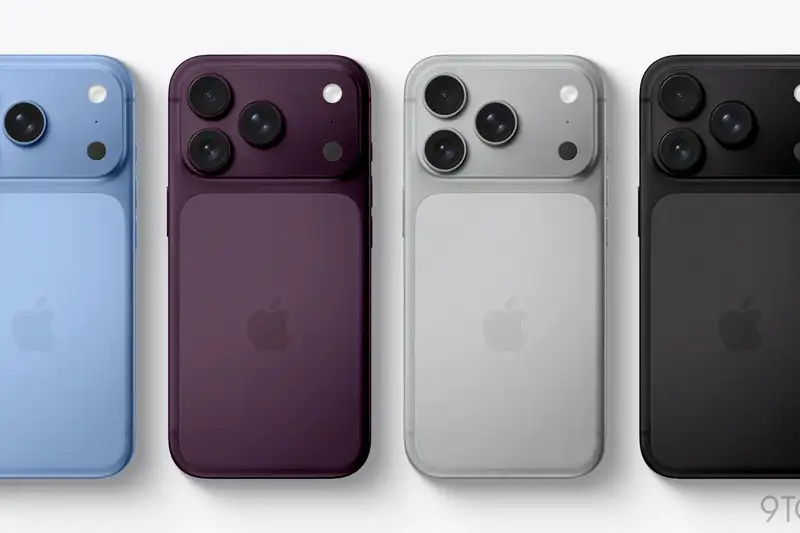
- The iPhone 18 Pro and Pro Max will keep their 6.3-inch and 6.9-inch display sizes, but will feature a 35% smaller Dynamic Island and energy-efficient LTPO+ display panels.
- Apple is planning to introduce a mechanical variable aperture to the main camera, offering professional-grade light control and natural optical bokeh.
- The upcoming A20 Pro processor will use advanced Wafer-Level Multi-Chip Module (WMCM) packaging to place memory closer to the SoC for accelerated AI processing.
- Due to escalating component and memory costs, reports suggest Apple may increase the price of the Pro lineup by up to $200.
The premium smartphone market is bracing for a significant shakeup as detailed leaks surrounding Apple's upcoming iPhone 18 Pro Max begin to paint a clear picture of the company's next-generation flagship. While Apple remains characteristically silent ahead of its traditional autumn hardware showcase, supply chain indicators and industry analysts point to a device that represents a major technical leap forward. From pioneering chip-packaging technologies aimed at accelerating on-device artificial intelligence to a long-awaited physical camera upgrade, the iPhone 18 Pro Max is shaping up to be an ambitious—and potentially much more expensive—iteration of Apple's flagship silicon.
Quick summary
- Display Refinements: The iPhone 18 Pro and Pro Max will maintain their respective 6.3-inch and 6.9-inch screens, but will introduce a 35% smaller Dynamic Island alongside highly efficient LTPO+ panel technology.
- Advanced Optics: A rumored variable aperture system on the primary camera will allow the lens to physical adjust light intake, delivering superior low-light performance and natural depth-of-field.
- AI-Optimized Architecture: The next-generation A20 Pro processor will reportedly employ Wafer-Level Multi-Chip Module (WMCM) packaging, positioning RAM closer to the silicon to optimize Apple Intelligence.
- Market Adjustments: Due to skyrocketing component and high-density memory costs, industry analysts predict a retail price hike of up to $200 for both premium models.

Why it matters
The rumored specifications for the iPhone 18 Pro Max signal a fundamental shift in how Apple designs its flagship hardware. For years, the smartphone industry has relied heavily on computational photography to simulate optical depth and compensate for tiny camera sensors. By introducing a physical variable aperture, Apple is bridging the gap between mobile devices and professional mirrorless cameras, giving photographers true mechanical control over their exposure and bokeh.
Furthermore, the integration of Wafer-Level Multi-Chip Module (WMCM) packaging highlights the intensifying hardware demands of generative artificial intelligence. On-device LLMs (Large Language Models) require massive memory bandwidth. By physically moving memory closer to the central processing unit, Apple is signaling that AI is no longer just a software layer, but a structural driver of silicon architecture. However, these cutting-edge innovations come with a harsh consumer trade-off: a substantial price increase that could test brand loyalty in an economically cautious global market.
Background
To understand the significance of these rumored upgrades, it is helpful to look at Apple’s hardware trajectory over the last few product cycles. The Dynamic Island, which replaced the criticized display "notch," debuted with the iPhone 14 Pro in 2022. While it successfully blended software utility with hardware constraints, its physical footprint has remained unchanged for multiple generations. A 35% reduction in size represents the first major structural shrinkage of this interface, bringing Apple one step closer to its long-term vision of an uninterrupted, fully under-display sensor array.
Similarly, Apple's silicon development has faced physical scaling challenges. With the introduction of the 3-nanometer node, simple transistor density increases have become incredibly expensive. This bottleneck forced the industry to explore advanced backend packaging technologies. In previous models, memory constraints restricted the deployment of Apple Intelligence, leaving older models with less than 8GB of RAM unable to run local AI models. The transition to the A20 Pro and WMCM architecture is a direct response to this bottleneck, ensuring future-proof bandwidth for complex local machine learning tasks.
Detailed Specifications and Rumored Upgrades
A Shrunk Dynamic Island and LTPO+ Displays

According to supply chain leaks, the physical footprints of the iPhone 18 Pro and iPhone 18 Pro Max displays are set to remain at 6.3 inches and 6.9 inches, respectively. However, the visual experience will feel substantially more expansive. Apple has reportedly managed to shrink the TrueDepth camera and Face ID sensor housing—collectively known as the Dynamic Island—by approximately 35%.
To complement this design change, Apple is expected to debut LTPO+ (Low-Temperature Polycrystalline Oxide) display panels. This next-generation backplane technology offers even more granular control over variable refresh rates, significantly lowering parasitic power consumption when the screen is idle or displaying static content. The result is expected to be a noticeable bump in overall battery life without necessitating a heavier physical battery pack.
The Move to Variable Aperture Cameras
Perhaps the most exciting upgrade for mobile enthusiasts is the inclusion of a mechanical variable aperture on the main camera. Traditional smartphones utilize a fixed aperture, meaning the physical opening of the lens cannot change to let in more or less light. To compensate, software algorithms artificially brighten dark images or blur backgrounds.
With a variable aperture, the iPhone 18 Pro Max will be able to narrow its aperture in bright environments to maximize sharpness and depth of field, or open it wide in low-light scenarios to pull in maximum ambient light. This physical adjustment creates a genuine, organic optical blur (bokeh) that computational portrait modes simply cannot replicate perfectly, particularly around complex edges like hair and glass.
The A20 Pro Chip and WMCM Architecture
Under the hood, the iPhone 18 Pro Max will be powered by the highly anticipated A20 Pro system-on-chip. Rather than relying solely on traditional packaging, Apple is rumored to adopt Wafer-Level Multi-Chip Module (WMCM) packaging. This advanced manufacturing technique integrates multiple silicon dies—such as the CPU, GPU, Neural Engine, and high-speed RAM—into a single, compact module.
By shortening the physical distance that electrical signals must travel between the processor and the memory, WMCM drastically reduces latency and thermal output while boosting data transfer speeds. This architectural leap is crucial for running complex, multi-modal Apple Intelligence models directly on the device, ensuring user privacy and instant offline response times.

The Financial Realities: A $200 Price Hike?
While the hardware upgrades paint a compelling picture, they are accompanied by a sobering economic reality. A recent report from market intelligence firm IDC indicates that the rising costs of raw materials, silicon wafer fabrication, and high-bandwidth memory chips are putting immense pressure on Apple's profit margins.
To offset these rising production costs, Apple is projected to increase the retail price of both the iPhone 18 Pro and iPhone 18 Pro Max by up to $200. If realized, this adjustment would represent one of the steepest single-generation price increases in the product's history, pushing the absolute top-tier models well into the ultra-luxury pricing bracket.
To soften the blow of this price adjustment, Apple reportedly plans to refresh the aesthetic appeal of the lineup by offering four premium, sophisticated color options: Dark Cherry, Light Blue, Silver, and Dark Gray.
Qnews24h insight
The leaked blueprint of the iPhone 18 Pro Max reveals a calculated risk by Apple's executive leadership. As global smartphone replacement cycles lengthen—with consumers now holding onto their devices for an average of three to four years—incumbent manufacturers can no longer rely on minor, iterative updates to drive upgrades. Apple is clearly banking on the belief that consumers will pay a premium for truly transformative hardware features like variable aperture optics and localized, latency-free artificial intelligence.
However, a $200 price hike during a period of macroeconomic uncertainty carries substantial risk. It could inadvertently polarize the smartphone market, pushing cost-conscious consumers toward standard models or competing Android flagships that offer similar computational capabilities at lower entry points. What is certain is that the iPhone 18 Pro Max represents a turning point: it is the moment where artificial intelligence requirements officially began dictating physical silicon and packaging design in consumer handsets.
Sources
Information and technical specifications detailed in this report are compiled from industry leaks and supply chain analysis originally reported by Soha.vn.
Why it matters
The introduction of a variable aperture and WMCM silicon packaging marks a major technological leap. It shows that smartphone design is shifting away from purely software-based solutions (like computational photography and cloud-based AI) toward heavy-duty, highly integrated physical hardware to handle advanced imaging and on-device generative AI. However, this shift comes with a significant consumer hurdle: a predicted $200 price increase.
Background
Historically, Apple's Pro Max series has relied on computational imaging to compensate for fixed lens apertures. Similarly, on-device AI was severely bottlenecked by standard RAM configurations on older models. By moving to LTPO+ displays, shrinking the Dynamic Island (which has remained unchanged since the iPhone 14 Pro), and pioneering WMCM packaging, Apple is solving long-standing physical limitations in both display design and computing architecture.
Apple's strategy with the iPhone 18 Pro Max shows a willingness to trade high sales volume for higher margins by packing the device with cutting-edge, expensive hardware. While the A20 Pro's WMCM architecture and the variable aperture camera are genuine innovations, a $200 price hike in a mature smartphone market could accelerate the trend of consumers holding onto their older devices longer, or push them toward increasingly competitive mid-tier alternatives.
References
Editorial information
The editorial team reviews sources, adds context, and structures stories so readers can understand the news more clearly.
Article from QNEWS24H
Comments
(0)No comments yet. Be the first to share your thoughts.