iOS 27 Targets Persistent Wi-Fi to Cellular Connectivity Frustration

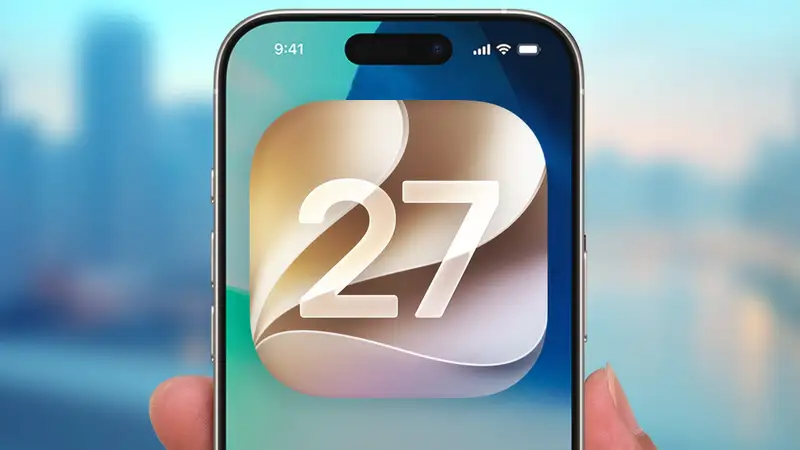
- iOS 27 introduces significant improvements to how iPhones automatically transition between weak Wi-Fi and strong cellular networks.
- This update aims to resolve the common issue of devices clinging to poor Wi-Fi, causing temporary internet outages for users on the move.
- Apple states the new system ensures seamless connectivity, particularly for critical apps like maps and video calls, as part of broader performance enhancements.
- The official release of iOS 27 is expected in autumn, supporting iPhone 11 models and newer, along with the second-generation iPhone SE and later.
Few things are as frustrating as stepping out of your home or office, only for your smartphone to stubbornly cling to a vanishing Wi-Fi signal, leaving you in a temporary digital void. This common scenario, where messaging apps stall and maps fail to load, has been a subtle but persistent annoyance for iPhone users for years. Now, Apple is poised to address this very specific pain point with its upcoming iOS 27 update, promising a more intelligent and seamless transition between wireless and cellular data.
Quick summary
- iOS 27 introduces significant improvements to how iPhones automatically transition between weak Wi-Fi and strong cellular networks.
- This update aims to resolve the common issue of devices clinging to poor Wi-Fi, causing temporary internet outages for users on the move.
- Apple states the new system ensures seamless connectivity, particularly for critical apps like maps and video calls, as part of broader performance enhancements.
- The official release of iOS 27 is expected in autumn, supporting iPhone 11 models and newer, along with the second-generation iPhone SE and later.
Why it matters

This seemingly minor technical refinement carries significant weight for the everyday user experience and Apple's competitive standing. In an increasingly connected world, reliable internet access is no longer a luxury but a fundamental necessity. For commuters, travelers, and anyone moving between Wi-Fi zones, the brief periods of internet disruption caused by poor network switching can be more than just inconvenient; they can disrupt navigation, vital communication, or even contactless payments.
By prioritizing this fix, Apple is not just patching a bug; it's enhancing the core reliability of its devices. This translates directly to improved productivity and reduced frustration for millions. For professionals relying on continuous connectivity for video calls or remote work, or for individuals simply trying to stream music or follow directions, a truly seamless transition means fewer dropped connections and a more fluid digital life. It reinforces the iPhone's reputation as a dependable tool, a critical factor in a saturated smartphone market where user experience often dictates loyalty.
Background
The issue of an iPhone 'sticking' to a weak Wi-Fi signal even when a robust cellular network is available has been a recurring complaint in tech forums and user feedback channels for a considerable period. Users would often find themselves manually toggling Wi-Fi off and on to force a switch to 4G or 5G, indicating a gap in the operating system's automatic network management capabilities. This scenario is particularly prevalent when leaving a building with Wi-Fi coverage, such as a home, office, or airport, where the device struggles to intelligently assess the optimal connection.
Apple's operating system updates typically encompass a wide range of new features, security enhancements, and performance improvements. While headline-grabbing additions often dominate the announcements, the underlying performance and stability tweaks are equally, if not more, crucial for long-term user satisfaction. This particular improvement in iOS 27 aligns with Apple's stated focus on foundational enhancements, aiming to make the entire platform more responsive and robust.
Craig Federighi, Apple's Senior Vice President of Software Engineering, articulated this commitment, stating, "We are making the software platform faster, more reliable, and more fun than ever before." This sentiment underscores a strategic direction to refine the core functionality and responsiveness of iOS, rather than solely focusing on novelties. The upcoming iOS 27 update, which is currently available in beta for developers and public testers, is slated for a full, free release to the public in the autumn, supporting iPhone 11 models and newer, alongside the second-generation iPhone SE and subsequent versions.

Understanding the Seamless Transition
The enhancement in iOS 27 isn't merely about switching from Wi-Fi to cellular; it's about making that transition imperceptible to the user. Apple highlights specific scenarios where this improved 'seamlessness' will be most evident. Imagine navigating with Apple Maps while leaving your home. Previously, you might experience a brief moment where the map struggles to load new directions as your phone hesitates between a dying Wi-Fi signal and the cellular network. With iOS 27, the goal is for the transition to occur so smoothly that your navigation continues without a hitch.
Another example provided by Apple involves making a FaceTime call immediately after disembarking an airplane. Instead of fumbling with connectivity settings or experiencing a dropped call as the phone tries to find a stable network, iOS 27 is engineered to maintain a continuous connection, ensuring your communication remains uninterrupted. This level of proactive and intelligent network management is a significant leap forward, moving beyond reactive switching to predictive optimization based on user context and network availability.
Beyond Connectivity: A Focus on Core Performance
While the improved Wi-Fi to cellular switching is a notable highlight, Apple emphasizes that it is just one component of a broader performance overhaul within iOS 27. The company's engineers have reportedly focused on optimizing numerous common operations and interactions throughout the operating system. This holistic approach suggests a deep dive into the underlying architecture to enhance overall responsiveness and stability.
Such behind-the-scenes refinements are crucial for maintaining the premium feel of Apple devices. As smartphones become increasingly powerful and integral to daily life, users expect instant responses and unwavering reliability. By dedicating resources to these core performance metrics, Apple aims to ensure that iOS remains a fast, dependable, and enjoyable platform, addressing user friction points that might otherwise accumulate over time and detract from the overall experience.
Qnews24h insight
Apple's decision to address a seemingly minor yet widely experienced connectivity frustration with iOS 27 is more than just a bug fix; it's a strategic reaffirmation of the company's commitment to core user experience. In an era where new features often take center stage, refining fundamental aspects like network reliability demonstrates a mature approach to software development. It signals that Apple is listening to long-standing user grievances, even the subtle ones, and is willing to invest in the less glamorous but profoundly impactful areas of performance and stability.
This focus on 'quality of life' improvements is crucial for maintaining user loyalty in a competitive market. A smartphone's true value isn't solely in its processing power or camera megapixels, but in its consistent, seamless execution of everyday tasks. By ensuring that something as basic as internet connectivity is flawless, Apple reinforces the premium, 'just works' perception of its ecosystem, distinguishing itself through an unwavering dedication to user satisfaction in critical, often overlooked, areas.
Sources
FAQ
What is the main problem iOS 27 aims to fix regarding connectivity?
iOS 27 specifically targets the issue where iPhones cling to weak Wi-Fi signals even when a stronger cellular network is available, causing temporary internet outages or slow performance when users move out of Wi-Fi range.
How will iOS 27 improve the Wi-Fi to cellular transition?
Apple states that iOS 27 will feature an improved system capable of intelligently selecting the more suitable connection (Wi-Fi or cellular) and performing a seamless transition. This means data-intensive activities like navigation or video calls should remain uninterrupted during the network switch.
Which iPhone models will support the iOS 27 update?
The iOS 27 update will be available for iPhone 11 models and newer, as well as the second-generation iPhone SE and all subsequent versions. The official release is anticipated in the autumn.
Why it matters
This technical refinement is crucial for enhancing the everyday user experience, ensuring reliable internet access is maintained as users move between locations. It addresses a significant point of frustration, improving productivity for professionals and overall quality of life for all users. By refining core reliability, Apple reinforces its reputation for dependable devices, a key factor in competitive market differentiation and user loyalty.
Background
The problem of iPhones stubbornly holding onto weak Wi-Fi signals has been a consistent user complaint, leading to manual toggling and perceived connectivity issues. This behavior, common when leaving Wi-Fi zones, disrupted navigation and communication. iOS 27's fix aligns with Apple's ongoing commitment to fundamental performance and stability, a strategic focus often championed by executives like Craig Federighi. This particular update is part of a broader push to make iOS faster and more reliable, with beta versions already available ahead of the general release in autumn for iPhone 11 and newer devices.
Apple's decision to address a seemingly minor yet widely experienced connectivity frustration with iOS 27 is more than just a bug fix; it's a strategic reaffirmation of the company's commitment to core user experience. In an era where new features often take center stage, refining fundamental aspects like network reliability demonstrates a mature approach to software development. It signals that Apple is listening to long-standing user grievances, even the subtle ones, and is willing to invest in the less glamorous but profoundly impactful areas of performance and stability.
References
Editorial information
The editorial team reviews sources, adds context, and structures stories so readers can understand the news more clearly.
Article from QNEWS24H
Comments
(0)No comments yet. Be the first to share your thoughts.