iOS 27's Great Divide: Why Your iPhone Might Miss Out on Apple's Next-Gen Siri AI
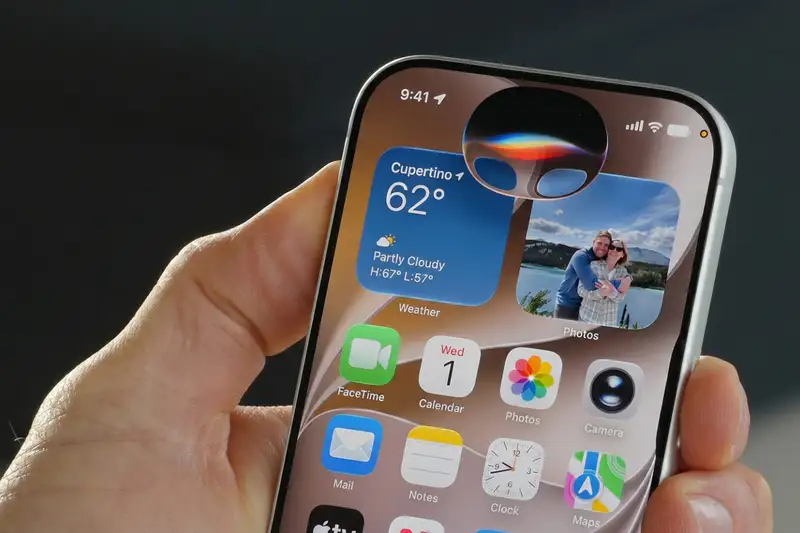
- Apple surprisingly extends iOS 27 compatibility to the iPhone 11 series and iPhone SE (2nd generation), ensuring older hardware remains supported.
- Advanced Siri AI features, including custom expressive voices and smart inputs, require a minimum of 12 GB RAM to run localized, on-device models.
- Only the premium iPhone Air, iPhone 17 Pro, and iPhone 17 Pro Max meet the hardware requirements for the full suite of new AI capabilities.
- For non-AI users, iOS 27 delivers significant efficiency upgrades, including 30% faster app launches and 80% faster AirDrop speeds.
At WWDC 2026, Apple pulled off a double-edged move that both thrilled budget-conscious consumers and set a steep, uncompromising baseline for the future of mobile artificial intelligence. The announcement of iOS 27 proved that while Apple is willing to keep older hardware alive, the true potential of its next-generation software will be strictly guarded behind a high-spec hardware gate. By extending operating system support to legacy devices while restricting key AI capabilities to premium handsets, the Cupertino tech giant is redefining what it means to own a modern smartphone.
Quick summary
- Legacy Support Remains Strong: Apple surprised the industry by extending iOS 27 compatibility back to the 2019 iPhone 11 series and the iPhone SE (second generation), defying predictions of premature hardware obsolescence.
- The 12GB RAM Divide: The highly anticipated "Siri AI" platform, featuring customized expressive voices and next-generation smart input, will strictly require a minimum of 12 GB of RAM to run localized, on-device AI models.
- Exclusive Tiering: Only three current-generation models—the iPhone Air, iPhone 17 Pro, and iPhone 17 Pro Max—meet the 12GB RAM requirement, leaving base models like the iPhone 17 and iPhone 17e without full AI functionality.
Why it matters
This software rollout introduces a fundamental shift in how Apple segmentizes its smartphone lineup. Historically, iOS updates delivered a relatively uniform user experience across supported models, with older phones missing out only on minor camera tricks or sensor-dependent features. With iOS 27, the divide is cognitive: your device either has the localized hardware to process advanced human-like artificial intelligence, or it is relegated to being a fast, traditional communication tool.
For the broader consumer market, this raises serious questions about the longevity of mid-range hardware. Standard models like the iPhone 17 and iPhone 17e, equipped with 8 GB of RAM, are locked out of the full suite of Siri AI capabilities before they even reach maturity. This dynamic could compel power users to skip standard tiers entirely, altering resale values and purchasing behavior across the industry.
Background
The roots of this technological division date back to WWDC 2024, when Apple first unveiled the Apple Intelligence platform. At the time, the software was restricted to the iPhone 15 Pro and Pro Max, primarily due to their 8 GB RAM capacities, while the standard 15 models with 6 GB of RAM were left in the cold. That decision sparked widespread criticism from users who had bought top-tier standard devices only months prior.
For the iOS 27 cycle, Apple has pushed the envelope further. Localized Large Language Models (LLMs) running natively on modern silicon are highly memory-intensive. To achieve fluid, low-latency interactions without constantly querying cloud servers, a device must maintain a significant portion of its system memory exclusively for AI model weights. Consequently, the previous 8 GB benchmark has been deemed insufficient for Apple's most sophisticated on-device tasks, necessitating the leap to 12 GB of RAM.
The 12GB RAM Gate: Siri AI and the Performance Divide
Why On-Device AI Demands Massive Memory
Running complex, multimodal AI workloads directly on a mobile processor is an engineering bottleneck. Unlike cloud-based AI, which relies on distant server farms, on-device processing requires constant access to high-speed system memory. Apple's new expressive Siri voices, real-time contextual awareness, and advanced text rewriting tools are designed to operate locally to preserve user privacy and function offline.
To run these models without causing background applications to crash, Apple determined that a 12 GB RAM baseline is non-negotiable. This high ceiling ensures that the system can dedicate several gigabytes entirely to the neural processing unit (NPU) while leaving enough overhead for active games, high-definition camera operations, and everyday multitasking.
The Excluded Models
This stringent technical reality has created immediate winners and losers in Apple's current portfolio. The premium tier—consisting of the ultra-thin iPhone Air, the iPhone 17 Pro, and the iPhone 17 Pro Max—ships with the required 12 GB of RAM, granting them full access to the upgraded Siri AI experience.
Conversely, the standard iPhone 17 and the budget-conscious iPhone 17e, which feature 8 GB of RAM, are locked out of these advanced systems. While they will still benefit from standard iOS 27 performance upgrades and basic cloud-linked tasks, they cannot run the core on-device generative features that define this software generation. Crucially, Siri AI is absent from the initial iOS 27 beta release and is slated for a public trial phase later in the year.
iOS 27 Performance Gains for Legacy iPhones
For users holding onto older devices, the story of iOS 27 is not entirely about exclusion. Apple has dedicated significant engineering resources to optimizing core system performance, ensuring that older silicon does not buckle under the weight of the new update. In fact, standard system operations on older devices may feel faster than they did on previous firmware versions.
According to official data released during WWDC, iOS 27 introduces the following system-wide efficiency gains:
- Application Launch Speeds: Applications open up to 30% faster, minimizing idle waiting times during daily use.
- Media Loading: Newly captured photographs and high-resolution videos load up to 70% faster within the Photos app.
- Data Transmission: Peer-to-peer sharing via AirDrop experiences a maximum speed increase of up to 80%, streamlining file transfers in crowded network environments.
- Search Redesign: The integrated search algorithms across Spotlight, Photos, and Mail have been overhauled for smarter, faster querying.
- Network Handshake: The transition time when switching from a Wi-Fi network to cellular data has been reduced, cutting down on momentary buffering pauses.
To Upgrade or Stay Put? The Consumer Dilemma
With legacy devices like the iPhone 11 (released in 2019) still receiving full operating system support, consumers face a distinct choice. For those who view their phone primarily as a tool for communication, basic web browsing, and photography, the performance optimizations in iOS 27 mean there is very little pressure to purchase new hardware. The iPhone 11, despite its age, remains a viable daily driver with enhanced speed metrics.
However, early adopters and technology enthusiasts who want to experience the vanguard of mobile AI will have to invest. The premium required to access the 12GB RAM tier is substantial. Beyond the current iPhone 17 lineup, industry analysts point to the upcoming iPhone 18 series—rumored to include the iPhone 18 Pro, iPhone 18 Pro Max, and a highly anticipated foldable iPhone—as the next major wave of devices built from the ground up to support the 12GB RAM baseline. While these future models remain unconfirmed by Apple, they highlight the clear direction the company is taking.
Qnews24h insight
Apple's strategy with iOS 27 represents a calculated effort to balance consumer goodwill with hardware sales incentives. By continuing to support the iPhone 11 series, Apple protects its massive, active user base, ensuring these consumers remain safely within the ecosystem to subscribe to service offerings like iCloud, Apple Music, and Apple TV+. It is a defensive play against Android's expanding lifecycle promises.
At the same time, the strict 12GB RAM requirement for Siri AI acts as an aggressive offensive play. It draws a clear line in the sand: if you want the future, you must pay for premium hardware. By restricting advanced AI to the iPhone Air and Pro lines, Apple is effectively upselling its most loyal customer base, ensuring that the average selling price (ASP) of its devices remains exceptionally high in a maturing global smartphone market.
Sources
- Originally reported by BGR and analyzed via soha.vn.
Why it matters
The software update creates a distinct two-tier ecosystem within Apple's user base. Instead of hardware age determining software access, memory capacity is now the ultimate gatekeeper, forcing a hardware divide where standard models like the iPhone 17 miss out on flagship AI features.
Background
In WWDC 2024, Apple established an 8 GB RAM baseline for its early Apple Intelligence features. For iOS 27, the computational demands of on-device local LLMs have pushed that baseline to 12 GB RAM, rendering base-level current devices incapable of running advanced features natively.
Apple is performing a delicate balancing act. Supporting older devices like the iPhone 11 maintains a massive, loyal base of services subscribers, while reserving advanced Siri AI features for 12GB RAM models incentivizes power users to purchase higher-margin, premium devices.
References
Editorial information
The editorial team reviews sources, adds context, and structures stories so readers can understand the news more clearly.
Article from QNEWS24H
Comments
(0)No comments yet. Be the first to share your thoughts.