iOS 27 Code Hints at Apple's First Foldable iPhone: The 'iPhone Ultra'
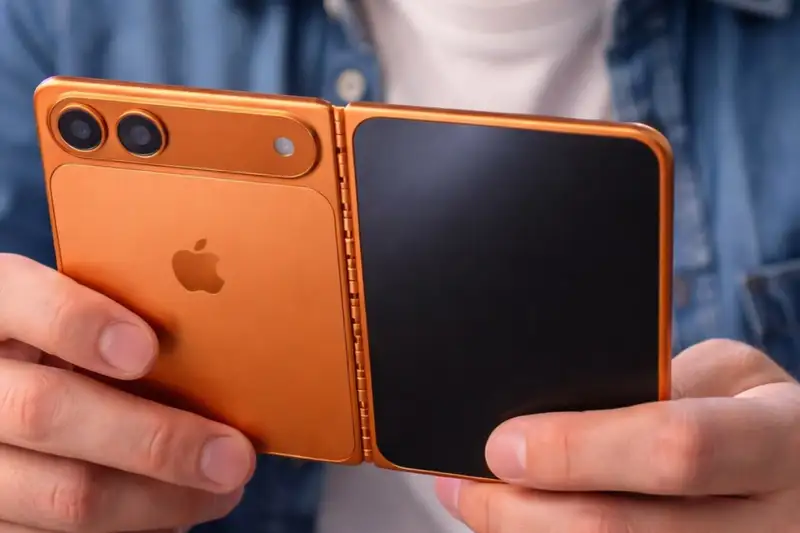
- iOS 27, unveiled at WWDC 2026, contains code strings and developer tools strongly suggesting Apple is preparing for a foldable device.
- Specific code mentions like "foldState," "angleDegrees," and new data keys for integrated screens point directly to flexible display hardware.
- Apple introduced updated development kits, including an iOS simulator with resizable windows and enhanced Xcode Previews, to aid developers in optimizing apps for various screen...
- The rumored device, potentially named 'iPhone Ultra,' could debut alongside the iPhone 18 series later this year, with an estimated price exceeding $2,000.
The long-standing speculation surrounding Apple's entry into the foldable smartphone arena has gained significant traction, with developer-focused revelations at the recent WWDC 2026 event providing compelling evidence. While the spotlight shone on iOS 27's interface enhancements and app adaptability, it was the subtle yet undeniable clues embedded deep within the operating system's code that truly captured the attention of the tech world, hinting at the imminent arrival of a device many anticipate will be dubbed the 'iPhone Ultra'.
Quick summary
- iOS 27, unveiled at WWDC 2026, contains code strings and developer tools strongly suggesting Apple is preparing for a foldable device.
- Specific code mentions like "foldState," "angleDegrees," and new data keys for integrated screens point directly to flexible display hardware.
- Apple introduced updated development kits, including an iOS simulator with resizable windows and enhanced Xcode Previews, to aid developers in optimizing apps for various screen formats.
- The rumored device, potentially named 'iPhone Ultra,' could debut alongside the iPhone 18 series later this year, with an estimated price exceeding $2,000.
Why it matters
Apple's potential entry into the foldable phone market is more than just another product launch; it signifies a pivotal moment for the entire mobile industry. For consumers, it promises a new level of innovation and user experience from a brand renowned for its polished, user-centric designs, albeit at a premium price point that could redefine the high-end segment. This move could also address the perceived plateau in smartphone design, offering a fresh form factor that blends the utility of a tablet with the portability of a phone.
For app developers, the introduction of a foldable iPhone would necessitate a significant paradigm shift. They would need to rethink user interfaces and experiences, ensuring seamless transitions across varying screen sizes and orientations. Apple's proactive provision of enhanced developer tools and adaptable frameworks in iOS 27 underscores the importance of this shift, creating both challenges and immense opportunities for innovation in app design. The ability to resize applications dynamically across flexible displays could unlock entirely new categories of interactive experiences and productivity tools.
Economically, a successful 'iPhone Ultra' could invigorate a global smartphone market that has seen modest growth in recent years. Apple's entry typically legitimizes new technologies, potentially driving wider adoption of foldable devices and stimulating competition. This could lead to increased investment in research and development for flexible display technologies, potentially making them more accessible and affordable in the long run. The over-$2,000 price tag, while steep, also sets a new benchmark for ultra-premium smartphones, further solidifying Apple's position at the top tier of the mobile market.
Background
The concept of foldable smartphones has been a significant area of innovation for several years, with pioneers like Samsung, Huawei, Xiaomi, Oppo, and Google already establishing a presence in this nascent but growing market. These manufacturers have launched various foldable form factors, from clamshell designs to larger book-style devices, each grappling with engineering challenges such as screen durability, hinge mechanisms, and software optimization for multi-window experiences. Despite these efforts, foldable phones have remained a niche category, often characterized by their high price, specialized utility, and occasional durability concerns.
Apple, historically, has adopted a deliberate strategy when entering new product categories. Rather than rushing to be first, the company typically observes, refines existing concepts, and then introduces a highly polished product that aims to set a new industry standard. This approach was evident with the iPod, iPhone, iPad, and Apple Watch, all of which entered markets with existing competitors but eventually dominated due to superior integration of hardware, software, and services. The absence of a foldable iPhone until now has been a testament to this cautious yet impactful strategy.
The annual Worldwide Developers Conference (WWDC) serves as Apple's primary platform to showcase its latest software innovations and provide developers with the tools and frameworks needed for upcoming hardware. It's not uncommon for hints of future hardware to emerge from these software releases, as Apple prepares its vast developer ecosystem for new device capabilities. The clues in iOS 27 follow this pattern, suggesting a methodical preparation for a product that has been in development for years, meticulously refined to meet Apple's stringent quality standards before its public unveiling.
Qnews24h insight
The subtle yet concrete signals within iOS 27 paint a clear picture: Apple is methodically laying the groundwork for its foldable device. While the company has maintained its characteristic silence on future hardware, the deliberate inclusion of code snippets like 'foldState' and 'angleDegrees,' alongside the wholesale overhaul of developer tools to support adaptable screen dimensions, transcends mere speculation. This isn't just a nod to future possibilities; it's an instruction manual for developers, preparing them for a product that demands a fundamental rethinking of app design and user interaction.
Apple's strategic timing, choosing to enter the foldable market several years after competitors, aligns perfectly with its established pattern of 'fast follower, market leader.' By allowing other manufacturers to explore initial designs and grapple with early-adopter challenges, Apple has likely been able to refine its own hinge technology, screen materials, and, crucially, the software experience. The rumored 'iPhone Ultra' branding, consistent with the company's highest-tier products like the Apple Watch Ultra, signals an uncompromising premium offering that will likely leverage Apple's entire ecosystem to justify its projected price tag exceeding $2,000. This isn't just Apple joining the foldable trend; it's Apple poised to redefine it, potentially solving some of the form factor's lingering issues and pushing the entire category towards mainstream legitimacy.
The Unveiling of iOS 27: A Software Precursor to Hardware Innovation
At WWDC 2026, the focus for many was on the incremental upgrades and new features within iOS 27. Apple touted a suite of changes aimed at enhancing the user interface and improving how applications adapt to various screen sizes. While these updates seemed geared towards a broader range of devices, their implications become far more significant when viewed through the lens of a potential foldable iPhone.
Key among the new developer tools was an updated version of SwiftUI, Apple's declarative UI framework, now with enhanced support for devices featuring flexible screens. This ensures that developers can more easily create applications that fluidly adjust their layouts and content, irrespective of whether the screen is flat, folded, or transitioning between states.

Developer Tools Hint at Form Factor Flexibility
Beyond SwiftUI, Apple also introduced a revamped iOS simulator that allows developers to dynamically change the size of application windows. This feature, coupled with significant upgrades to Xcode's Previews functionality, enables programmers to test app interfaces across an unprecedented array of screen formats and aspect ratios. Such capabilities are crucial for a device that can transform its display geometry, from a compact form factor to an expansive tablet-like screen.
The ability to 'preview' an app in various folded or unfolded states within Xcode directly addresses one of the biggest challenges for foldable device development: ensuring a seamless and intuitive user experience regardless of the physical configuration of the device. This comprehensive preparation of the developer ecosystem is a hallmark of Apple's approach and strongly indicates that a new hardware category requiring such flexibility is indeed on the horizon.
Code Strings: "FoldState" and "AngleDegrees"
Perhaps the most definitive evidence emerged from the discovery of specific code strings within iOS 27 that directly reference foldable hardware. Phrases such as "foldState" and "angleDegrees" were reportedly found, along with a new data key that alludes to the "total number of integrated screens" on a device. These aren't generic terms; they are highly specific identifiers that point to the precise mechanisms and states of a multi-panel or flexible display.
The inclusion of "foldState" would allow the operating system and applications to react intelligently to whether the device is open, closed, or partially folded. Similarly, "angleDegrees" suggests the OS can detect the precise angle of the hinge, opening up possibilities for unique interactions like 'tent mode' or specific app behaviors when the device is at a certain angle.
The 'iPhone Ultra' and its Premium Positioning
The confluence of these software clues has ignited fervent speculation about the device's name and market positioning. Many sources now suggest the device could be dubbed 'iPhone Ultra,' aligning with Apple's premium branding for its most advanced products, such as the Apple Watch Ultra. The anticipated launch alongside the iPhone 18 series later this year places it firmly at the pinnacle of Apple's smartphone lineup.
With an expected price tag exceeding $2,000 (over 52 million VND), the 'iPhone Ultra' would become the most expensive iPhone ever released. This premium pricing underscores Apple's confidence in its design, engineering, and the perceived value of its first foldable offering. It also positions the device as a halo product, showcasing the company's cutting-edge capabilities and potentially attracting early adopters eager for the ultimate Apple experience in a revolutionary new form factor.
Sources
FAQ
Q1: What specific evidence in iOS 27 suggests a foldable iPhone?
A1: iOS 27 includes code strings like "foldState" and "angleDegrees," alongside a new data key indicating the "total number of integrated screens." Additionally, Apple updated its developer tools, including SwiftUI, an iOS simulator with resizable windows, and enhanced Xcode Previews, all designed to help developers create apps for flexible and adaptable screen sizes.
Q2: When is the 'iPhone Ultra' expected to be released and what will it be called?
A2: Based on current speculation fueled by the iOS 27 revelations, the device is rumored to be named 'iPhone Ultra' and could potentially be introduced alongside the iPhone 18 series later this year (2026).
Q3: How much is the foldable iPhone expected to cost?
A3: Initial projections suggest that the 'iPhone Ultra' could be the most expensive iPhone to date, with an anticipated price tag exceeding $2,000 (over 52 million Vietnamese Dong).
Q4: How will Apple's entry impact the existing foldable phone market?
A4: Apple's entry is expected to significantly legitimize and expand the foldable phone market. Historically, when Apple enters a new product category, it often drives wider adoption, intensifies competition, and stimulates further innovation from other manufacturers, potentially leading to more refined and eventually more affordable foldable devices across the industry.
Why it matters
Apple's potential entry into the foldable phone market is more than just another product launch; it signifies a pivotal moment for the entire mobile industry. For consumers, it promises a new level of innovation and user experience from a brand renowned for its polished, user-centric designs, albeit at a premium price point that could redefine the high-end segment. This move could also address the perceived plateau in smartphone design, offering a fresh form factor that blends the utility of a tablet with the portability of a phone. For app developers, the introduction of a foldable iPhone would necessitate a significant paradigm shift. They would need to rethink user interfaces and...
Background
The concept of foldable smartphones has been a significant area of innovation for several years, with pioneers like Samsung, Huawei, Xiaomi, Oppo, and Google already establishing a presence in this nascent but growing market. These manufacturers have launched various foldable form factors, from clamshell designs to larger book-style devices, each grappling with engineering challenges such as screen durability, hinge mechanisms, and software optimization for multi-window experiences. Despite these efforts, foldable phones have remained a niche category, often characterized by their high price, specialized utility, and occasional durability concerns. Apple, historically, has adopted a...
The subtle yet concrete signals within iOS 27 paint a clear picture: Apple is methodically laying the groundwork for its foldable device. While the company has maintained its characteristic silence on future hardware, the deliberate inclusion of code snippets like 'foldState' and 'angleDegrees,' alongside the wholesale overhaul of developer tools to support adaptable screen dimensions, transcends mere speculation. This isn't just a nod to future possibilities; it's an instruction manual for developers, preparing them for a product that demands a fundamental rethinking of app design and user interaction. Apple's strategic timing, choosing to enter the foldable market several years after...
References
Editorial information
The editorial team reviews sources, adds context, and structures stories so readers can understand the news more clearly.
Article from QNEWS24H
Comments
(0)No comments yet. Be the first to share your thoughts.