The Invisible Architecture: How Multi-Sensory Air Design is Reshaping Modern Living Spaces
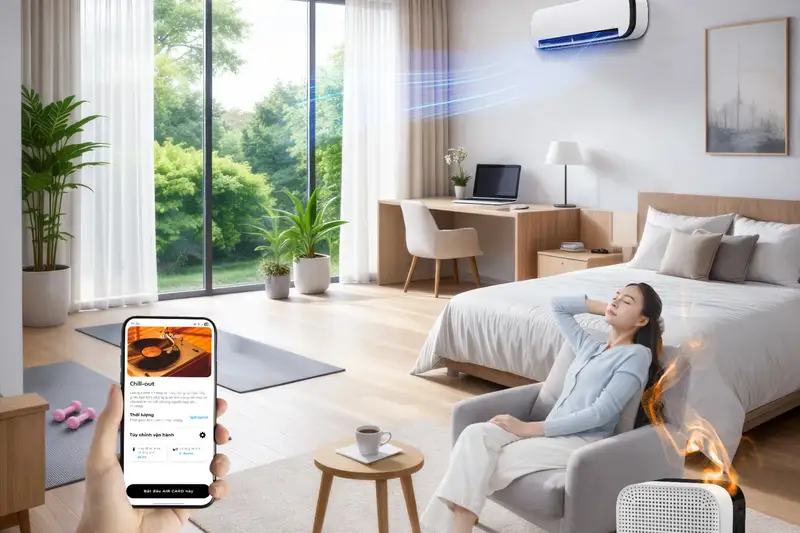
- Daikin has introduced the 'Air Creator' ecosystem, featuring customizable 'Air Cards' designed to instantly adapt indoor climates to specific human activities like concentration,...
- The technology redefines traditional air conditioning by focusing on a holistic four-pillar 'air blend' consisting of temperature, humidity, airflow control, and active air...
- This innovation marks a strategic pivot for the HVAC industry, moving from simple mechanical cooling toward integrated, multi-sensory wellness design that complements lighting and...
When we think about comfort in our homes, we often picture designer furniture, curated art, or high-end lighting. Yet, some of the most powerful influences on our physical and psychological states are entirely invisible. The way air moves, its moisture content, its cleanliness, and how it pairs with the acoustic and visual tones of a room can make the difference between a restless afternoon and a highly productive, focused workday. Recognizing this, modern homeowners—particularly younger, wellness-conscious generations—are shifting toward multi-sensory home environments. In response to this lifestyle evolution, HVAC pioneer Daikin has launched its Air Creator ecosystem, introducing a novel concept of environmental tailoring that customizes indoor atmospheres to match our daily biological rhythms.
Quick summary
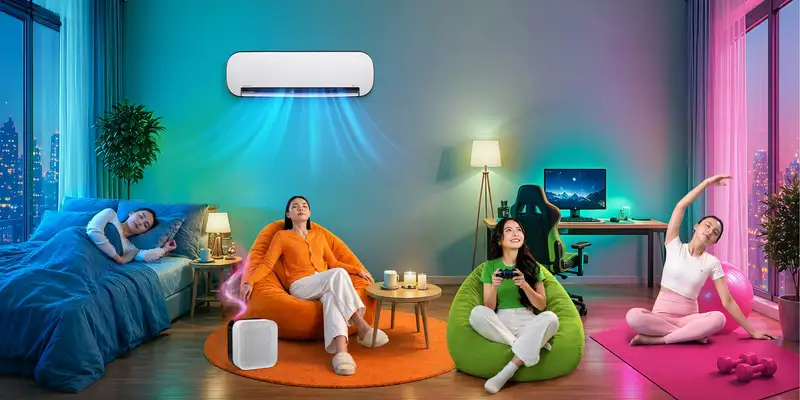
- Daikin has introduced the 'Air Creator' ecosystem, featuring customizable 'Air Cards' designed to instantly adapt indoor climates to specific human activities like concentration, relaxation, exercise, and deep sleep.
- The technology redefines traditional air conditioning by focusing on a holistic four-pillar 'air blend' consisting of temperature, humidity, airflow control, and active air purification.
- This innovation marks a strategic pivot for the HVAC industry, moving from simple mechanical cooling toward integrated, multi-sensory wellness design that complements lighting and sound.
Why it matters
Modern urban residents spend the vast majority of their lives indoors, making the quality of the indoor atmosphere a critical factor in long-term physical and mental health. Traditional air conditioning systems often fail to address how dry air, stagnant drafts, or improper humidity levels impact human physiology. By treating air as a dynamic, customizable design element, this new approach directly addresses modern lifestyle pain points: preventing cognitive fatigue during remote work, enhancing muscle recovery during workouts, and improving sleep architecture through circadian-aligned thermal adjustments. It signals a future where smart home technologies must cooperate to synchronize climate, lighting, and sound for a unified human experience.
Background
The journey toward personalized indoor climates has been developing over several years as home appliance manufacturers seek to differentiate themselves in a saturated market. Historically, the focus of residential air conditioning was purely on cooling speed and energy efficiency. However, a timeline of developments showcases a clear transition toward wellness-oriented technology:
- July 2024: Industry standards began highlighting premium residential systems that optimized the synergy between temperature, humidity, gentle airflow, and air purification to enhance overall living comfort.
- January 2026: Daikin Vietnam officially hosted its 'Air Unlocked' launch event, introducing the 'Air Creator' ecosystem to the market and signaling a new chapter in user-centric environmental control.
- March 2026: The premium FTKM residential air conditioner series was introduced, laying the hardware foundation for the 'Perfecting the Air' brand vision.
- Mid-2026: The rollout of the 'Air Card' interface materialized, allowing users to interact with their indoor environments through simplified, goal-oriented presets.

The Four Pillars of the Ideal Air Blend
Creating a truly comfortable room requires balancing multiple variables simultaneously. Daikin's research identifies four core elements that must work in harmony to elevate indoor living standards:
1. Temperature Control
Rather than blasting cold air, modern systems aim to maintain a stable, gentle temperature that eliminates hot spots and cold drafts, keeping the body's core temperature stable.
2. Humidity Regulation
High humidity makes rooms feel sticky and warm, while low humidity dries out skin and respiratory passages. Precise humidity management is critical for comfortable sleep and respiratory health.
3. Coanda Airflow
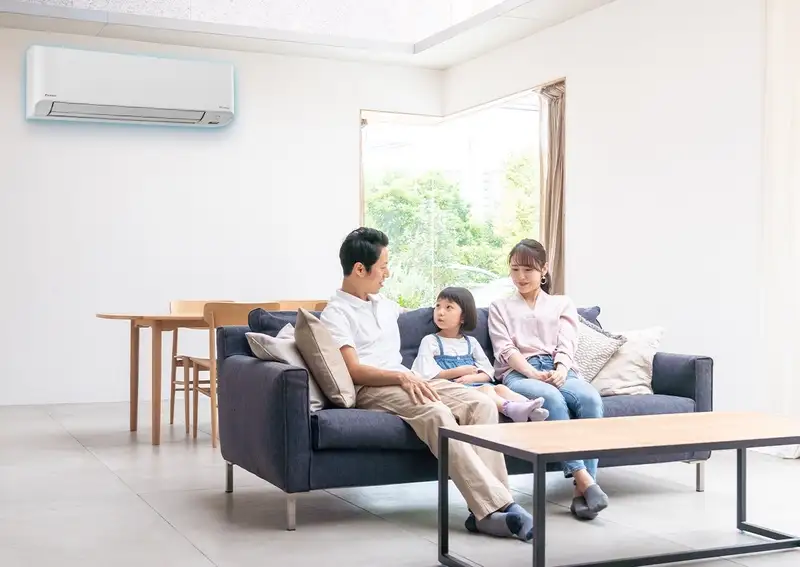
Instead of blowing air directly onto occupants, advanced airflow systems steer air upward along the ceiling, letting it gently cascade down to mimic natural, non-intrusive wind currents.
4. Active Purification
By filtering out microscopic dust, allergens, and odors, the system ensures that the air being circulated is healthy and clean, reducing overall physical stress on the body.
A Closer Look at the 'Air Card' Ecosystem
The core innovation of the Air Creator system lies in its simplified user experience. Instead of forcing users to manually calibrate complex fan speeds, humidity percentages, and vane directions, the system packages these settings into intuitive, one-touch atmospheric profiles called Air Cards.
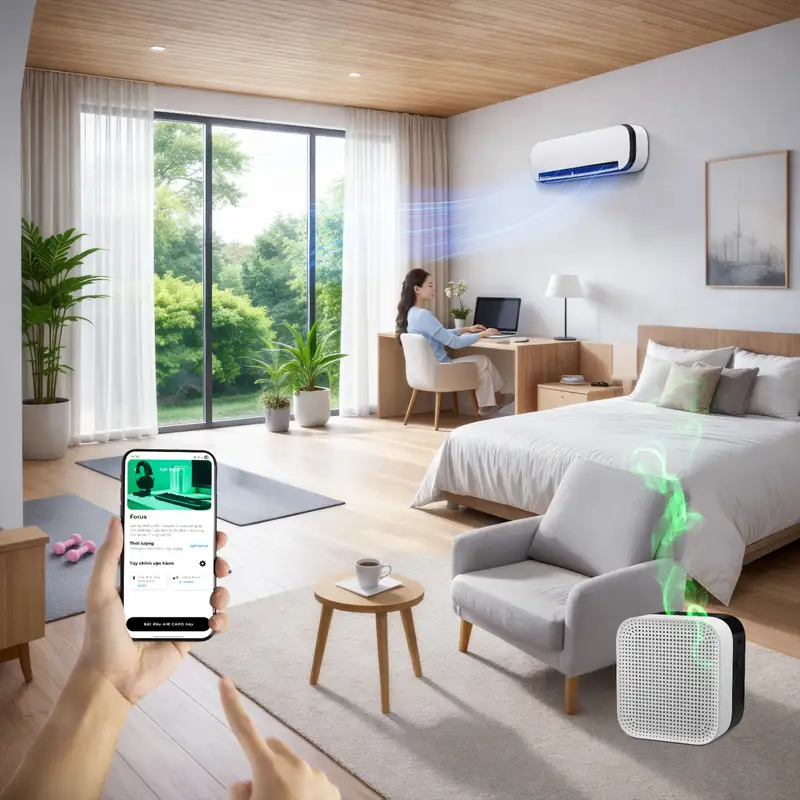
For remote professionals and students, the Air Card Focus profile delivers a cool, oxygen-rich environment with subtle airflow designed to stimulate mental clarity, prevent fatigue, and keep the mind sharp during long cognitive sessions.
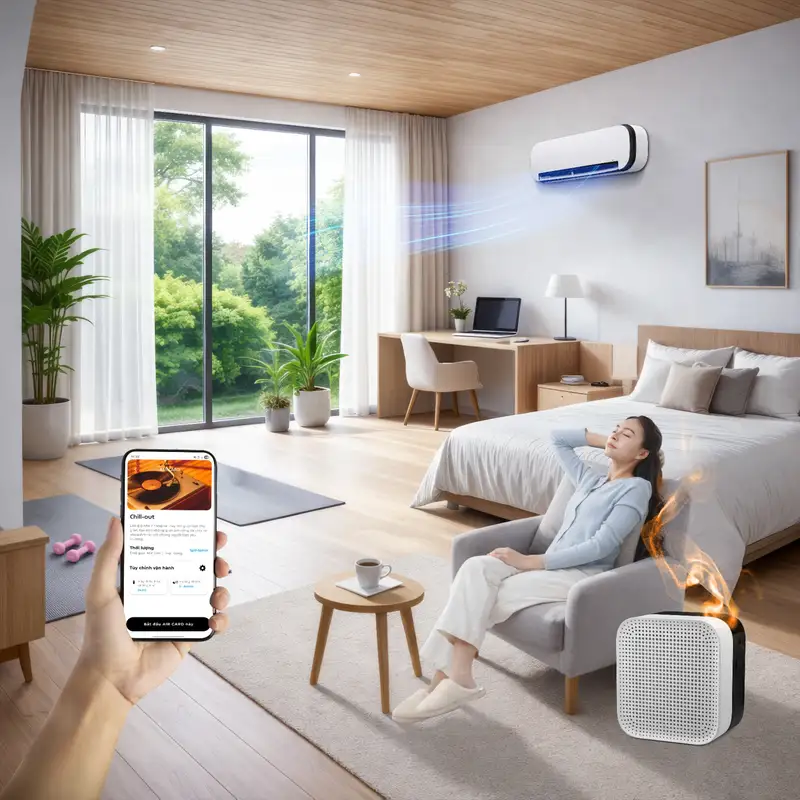
When transitioning from work to rest, the Air Card Chill-out mimics the gentle, fluctuating patterns of natural breezes. By integrating calming ambient scents and maintaining pristine air quality, this profile helps lower stress levels and prepare the body for relaxation as the day winds down.
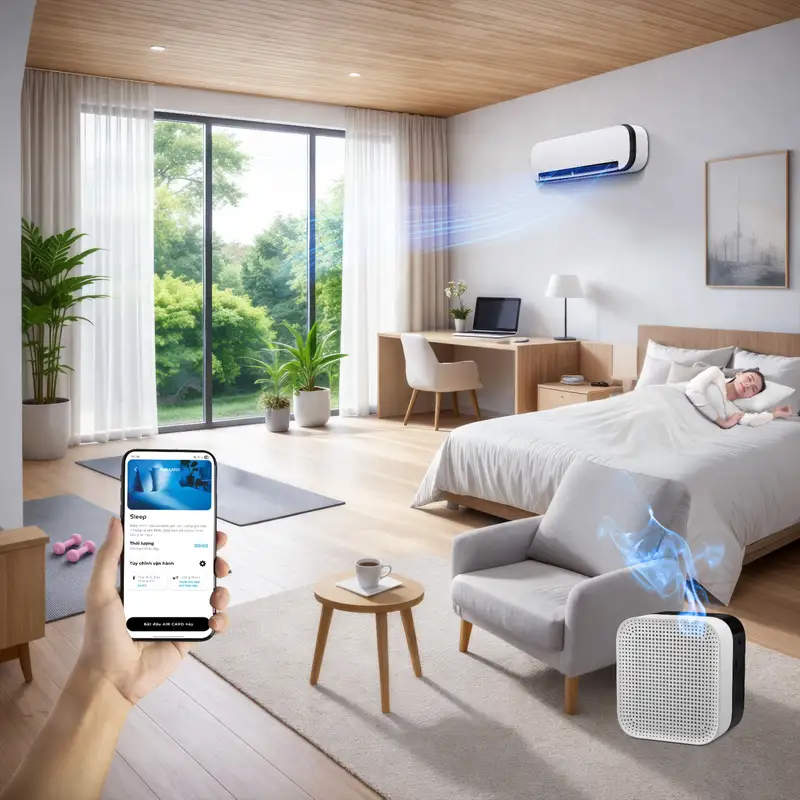
As nighttime arrives, the Air Card Sleep profile takes over to synchronize with the human circadian rhythm. It subtly adjusts the temperature and humidity levels throughout the night, aligning with the body's natural thermal drops to prevent midnight awakenings and encourage deeper, more restorative sleep cycles.
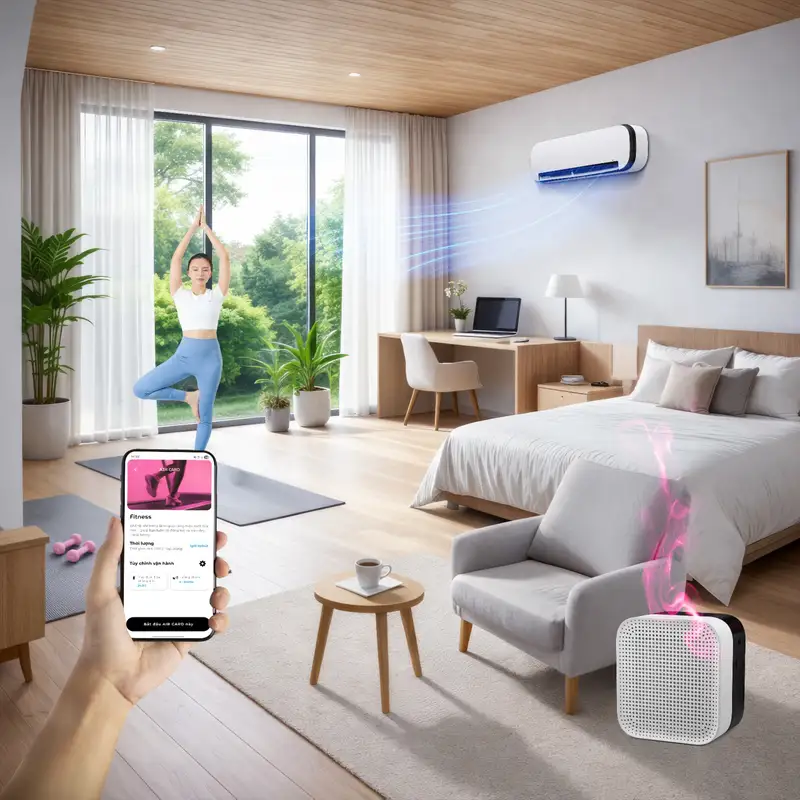
For home workouts, the Air Card Fitness preset optimizes airflow dynamics and lowers room humidity to assist with rapid body heat dissipation, providing a fresh, high-energy environment that supports physical performance and recovery.
Qnews24h insight
Daikin's latest product strategy represents a profound shift in how appliance brands must approach consumer technology. Historically, air conditioners were marketed on quantitative specifications: British Thermal Units (BTUs), energy ratings, and pricing. Today, premium consumers are increasingly demanding qualitative benefits: wellness, stress reduction, and seamless smart-home integration. By packaging complex climate engineering into simplified, activity-based 'Air Cards', Daikin has successfully demystified air science for the average homeowner.
However, to unlock the true potential of this technology, the next phase must focus on cross-brand interoperability. A truly multi-sensory home cannot rely on the HVAC system alone; the Air Creator ecosystem will need to communicate seamlessly with smart home platforms to coordinate local lighting systems, sound setups, and automated window blinds. Only then can the vision of a fully synchronized, health-optimizing smart home be realized.
Sources
This article was prepared using editorial data and product announcements published by Znews.vn.
Why it matters
The transition to customized indoor environments directly impacts human biology, helping to regulate circadian rhythms, reduce cognitive fatigue, and improve sleep quality. It marks a shift for real estate developers and architects, who must now design homes where the invisible climate is prioritized alongside physical layout.
Background
For decades, the air conditioning industry prioritized basic cooling speed and power efficiency. Following a series of rollouts including premium air purification models in 2024 and the 'Air Unlocked' launch event in January 2026, Daikin has transitioned from a hardware-focused manufacturer to an experiential environment provider, culminating in the release of the Air Creator and its customized Air Cards.
Daikin is shifting the residential HVAC battleground from simple mechanical specs to wellness software. By simplifying complex climate variables into intuitive presets like Focus and Chill-out, they are catering to a premium demographic that views home appliances as wellness assets. The future success of this trend, however, hinges on how well these climate systems can integrate and sync with third-party smart lighting and sound systems to create a unified ambient experience.
References
Editorial information
The editorial team reviews sources, adds context, and structures stories so readers can understand the news more clearly.
Article from QNEWS24H
Comments
(0)No comments yet. Be the first to share your thoughts.