Innovative Textiles: The Rise of Insect-Repelling Apparel for a Bug-Proof Future
- Scientific innovations are enabling clothing to actively repel insects, moving beyond traditional topical sprays.
- Major brands like Helly Hansen, L.L. Bean, and Columbia are incorporating this technology into stylish and functional apparel.
- The demand for bug-repellent clothing is rising due to increasing insect populations and associated health risks globally.
- This trend aligns with a broader industry shift to integrate high-performance outdoor textile technologies into everyday fashion.
For decades, our approach to natural elements has been largely reactive: donning waterproofs in the rain, insulated layers in the cold, or sturdy boots on muddy trails. Yet, one pervasive threat – insects – has largely necessitated a separate, often sticky, solution: topical sprays. This paradigm, however, is rapidly evolving. A new wave of textile innovation is bringing forth garments engineered to actively repel insects, transforming everyday apparel into a proactive shield against bites and stings, fundamentally changing how we interact with the outdoors and mitigate public health risks.
Quick summary
- Scientific breakthroughs are integrating insect-repelling properties directly into clothing fabrics, moving beyond traditional sprays.
- Forward-thinking brands like Helly Hansen's Japanese line, L.L. Bean, and Columbia are already offering stylish and functional bug-repellent apparel.
- This innovative textile technology is becoming increasingly critical due to rising insect populations and associated health threats in both rural and urban environments.
- The trend reflects a broader movement where high-performance outdoor apparel technologies, such as GORE-TEX, are being adopted for general wear and everyday fashion.

Why it matters
The emergence of insect-repelling clothing carries significant implications across various sectors, from public health to the outdoor industry and general consumer lifestyle. For individuals, it offers an unprecedented level of continuous, hands-free protection against common nuisances like mosquitoes and ticks, which are not only irritating but also vectors for serious diseases such as Lyme disease, West Nile virus, and Zika. This could drastically reduce reliance on chemical sprays applied directly to the skin, which can sometimes be inconvenient or cause skin sensitivities.
Economically, this innovation is poised to open up new market segments within the apparel industry. Brands that successfully blend functionality with aesthetic appeal will likely capture a growing demand from outdoor enthusiasts, travelers, agricultural workers, and even urban dwellers facing localized insect issues. The technology's potential extends beyond recreational wear, offering enhanced safety for professionals working in environments prone to insect exposure, such as park rangers, construction workers, or military personnel.
Furthermore, from an ecological perspective, widespread adoption of integrated repellent textiles could potentially lessen the environmental impact of chemical pesticides, by localizing protection to the individual rather than relying on broader area treatments. As climate change expands the habitats of various insect species, the need for effective, sustainable, and convenient personal protection becomes increasingly urgent, positioning this textile innovation as a crucial tool in adapting to evolving environmental challenges.
Background
For centuries, humanity's defense against insects has primarily consisted of physical barriers like netting, smoke, or more recently, chemical repellents applied topically to skin or clothing. While effective, these solutions often present trade-offs in terms of convenience, longevity, and potential skin irritation. The quest for more integrated and seamless protection has been a long-standing goal within material science and public health circles.
The inspiration for embedding functional properties into textiles is not entirely new. The widespread adoption of weather-resistant fabrics like GORE-TEX, which offers waterproofing and breathability, or the development of high-strength fibers like Dyneema for extreme durability, has demonstrated the immense potential of engineered materials. These advancements laid the groundwork for a future where clothing could serve a more active protective role beyond basic coverage and insulation.
Recent years have seen a confluence of factors accelerating the demand for better insect protection. Expanding global travel, climate change-induced shifts in insect distribution, and heightened awareness of vector-borne diseases have underscored the limitations of traditional methods. Scientific publications, including papers in the Journal of Medical Entomology and the Textile Research Journal, have highlighted significant progress in making comfortable, effective insect-proof textiles a reality. These developments represent a pivotal moment, moving textile technology from passive protection to active defense.

The Science of Repellent Wear
At the heart of insect-repelling apparel lies sophisticated textile engineering that integrates repellent compounds directly into the fabric matrix. Unlike simply spraying an ordinary garment, this process often involves treating fibers or finished fabrics with permethrin, a synthetic insecticide inspired by natural pyrethrums found in chrysanthemum flowers. The chemical binds to the fabric, creating a durable, invisible barrier that deters or incapacitates insects upon contact, without being absorbed by the wearer's skin.
This method ensures that the repellent remains effective through multiple washes and extended wear, significantly outlasting the efficacy of topical sprays. Researchers have focused on optimizing the binding process to maximize durability and minimize leaching, ensuring both consumer safety and environmental responsibility. The effectiveness isn't just about repelling; in some cases, the treated fabric can even disorient or knock down insects that attempt to land, providing an additional layer of defense. This integration is what makes these garments akin to the 'GORE-TEX of bug repellency' – a core functionality woven into the very structure of the material.
Beyond Function: Fashion Embraces Performance
Historically, highly functional outdoor gear often prioritized utility over aesthetics, leading to garments that were practical but perhaps not 'fashion-forward.' However, a significant trend has emerged in recent years where cutting-edge performance technologies, once exclusive to extreme sports or military applications, are making their way into mainstream and even high-fashion apparel. Materials like GORE-TEX and Dyneema, celebrated for their waterproofing, breathability, and strength, are now commonplace in urban streetwear and contemporary fashion collections.
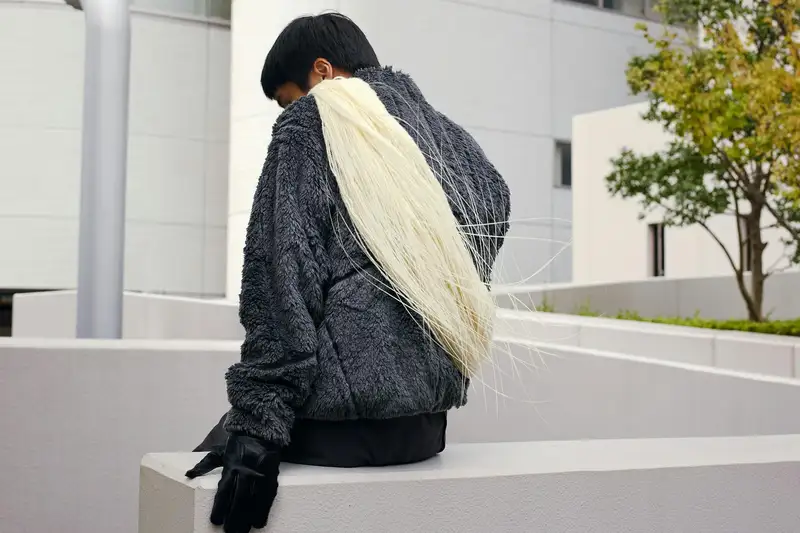
Insect-repelling textiles represent the latest iteration of this convergence. While the initial offerings in this niche tended to be purely utilitarian, brands are increasingly recognizing the demand for stylish options. Helly Hansen's Japanese line, managed by sportswear giant Goldwin, exemplifies this by offering subtly oversized, clean-lined pieces in sophisticated colors like slate grey and dark teal. These garments masterfully conceal their advanced bug-repelling capabilities within a design that is far more casual and wearable than typical outdoor gear, though their availability is currently limited to Japan.
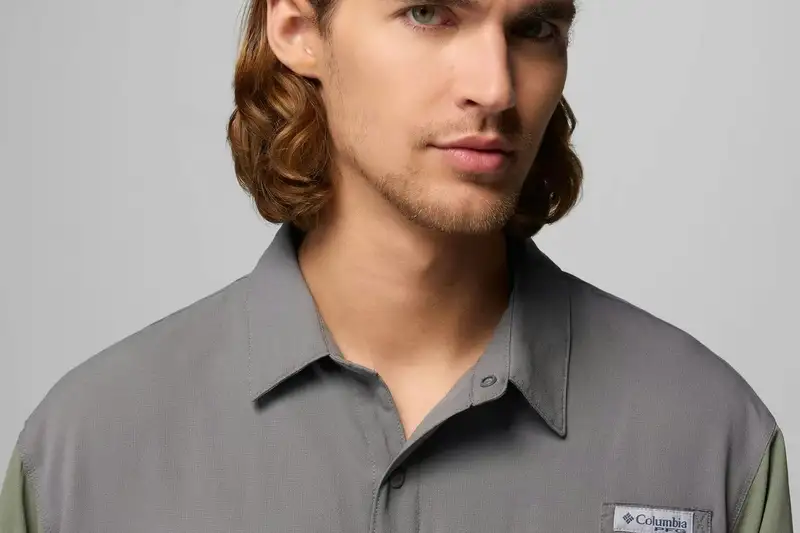
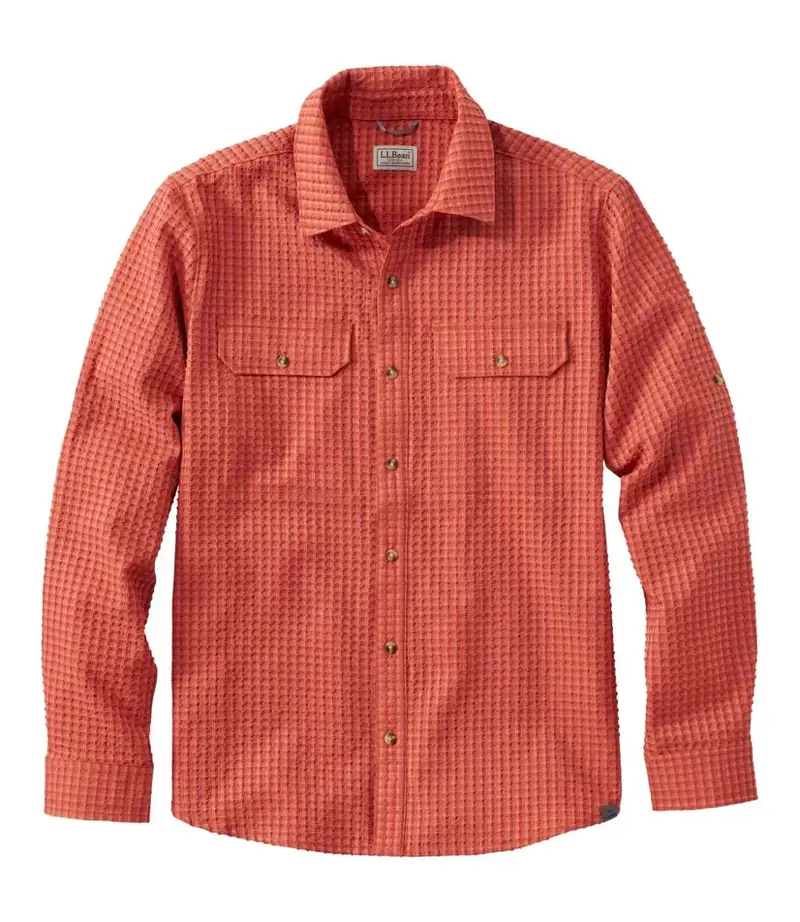
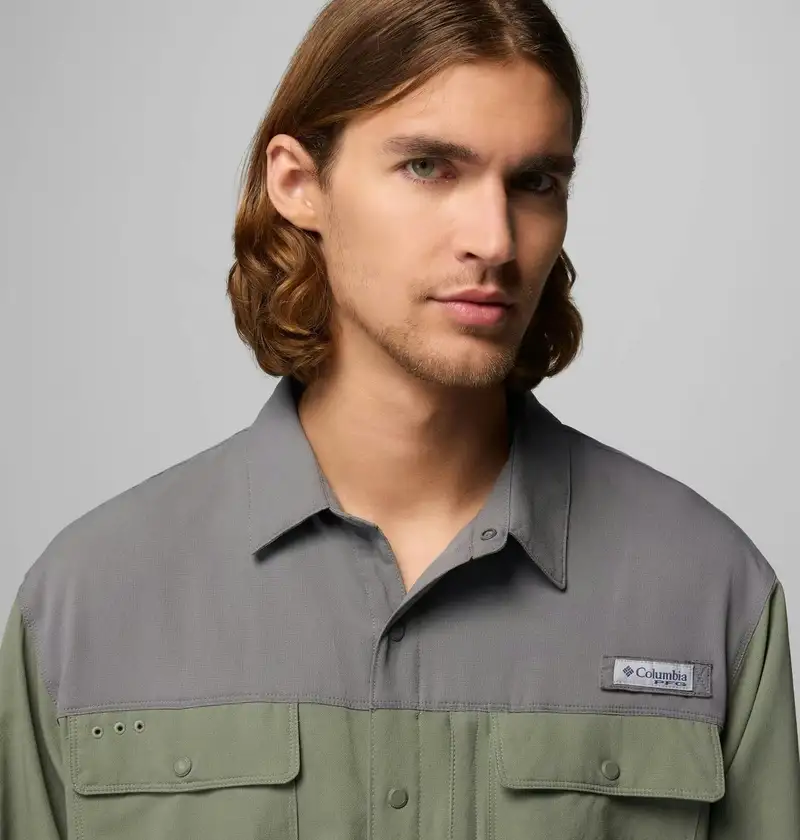
For consumers in other markets, options are growing. L.L. Bean's 'No Fly Zone Explorer Shirt' blends a suave aesthetic with practical protection, featuring contrasting crinkly fabrics and distinct check patterns. Columbia's 'Shoaltech' long-sleeve takes a 'techy safari' approach, providing not only insect repellency but also UPF 50 sun protection, hidden vents for breathability, and even a dedicated patch for cleaning sunglasses. These examples demonstrate a clear industry shift: the future of protective clothing will no longer sacrifice style for substance, but rather seamlessly integrate both.
Global Threats, Local Solutions

The increasing urgency for effective insect protection is not confined to remote wilderness areas; it's a growing concern in urban and suburban environments too. Reports of rampant ticks in regions like New York, carrying the risk of Lyme disease, and the emergence of toxic caterpillars terrorizing cities such as Berlin, underscore a broader ecological shift. Warmer temperatures and altered rainfall patterns contribute to extended breeding seasons and geographical expansion for many insect species, bringing them into closer contact with human populations.
This global phenomenon creates a pressing need for accessible, everyday solutions that go beyond seasonal mosquito nets or sporadic applications of bug spray. Insect-repelling clothing offers a continuous, passive layer of defense that can be worn as easily in a city park as on a mountain trail. It moves personal protection from a conscious, active task to an inherent, built-in feature of our daily attire, thereby mitigating health risks more effectively and allowing individuals to enjoy their environments with greater peace of mind.
Qnews24h insight
The integration of insect-repelling technology into everyday apparel signifies more than just an advancement in outdoor gear; it marks a pivotal shift towards a more proactive and integrated approach to personal health and comfort. This trend, mirroring the past mainstreaming of waterproofing and advanced insulation, positions clothing as an active participant in preventative well-being, rather than merely a covering. The challenge for manufacturers and designers will be to navigate the delicate balance between efficacy, aesthetic appeal, and sustainability, ensuring these functional fabrics are not only effective against increasing insect threats but also environmentally responsible and fashionably desirable. As climate patterns continue to shift and insect populations adapt, the demand for such smart textiles will only grow, transforming what we expect from our wardrobes from passive protection to intelligent defense.

Sources

Frequently Asked Questions
How does insect-repelling clothing work?
Insect-repelling clothing typically works by embedding a repellent chemical, often permethrin, into the fabric fibers during manufacturing. This creates an invisible, odorless barrier that repels or deters insects like mosquitoes, ticks, and flies upon contact, preventing them from landing on or biting the wearer through the treated material.
Is the repellent in the clothing safe for humans?
When properly applied and cured into fabrics, the repellent chemicals (like permethrin) are generally considered safe for human contact. They are designed to stay bonded to the fabric rather than being absorbed by the skin. Leading brands adhere to strict safety standards and regulatory guidelines, and the treated clothing is usually approved for use by environmental protection agencies.
How long does the insect-repelling effect last?
The durability of the insect-repelling treatment varies by brand and product, but many garments are designed to retain their effectiveness through dozens of washes, often up to 70-80 washes. Manufacturers will typically specify the expected lifespan of the repellent properties, after which the garment's effectiveness may gradually diminish.
Can I wash insect-repelling clothing normally?
Most insect-repelling garments can be machine washed and dried according to standard clothing care instructions. However, it's always best to check the specific care label for each item, as some recommendations might include avoiding bleach or fabric softeners to maintain the integrity of the repellent treatment.
Why it matters
The development of insect-repelling clothing represents a significant advancement in personal protection, offering continuous defense against disease-carrying insects without the need for topical sprays. This innovation has crucial public health implications, reducing the risk of vector-borne diseases and enhancing comfort for outdoor activities and daily life. It also signals a growing market for functional fashion, where apparel actively contributes to wearer safety and well-being, influencing design, material science, and consumer choices in an era of changing ecological landscapes.
Background
Historically, defense against insects relied on physical barriers or topical chemical repellents. However, advancements in material science, spurred by the success of performance fabrics like GORE-TEX, paved the way for integrating advanced functionalities into textiles. Simultaneously, an increase in insect-borne diseases and expanding pest ranges due to climate change has amplified the need for more effective, convenient, and sustained personal protection, leading to recent breakthroughs in weaving repellent properties directly into garment fabrics, as highlighted by recent scientific publications.
The rise of insect-repelling apparel transcends mere novelty; it illustrates a profound evolution in how we conceive of clothing – from passive covering to an active, intelligent layer of personal defense. This movement, aligning with the broader mainstreaming of technical textiles, underscores a growing consumer demand for products that seamlessly blend utility with style and public health benefits. The market's future will favor brands that innovate beyond basic function, offering solutions that are not only effective and comfortable but also sustainable and aesthetically integrated into modern lifestyles, fundamentally reshaping expectations for everyday wear in an increasingly complex...
References
Editorial information
The editorial team reviews sources, adds context, and structures stories so readers can understand the news more clearly.
Article from QNEWS24H
Comments
(0)No comments yet. Be the first to share your thoughts.